CHICAGO (AP) — An Indiana man convicted in the 2001 rape and murder of a teenage girl was executed by injection early Friday in the state’s third execution since resuming capital punishment last year.
Roy Lee Ward, 53, was put to death at the Indiana State Prison in Michigan City. Indiana Department of Correction said in a statement that the process started shortly after midnight and Ward was pronounced dead at 12:33 a.m.
Ward was convicted in the rape and murder of 15-year-old Stacy Payne. Authorities said Ward attacked the girl with a knife and dumbbell in her family’s southern Indiana home. The crime rocked Dale, a community of roughly 1,500 people.
Ward’s last meal included a hamburger and fries from Texas Corral, according to IDOC. One of his spiritual advisors, Deacon Brian Nosbusch, was allowed in the chamber. Nosbusch said he held Ward's right hand as the drug was administered.
“He closed his eyes. His hand that I was holding turned blue and he was gone," Nosbusch said. "There was no movement at all from the body. He blinked at me just before.”
Among 27 states with death penalty laws, Indiana is one of two that bar media witnesses to executions. Ward’s witness list included attorneys, who were seated in an adjoining room with a partial view through a one-way window and no sound.
Attorneys said Ward had prepared a statement he wanted Nosbusch to read. But Nosbusch said he didn't get the chance. In their execution notification IDOC officials reported Ward’s last words as, “Brian is going to read them.” They did not explain at the time.
Hours later, attorneys shared a copy of what Ward intended as his final words. State officials belatedly posted it online saying they “came into possession” of it after the execution.
“I wish I could go back and change things, but I can’t. I hate myself for what I did,” Ward said in the statement. “If I could take with me every bit of pain I have caused Stacy and her family, I would. There is no excuse. I also hurt my family, I wish I could take that away. I have asked God for forgiveness, even though I feel I do not deserve it and cannot forgive myself. I hope my execution gives Stacy’s family some peace.”
Attorney Larry Komp, among Ward's witnesses, said he was “processing” what he saw. He declined further comment.
Ward had exhausted his legal options after more than two decades. His attorney, Joanna Green, said days before the execution that Ward was “very remorseful.”
Afterward she said other attorneys who witnessed couldn't see Ward's face.
Ward’s execution came amid questions about Indiana’s handling of the powerful sedative pentobarbital. Last year state officials ended a 15-year pause on executions, saying they’d been able to obtain drugs used in lethal injections that had been unavailable for years.
The state's Department of Correction said it had obtained “enough pentobarbital to follow the required protocol” for Ward’s execution. Ward’s attorneys had raised concerns about the use of the drug and how the state stored it.
His case trailed through the courts for decades.
Ward was convicted of the crimes in 2002 and sentenced to death. But after the Indiana Supreme Court overturned the conviction and ordered a new trial, he pleaded guilty in 2007. A decade later, the U.S. Supreme Court declined to hear the case. In 2019, he sued Indiana seeking to stop all pending executions.
Last month, the Indiana Supreme Court declined to stay the execution and Gov. Mike Braun rejected Ward’s clemency bid.
The victim’s family members said they were ready for justice to be carried out, remembering Payne as an honor student and cheerleader with an influence beyond her short life.
“Now our family gatherings are no longer whole, holidays still empty. Birthdays are sad reminders of what we lost,” her mother Julie Wininger told the parole board last month. “Our family has endured emotional devastation.”
Ward skipped an appearance before the board for his clemency bid, saying he didn’t want to force the victim’s family to travel to the prison and that he couldn’t always say what he meant. Attorneys say Ward was recently diagnosed with autism spectrum disorder, which affected his ability to communicate.
Laura Volk, one of Ward's attorneys, said she saw him change from a “sad broken man” to someone kind and generous.
“I have witnessed him help others in the small ways he can,” she said ahead of the execution. “In the 25 years I have been doing this work, I can say Roy is a different person than when he went in."
Golden reported from Seattle.
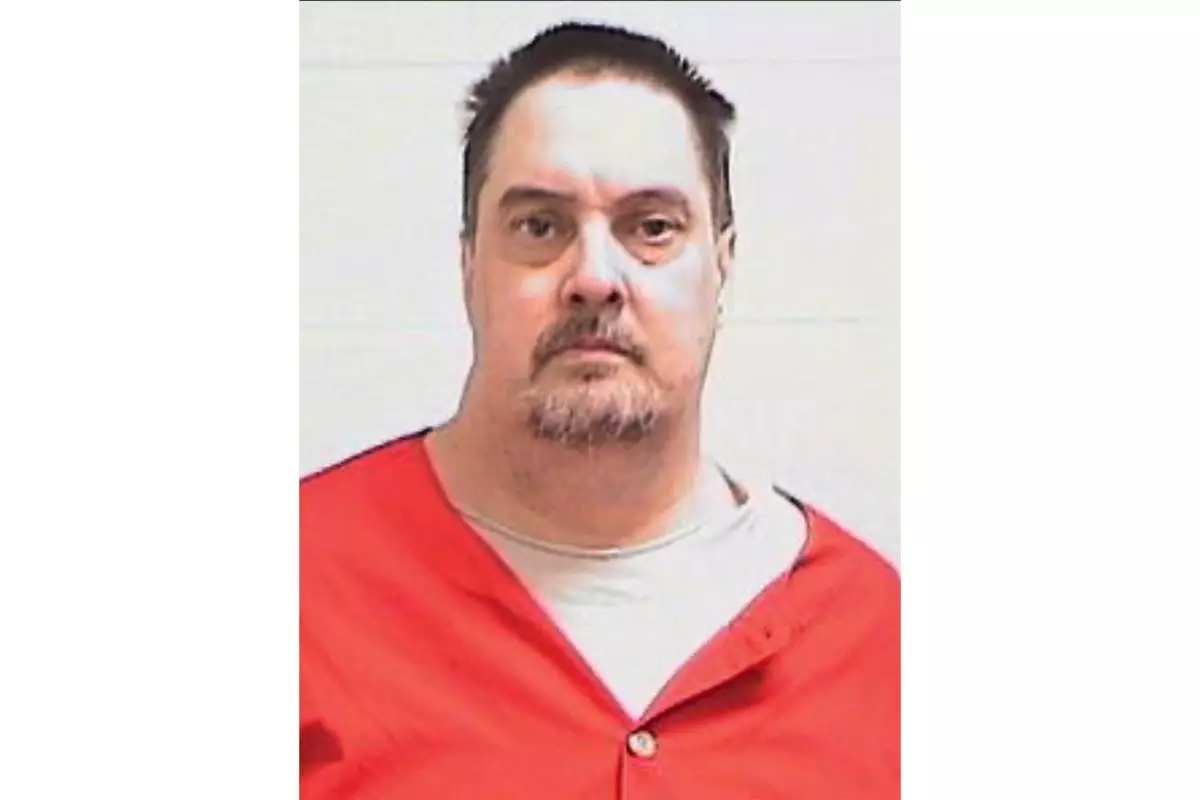
This undated photo provided by the Indiana Department of Correction shows Roy Lee Ward, who was convicted in the 2001 rape and murder of 15-year-old Stacy Payne. (Indiana Department of Correction via AP)
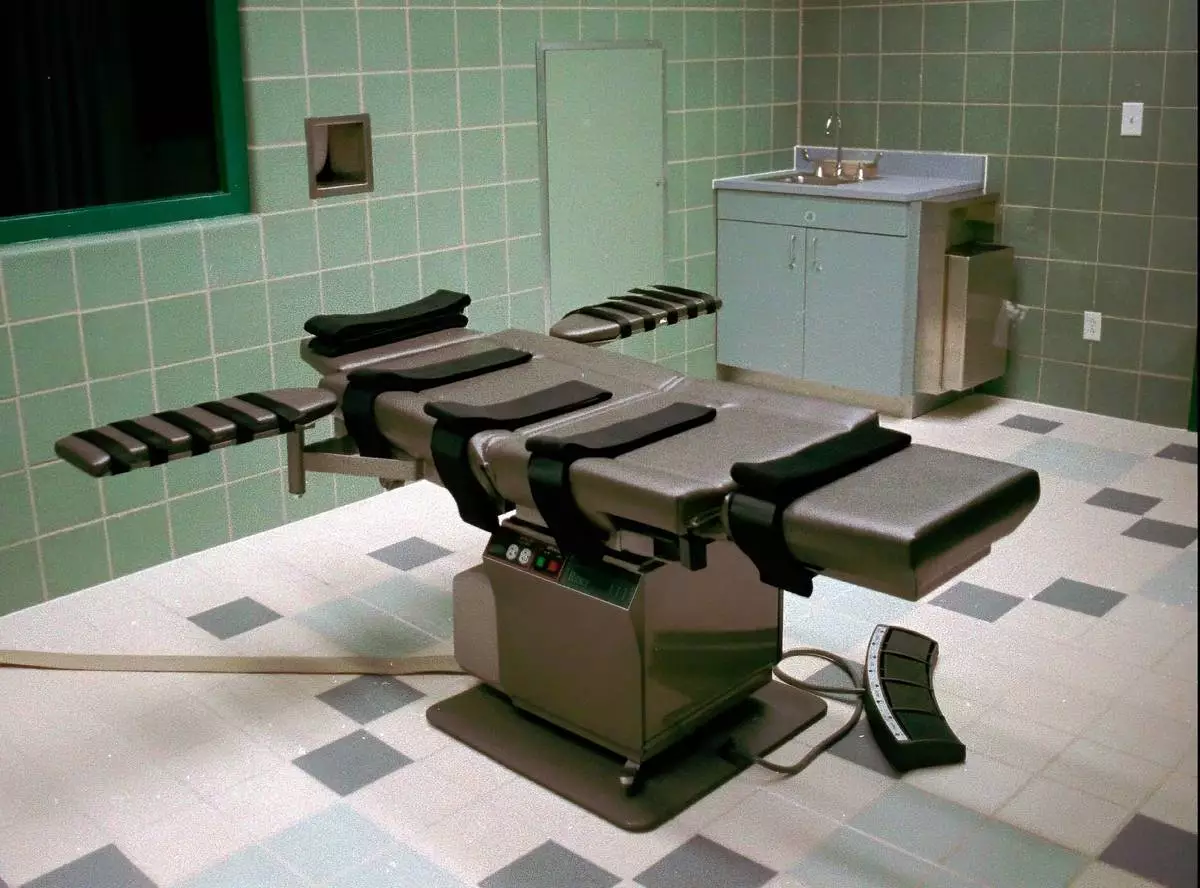
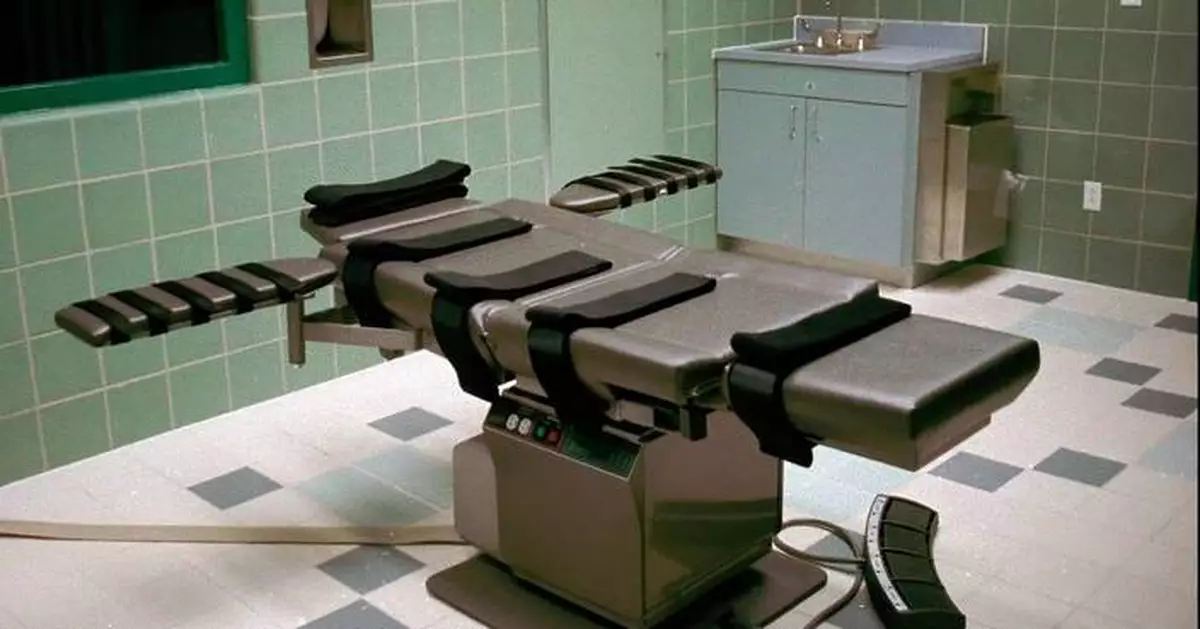
FILE - The interior of the U.S. Penitentiary execution room is seen March 22, 1995, in Terre Haute, Ind. (AP Photo/Chuck Robinson, File)
MINNEAPOLIS (AP) — President Donald Trump on Thursday threatened to invoke the Insurrection Act and deploy troops to quell persistent protests against the federal officers sent to Minneapolis to enforce his administration's massive immigration crackdown.
The president's threat comes a day after a federal immigration officer shot and wounded a Minneapolis man who had attacked the officer with a shovel and broom handle. That shooting further heightened the fear and anger radiating across the Minnesota city since an Immigration and Customs Enforcement agent fatally shot a Renee Good in the head.
Trump has repeatedly threatened to invoke the rarely used federal law to deploy the U.S. military or federalize the National Guard for domestic law enforcement, over the objections of state governors.
“If the corrupt politicians of Minnesota don’t obey the law and stop the professional agitators and insurrectionists from attacking the Patriots of I.C.E., who are only trying to do their job, I will institute the INSURRECTION ACT, which many Presidents have done before me, and quickly put an end to the travesty that is taking place in that once great State,” Trump said in social media post.
The Associated Press has reached out to the offices of Gov. Tim Walz and Minneapolis Mayor Jacob Frey for comment.
The Department of Homeland Security says it has made more than 2,000 arrests in the state since early December and is vowing to not back down. ICE is a DHS agency.
In Minneapolis, smoke filled the streets Wednesday night near the site of the latest shooting as federal officers wearing gas masks and helmets fired tear gas into a small crowd. Protesters responded by throwing rocks and shooting fireworks.
Police Chief Brian O’Hara said during a news conference that the gathering was an unlawful assembly and “people need to leave.”
Things later quietened down and by early Thursday only a few demonstrators and law enforcement officers remained at the scene.
Demonstrations have become common on the streets of Minneapolis since the ICE agent fatally shot 37-year-old Good on Jan. 7. Agents have yanked people from their cars and homes, and have been confronted by angry bystanders demanding that the officers pack up and leave.
Minneapolis Mayor Jacob Frey described the situation as not “sustainable.”
“This is an impossible situation that our city is presently being put in and at the same time we are trying to find a way forward to keep people safe, to protect our neighbors, to maintain order,” he said.
Frey said the federal force — five times the size of the city’s 600-officer police force — has “invaded” Minneapolis, scaring and angering residents.
In a statement describing the events that led to Wednesday's shooting, Homeland Security said federal law enforcement officers stopped a driver from Venezuela who is in the U.S. illegally. The person drove away and crashed into a parked car before taking off on foot, DHS said.
After officers reached the person, two other people arrived from a nearby apartment and all three started attacking the officer, according to DHS.
“Fearing for his life and safety as he was being ambushed by three individuals, the officer fired a defensive shot to defend his life,” DHS said.
The two people who came out of the apartment are in custody, it said.
O’Hara said the man shot was in the hospital with a non-life-threatening injury.
The shooting took place about 4.5 miles (7.2 kilometers) north of where Good was killed. O’Hara's account of what happened largely echoed that of Homeland Security.
During a speech before the latest shooting, Walz described Minnesota as being in chaos, saying what's happening in the state “defies belief.”
“Let’s be very, very clear, this long ago stopped being a matter of immigration enforcement,” he said. “Instead, it’s a campaign of organized brutality against the people of Minnesota by our own federal government.”
Jonathan Ross, the Immigration and Customs Enforcement officer who killed Good, suffered internal bleeding to his torso during the encounter, a Homeland Security official told The Associated Press.
The official spoke to AP on condition of anonymity in order to discuss Ross’ medical condition. The official did not provide details about the severity of the injuries, and the agency did not respond to questions about the extent of the bleeding, exactly how he suffered the injury, when it was diagnosed or his medical treatment.
Good was killed after three ICE officers surrounded her SUV on a snowy street a few blocks from her home.
Bystander video shows one officer ordering Good to open the door and grabbing the handle. As the vehicle begins to move forward, Ross, standing in front, raises his weapon and fires at least three shots at close range. He steps back as the SUV advances and turns.
Homeland Security Secretary Kristi Noem has said Ross was struck by the vehicle and that Good was using her SUV as a weapon — a self-defense claim that has been criticized by Minnesota officials.
Chris Madel, an attorney for Ross, declined to comment.
Good’s family has hired the same law firm that represented George Floyd’s family in a $27 million settlement with Minneapolis. Floyd, who was Black, died after a white police officer pinned his neck to the ground in the street in May 2020.
Madhani reported from Washington, D.C. Associated Press reporters Julie Watson in San Diego; Rebecca Santana in Washington; Ed White in Detroit and Giovanna Dell’Orto in Minneapolis contributed.
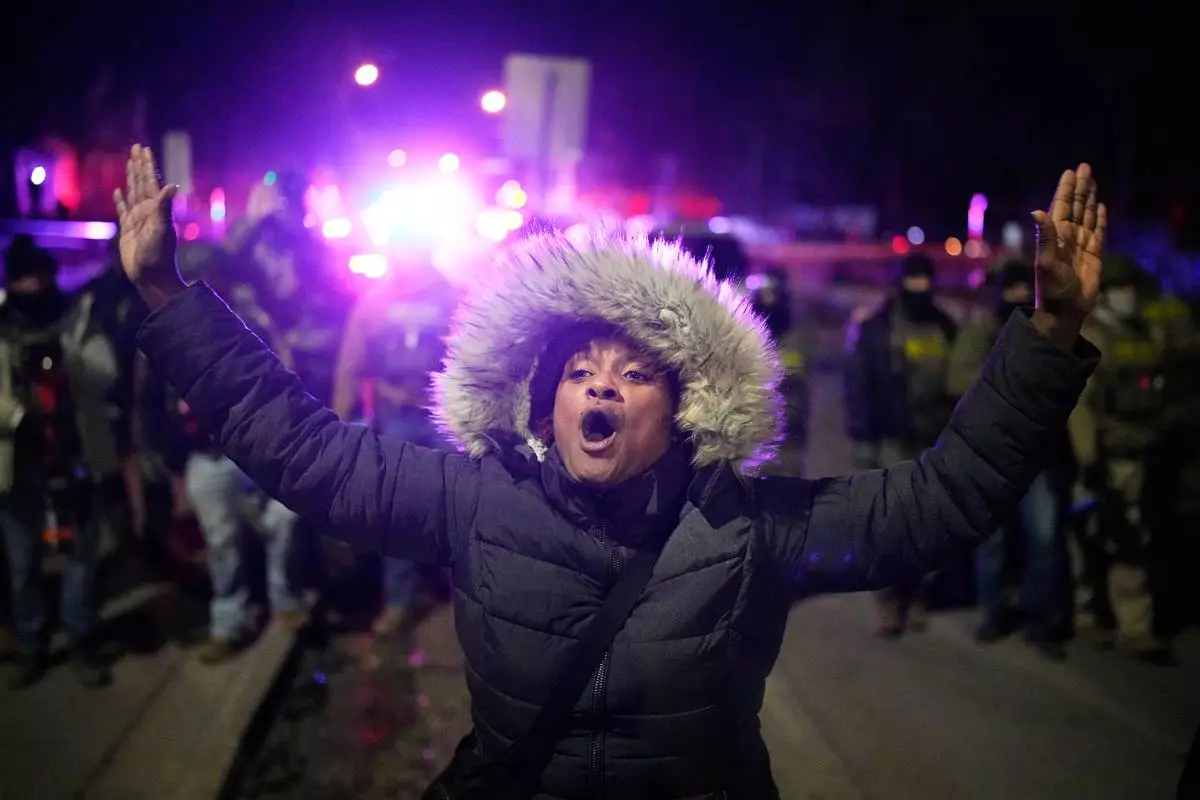
A protester yells in front of law enforcement after a shooting on Wednesday, Jan. 14, 2026, in Minneapolis. (AP Photo/John Locher)
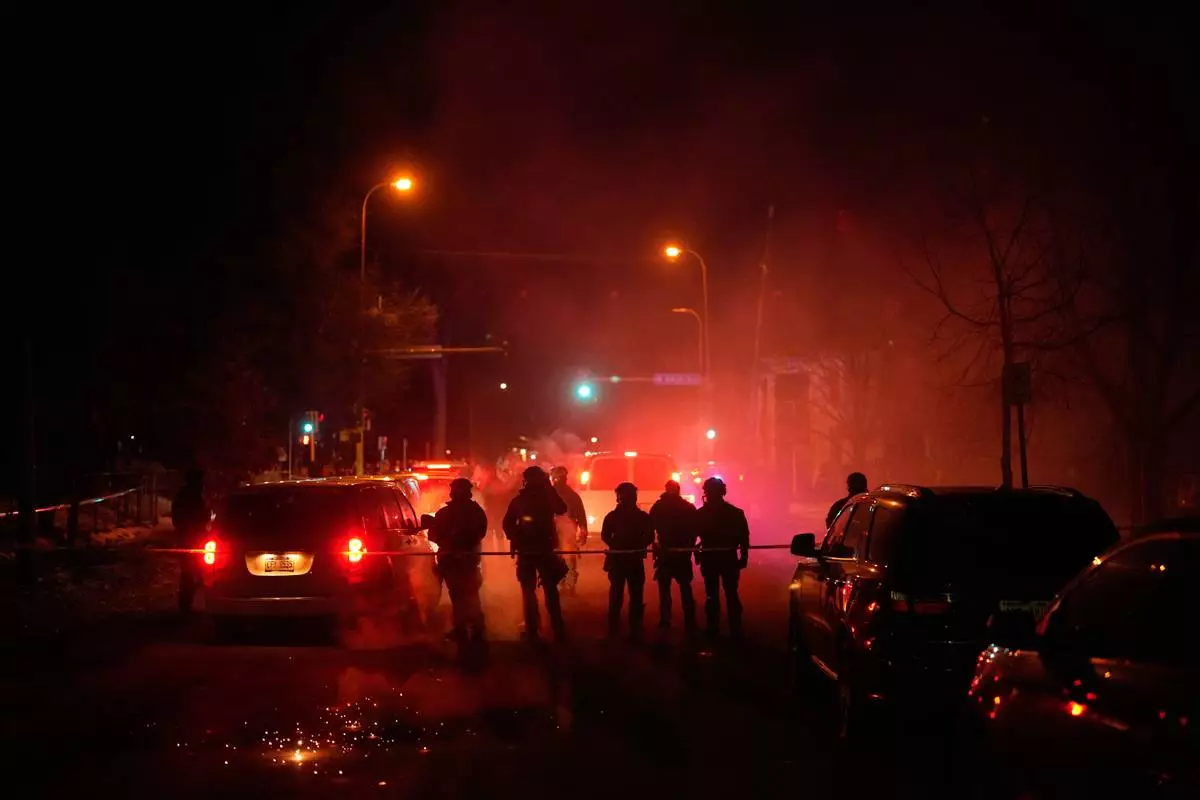
Tear gas surrounds federal law enforcement officers as they leave a scene after a shooting on Wednesday, Jan. 14, 2026, in Minneapolis. (AP Photo/John Locher)
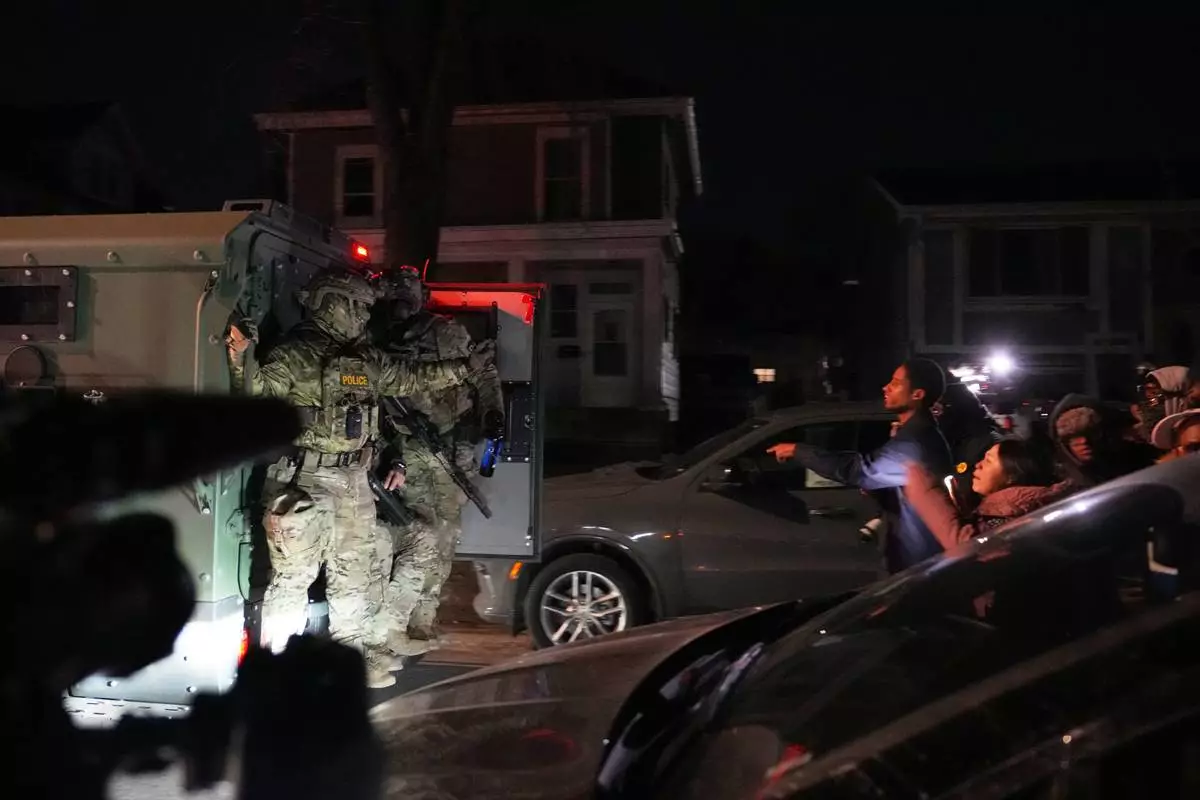
Protesters shout at law enforcement officers after a shooting on Wednesday, Jan. 14, 2026, in Minneapolis. (AP Photo/Abbie Parr)
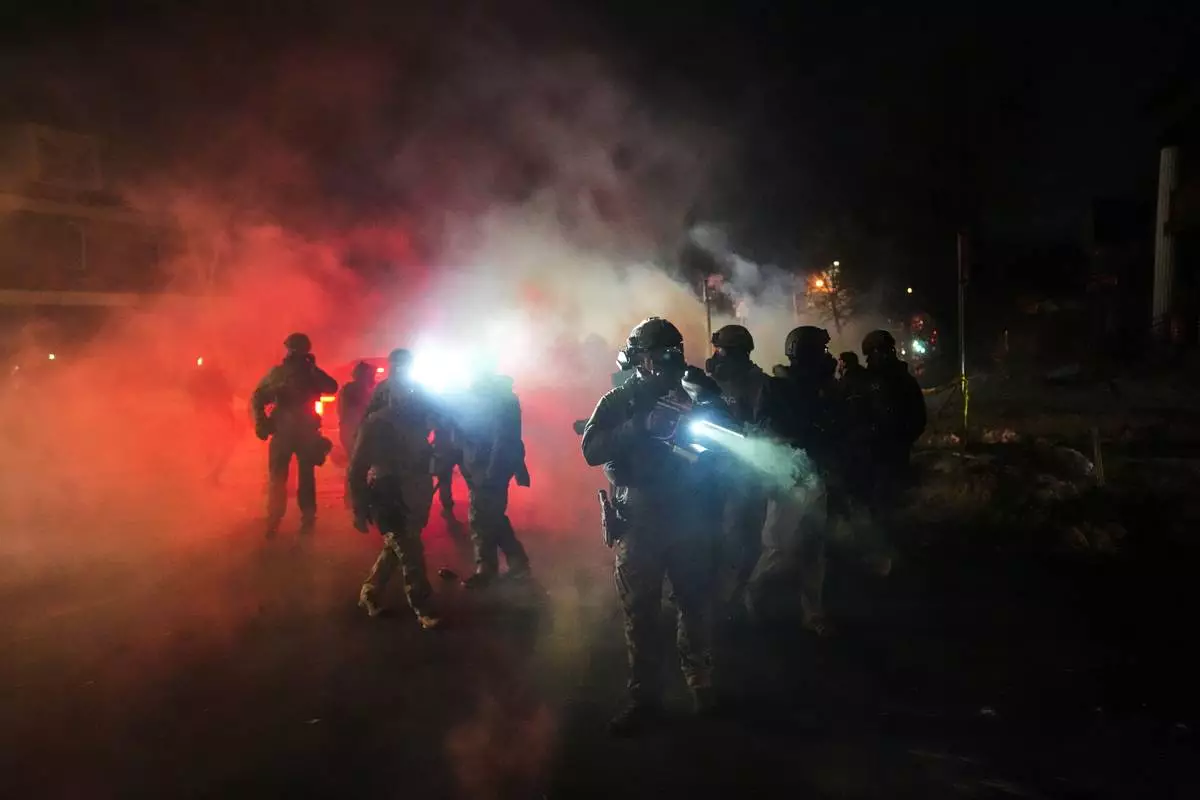
Law enforcement officers stand amid tear gas at the scene of a reported shooting Wednesday, Jan. 14, 2026, in Minneapolis. (AP Photo/Adam Gray)