CINCINNATI--(BUSINESS WIRE)--Oct 10, 2025--
Fifth Third (NASDAQ: FITB) is opening more doors for homeowners than ever — with smarter mortgage solutions, faster processes, and a customer-first mindset. In 2025 alone, the Bank has originated over $5.2 billion in mortgages, ranking among the top 45 lenders nationally and the top 15 banks. Already a top ten mortgage servicer in the U.S., Fifth Third has increased market share in 90% of its key markets in 2025 — and continues to accelerate its strength and scale in mortgage banking. As Fifth Third prepares for its next chapter of growth, mortgage continues to serve as a cornerstone of customer relationships and regional expansion.
Click to Gallery
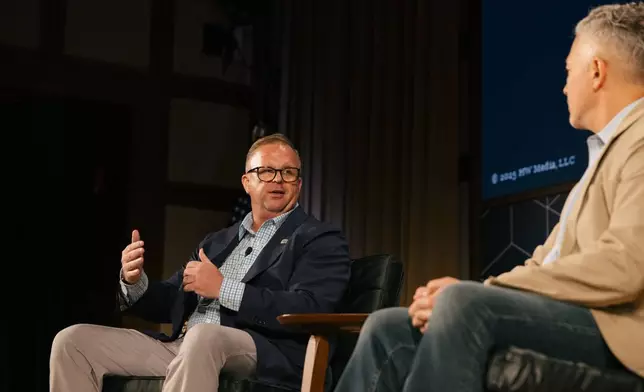
James Sias, Head of Mortgage Lending and Indirect Dealer Services at Fifth Third, speaking at HousingWire's Mortgage Banking Summit. Photography by Wes Ellis.
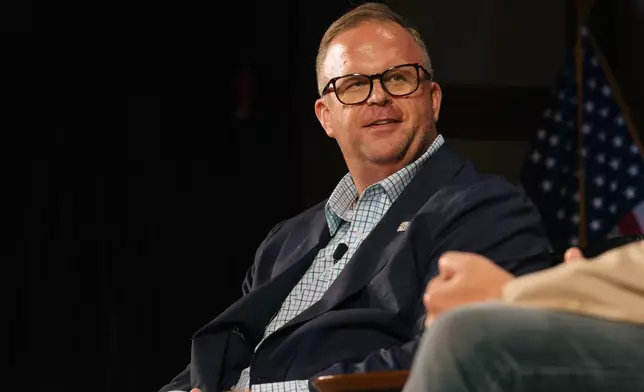
James Sias, Head of Mortgage Lending and Indirect Dealer Services, onstage at the HousingWire Mortgage Banking Summit. Photography by Wes Ellis.
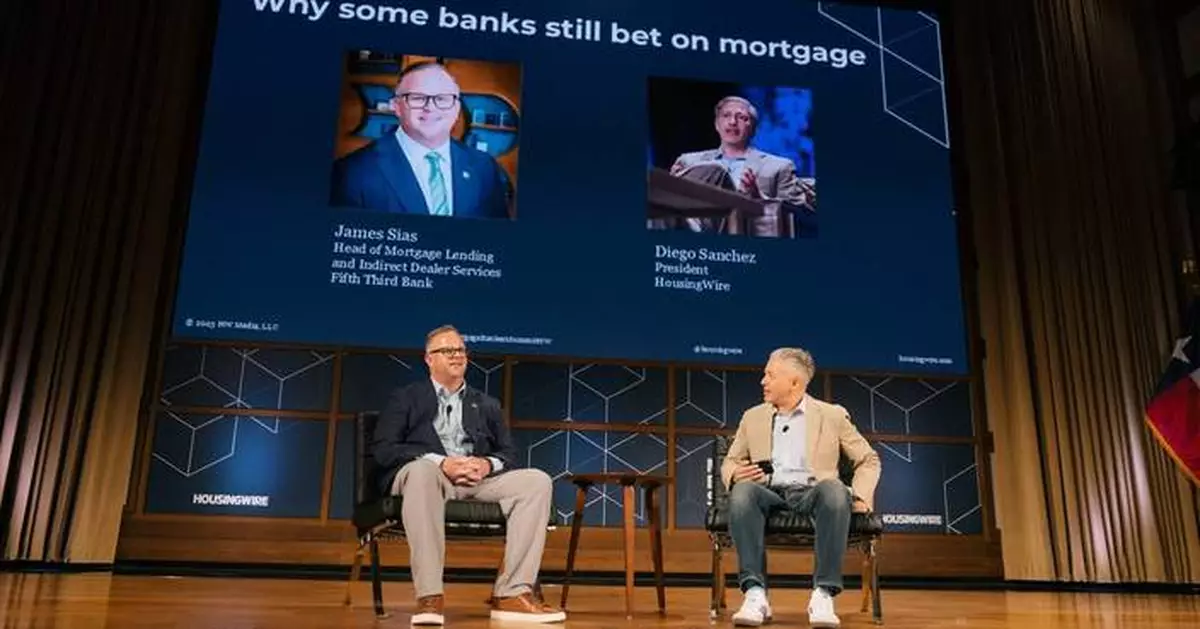
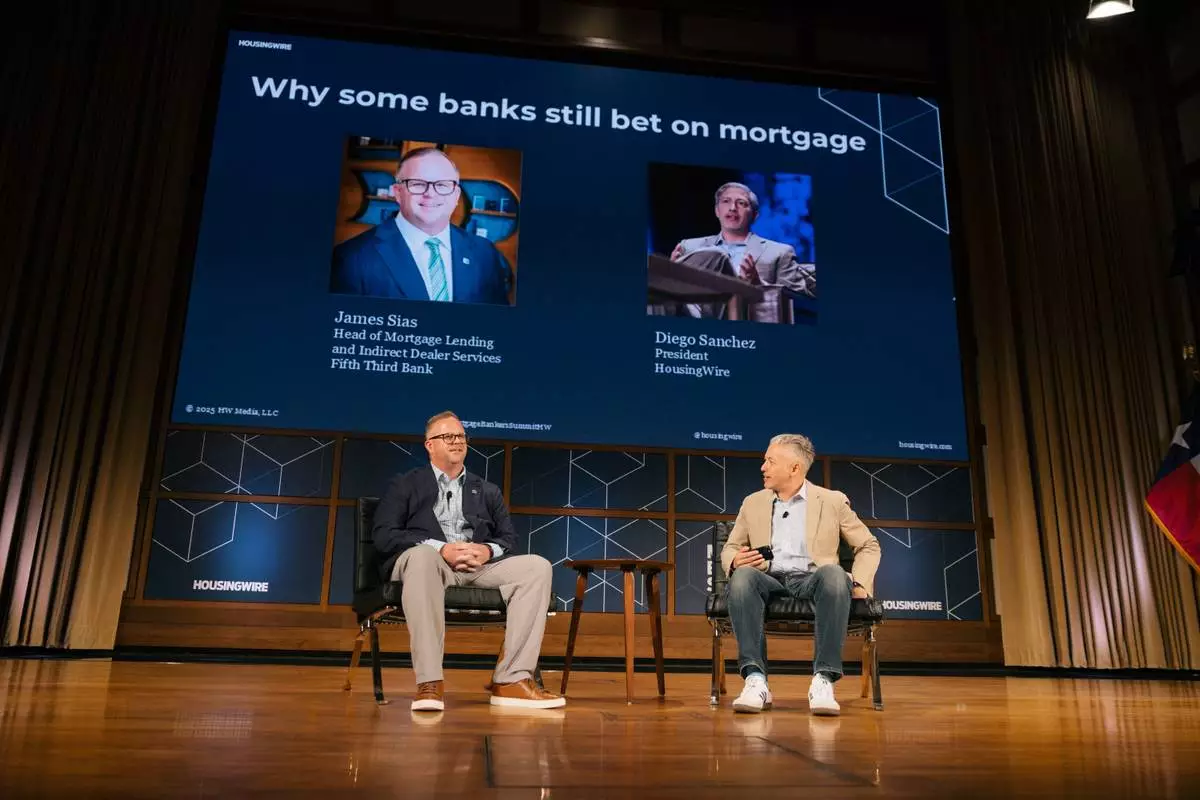
James Sias, Head of Mortgage Lending and Indirect Dealer Services at Fifth Third onstage with Diego Sanchez, President of HW Media, at HousingWire's Mortgage Banking Summit. Photography by Wes Ellis.
This press release features multimedia. View the full release here: https://www.businesswire.com/news/home/20251010141802/en/
This week, at HousingWire’s inaugural Mortgage Banking Summit, James Sias, Head of Mortgage Lending and Indirect Dealer Services, remarked: “Mortgage isn’t just a product — it’s the ultimate relationship builder. It’s how we become the one bank our customers most value and trust for life.”
Fifth Third’s commitment to mortgage is backed by data. According to Fifth Third’s internal analysis of new mortgage originations from 2019 through 2023, new households with mortgages are 24% more likely to stay with the Bank than similar checking-only households. In the most recent 2023–2024 cohort, that advantage grew to 31%, reinforcing mortgage as a powerful anchor in the customer relationship.
Fifth Third’s focus on building deep, long-lasting customer relationships — with essential products, personnel, and customer experiences — is driving sustainable organic growth. As Fifth Third expands, particularly across the South, mortgages have helped attract, retain and deepen new households. Over the past 24 months, the Bank has attracted hundreds of millions in incremental deposits through its mortgage relationship pricing program, while advising customers holistically across their full financial picture. The Bank is actively hiring Mortgage Loan Officers in new markets and currently offers more than 35 mortgage products tailored to a wide range of income levels, credit profiles, and geographies.
Fifth Third’s relationship approach to mortgages further evolved under the leadership of Jay Plum. In 2023, Jay Plum was named Head of Consumer Lending and brought in industry veterans James Sias, Chad Powers, and Martin Muff to lead the next chapter of mortgage, home equity and servicing. Plum’s customer-centric philosophy, that “every mortgage customer is a family, not a file,” has taken root across the organization, inspiring new first-time homebuyer education programs, more personalized service, and affordable lending solutions designed to reduce friction and build customer confidence.
“What drew me to Fifth Third wasn’t just where it was — but where it could go,” said Plum. “I saw the potential to build on a solid foundation and help shape something exceptional — and that’s exactly what we’re doing. With the momentum we’ve built and the opportunities ahead, we’re excited about what’s next.”
Under Plum’s leadership, the Bank grew mortgage volume 16% from 2023 to 2024, with a 39% increase in retail and direct. Customer satisfaction also climbed, with internal Net Promoter Scores consistently ranging from 74-83 over the last six months.
Beyond traditional lending, Fifth Third is also innovating in home equity and estate planning. In 2025, demand for Fifth Third’s home equity lending products has been extraordinary, with year-over-year volume up 60%. Fifth Third is also a leader in equitable housing, offering free wills to help families protect their homes and preserve generational wealth. Through its innovative Neighborhood Program, Fifth Third has invested nearly $255 million in economic development across ten neighborhoods — catalyzing transformative change and leading to more housing opportunities across the Bank’s footprint.
At Fifth Third, mortgage isn’t just a business — it’s a key pillar in building life-long banking relationships and helping customers realize their dreams of homeownership.
About Fifth Third
Fifth Third is a bank that’s as long on innovation as it is on history. Since 1858, we’ve been helping individuals, families, businesses and communities grow through smart financial services that improve lives. Our list of firsts is extensive, and it’s one that continues to expand as we explore the intersection of tech-driven innovation, dedicated people and focused community impact. Fifth Third is one of the few U.S.-based banks to have been named among Ethisphere’s World’s Most Ethical Companies ® for several years. With a commitment to taking care of our customers, employees, communities and shareholders, our goal is not only to be the nation’s highest performing regional bank, but to be the bank people most value and trust.
Fifth Third Bank, National Association is a federally chartered institution. Fifth Third Bancorp is the indirect parent company of Fifth Third Bank and its common stock is traded on the NASDAQ ® Global Select Market under the symbol "FITB." Investor information and press releases can be viewed at www.53.com. Deposit and credit products provided by Fifth Third Bank, National Association. Member FDIC.
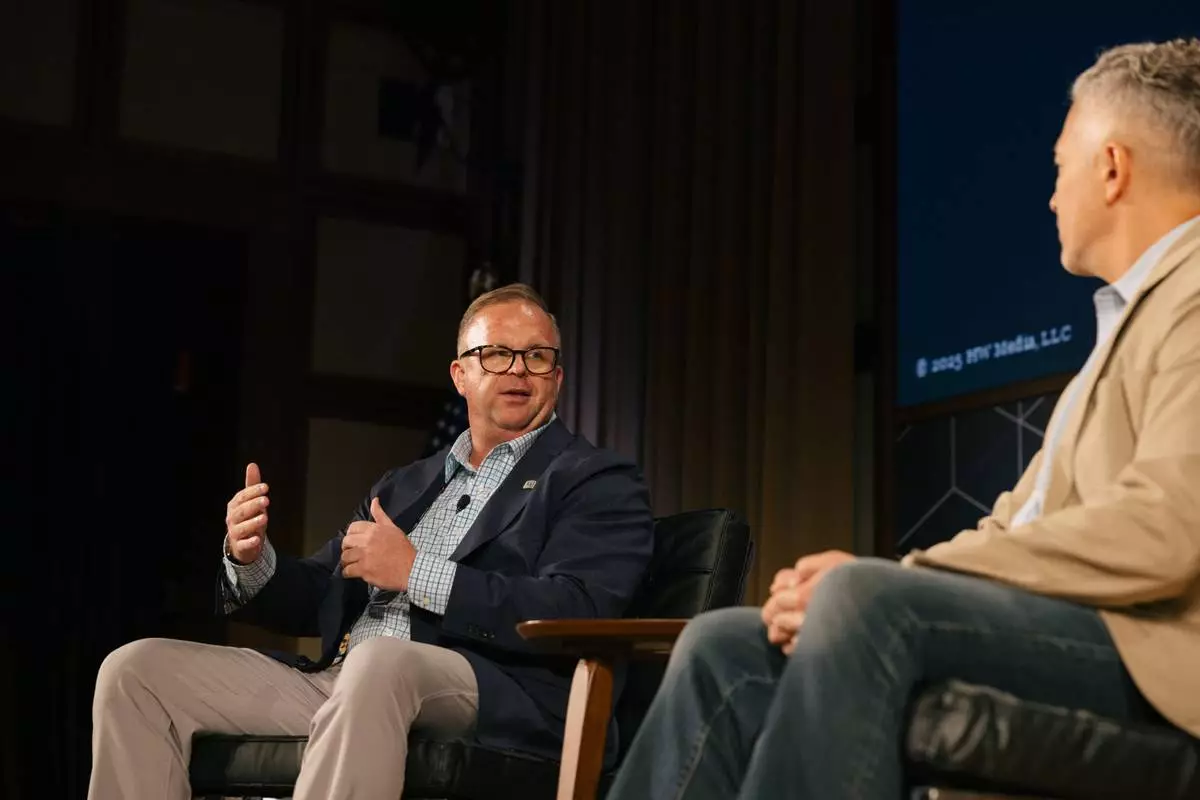
James Sias, Head of Mortgage Lending and Indirect Dealer Services at Fifth Third, speaking at HousingWire's Mortgage Banking Summit. Photography by Wes Ellis.
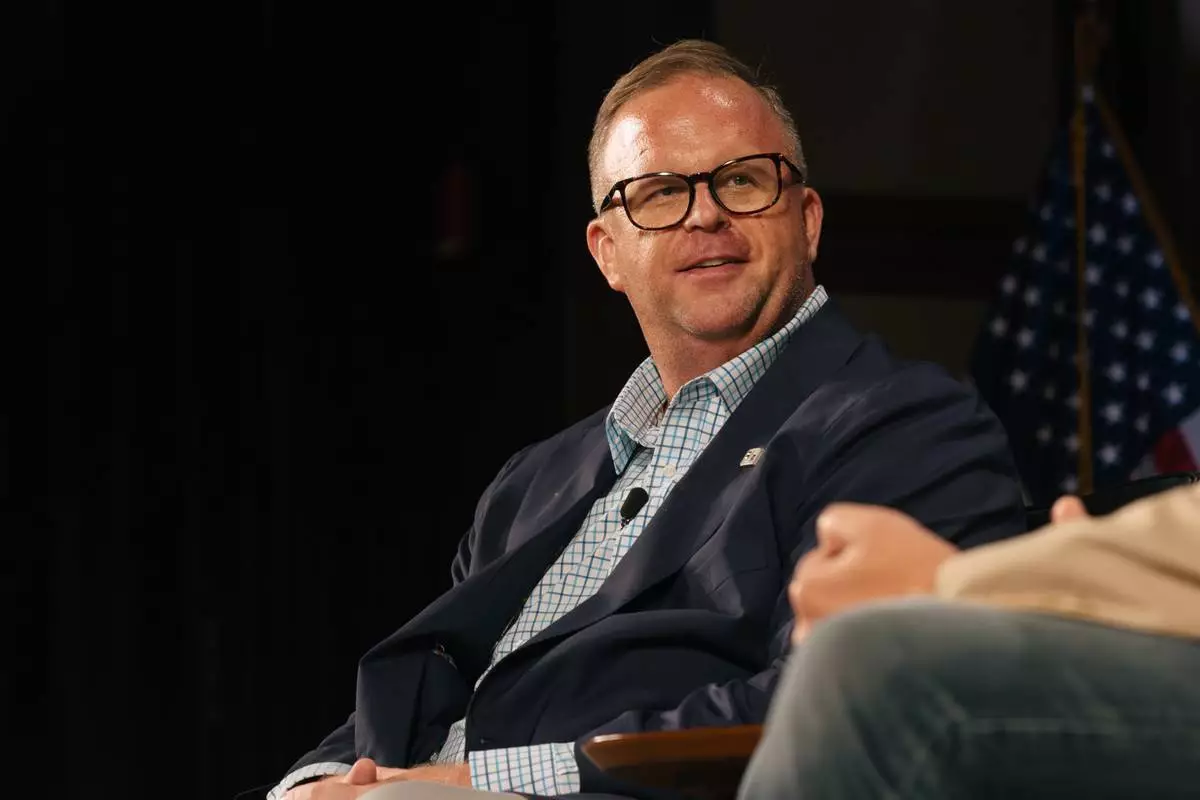
James Sias, Head of Mortgage Lending and Indirect Dealer Services, onstage at the HousingWire Mortgage Banking Summit. Photography by Wes Ellis.
James Sias, Head of Mortgage Lending and Indirect Dealer Services at Fifth Third onstage with Diego Sanchez, President of HW Media, at HousingWire's Mortgage Banking Summit. Photography by Wes Ellis.