CHP investigates case of methanol poisoning
The Centre for Health Protection (CHP) of the Department of Health (DH) is today (October 10) investigating a case of methanol poisoning and appealed to members of the public not to purchase and consume alcohol from doubtful sources.
The CHP received notification from the Hospital Authority (HA) today of a case involving an 86-year-old male who was a chronic drinker and presented with visual loss in mid-September. He sought medical attention and was hospitalised for management. He is currently in stable condition. Clinical and laboratory examination revealed elevated serum methanol level, and abnormal serum and urine formic acid (a metabolite of methanol) levels. The clinical diagnosis was methanol poisoning.
The Hong Kong Poison Control Centre of the HA having evaluated the patient's clinical and laboratory results and believed that the patient might have ingested or been exposed to methanol. Consumption of alcohol containing methanol could not be excluded. The CHP has immediately conducted a home visit today with the HA and Centre for Food Safety of the Food and Environmental Hygiene Department to look for possible sources of methanol exposure. The investigation is ongoing.
The CHP has reminded the HA to heighten vigilance to poisoning symptoms in patients seeking treatment recently in public hospitals. No other cases of methanol poisoning have been found so far.
According to CHP's records, only one case of methanol poisoning was notified to the CHP in the past five years. The case occurred in 2024 and involved a 47-year-old ship crew member who presented with visual loss after consuming a self-prepared mixture of wine and hand rub.
The DH reminded the public that methanol is a toxic alcohol which is not intended for ingestion. Consumption of methanol can lead to damage to the central nervous system, blindness, or even death.
Members of the public are reminded not to purchase and consume alcohol from doubtful sources and to attend hospital for medical attention immediately if they suspect methanol poisoning.

Source: AI-found images
Hong Kong Customs detects drug trafficking case involving incoming passenger at airport
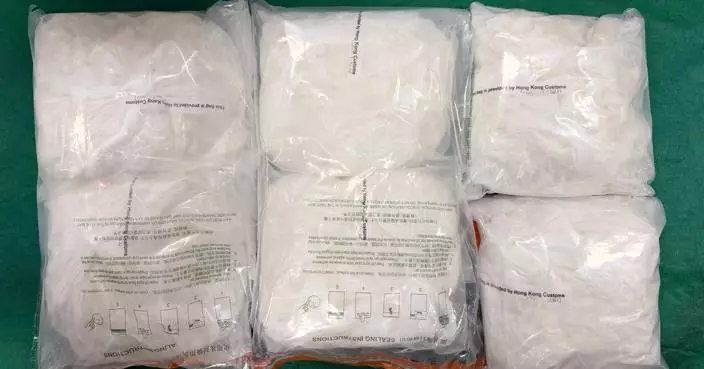
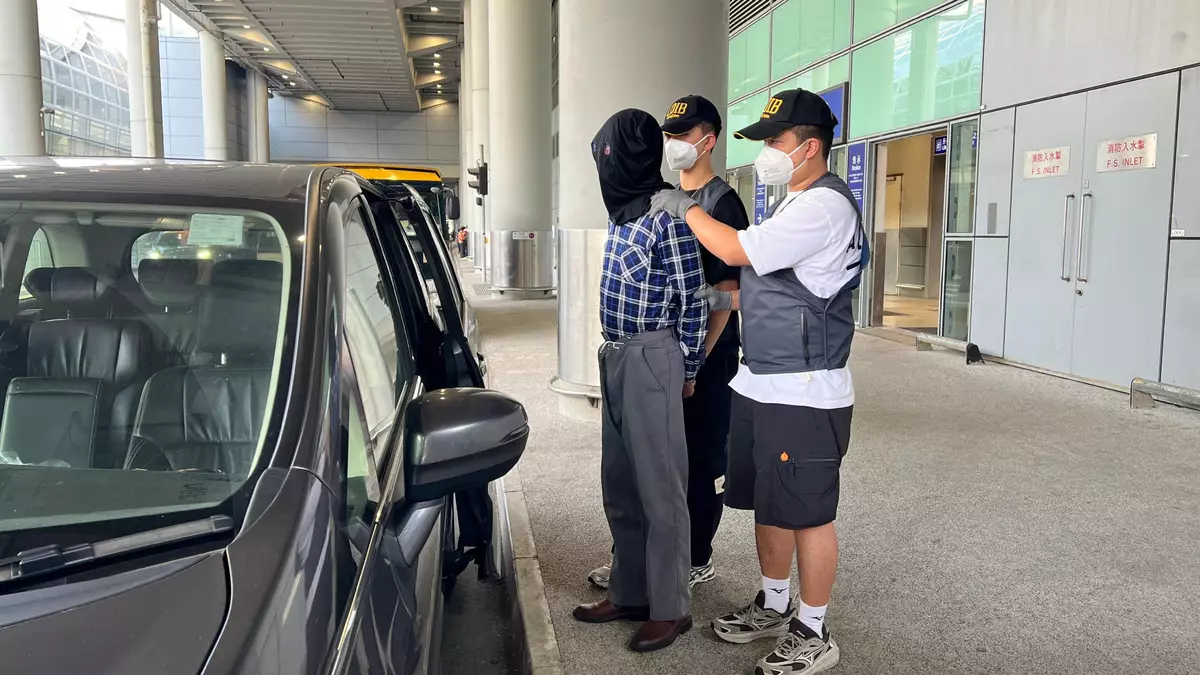
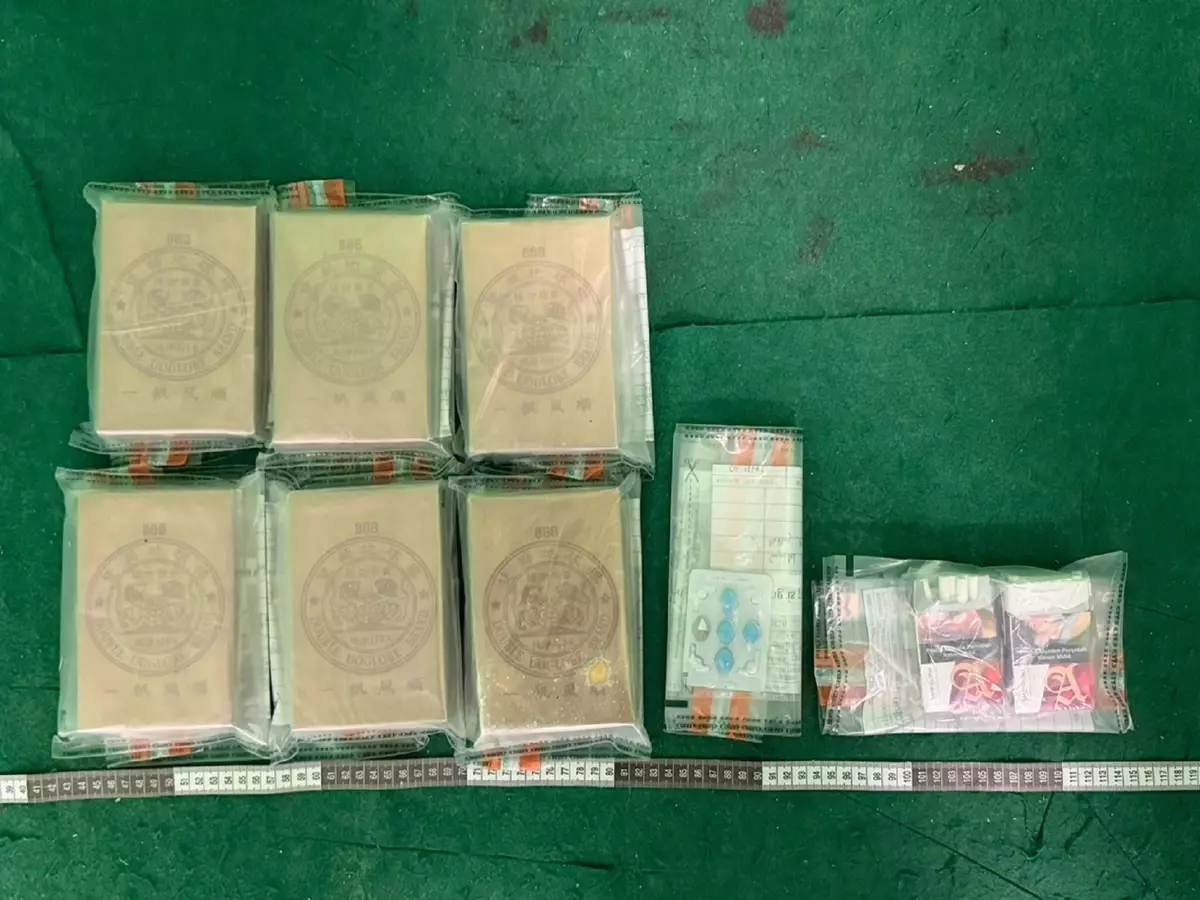
Hong Kong Customs yesterday (May 9) detected a drug trafficking case involving passenger at Hong Kong International Airport and seized about 2.25 kilograms of suspected heroin, four tablets of suspected Viagra and 26 sticks of duty-not-paid cigarette, with a total estimated market value of about $1.4 million. A man was arrested.
A 61-year-old male passenger arrived in Hong Kong from Kuala Lumpur, Malaysia yesterday. During customs clearance, Customs officers found a total of about 2.25 kg of suspected heroin in his check-in suitcase, and four tablets of suspected Viagra and 26 sticks of duty-not-paid cigarette in his carry-on backpack. The man was subsequently arrested.
The arrested person has been charged with one count of trafficking in a dangerous drug, one count of possession of Part 1 poison, one count of possession of dutiable goods and one count of failing to declare to a member of the Customs and Excise Service the possession of dutiable goods. The case will bebrought up at the West Kowloon Magistrates' Courts tomorrow (May 11).
Customs will continue to step up enforcement against drug trafficking activities through intelligence analysis. The department also reminds members of the public to stay alert and not participate in drug trafficking activities for monetary return. They must not accept hiring or delegation from another party to carry controlled items into and out of Hong Kong. They are also reminded not to carry unknown items for other people.
Customs will continue to apply a risk assessment approach and focus on selecting passengers from high-risk regions for clearance to combat transnational drug trafficking activities.
Under the Dangerous Drugs Ordinance, trafficking in a dangerous drug is a serious offence. The maximum penalty upon conviction is a fine of $5 million and life imprisonment.
Under the Pharmacy and Poisons Ordinance, any person who possesses any poison included in Part 1 of the Poisons List other than in accordance with provisions commits an offence. The maximum penalty upon conviction is a fine of $100,000 and imprisonment for two years.
Under the Dutiable Commodities Ordinance, any person who imports, possesses, sells or buys dutiable commodities without a valid licence commits an offence. The maximum penalty upon conviction is a fine of $1 million and imprisonment for two years.
Members of the public may report any suspected drug trafficking activities to Customs' 24-hour hotline 182 8080 or its dedicated crime-reporting email account (crimereport@customs.gov.hk) or online form (eform.cefs.gov.hk/form/ced002).
Hong Kong Customs detects drug trafficking case involving incoming passenger at airport Source: HKSAR Government Press Releases
Hong Kong Customs detects drug trafficking case involving incoming passenger at airport Source: HKSAR Government Press Releases