A line of trucks carrying sugar, toilet paper and other vital supplies was observed by a China Media Group (CMG) reporter on Monday snaking away from the Kerem Shalom crossing, the primary gateway to Gaza in the region's southeastern part, following the start of a truce which took effect on Oct 10, with Israel promising unimpeded humanitarian access.
Yet, despite the apparent flow, a complex and lengthy inspection process means aid is trickling in far too slowly to meet the immense needs of the war-torn enclave.
According to footage filmed by the CMG reporter, the route to this critical transit point passes through Israel's Re'im military base, where Israeli military vehicles can be seen.
Under the ceasefire agreement between Israel and Hamas -- which includes the withdrawal of Israeli troops and the release of detainees -- increasing humanitarian aid is a key requirement. The Kerem Shalom crossing, which reopened on May 8 under international pressure after being closed for security reasons, now serves as the main channel for relief supplies.
At a waiting area for aid trucks, Israeli military and police forces have withdrawn, but aid vehicles are still subject to security checks. While media access to the inspection area is restricted, sources confirm that procedures remain stringent. Each truck must undergo multiple rounds of unloading and examination, making the passage process slow and arduous.
According to a UN plan, 170,000 tons of food, medicine and other aid should enter Gaza within 60 days of the truce. Achieving this would require hundreds of additional trucks daily, along with a weekly supply of at least 1.9 million liters of fuel. However, the Hamas-run government media office in Gaza reported that by October 12, only 173 aid trucks had entered, including three with gas and six with diesel, far below the required volume.
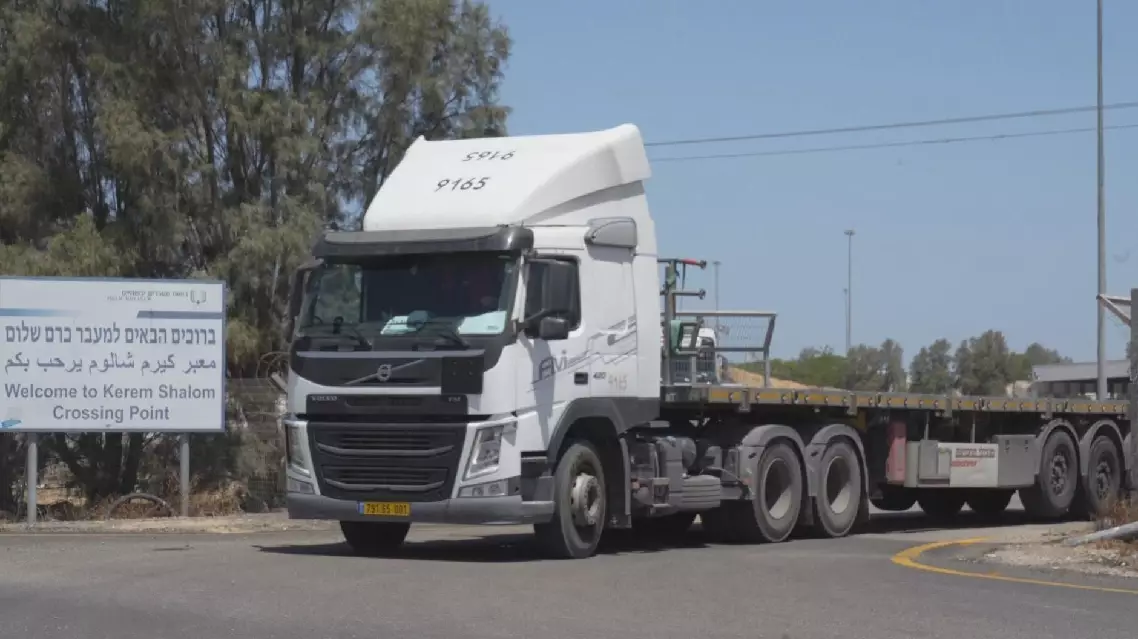
Truce takes effect in Gaza, aid flow under scrutiny at Kerem Shalom Crossing
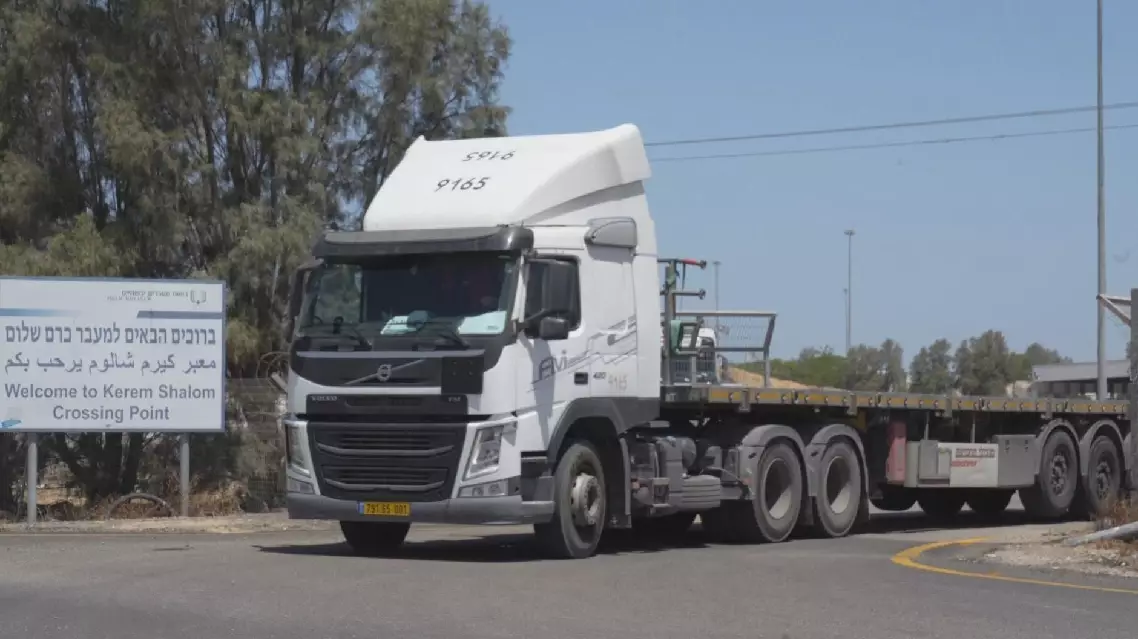
Truce takes effect in Gaza, aid flow under scrutiny at Kerem Shalom Crossing
Voting for the election of the eighth-term Legislative Council (LegCo) of China's Hong Kong Special Administrative Region (HKSAR) concluded on Sunday night.
Voting for the election began at 07:30 a.m. local time on Sunday. More than 600 polling stations were opened across Hong Kong, serving approximately 4.13 million registered voters.
Long queues had already formed outside multiple polling stations across Hong Kong before the polls opened. At polling station entrances, staff and volunteers attentively assisted voters with the procedures. Some voters posed for a photo holding a thank-you card given by staff after casting their ballot.
"As a Hong Kong citizen, I think it's my responsibility to vote, and I don't want to give up my rights. That's why I come here to support," a voter said.
"We actually flew in from Thailand. Learning today is a special day to vote, we actually canceled all our appointments and canceled everything, and we flew in with the whole family just to be part of Hong Kong and to vote, and to cast our vote and be part of the community," said another voter.
HKSAR Chief Executive John Lee cast his ballot at around 08:30 a.m. at Raimondi College on Robinson Road. He said that the LegCo election is of great importance to Hong Kong's overall development and future reforms, and it also represents the expectations of Hong Kong society.
A number of voters said they look forward to the new term of the Legislative Council taking greater responsibility in advancing Hong Kong's economy, society, and public welfare.
"I think an area of focus I'd like to see is, one is the economy, and secondly is youth mobility and youth policies. I think youth are the future, and it's very important to get unity within the youth and also give us hope, right? The youth in general -- what can we do to, for us as youth, to partake in civil society and to show our responsibility, but also from the government, like, what kind of policy that can help us do that as well," said a young voter.
"I hope that there will be more fair education in the sense that even people from the poor family, they can actually receive good education in good schools," another voter said.
The new term of LegCo will be composed of 90 members, including 40 elected by the Election Committee, 30 elected by functional constituencies, and 20 elected by geographical constituencies through direct elections.
The eighth-term LegCo of the HKSAR will commence its four-year term on Jan 1, 2026.
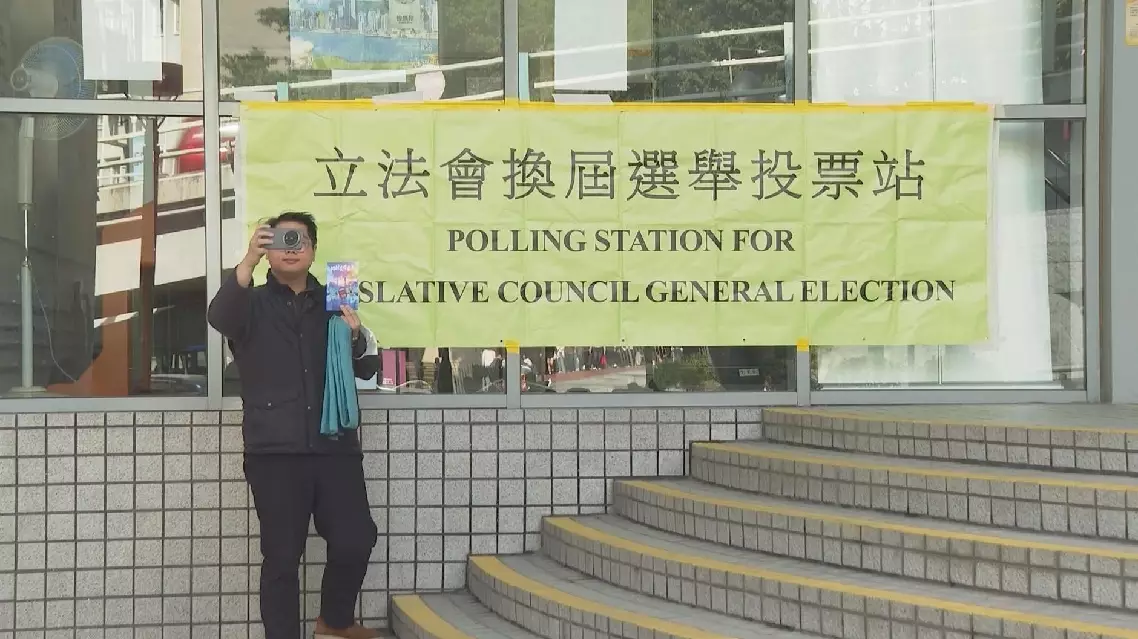
Voting for 8th-term HKSAR LegCo election concludes