BOGOTA, Colombia (AP) — The United Nations warned that mercury contamination from illegal gold mining in Colombia’s Atrato River basin has created a “serious and ongoing human rights crisis,” threatening the health and survival of Indigenous and Afro-descendant communities who depend on the river for food, water and culture.
In a letter made public on Tuesday, three U.N. Human Rights Council special rapporteurs raised concerns with the Colombian government about insufficient compliance with a 2016 Constitutional Court ruling that recognized the Atrato River as a legal entity with rights to protection and restoration.
Click to Gallery
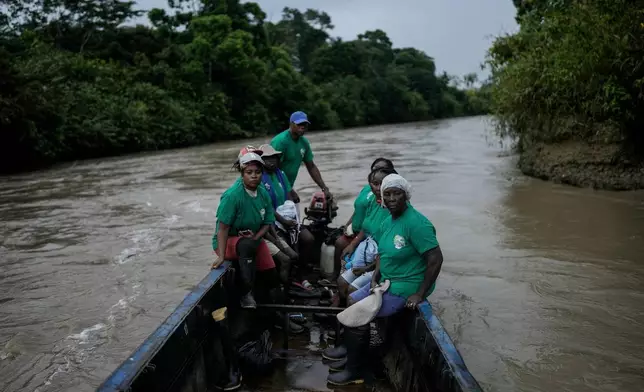
FILE - A group of women, part of Asociacion Nuestra Casa Comun, or Our Community House Association, go by boat to an area destroyed by illegal mining, on the Quito River, the Atrato River's main tributary, near Paimado, Colombia, Sept. 24, 2024. (AP Photo/Ivan Valencia, File)
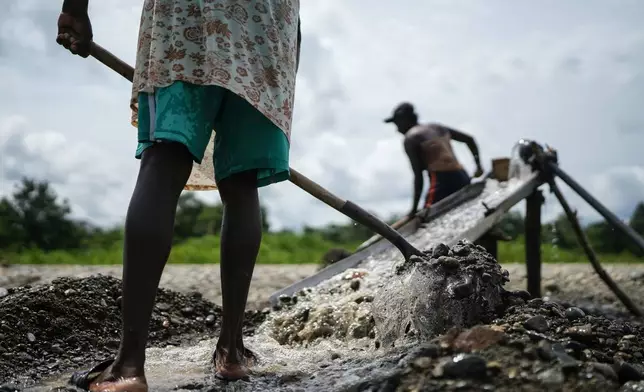
FILE - Small-scale miners look for gold at the Atrato River, in Dona Josefa, Colombia, Sept. 26, 2024. (AP Photo/Ivan Valencia, File)
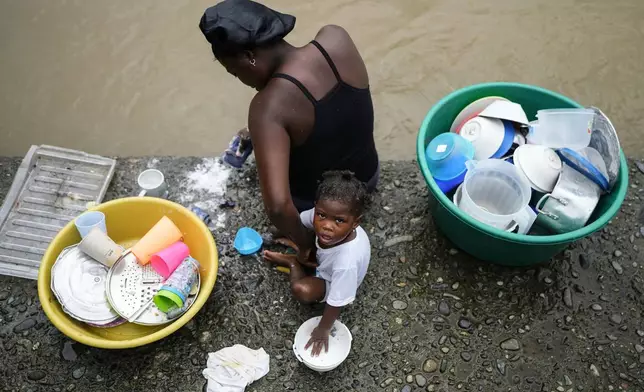
FILE - A mother and her baby wash dishes in the Atrato River, in El Arenal, Colombia, Sept. 26, 2024. (AP Photo/Ivan Valencia, File)
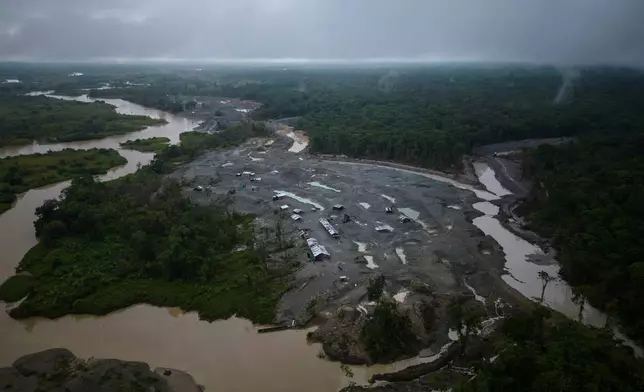
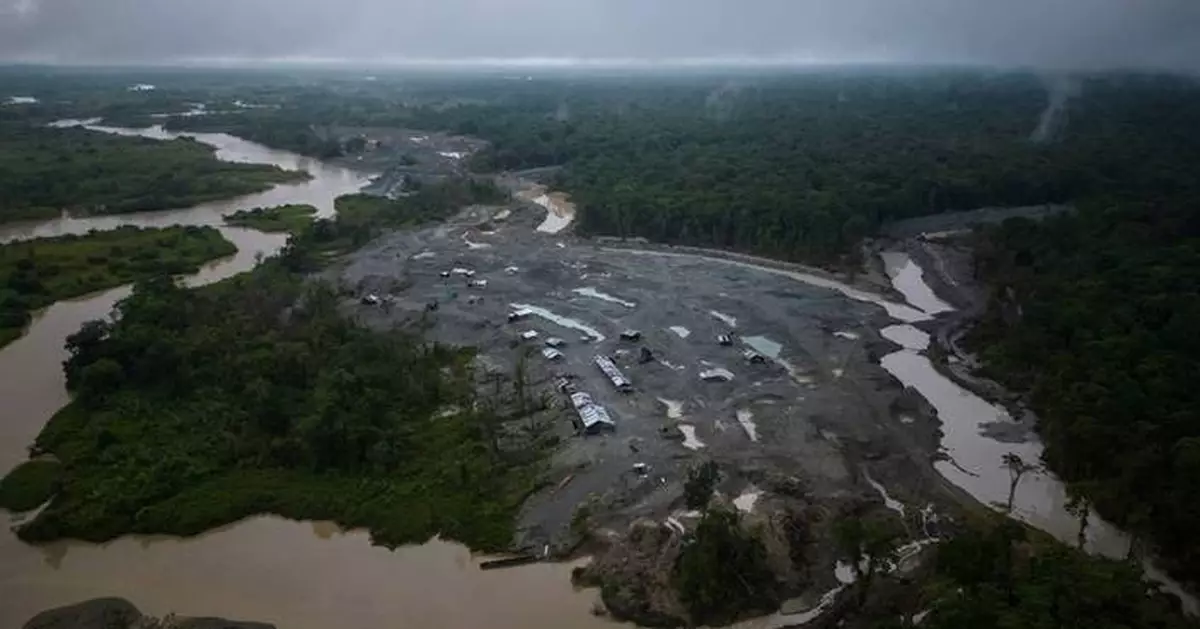
FILE - An illegal mining camp, sits along the Quito River, the Atrato River's main tributary, near Paimado, Colombia, Sept. 23, 2024. (AP Photo/Ivan Valencia, File)
“Ten years have passed and we have seen that there has been insufficient implementation and compliance with the terms of that decision,” Marcos Orellana, the U.N. special rapporteur on toxics and human rights, told The Associated Press. “A big part of the problem stems from the presence of organized crime — smuggling mercury, smuggling gold, and corruption in military and police forces.”
The Atrato River, one of Colombia’s largest waterways, winds nearly 500 miles from the western Andes to the Caribbean Sea through the lush jungles of Choco, one of the country’s most biodiverse yet impoverished regions. It’s home to predominantly Afro-Colombian and Indigenous communities that rely on fishing and small-scale farming — livelihoods now imperiled by toxic pollution.
Illegal gold mining is now among the main drivers of deforestation and pollution across many of Latin America's Amazon regions. Soaring gold prices and weak traceability systems have fueled demand for illicitly mined gold that often slips into global supply chains. The mercury used to extract the metal has devastated wildlife — including river dolphins and fish — and contaminated the food sources of Indigenous communities in remote areas of the Amazon.
AP reporting last year showed how local residents — charged with safeguarding the river — act as watchguards of illegal mining and the health of the river, often under threat from armed groups.
Orellana said the U.N. received evidence showing that more than a third of the population in the Atrato watershed has been exposed to mercury levels exceeding World Health Organization limits. He called the situation “incredibly concerning,” citing the metal’s extreme toxicity and its ability to cause neurological damage, organ failure and developmental disorders in unborn children.
The 2016 court ruling was hailed globally as a milestone in environmental law, inspiring similar “rights of nature” initiatives elsewhere. But Orellana said political turnover, lack of funding and alleged corruption have undermined enforcement.
“Complying with a court decision requires institutional commitment over the long term,” he said. “Politics can interfere, and reality kicks in when budgets don’t follow.”
The letter — cosigned by the special rapporteur on the right to a healthy environment and the Working Group of Experts on People of African Descent — was sent to the Colombian government more than 60 days ago, Orellana said, but has not yet received a response. Under standard U.N. procedures, governments are given 60 days to reply to such communications before they are made public.
“It is my expectation that the government will reply, giving effect to its obligations under international human rights law,” he said.
Colombia’s presidential office and Environment Ministry did not immediately respond to requests for comment.
In their communication, the U.N. rapporteurs described the mercury contamination as a violation of the rights to health, life and a clean environment. They urged Colombia to take “immediate and effective” steps to curb illegal mining, clean up polluted sites and provide medical care for affected communities.
Mercury is commonly used in small-scale gold mining to separate gold from sediment, but when released into rivers it poisons fish and builds up in human tissue. Colombia banned mercury use in mining in 2018, yet enforcement remains weak — especially in conflict zones dominated by armed groups and criminal networks.
Orellana said his office has received evidence of slavery like labor, forced prostitution and displacement linked to illegal mining operations in the Atrato region.
“These forms of violence and violations of human rights accompany mercury contamination and must be treated as environmental crimes,” he said.
He urged Colombia to take a leading role in strengthening international mercury controls under the Minamata Convention on Mercury, saying current global regulations have “gaps that need to be closed” to curb cross-border trade.
Meaningful progress, Orellana added, would mean seeing a decline in the number of hectares being mined — which has increased since the 2016 ruling — and ensuring communities have access not just to testing but to specialized health care and clear guidance on how to reduce exposure.
“The human rights of victims are at stake,” he said. “International law requires states to respect and guarantee rights — not for one day or for one week, but all the time.”
The Associated Press’ climate and environmental coverage receives financial support from multiple private foundations. AP is solely responsible for all content. Find AP’s standards for working with philanthropies, a list of supporters and funded coverage areas at AP.org.
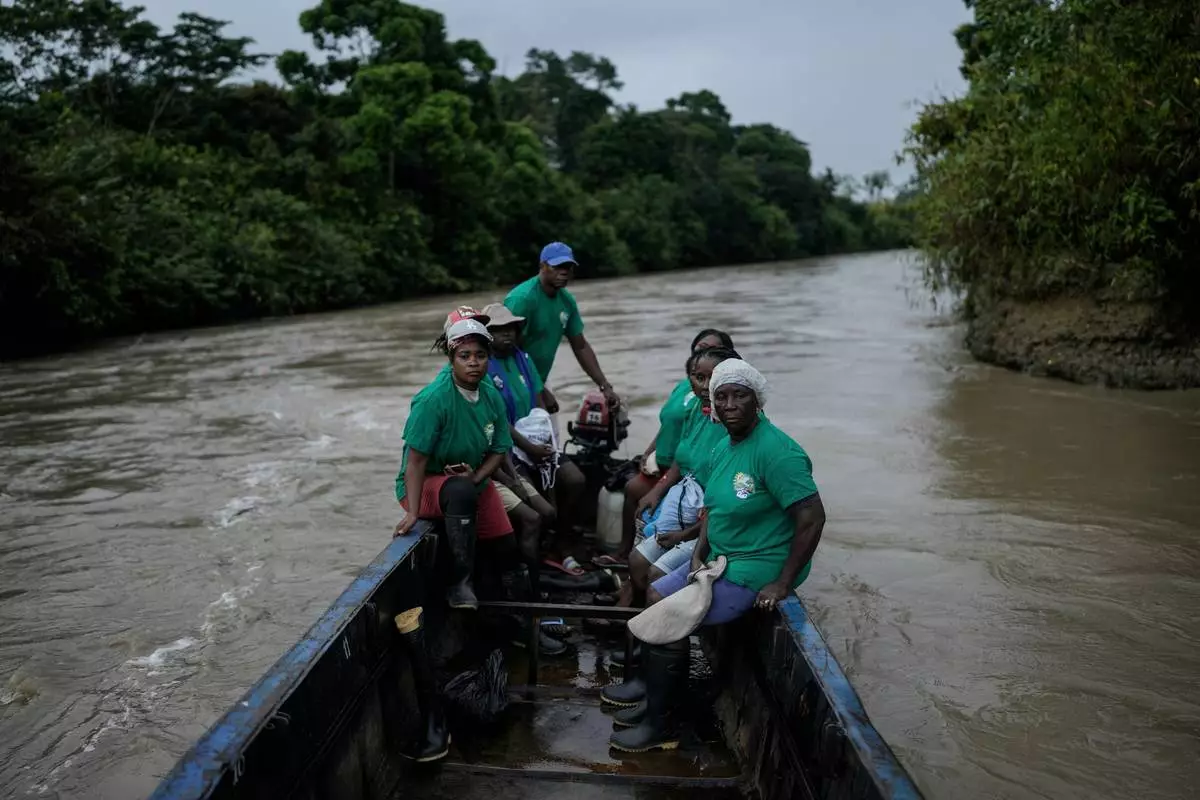
FILE - A group of women, part of Asociacion Nuestra Casa Comun, or Our Community House Association, go by boat to an area destroyed by illegal mining, on the Quito River, the Atrato River's main tributary, near Paimado, Colombia, Sept. 24, 2024. (AP Photo/Ivan Valencia, File)
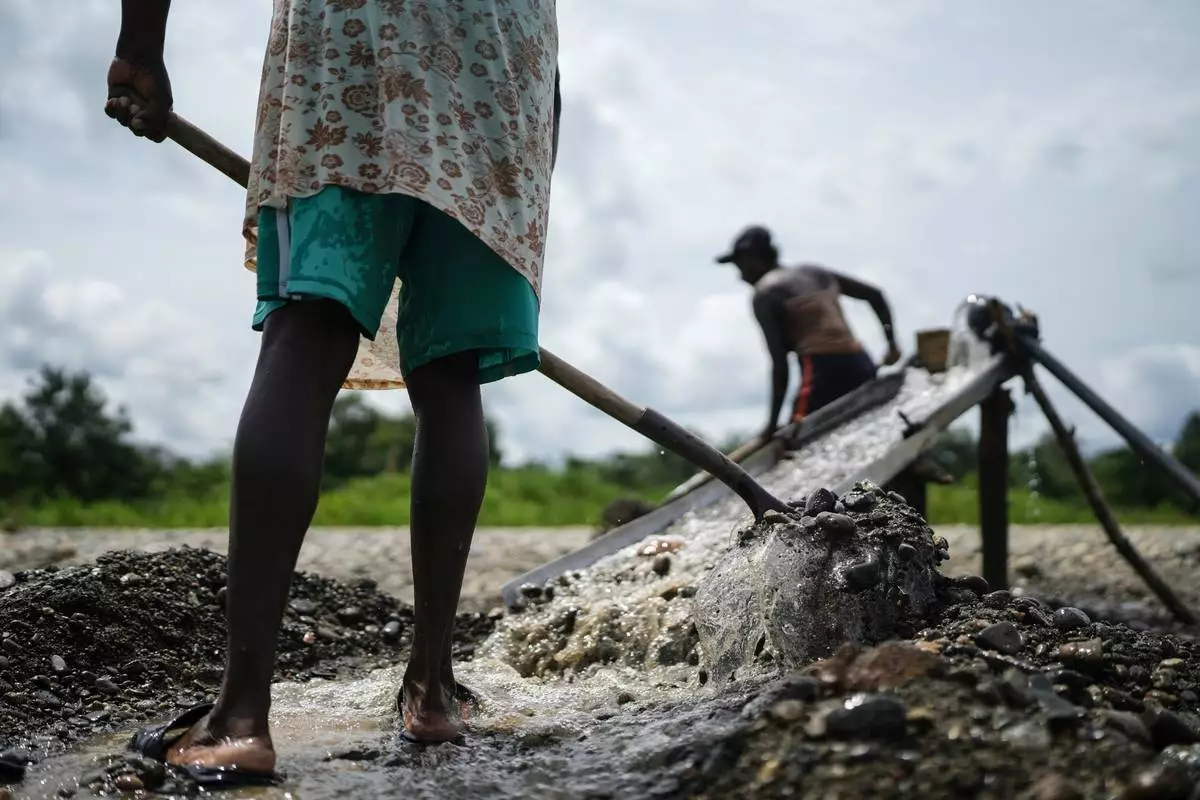
FILE - Small-scale miners look for gold at the Atrato River, in Dona Josefa, Colombia, Sept. 26, 2024. (AP Photo/Ivan Valencia, File)
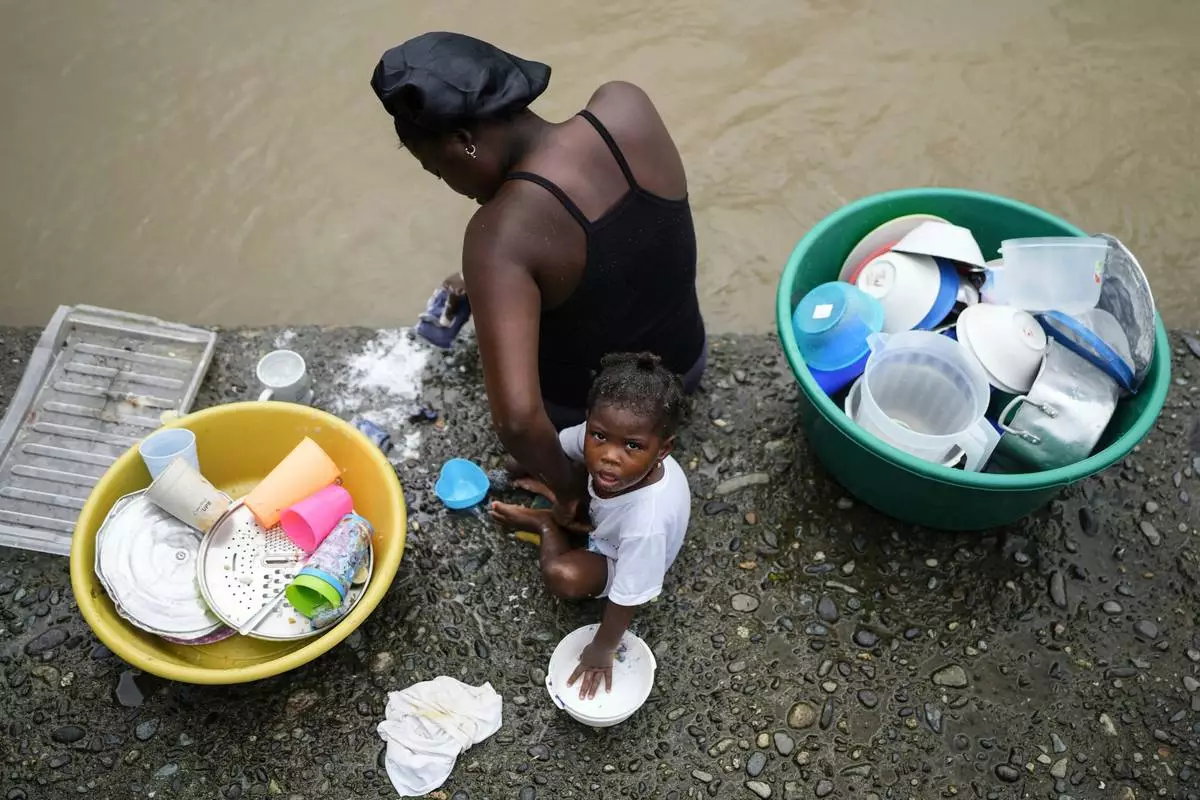
FILE - A mother and her baby wash dishes in the Atrato River, in El Arenal, Colombia, Sept. 26, 2024. (AP Photo/Ivan Valencia, File)
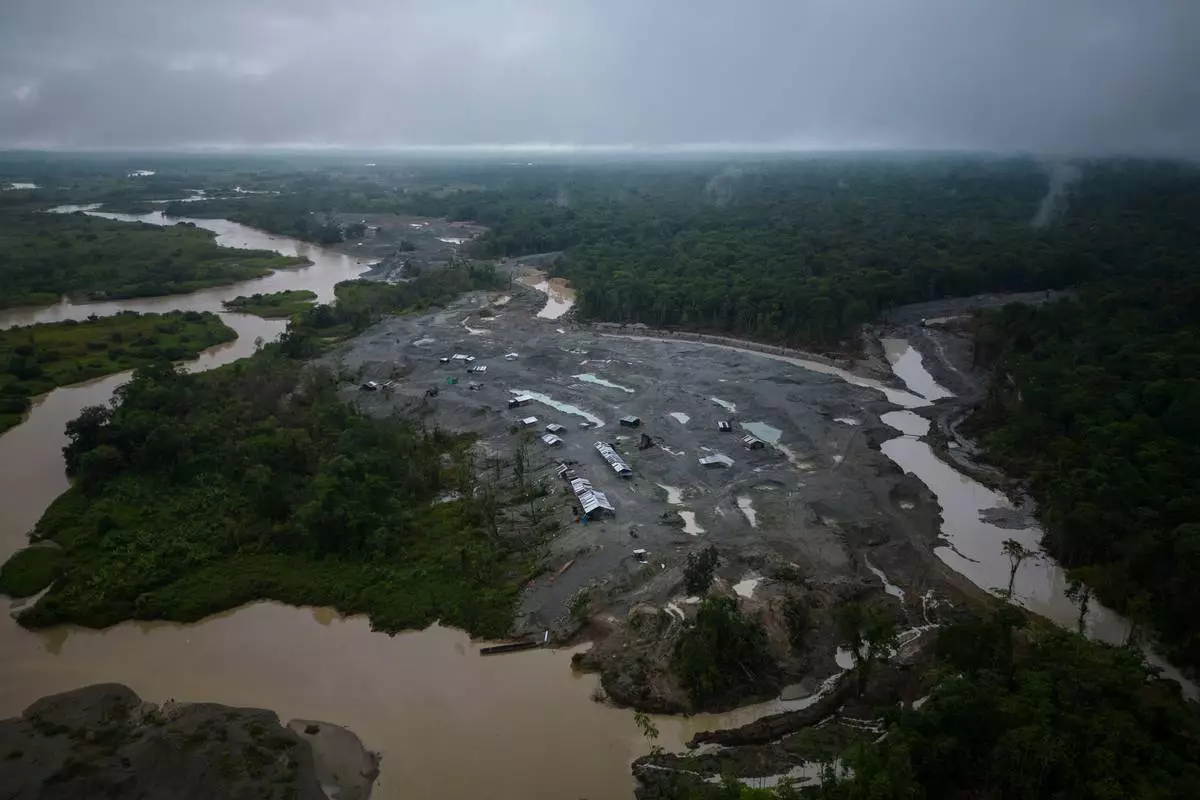
FILE - An illegal mining camp, sits along the Quito River, the Atrato River's main tributary, near Paimado, Colombia, Sept. 23, 2024. (AP Photo/Ivan Valencia, File)