Two tropical storms unleashed torrential rains and triggered landslides earlier this month in Mexico, wiping out homes and roads and causing heavy economic losses to local farmers.
The central state of Hidalgo was among the hardest-hit regions by flooding, where devastation has been widespread.
In one local home, water lines reaching half a meter high still line the walls, showing just how deep the water rose.
"It rained for about five hours straight. The water rushed into my home. The mattress was soaked, the refrigerator wrecked, and we had to throw away many clothes," said Maria, a local resident.
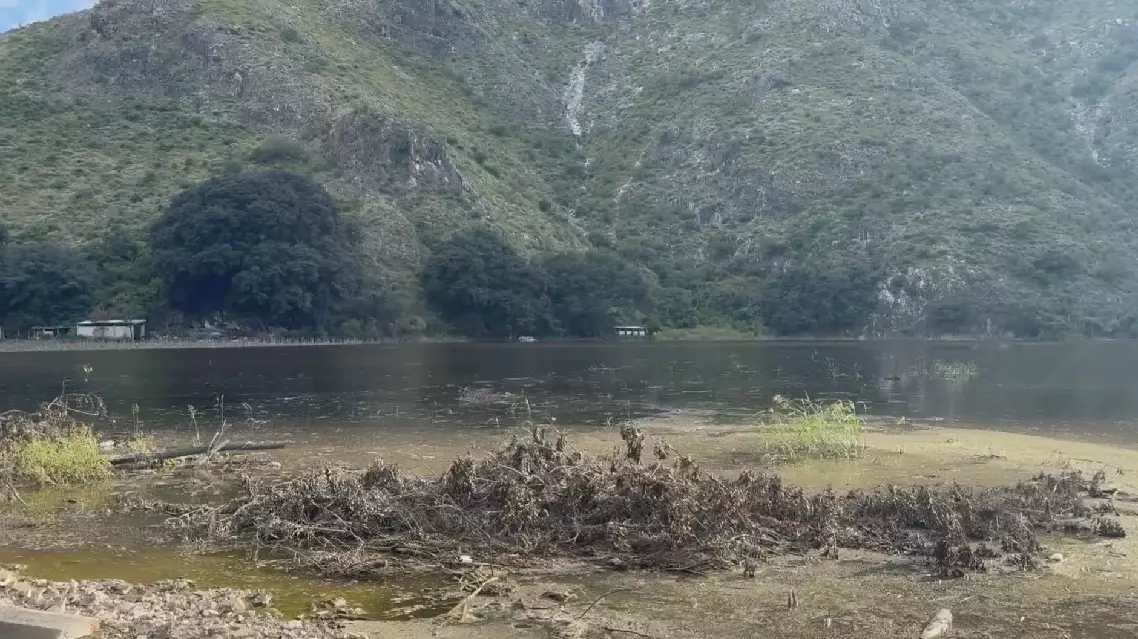
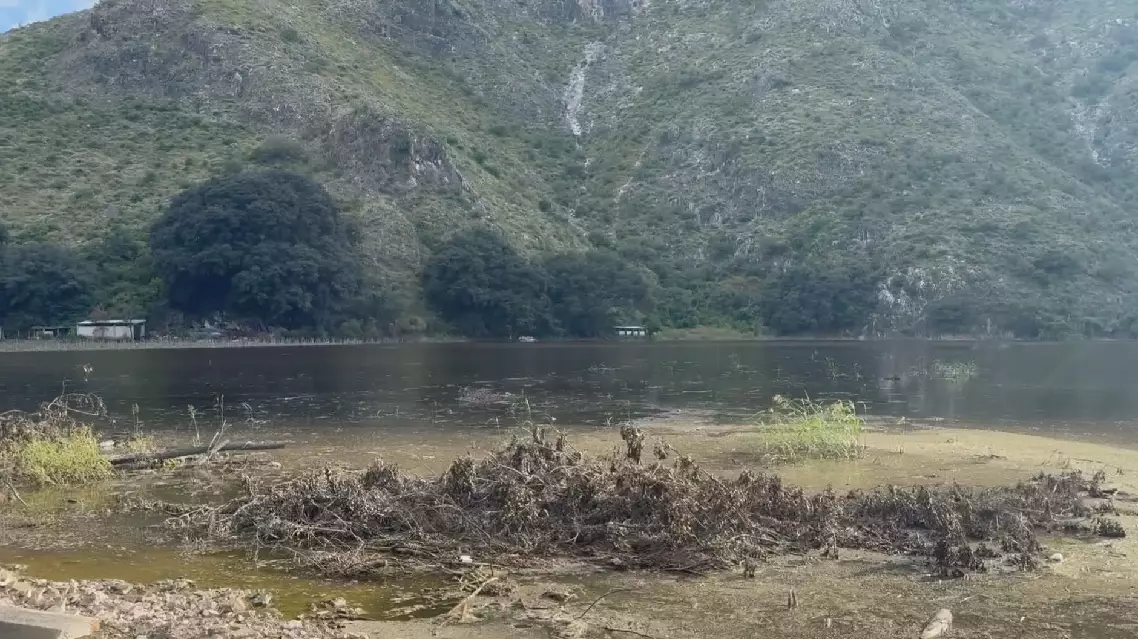
Multiple roads leading to the state are strewn with rocks, fallen tree branches, and piles of mud. Floods and landslides destroyed sections of highways and rural roads, cutting around 300 towns off from the outside world at one point.
Local rivers are also swollen with fast-flowing floodwater, as local meteorological authorities warned of more rainfall and flood damage.
"We're still very worried, because water continues to flow down. We cannot say anything for sure now, because we don't know whether there would be more flooding, or whether our homes would get flooded again," said another resident.
The floods have also damaged upwards of 20,000 hectares of farmland.
"We planted corn, pumpkins and walnuts over there, but now everything is gone. This year's harvest is completely lost," said Lucia, a farmer.
"The water is still in the fields. The farmers' loss is huge," said another farmer.
Rescue operations are still ongoing, with Mexican Navy units deployed to disaster zones. The government says 93 percent of power has been restored, and emergency teams are making initial progress in repairing roads, bridges, and communications.
The death toll related to the storms have so far risen to 70, with 72 others still missing since Oct 9, Mexico's Civil Protection agency said on Thursday.
Central Mexican state reels from devastation days after severe flooding
Central Mexican state reels from devastation days after severe flooding
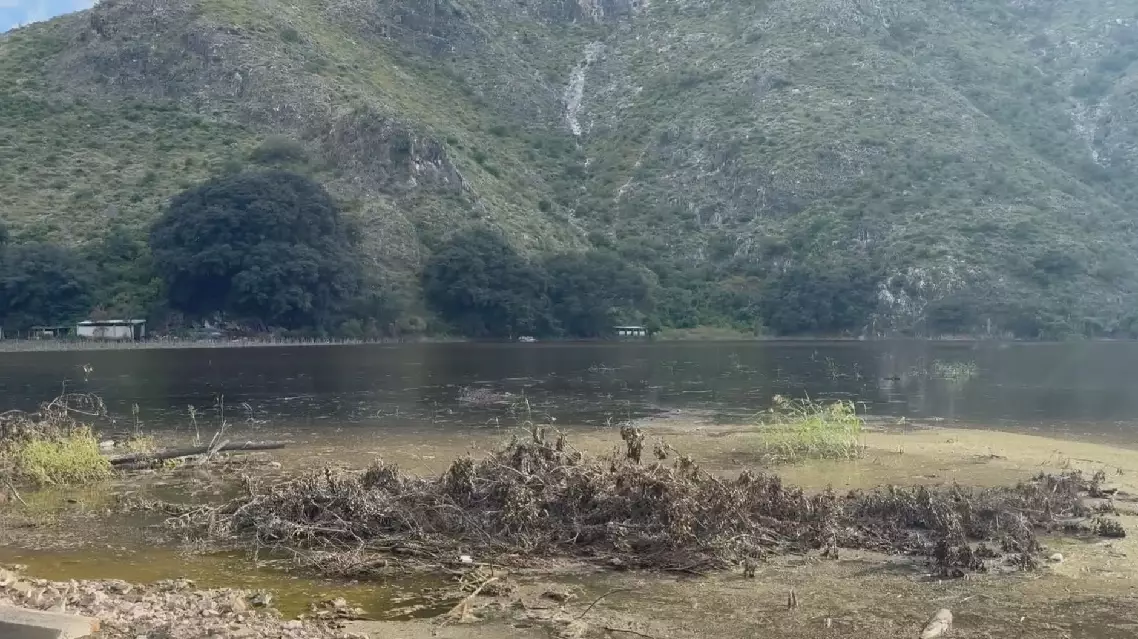
Central Mexican state reels from devastation days after severe flooding
U.S. President Donald Trump on Wednesday threatened to intensify airstrikes against Iran if a peace deal is not reached, while Tehran vowed it would not let Washington exit the crisis without paying a price.
"Assuming Iran agrees to give what has been agreed to, which is, perhaps, a big assumption, the already legendary Epic Fury will be at an end, and the highly effective Blockade will allow the Hormuz Strait to be OPEN TO ALL, including Iran," Trump wrote in a post on Truth Social.
"If they don't agree, the bombing starts, and it will be, sadly, at a much higher level and intensity than it was before," he added.
On the same day, Mohsen Rezaei, a senior military advisor to Iran's Supreme Leader, said in an interview that Iran would not allow the United States to extricate itself from the crisis without paying a price.
Rezaei dismissed the U.S. proposal to reopen the Strait of Hormuz as a "show" designed to facilitate a withdrawal from the region, asserting that Iran would not allow it.
He emphasized that the United States must compensate Iran for incurred losses, adding that Tehran "will certainly obtain its rights and compensation."
The United States and Iran are close to agreeing a one-page memo to end their war, U.S. online media outlet Axios reported on Wednesday.
A potential deal would involve Iran committing to a moratorium on nuclear enrichment and the United States agreeing to lift sanctions, with both sides lifting restrictions on transit through the Strait of Hormuz, it said.
The New York Post reported on Wednesday that Trump said it is "too soon" to start thinking about face-to-face peace talks between the United States and Iran, despite optimistic reports that the two nations were closing in on a potential framework to end their war.
The United States and Israel began attacks on Tehran and other Iranian cities on Feb 28, killing senior Iranian officials and civilians, including then-Supreme Leader Ali Khamenei. Iran responded with missile and drone attacks against Israel and U.S. interests in the region and tightened control over the Strait of Hormuz.
A ceasefire took effect on April 8. Talks between the Iranian and U.S. delegations in Islamabad on April 11-12 ended without an agreement. After negotiations collapsed, the U.S. imposed a blockade of the strait.
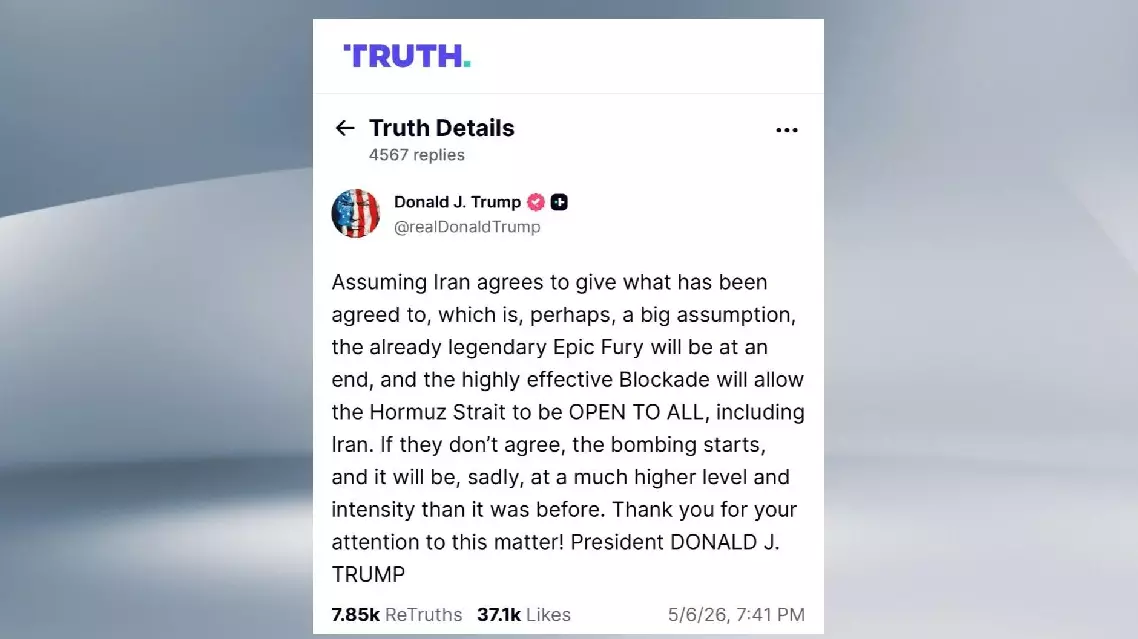
Trump threatens heavier bombing if no deal reached, Iran seeks reparations
Trump threatens heavier bombing if no deal reached, Iran seeks reparations