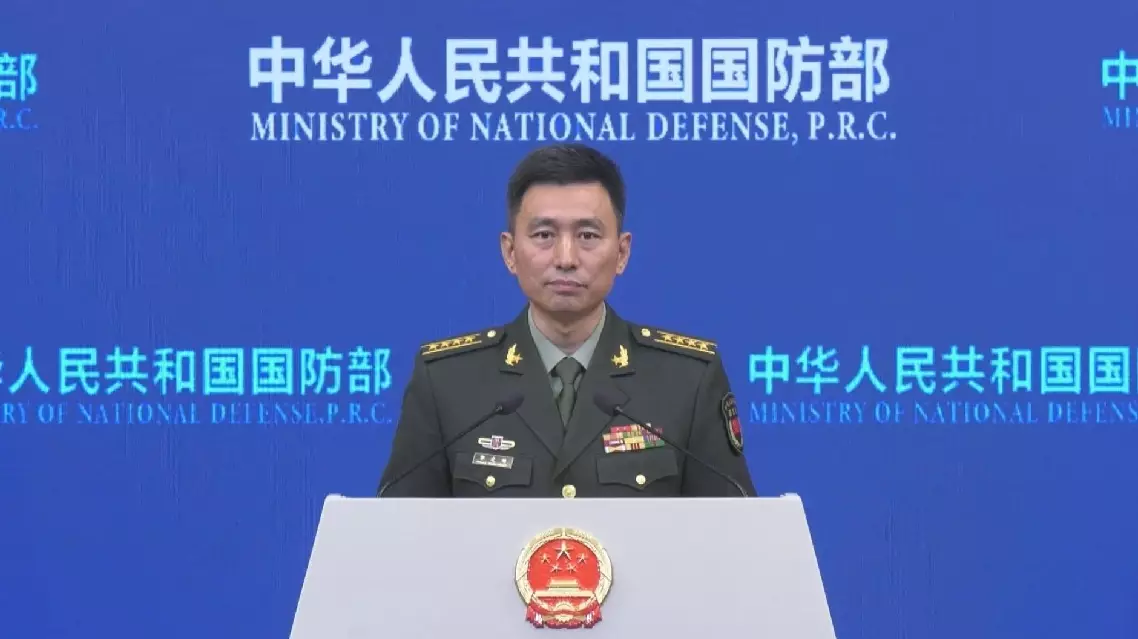
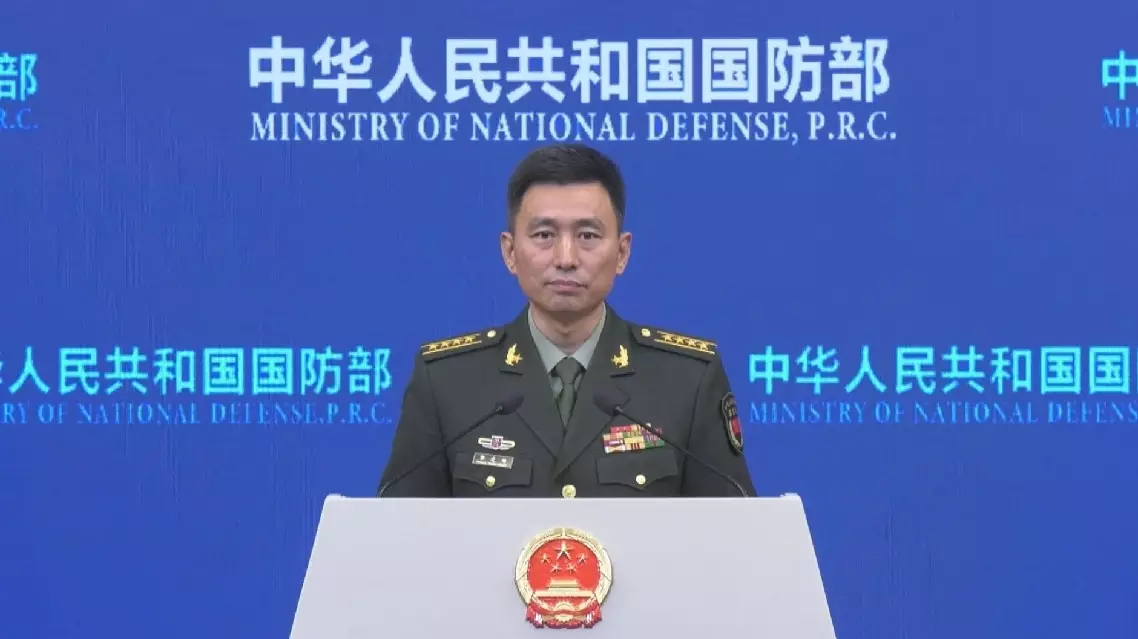
A Chinese defense spokesperson on Friday urged the Philippines to give up its "unrealistic illusions" and cease its "farces" in the South China Sea.
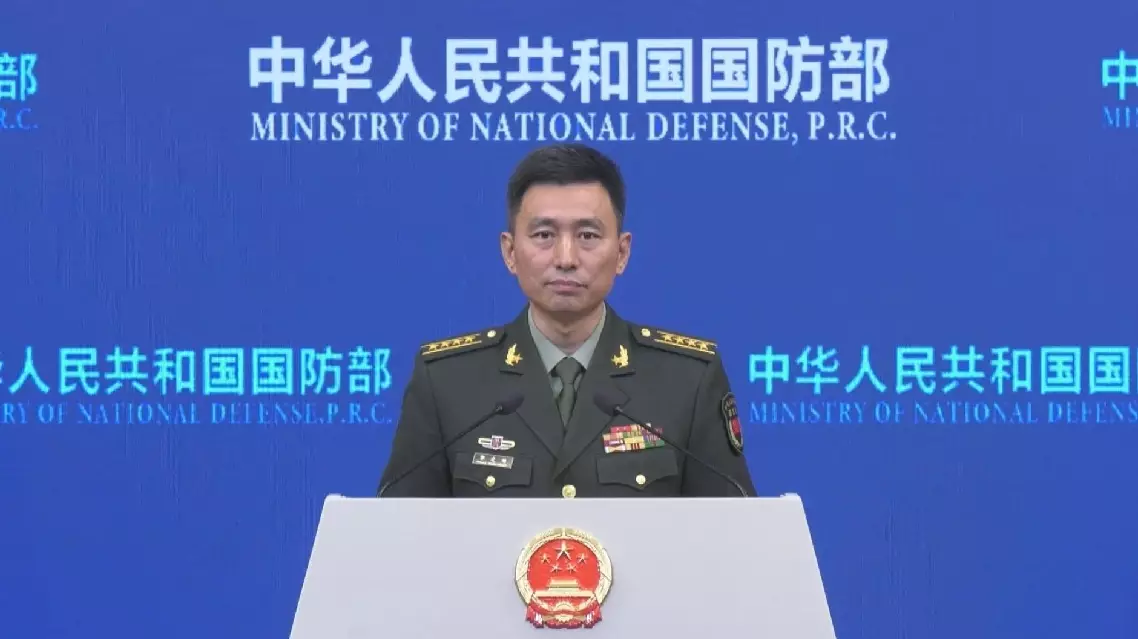
Zhang Xiaogang, a spokesperson for China's Ministry of National Defense, made the remarks in response to the recent illegal intrusion of Philippine vessels into waters adjacent to the islands and reefs of China's Nansha Qundao, as well as a Philippine defense official's recent groundless claims about the Philippines' sovereignty over Huangyan Dao and Nansha Qundao.
The China Coast Guard (CCG) has responded to the incident and released video clips of the friction. The fact is crystal clear, and the Philippine side has no ground to justify or deny its intrusion, provocations and wrongdoings, Zhang said.
"As we all know, the scope of Philippine territories has been defined by a series of international treaties. China’s Huangyan Dao and Nansha Qundao are not within its scope. The Philippines’ Defense Secretary deliberately distorted historical and legal facts to justify infringements and provocations of the Philippine side. It is totally groundless and will not work," he said.
"We urge the Philippine side to give up unrealistic illusions, and stop putting on self-staged farces at sea or orchestrating propaganda. The Chinese side will continue to take resolute measures to firmly safeguard territorial sovereignty and maritime rights and interests," he added.
China urges Philippines to cease its "farces" in South China Sea
China urges Philippines to cease its "farces" in South China Sea
China urges Philippines to cease its "farces" in South China Sea
U.S. President Donald Trump on Wednesday threatened to intensify airstrikes against Iran if a peace deal is not reached, while Tehran vowed it would not let Washington exit the crisis without paying a price.
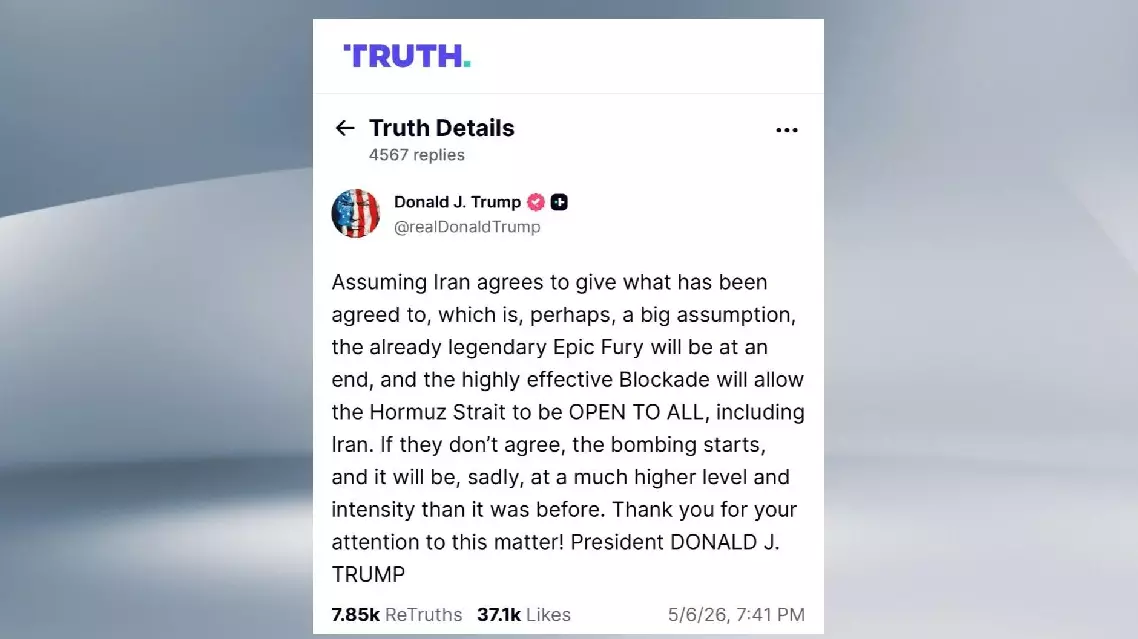
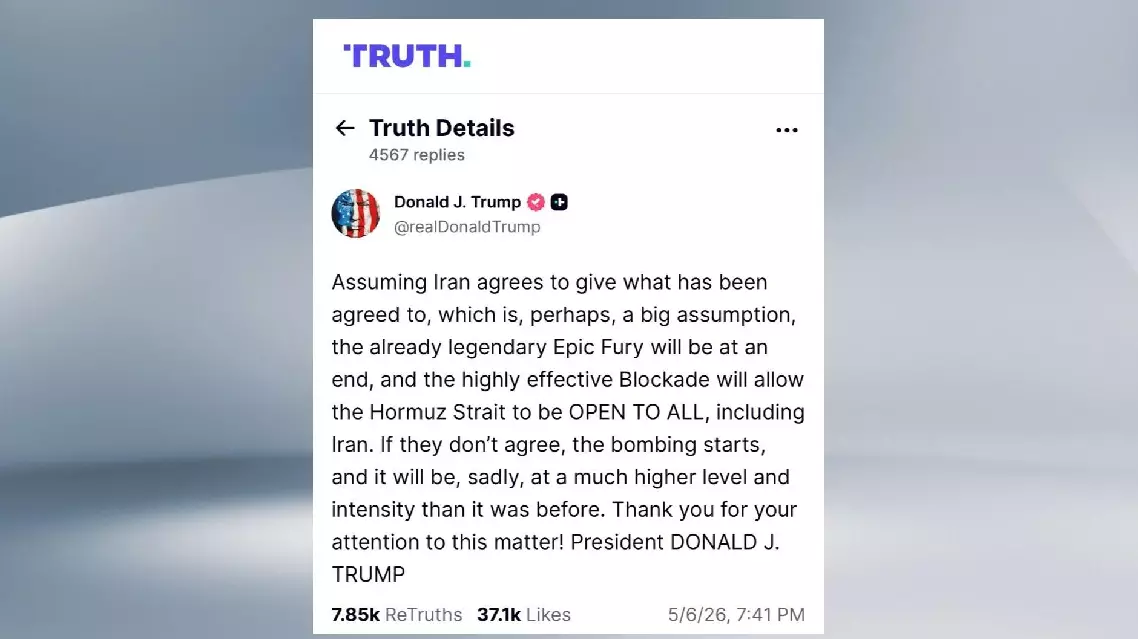
"Assuming Iran agrees to give what has been agreed to, which is, perhaps, a big assumption, the already legendary Epic Fury will be at an end, and the highly effective Blockade will allow the Hormuz Strait to be OPEN TO ALL, including Iran," Trump wrote in a post on Truth Social.
"If they don't agree, the bombing starts, and it will be, sadly, at a much higher level and intensity than it was before," he added.
On the same day, Mohsen Rezaei, a senior military advisor to Iran's Supreme Leader, said in an interview that Iran would not allow the United States to extricate itself from the crisis without paying a price.
Rezaei dismissed the U.S. proposal to reopen the Strait of Hormuz as a "show" designed to facilitate a withdrawal from the region, asserting that Iran would not allow it.
He emphasized that the United States must compensate Iran for incurred losses, adding that Tehran "will certainly obtain its rights and compensation."
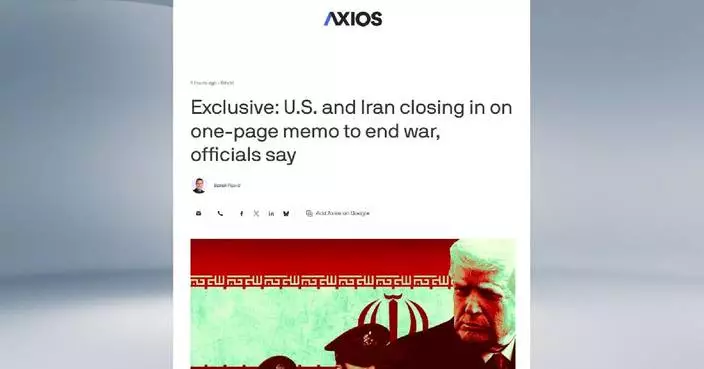
The United States and Iran are close to agreeing a one-page memo to end their war, U.S. online media outlet Axios reported on Wednesday.
A potential deal would involve Iran committing to a moratorium on nuclear enrichment and the United States agreeing to lift sanctions, with both sides lifting restrictions on transit through the Strait of Hormuz, it said.
The New York Post reported on Wednesday that Trump said it is "too soon" to start thinking about face-to-face peace talks between the United States and Iran, despite optimistic reports that the two nations were closing in on a potential framework to end their war.
The United States and Israel began attacks on Tehran and other Iranian cities on Feb 28, killing senior Iranian officials and civilians, including then-Supreme Leader Ali Khamenei. Iran responded with missile and drone attacks against Israel and U.S. interests in the region and tightened control over the Strait of Hormuz.
A ceasefire took effect on April 8. Talks between the Iranian and U.S. delegations in Islamabad on April 11-12 ended without an agreement. After negotiations collapsed, the U.S. imposed a blockade of the strait.
Trump threatens heavier bombing if no deal reached, Iran seeks reparations
Trump threatens heavier bombing if no deal reached, Iran seeks reparations