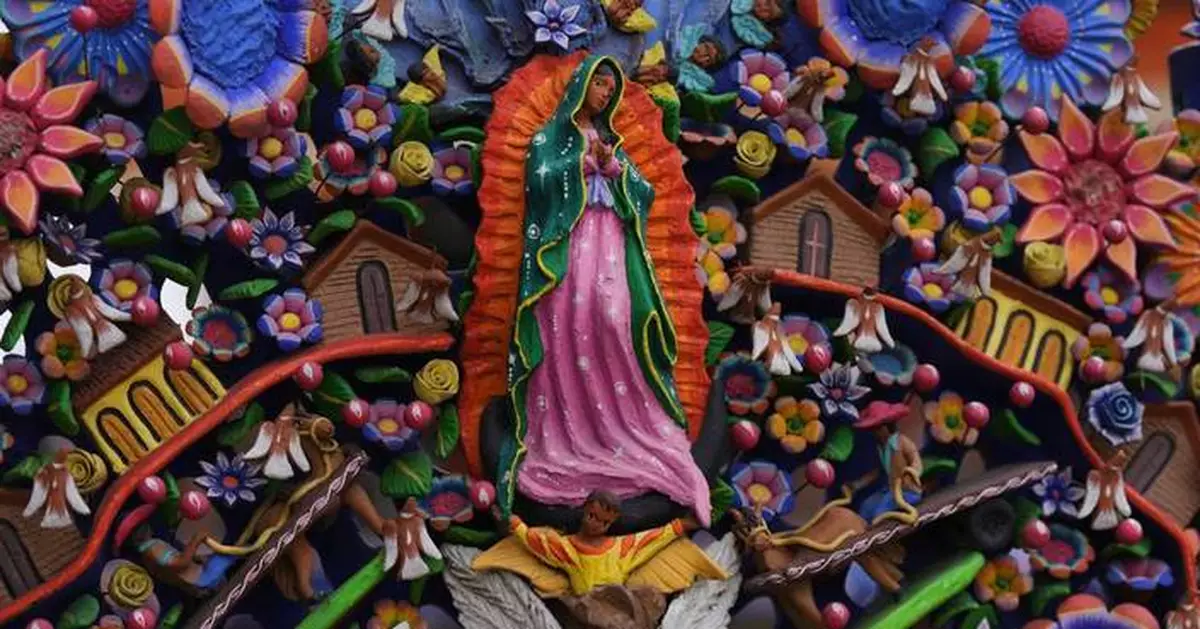
METEPEC, Mexico (AP) — The first time he met a pope, Mexican craftsman Hilario Hernández could not believe his luck. He did not travel to the Vatican as a guest, but as the guardian of the fragile ceramic piece he had created as a gift for Benedict XVI.
“No one really planned to take me along,” Hernández said. “But a Tree of Life can easily break, so I got the chance to bring it myself.”
Click to Gallery
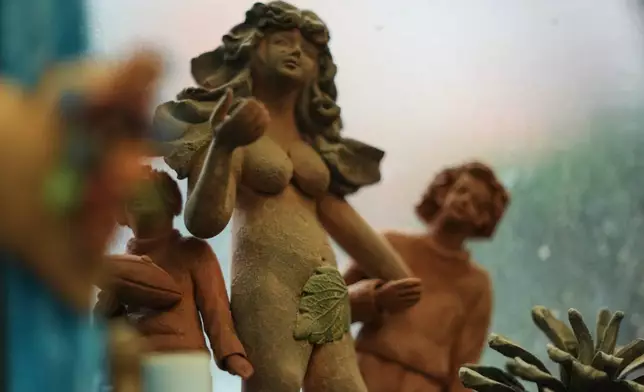
An image of Eve is displayed at the atelier of the Mexican craftsman Cecilio Sanchez in Metepec, Mexico, Thursday, Oct. 9, 2025. (AP Photo/Fernando Llano)
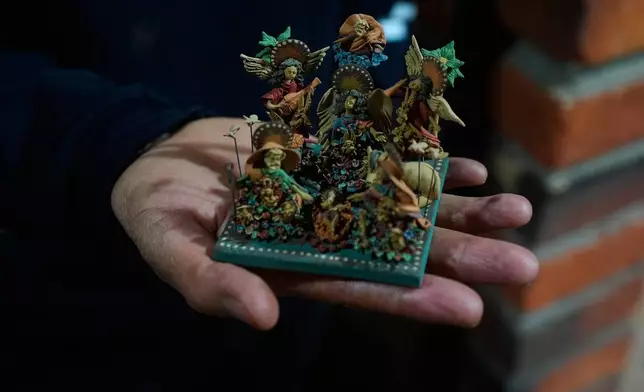
Mexican craftsman Cecilio Sanchez shows one of his miniature clay pieces at his atelier in Metepec, Mexico, Thursday, Oct. 9, 2025. (AP Photo/Fernando Llano)
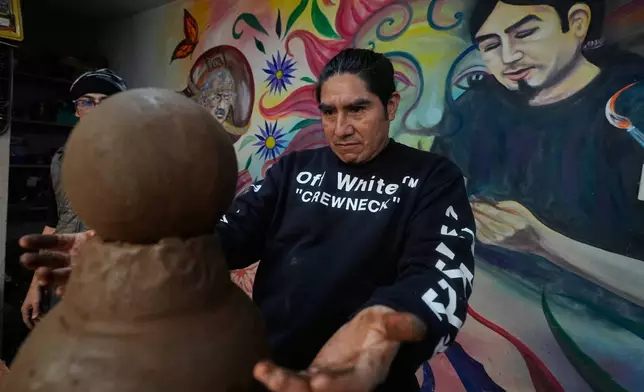
Mexican craftsman Cecilio Sanchez works on a clay piece at his atelier in Metepec, Mexico, Thursday, Oct. 9, 2025. (AP Photo/Fernando Llano)
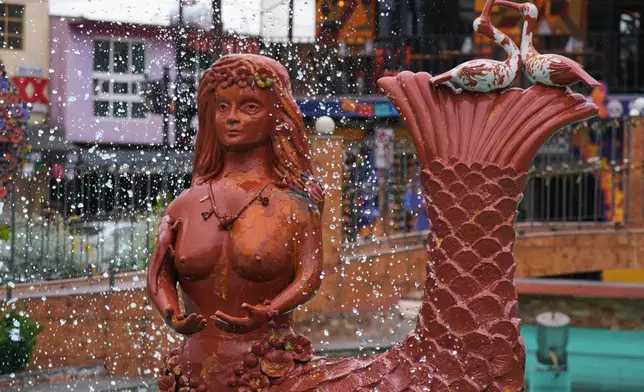
A fountain with a figure of Tlanchana, a half-woman half-serpent figure who legend has it once ruled the waters around the town, decorates the main square of Metepec, Mexico, Thursday, Oct. 9, 2025. (AP Photo/Fernando Llano)
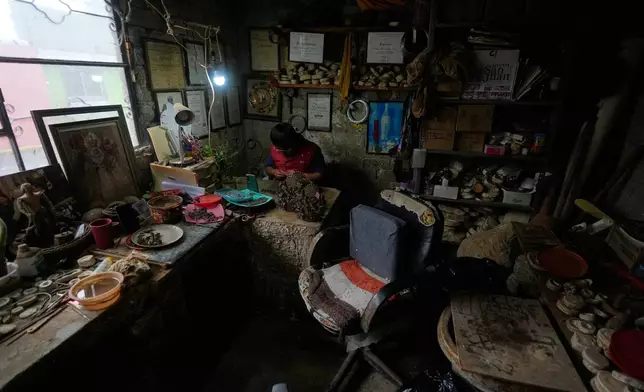
Mexican craftsman Luis Hernandez works on a fragile clay piece at his atelier in Metepec, Mexico, Thursday, Oct. 9, 2025. (AP Photo/Fernando Llano)
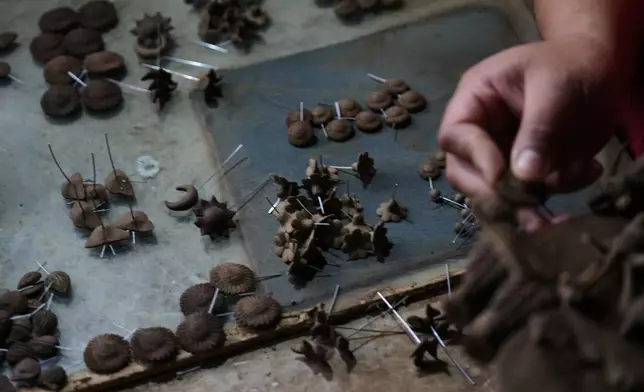
Mexican craftsman Luis Hernandez inserts small fragile clay figures into a tree of life sculpture at his atelier in Metepec, Mexico, Thursday, Oct. 9, 2025. (AP Photo/Fernando Llano)
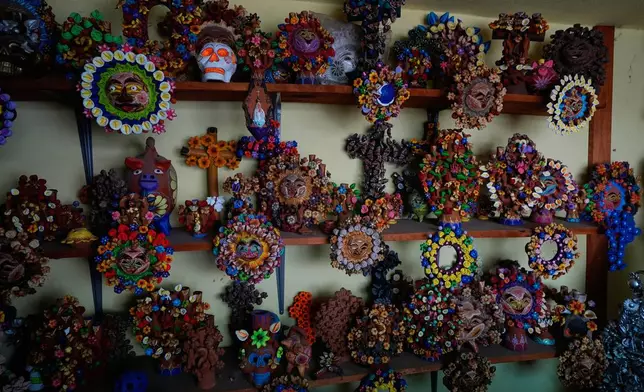
Finished pieces ready for sale are displayed inside the atelier of Mexican artisan Hilario Hernández in Metepec, Mexico, Thursday, Oct. 9, 2025. (AP Photo/Fernando Llano)
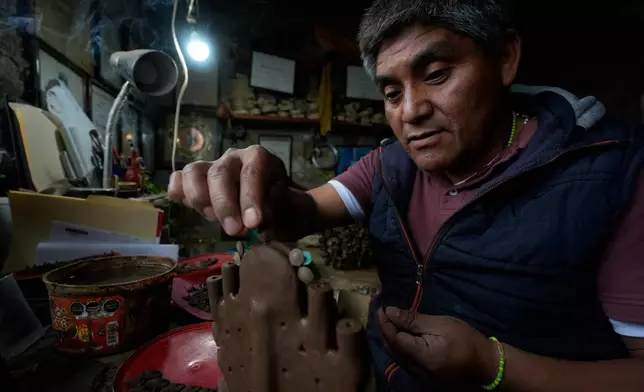
Mexican craftsman Hilario Hernandez works in a fragile clay piece at his atelier in Metepec, Mexico, Thursday, Oct. 9, 2025. (AP Photo/Fernando Llano)
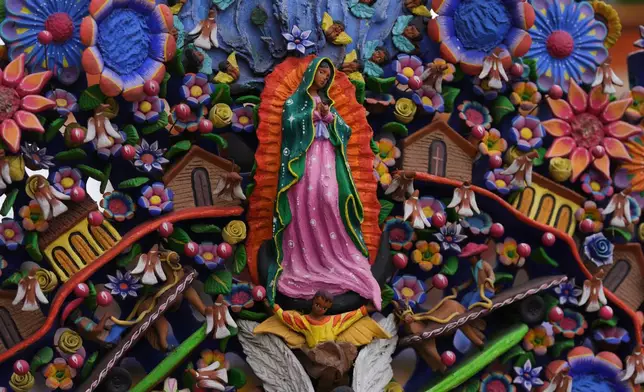
A statue of the Virgin of Guadalupe decorates a tree of life sculpture in the main square of Metepec, Mexico, Thursday, Oct. 9, 2025. (AP Photo/Fernando Llano)
The work he was commissioned to create for the pope in 2008 is a celebrated expression of Mexican craftsmanship.
Known as a Tree of Life, it belongs to a tradition that flourished in the hands of artisans in the mid-20th century and is considered a symbol of identity in Hernández’s hometown.
In Metepec, where he lives and runs a family workshop about 40 miles (65 kilometers) southwest of Mexico City, dozens of craftsmen devote themselves to creating Trees of Life. Their designs vary, but most share a common motif: the biblical scene of Genesis, with Adam and Eve at the center, separated by the tree’s trunk and a coiled snake.
“The tree allows you to express whatever you want,” said Carolina Ramírez, a guide at Metepec’s Clay Museum. “It’s a source of pride for us, as it has become part of the town’s identity and charm.”
The museum holds an annual contest that encourages artisans from across Mexico to submit their versions of the tree. It now houses more than 300 pieces and displays a permanent selection of them.
Aside from Adam and Eve, the trees display a variety of figures like Catrinas — skeletal female figures that have become a symbol of Mexico’s Day of the Dead celebrations — and Xoloitzcuintles, hairless dogs sacred to ancient Nahua people.
“A tree’s theme draws from our culture and traditions,” Ramírez said. “And for the people who buy them, they’ve become a source of identity.”
Hernández’s ancestors have crafted clay pieces for as long as he can remember. His grandfather, now 103, still creates pots in Metepec.
“We’re the fifth generation of potters and artisans,” said Felipe, one of Hilario’s younger brothers. “Our knowledge is passed down by word-of-mouth.”
All five siblings trained for technical careers. None went on to practice them, choosing to become full-time artisans instead.
Hilario — the eldest — became his brothers’ mentor. Their tasks now rotate among them. While one shapes leaves for the trees, another attaches them or paints. All take pride in their family’s legacy.
Luis, now 34, said he has crafted Trees of Life since age 12. “This workshop was my playground,” he recalled. “What I initially thought of as a game, later became my job.”
Another local artisan, Cecilio Sánchez, also inherited his father’s skills and went on to found his own workshop. Now his wife, two children and other relatives work together to create a tradition of their own.
His technique is known as pigmented clay and consists of mixing clay with oxides. “Some fellow artisans add industrial pigments to their pieces, but our work is about preserving what the earth itself gives us,” he said.
While making his first tree for a pope, Hilario pushed his own limits as an artisan.
Drawing on his father’s ancestral wisdom, he fired the 2-meter-tall (6.6-foot-tall) clay piece at just the right temperature. To transport it, he wrapped it like a giant mummy using 200 rolls of toilet paper to cushion and seal every hollow space.
Then there was the design. For six months, he and his family patiently crafted figures on both sides — a challenge rarely faced in the business. One face told the story of Mexico’s most revered saints; the other, the origins of Metepec’s Tree of Life.
The details of that history are unclear. Yet experts agree that such trees might have played a role in evangelization after the Spanish Conquest in the 16th century.
According to Ramírez, the first artisans to reinterpret them in modern times incorporated elements distinctive to Metepec. One of them is known as the Tlanchana, a half-woman, half-serpent figure who, legend has it, once ruled the waters around the town.
“It was thought that her coming out of the water brought abundance,” Ramírez said. “For our ancestors, deities were bound to fire, water and nature.”
The Tlanchana figures in Hernández’s Trees of Life, though, no longer resemble snakes. Given that the reptile is regarded as a representation of evil, temptation and death within the Catholic worldview, its tail was replaced. In her current form as a mermaid, she is perhaps Metepec’s most iconic symbol alongside the Tree of Life.
Hilario keeps a special frame on his worktable: a photograph of the day he met a pope for the second time.
On that occasion he didn’t travel to the Vatican. In 2015, a stranger knocked on his door and asked him to create another Tree of Life — this time, for another pope. Francis was soon to visit Mexico and the president wanted the artisan to present him with a masterpiece.
Hilario’s new assignment took three months of hard, family work. Francis’ tree would not be as tall as the one made for Benedict. But the design presented challenges of its own, as it was to portray the pope’s life.
The craftsman visited nearby chapels, spoke to priests and read as much as he could. In February 2016, when he met the pope inside Mexico’s Presidential Palace, he realized he still had much to learn.
“He ended up explaining to me his own tree,” he said. “And he added: ‘I know you didn’t do this on your own, so God bless your family and your hands.’”
The meeting had a life-changing effect on him. It made him reflect on his purpose in life and reaffirmed his calling to his craft.
“Making Trees of Life is a commitment,” he said. “It’s how we make a living, but it’s also how we keep our culture alive.”
Associated Press religion coverage receives support through the AP’s collaboration with The Conversation US, with funding from Lilly Endowment Inc. The AP is solely responsible for this content.
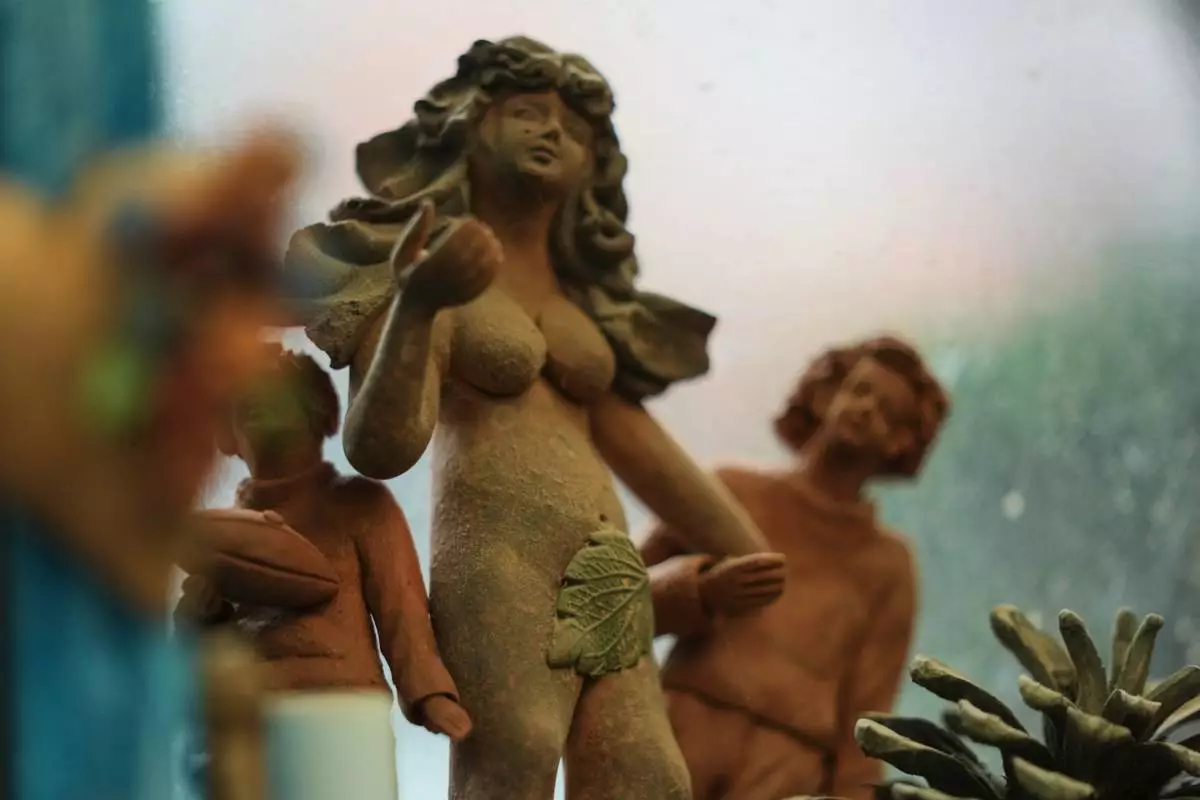
An image of Eve is displayed at the atelier of the Mexican craftsman Cecilio Sanchez in Metepec, Mexico, Thursday, Oct. 9, 2025. (AP Photo/Fernando Llano)

Mexican craftsman Cecilio Sanchez shows one of his miniature clay pieces at his atelier in Metepec, Mexico, Thursday, Oct. 9, 2025. (AP Photo/Fernando Llano)
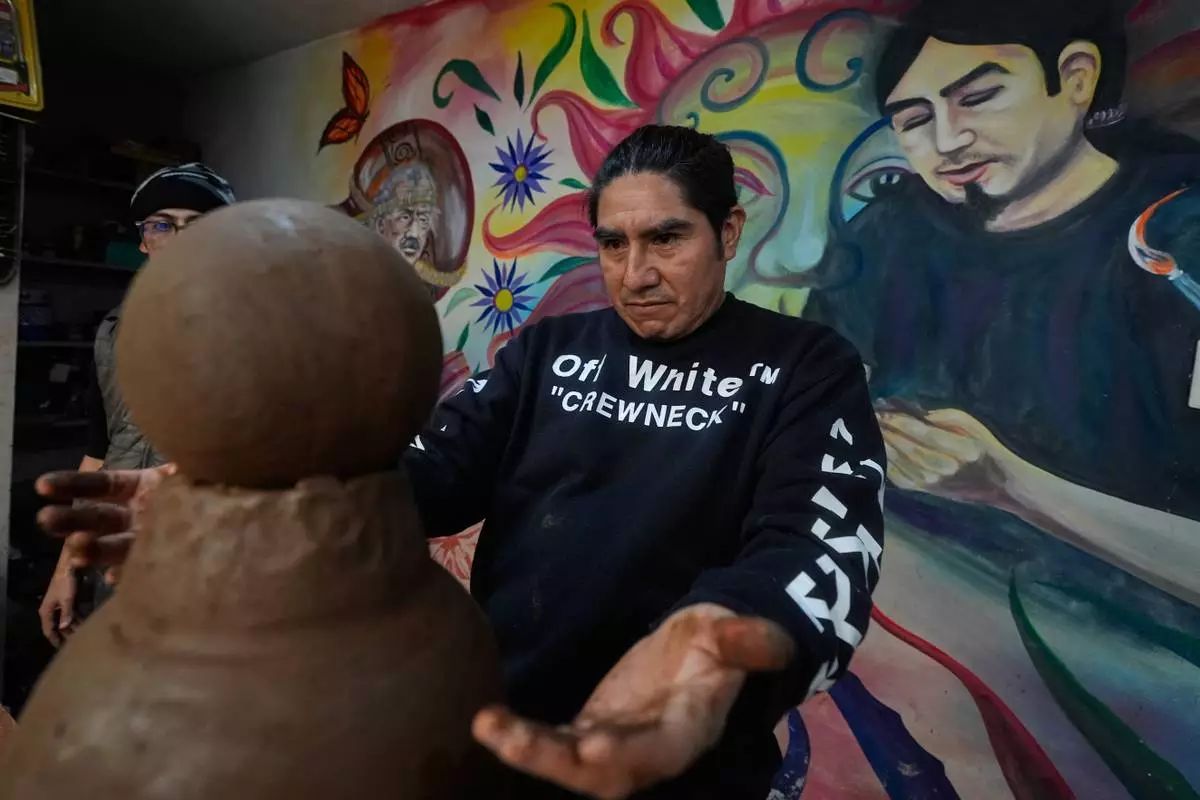
Mexican craftsman Cecilio Sanchez works on a clay piece at his atelier in Metepec, Mexico, Thursday, Oct. 9, 2025. (AP Photo/Fernando Llano)
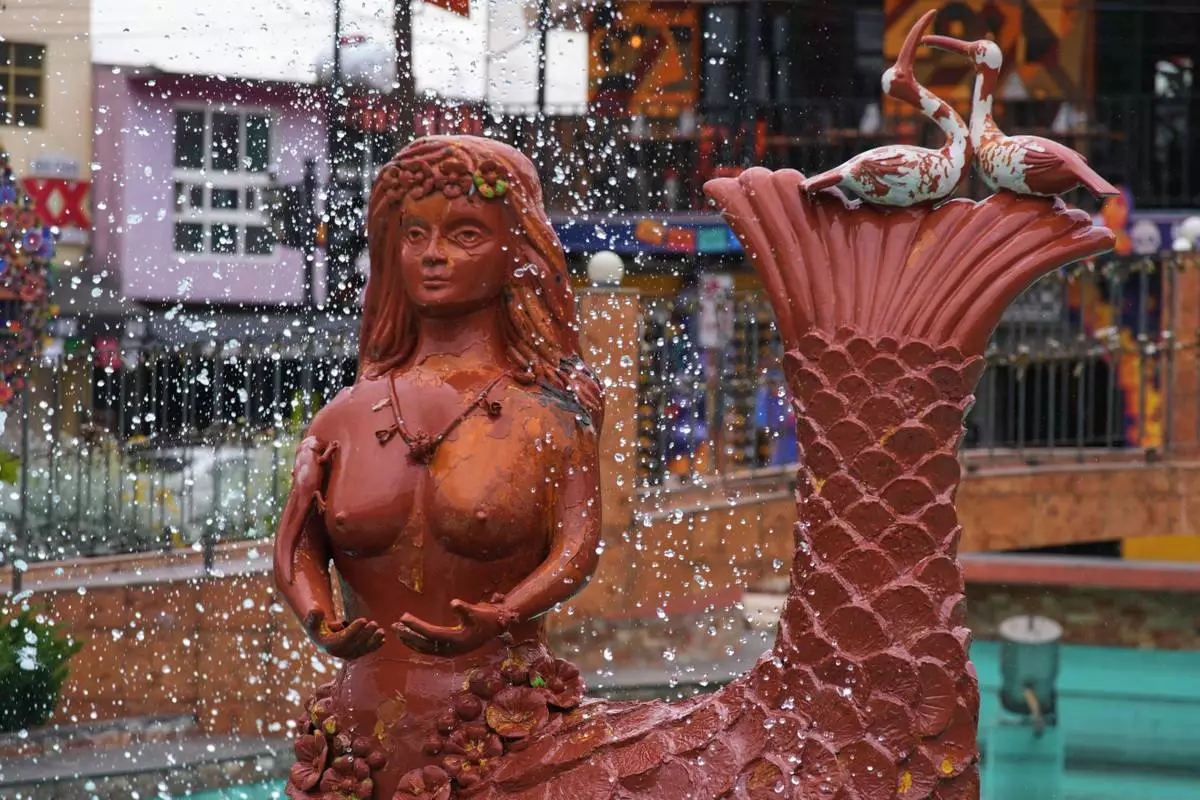
A fountain with a figure of Tlanchana, a half-woman half-serpent figure who legend has it once ruled the waters around the town, decorates the main square of Metepec, Mexico, Thursday, Oct. 9, 2025. (AP Photo/Fernando Llano)
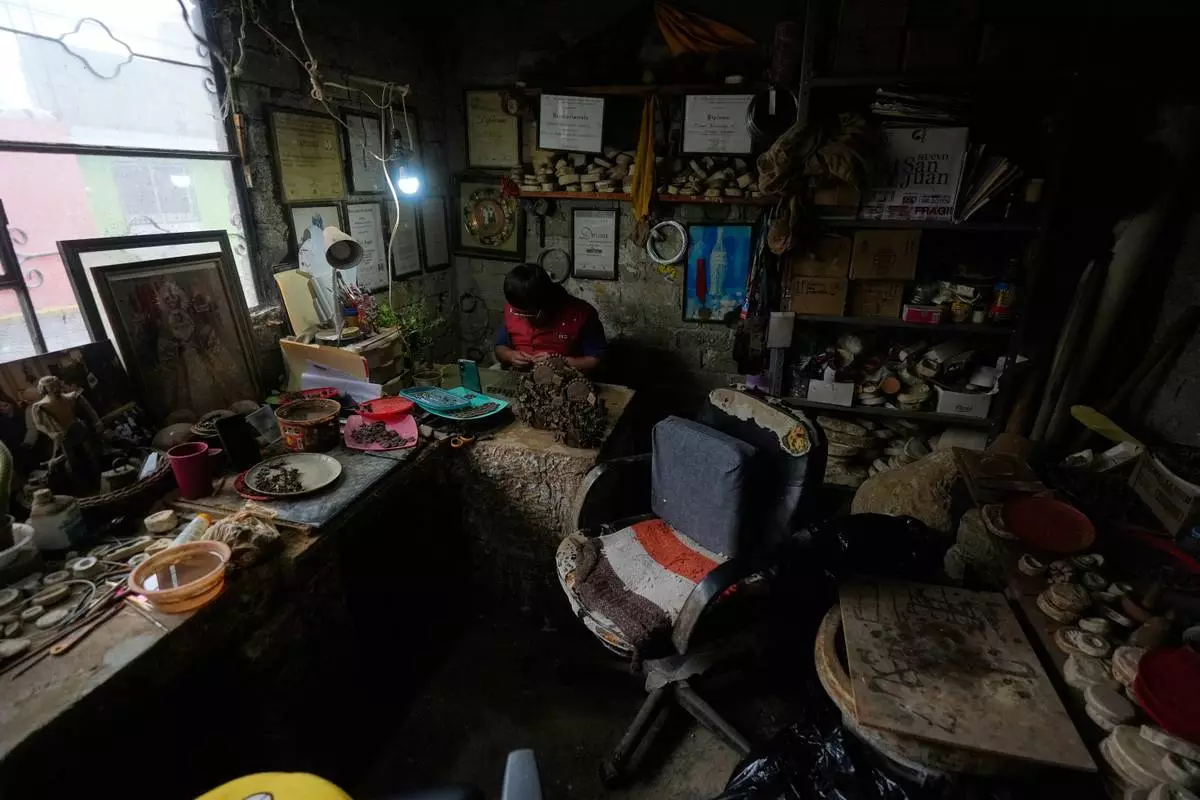
Mexican craftsman Luis Hernandez works on a fragile clay piece at his atelier in Metepec, Mexico, Thursday, Oct. 9, 2025. (AP Photo/Fernando Llano)
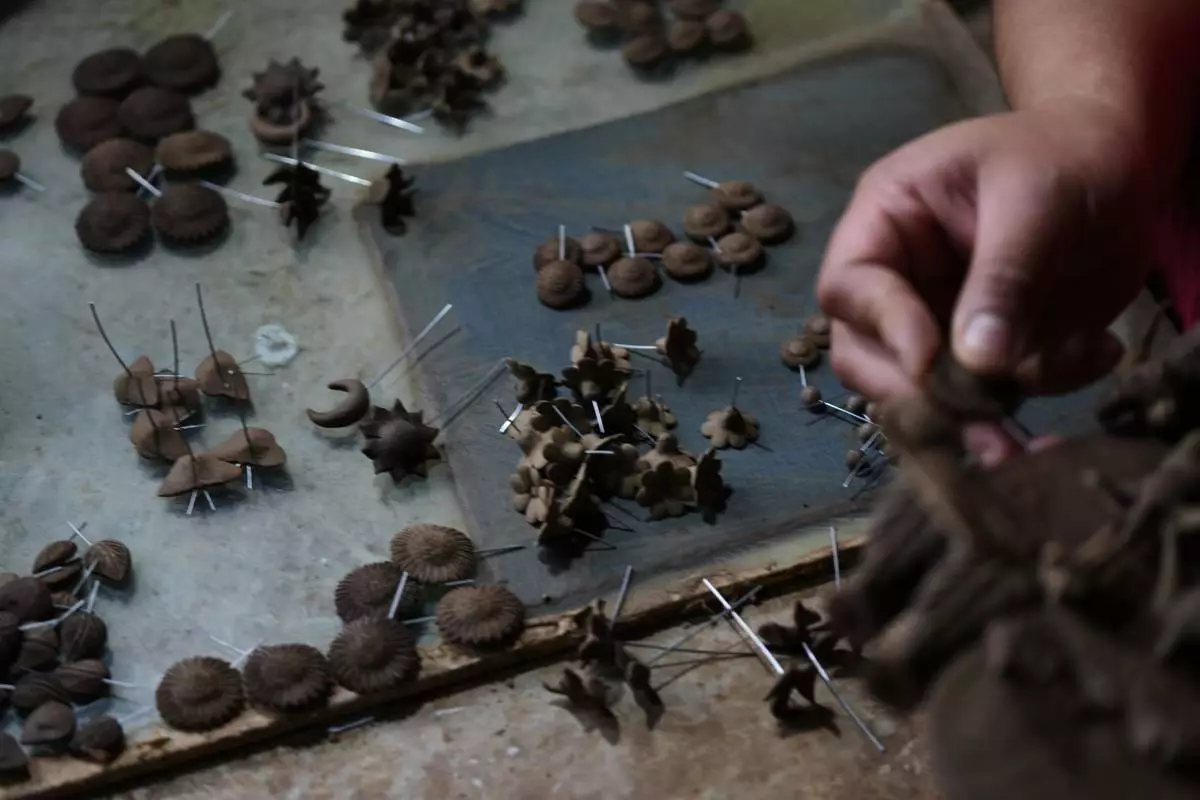
Mexican craftsman Luis Hernandez inserts small fragile clay figures into a tree of life sculpture at his atelier in Metepec, Mexico, Thursday, Oct. 9, 2025. (AP Photo/Fernando Llano)
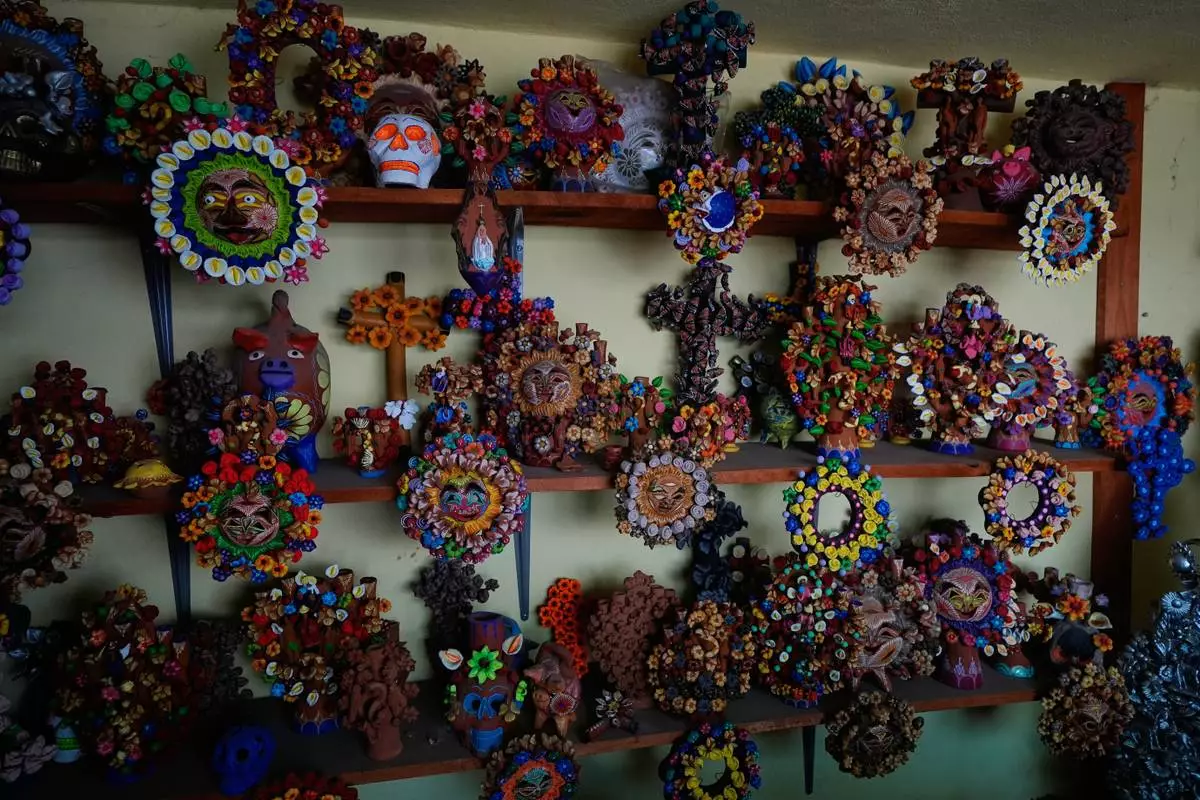
Finished pieces ready for sale are displayed inside the atelier of Mexican artisan Hilario Hernández in Metepec, Mexico, Thursday, Oct. 9, 2025. (AP Photo/Fernando Llano)
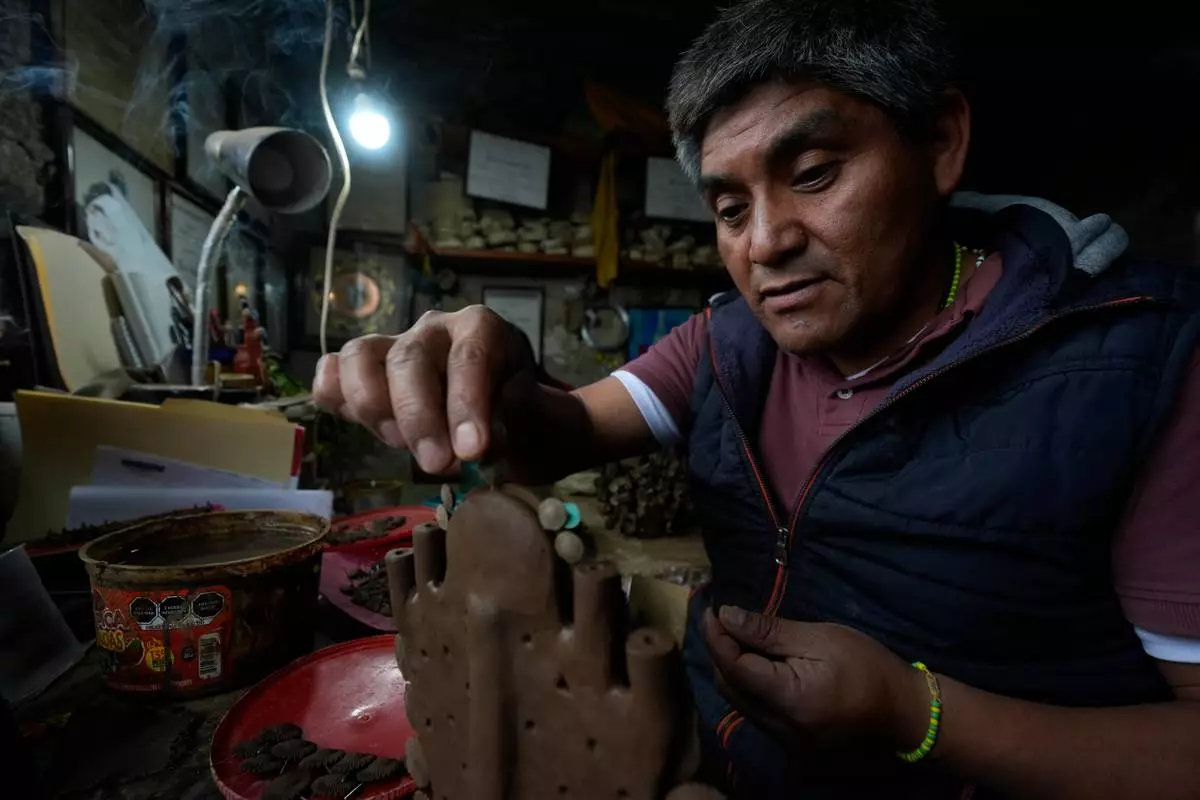
Mexican craftsman Hilario Hernandez works in a fragile clay piece at his atelier in Metepec, Mexico, Thursday, Oct. 9, 2025. (AP Photo/Fernando Llano)

A statue of the Virgin of Guadalupe decorates a tree of life sculpture in the main square of Metepec, Mexico, Thursday, Oct. 9, 2025. (AP Photo/Fernando Llano)