Chinese steel companies are undergoing technological upgrading, producing innovative products like the thinnest and smallest steels for new applications, and adopting differentiated strategies to maintain growth of the sector.
Recently, a Chinese steelmaker succeeded in full-scale mass producing the world's thinnest steel, with a daily output of about three tons. This steel is as thin as aluminum foil, measuring just 0.015 millimeters thick, and can be torn by hand.
The steel has wide application, including soft packaging for power batteries in electric vehicles, as well as in volume buttons and power keys for digital products. It not only enhances battery capacity but also prolongs the lifespan of many devices.
"Before the introduction of hand-tear steel, foldable screens could withstand about 40,000 to 50,000 opening and closing cycles. With this material in the first generation, the lifespan increased to around 200,000 cycles. Now, in the third generation, it has reached 500,000 cycles, and there's potential for it to increase to between 800,000 and 1,000,000 cycles in the future," said Liao Xi, chief engineer at Shanxi Taigang Stainless Steel Precision Strip Co., Ltd.
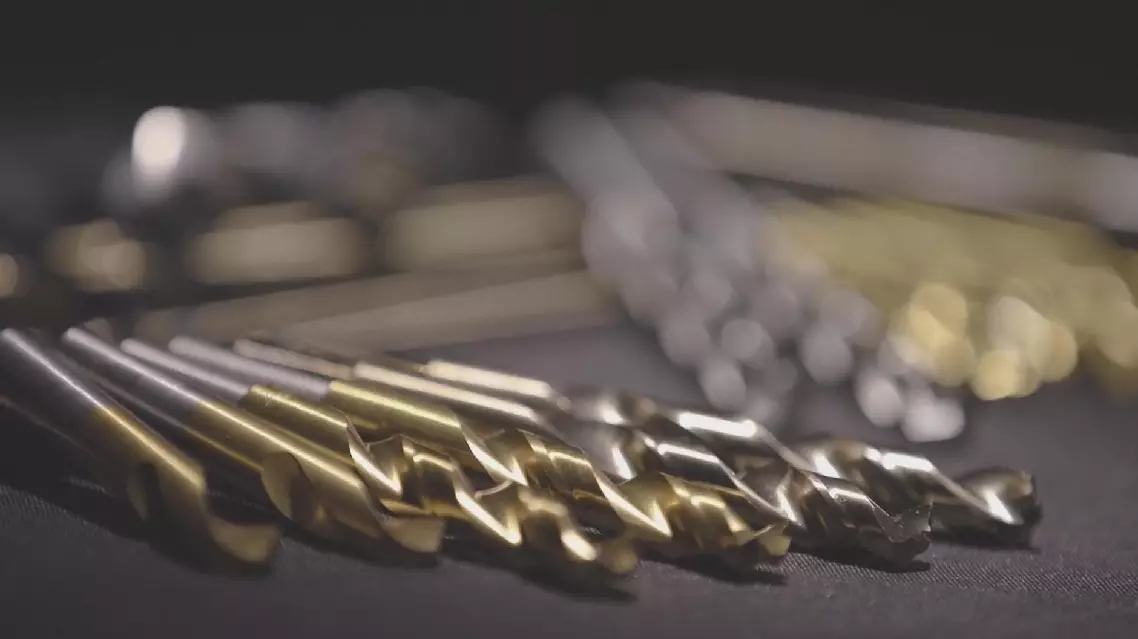
Apart from the world's thinnest steel, another Chinese company has made the world's smallest steel that has a maximum particle diameter of 500 microns. These powder-like materials can be turned into die-casting equipment for electric vehicles and can also be forged into intricate tools and high-tech products.
"We currently have a powder metallurgy production capacity of 8,000 tons per year. Our products range from complex tools and mold materials to high-end bearing steel used in humanoid robots, as well as steel for future nuclear fusion applications. Our powder metallurgy is now widely used across various fields," said Wu Suojun, general manager of Tiangong International Co., Ltd. According to latest statistics, in September of this year, China's steel industry Producer Price Index (PPI) reached 99.5 percent, an increase of 3.9 percentage points compared to the same month last year.
Chinese authorities in September issued a work plan to support the steady operation and structural upgrading of the steel industry.
For the 2025 to 2026 period, China's steel industry should aim its value-added output growth at an average annual rate of around 4 percent, with improved economic performance, better balanced market supply and demand, and a more optimized industrial structure, according to the work plan
Chinese steelmakers make strides in production through technological upgrading, innovation