China has established a standard system for the recycling of power batteries, the country's top market regulator said on Friday.
So far, China has issued 22 national standards for power battery recycling, such as the "Evaluation Specifications for Recycling Technology in Waste Battery Chemicals," according to the State Administration for Market Regulation (SAMR).
The existing standards cover various aspects, including general requirements for power battery recycling, specifications for disassembly, and standards for lithium-ion battery waste recycling, basically constituting a complete standard system, the market regulator said.
According to the SAMR, China's power battery recycling reached over 300,000 tons in 2024, reaching 48 billion yuan (about 6.7 billion U.S. dollars) in market size.
By 2030, China's power battery recycling market is projected to exceed 100 billion yuan (about 14 billion U.S. dollars), driven by a surge in retired batteries from the nation's large and growing fleet of new energy vehicles, said the agency.
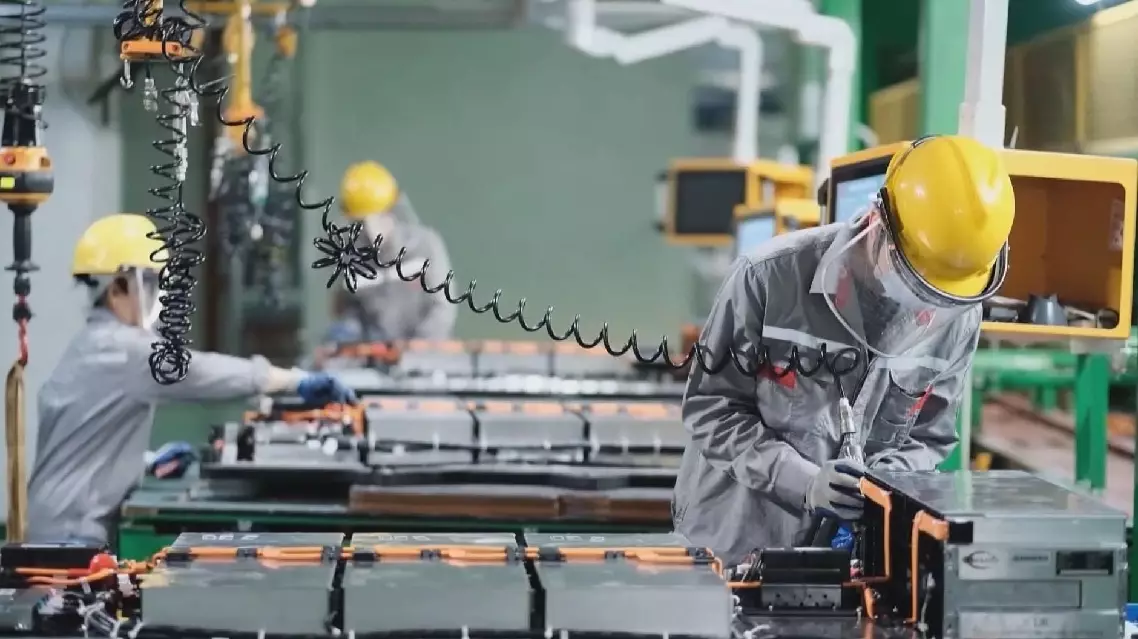
China builds up standard system for power battery recycling
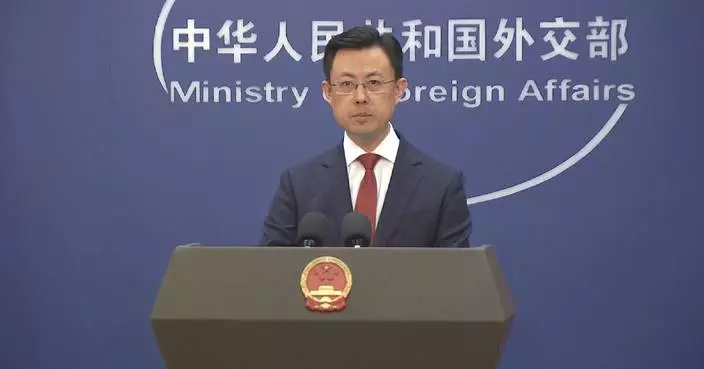
The one-China principle is where the arc of history bends and public opinion trends, a Chinese Foreign Ministry spokesman said on Wednesday, in commenting on Taiwan regional leader Lai Ching-te's planned visit to Eswatini, which had to be canceled after relevant African countries revoked the necessary flight permissions.
"All African countries, with the sole exception of Eswatini, have established diplomatic ties with the People's Republic of China. These 53 countries together with the African Union have adopted the Beijing Declaration at the 2024 FOCAC Summit. They have reiterated on many occasions that they firmly uphold the one-China principle, that there is but one China in the world, that Taiwan is an inalienable part of China's territory, that the Government of the People's Republic of China is the sole legal government representing the whole of China, and that they firmly support all efforts by the Chinese government to achieve national reunification," said Guo Jiakun, the spokesman, at a press conference in Beijing.
"China highly commends the relevant countries' commitment to the one-China principle which is fully consistent with international law and basic norms governing international relations," he said.
"It's very clear that there's no longer a so-called 'Republic of China president' in the world anymore. Anyone who wears that false title is acting against history and will only invite disgrace upon themselves. The one-China principle is where the arc of history bends and public opinion trends, and to uphold it is a right thing to do. No one can ever stop the eventual reunification of China. The separatist attempts aimed at Taiwan secession are just futile and are doomed to fail," said the spokesman.
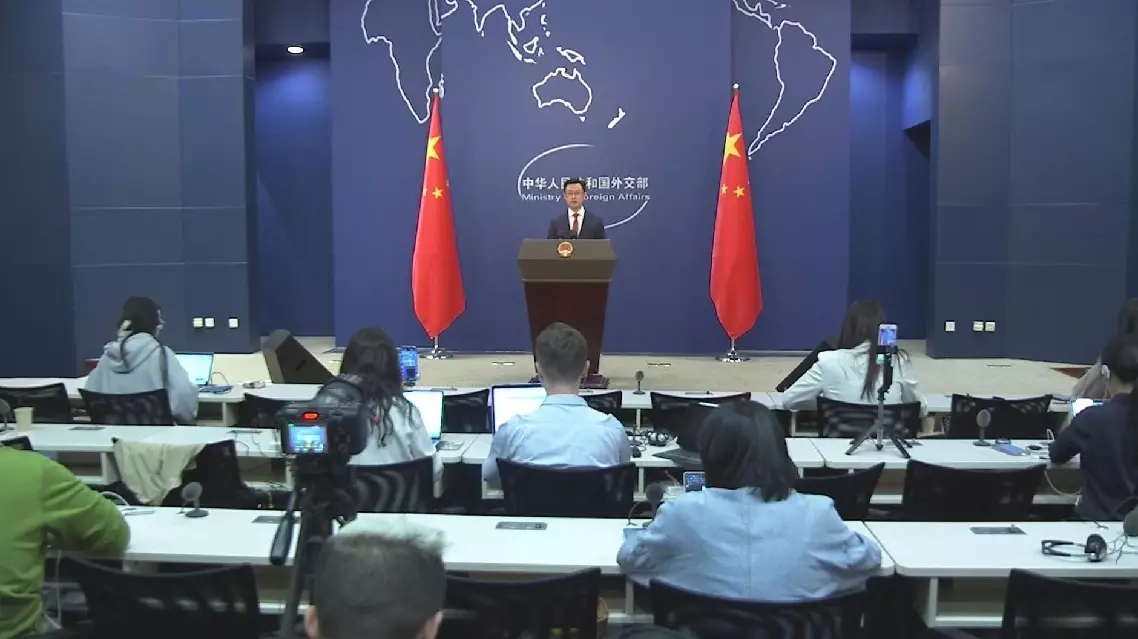
One-China principle is where arc of history bends, public opinion trends: spokesman