Skip to Content Facebook Feature Image

Silver demand surges in South Korea with prices hitting record high

China

China

China

Silver demand surges in South Korea with prices hitting record high

2025-10-19 17:23 Last Updated At:22:27

South Korea is witnessing a surge in silver demand with prices repeatedly hitting record highs, far outpacing the performance of gold.

According to data from the Korea Gold Exchange, silver was trading at 2,467 won per gram (about 1.9 U.S. dollars) on October 17 - marking a nearly 70 percent increase since the beginning of the year.

In Seoul's Jongno District, home to one of the country's largest precious metal trading hubs, business has been booming. Even on weekday afternoons, stores were crowded with customers inquiring and placing orders.

According to a store manager, many investors have shifted their attention from gold - which requires a higher upfront investment - to more affordable silver products such as bars and commemorative plates.

Since October, the shop has received orders totaling two tonnes of silver bars, 10 times more than the same period last year.

"Rather than holding cash, I think buying precious metals is a better way to preserve value. A lot of people around me are buying silver accessories - it's simply more accessible than gold," said a customer.

The rising demand has strained supply. Major South Korean banks have reported combined silver bar sales of 10.4 billion won (about 8 million U.S. dollars) this year, 13 times higher than last year.

With inventories running low, several commercial banks and precious metal platforms announced they will suspend silver bar sales starting from Monday.
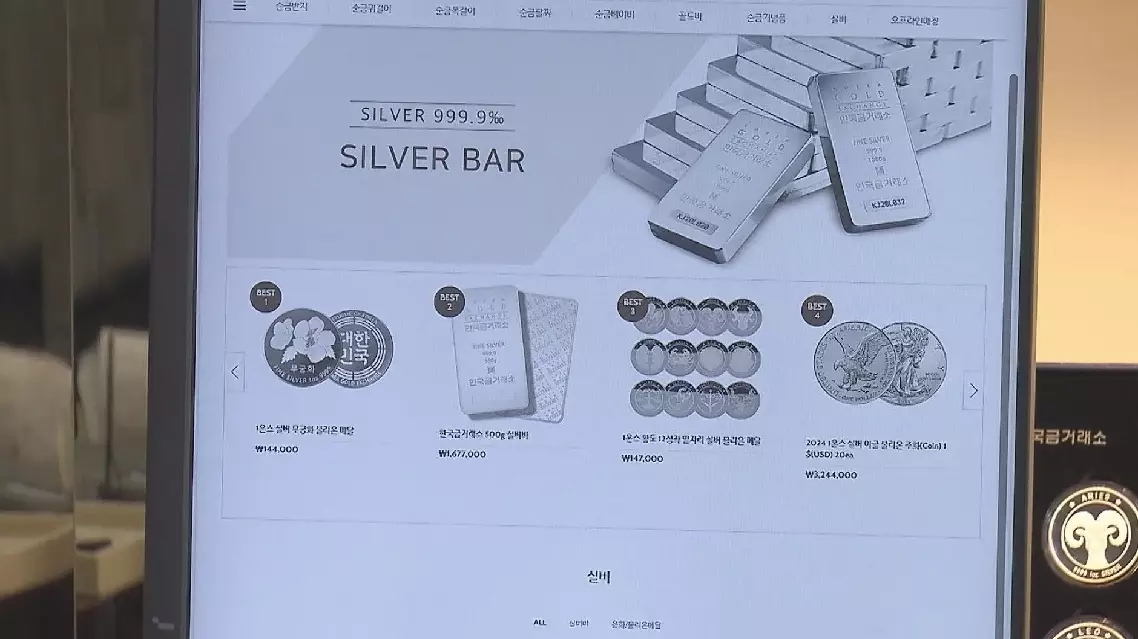
Silver demand surges in South Korea with prices hitting record high
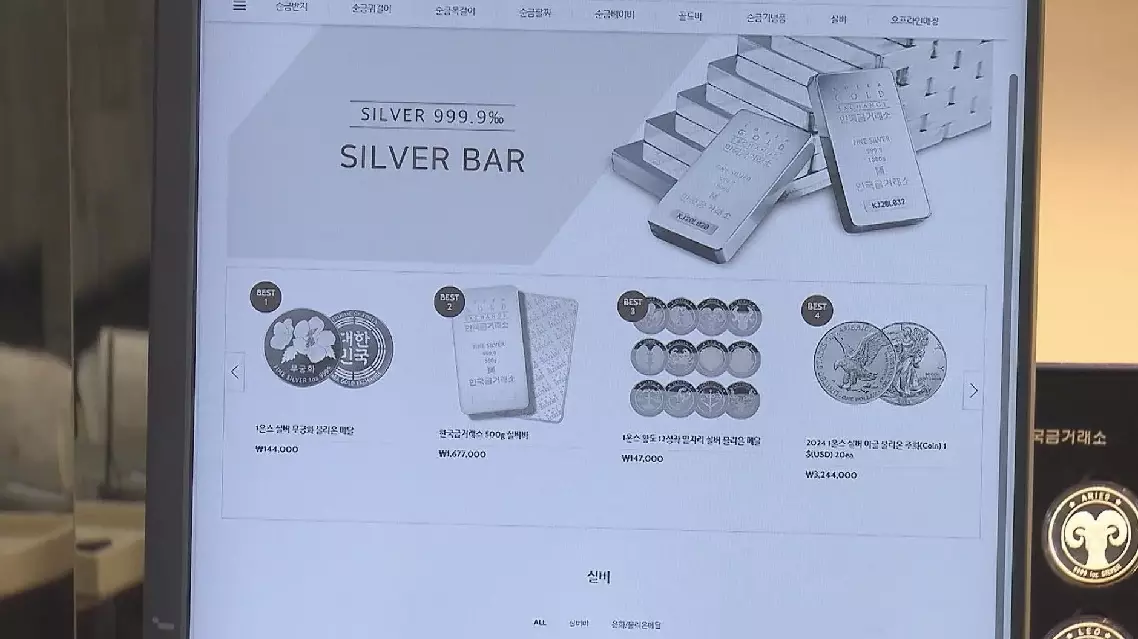
Silver demand surges in South Korea with prices hitting record high


Silver demand surges in South Korea with prices hitting record high

Silver demand surges in South Korea with prices hitting record high

The China-Kazakhstan (Lianyungang) Logistics Cooperation Base has handled more than 20,000 twenty-foot equivalent units (TEUs) of cargo since the start of 2026, with more than 240 China-Europe (Central Asia) freight trains dispatched, according to Nanjing Customs.

Since its official launch in July 2014 as the first physical project under the Belt and Road Initiative, the base has operated more than 7,744 China-Europe (Asia) freight trains, carrying more than 667,000 TEUs of containers.

It now runs six international rail routes covering Central Asia, China-Kyrgyzstan-Uzbekistan, China-Russia and the Trans-Caspian corridor, with access to five outbound ports including Alashankou and Khorgos.

The rail network serves multiple destinations across Asia and Europe, transporting a wide range of goods including automobiles and auto parts, chemical products, household appliances, textiles and garments, and electronic equipment.

The base plays a vital role in ensuring stable industrial and supply chains for Belt and Road partner countries and continues to support high-quality economic development across the Eurasian region.

China-Kazakhstan logistics base handles over 20,000 TEUs in early 2026

China-Kazakhstan logistics base handles over 20,000 TEUs in early 2026

Recommended Articles