Skip to Content Facebook Feature Image

What to know about Rodrigo Paz, the centrist who shot from obscurity to Bolivia's presidency

News

What to know about Rodrigo Paz, the centrist who shot from obscurity to Bolivia's presidency
News

News

What to know about Rodrigo Paz, the centrist who shot from obscurity to Bolivia's presidency

2025-10-21 06:45 Last Updated At:06:50

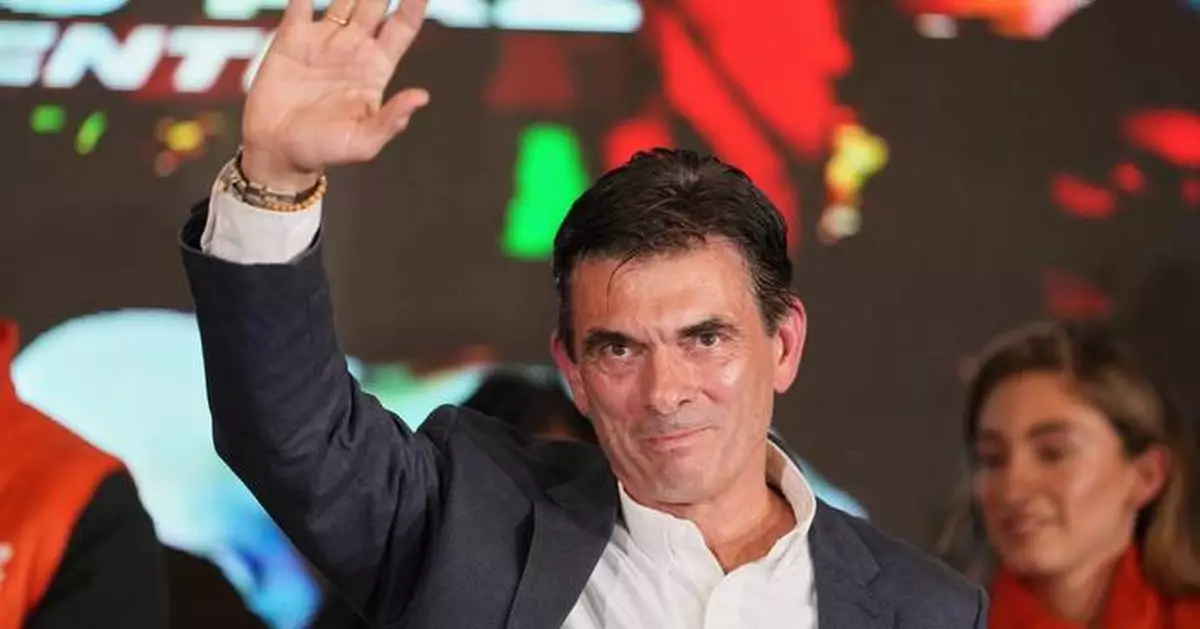
LA PAZ, Bolivia (AP) — Three months ago, Rodrigo Paz was a little-known Bolivian opposition senator with a famous father. Now he’s the first conservative to win a presidential election in the country in 20 years.

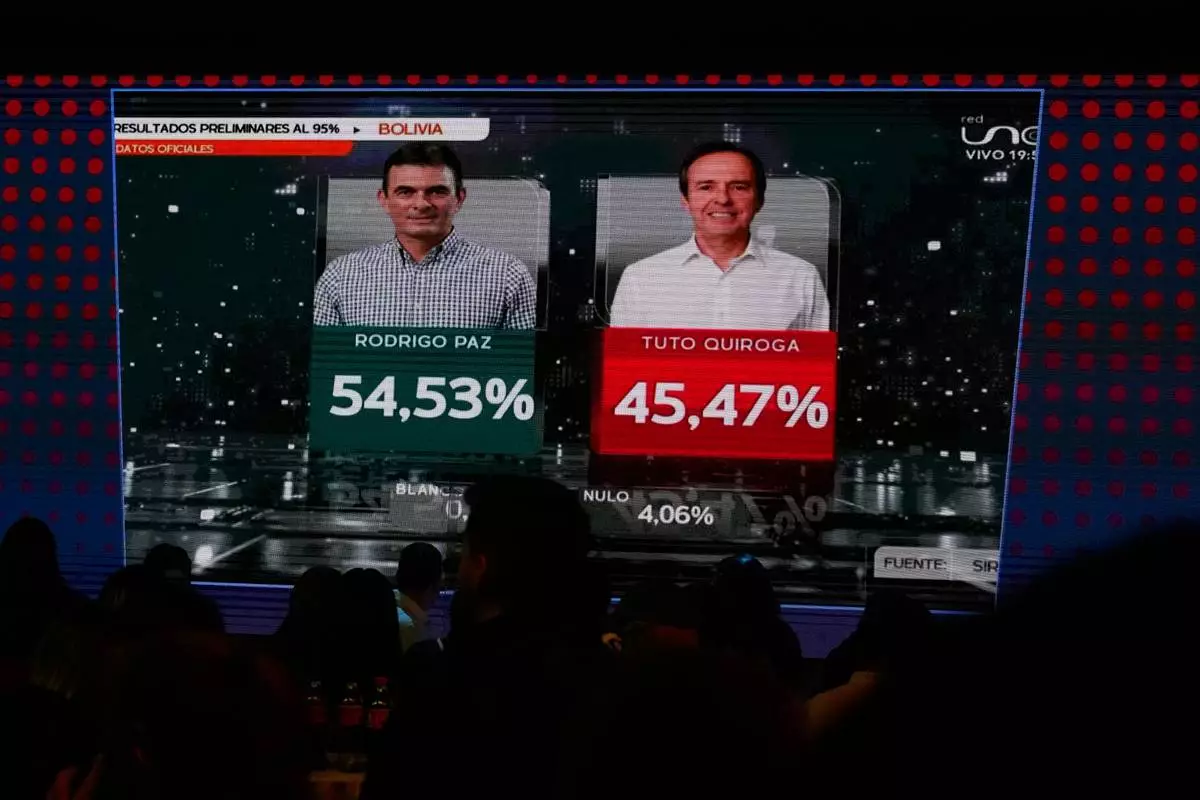
To widespread surprise, Paz, 58, beat out his far more prominent right-wing opponent, former President Jorge “Tuto” Quiroga, in Bolivia's presidential runoff on Sunday. He will be inaugurated Nov. 8.

Paz inherits an economy in shambles after 20 years of rule by the Movement Toward Socialism party, founded by charismatic former President Evo Morales. The party had its heyday during the commodities boom of the early 2000s, but natural gas exports have sputtered and its statist economic model of generous subsidies and a fixed exchange rate has collapsed.

With U.S. dollars scarce and chronic fuel shortages, a majority of voters chose Paz to lift them out of their worst economic crisis in decades. Paz pitched major reforms but at a more gradual pace than Quiroga, who advocated an International Monetary Fund bailout and fiscal shock program.

The son of former President Jaime Paz Zamora, Rodrigo Paz was born in Santiago de Compostela, Spain, and spent his early childhood there.

His father, one of the founders in the 1960s of the Marxist-inspired Revolutionary Left Movement, had gone into exile in Spain to escape the repressive rule of General Hugo Bánzer, one of a series of dictators who ruled Bolivia from 1964 to 1982.

Paz Zamora returned to Bolivia when Bánzer stepped down in 1978 and became president in 1989. His tenure brought tight fiscal discipline and free-market changes to rein in inflation, thrilling investors but disappointing his former left-wing supporters who watched inequality deepen and unemployment persist.

Rodrigo Paz began his political career in his father’s political party but later, like the elder Paz, recast himself as a conservative committed to business-friendly reforms. He started out as a lawmaker in the lower house of Congress before becoming mayor of the southern city of Tarija and then a senator.

When Bolivia's campaign season kicked off in August, the soft-spoken senator didn’t even make the cut for the first televised presidential debates. Ahead of the Aug. 17 election, he was polling near the bottom of the eight-candidate field.

But Paz's choice of a former police captain, Edman Lara, as his running mate turbocharged his campaign.

Lara was fired from the police in 2023 for denouncing corruption in viral TikTok videos. He amplified Paz's anti-corruption message and resonated with working-class, Indigenous residents of Bolivia's highlands who once made up the base of the Movement Toward Socialism party.

The pair crisscrossed the country, throwing beer-soaked, no-frills events with the message of “capitalism for all.” They played up their contrast with the wealthy Quiroga and his large campaign war chest. They also promised cash handouts for the poor to cushion the blow of austerity measures.

Before Sunday’s runoff, Paz visited Washington, speaking at think tanks and expressing a conviction that improving relations with the U.S. is necessary for Bolivia’s success.

That could mark a major shift for Bolivia after years of antipathy toward Washington that goes back to 2008, when Morales kicked out the U.S. Drug Enforcement Administration and expelled the U.S. ambassador. Bolivia allied with Venezuela and other left-wing governments in the region and with world powers like China and Russia.

Late Sunday, U.S. Secretary of State Marco Rubio said in a statement that Paz’s victory “marks a transformative opportunity for both nations."

"The United States stands ready to partner with Bolivia on shared priorities, including ending illegal immigration, improved market access for bilateral investment, and combating transnational criminal organizations to strengthen regional security,” he said.

Follow AP’s coverage of Latin America and the Caribbean at https://apnews.com/hub/latin-america
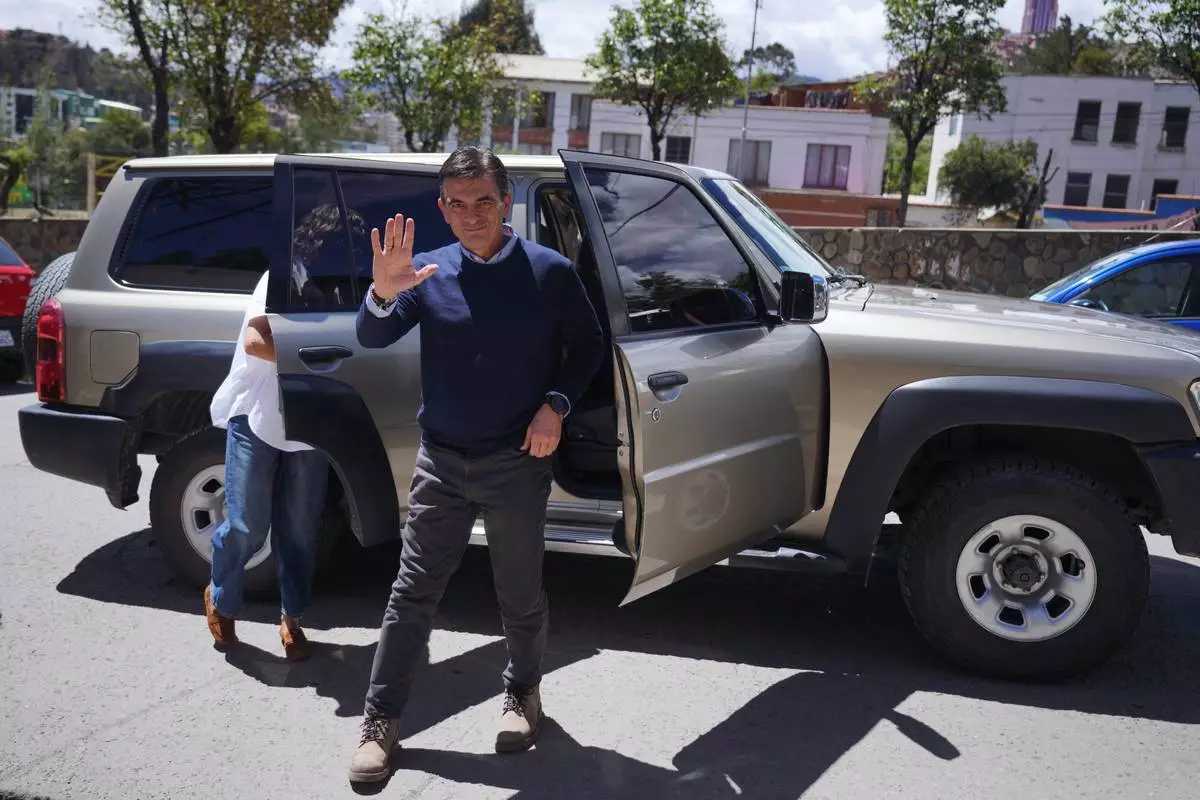
Presidential candidate Rodrigo Paz arrives to accompany his daughter Catalina to vote in a presidential runoff election in La Paz, Bolivia, Sunday, Oct. 19, 2025. (AP Photo/Ivan Valencia)
Presidential candidate Rodrigo Paz arrives to accompany his daughter Catalina to vote in a presidential runoff election in La Paz, Bolivia, Sunday, Oct. 19, 2025. (AP Photo/Ivan Valencia)

A screen at the campaign bunker of presidential candidate Jorge "Tuto" Quiroga shows him trailing Rodrigo Paz in preliminary results of the presidential runoff election in La Paz, Bolivia, Sunday, Oct. 19, 2025. (AP Photo/Juan Karita)
A screen at the campaign bunker of presidential candidate Jorge "Tuto" Quiroga shows him trailing Rodrigo Paz in preliminary results of the presidential runoff election in La Paz, Bolivia, Sunday, Oct. 19, 2025. (AP Photo/Juan Karita)

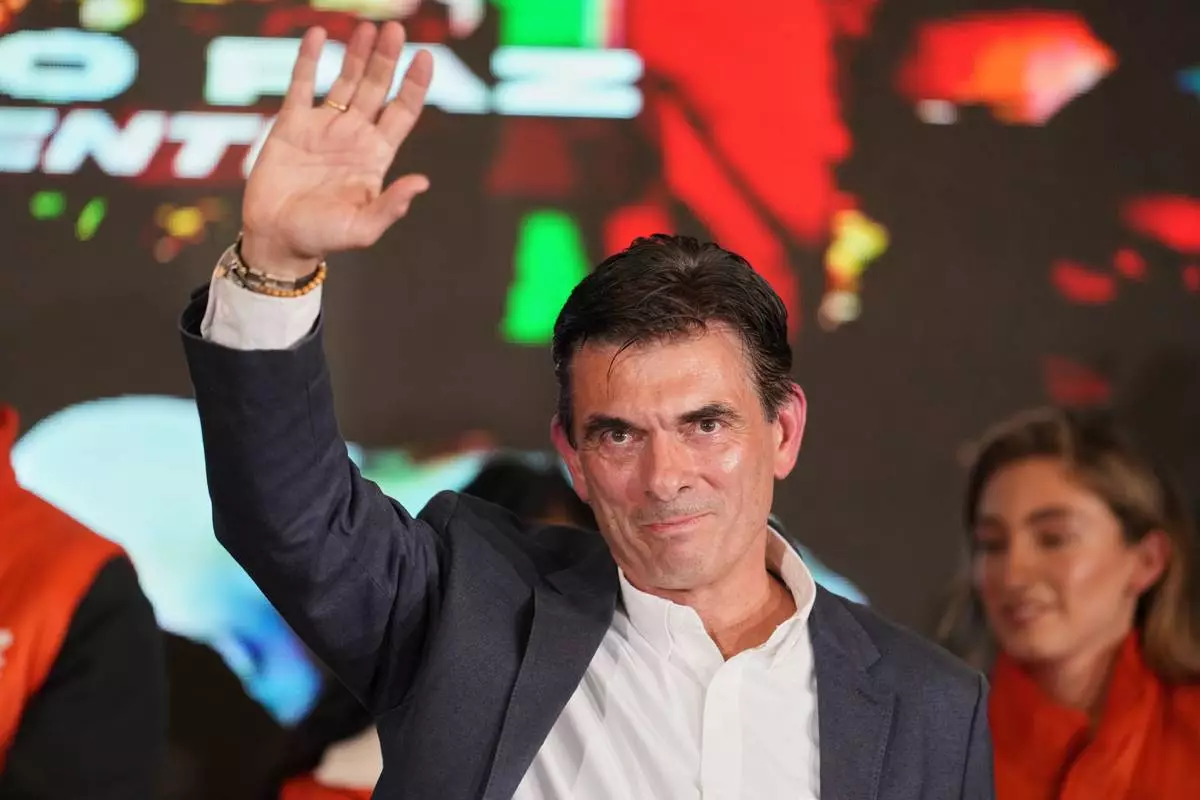
Presidential candidate Rodrigo Paz addresses supporters after preliminary results showed him leading in the presidential runoff election in La Paz, Bolivia, Sunday, Oct. 19, 2025. (AP Photo/Natacha Pisarenko)

Presidential candidate Rodrigo Paz addresses supporters after preliminary results showed him leading in the presidential runoff election in La Paz, Bolivia, Sunday, Oct. 19, 2025. (AP Photo/Natacha Pisarenko)
VANCOUVER, British Columbia (AP) — World Cup host Vancouver is at risk of losing its Major League Soccer club to another city.

MLS said late Monday it “will evaluate all options” for the future of the Vancouver Whitecaps, including moving out of the city. The club was put on sale 16 months ago by an ownership group that includes former NBA star Steve Nash.

Uncertainty around the team is fueled by limited revenue options and a short-term lease at BC Place stadium that will host seven World Cup games in June and July, including Canada playing Qatar and Switzerland.

“It’s reaching a critical point,” MLS Commissioner Don Garber said Tuesday during a meeting with the Associated Press Sports Editors in New York.

Garber called the situation at BC Place untenable, citing strict schedule restrictions from the government entity that owns and operates the building and an inability to add premium seating.

British Columbia’s government said Tuesday it is working with the Whitecaps to help the team lower costs and generate more revenue at BC Place — but it won’t be buying the team to prevent it from moving cities.

Ravi Kahlon, B.C.’s minister of jobs and economic growth, said the team is now using the stadium at no cost, and any breaks that the team received this year could be extended for another year.

The Whitecaps and the provincial government — which owns BC Place through the provincial Crown corporation PavCo — signed a one-year lease earlier this year, which annually returns to the club about $1 million to 1.5 million that the province makes from hosting.

Kahlon, a longtime season-ticket holder, says the province has also helped the team generate more revenue from concession sales and advertising, adding that the province is open to exploring other revenue sources.

“If there are some genuine things that they need done to keep the team here, we want to see that happen,” he said.

Garber confirmed reports that Las Vegas could be an option if Vancouver relocates, saying a group from Las Vegas had submitted an application for an MLS team. He expressed hope the Whitecaps could find a way to remain in Vancouver and said expansion to Las Vegas could also be a possibility, but no decisions had been made. Las Vegas was not necessarily the only city being discussed.

FIFA vice president Victor Montagliani, who is from Vancouver, said last year losing an MLS club “on the back of the World Cup would be a capital crime, in my opinion.”

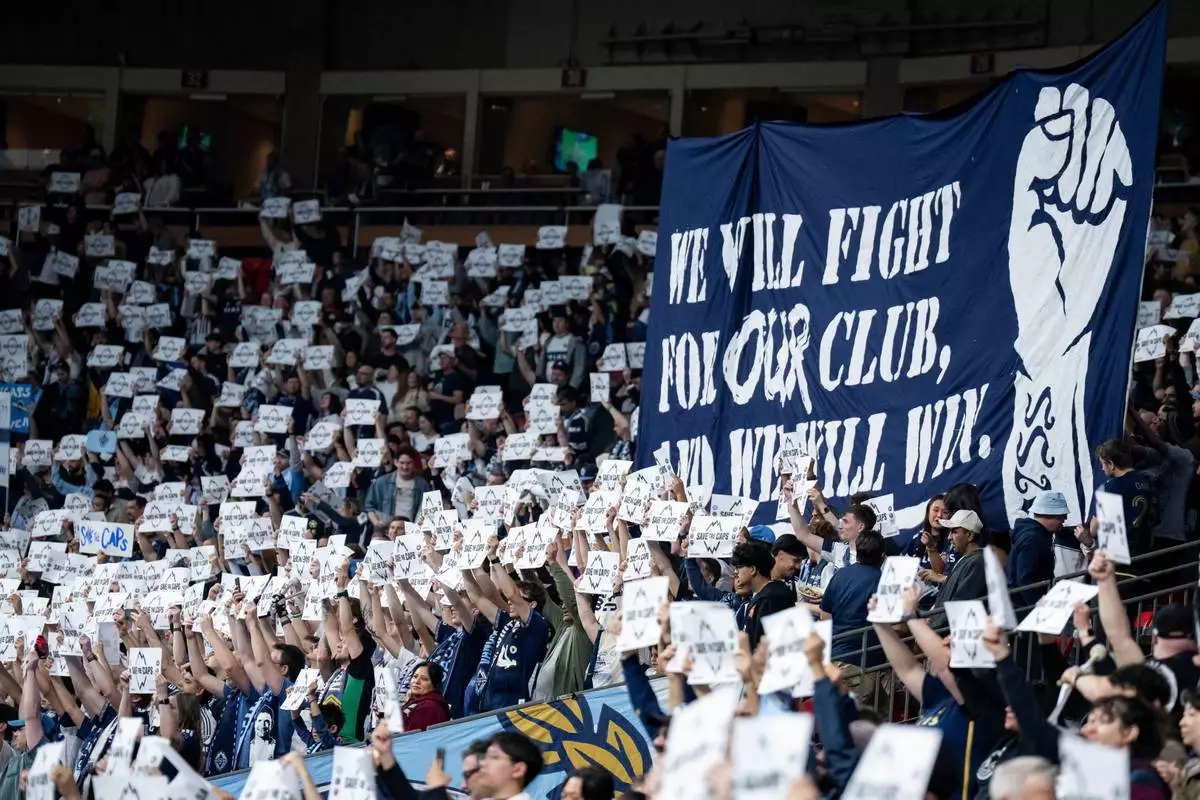
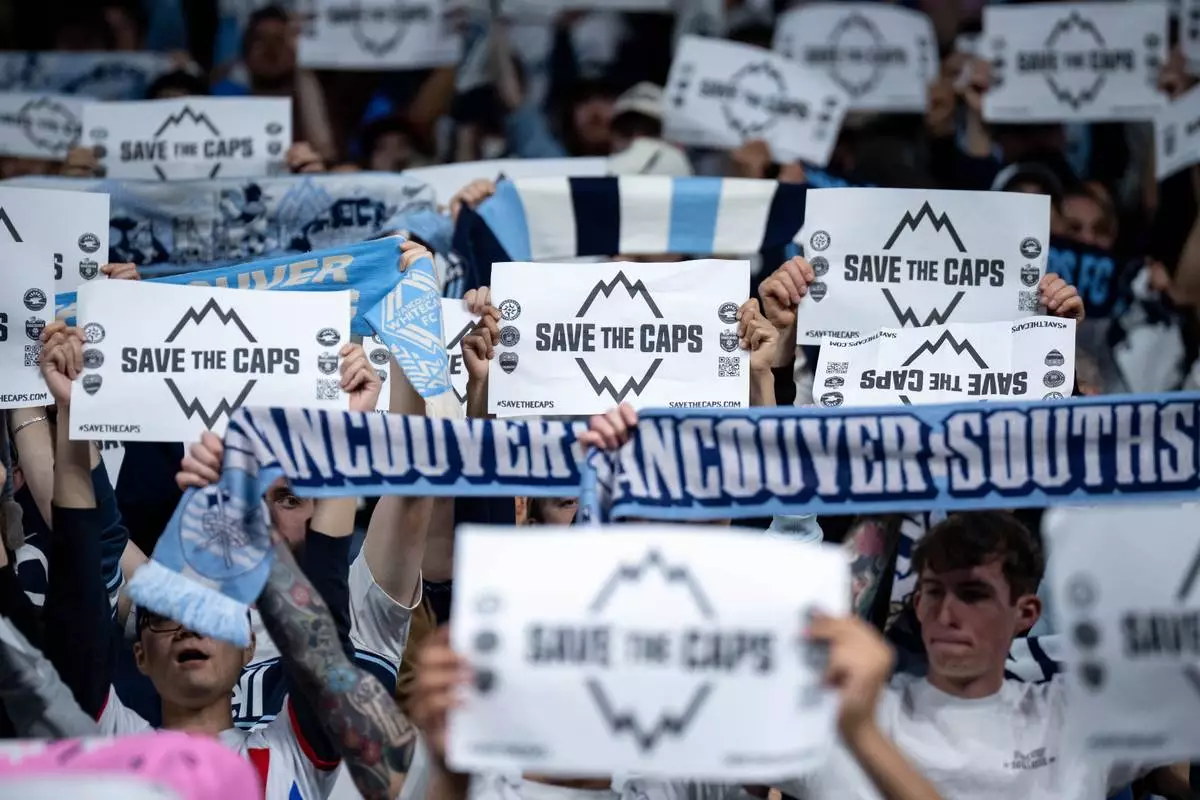
Fans holding “Save The Caps” placards protested on Saturday at the team’s last home game ahead of the stadium being taken over for the World Cup. The attendance was more than 27,000.

In a statement late Monday, the Whitecaps said it had “serious conversations with more than 100 parties and, to date, no viable offer has emerged that would keep the club here.”

“The club has faced well-documented structural challenges around stadium economics, venue access, and revenue limitations that have made it difficult to attract buyers committed to keeping the team in Vancouver."

A franchise fee that cost tens of millions of dollars to enter MLS 15 years ago is now likely worth hundreds of millions.

A team that features German great Thomas Müller reached the MLS Cup final last year, losing against Lionel Messi and Inter Miami 3-1.

AP soccer: https://apnews.com/hub/soccer

Vancouver Whitecaps fans hold signs before an MLS soccer match against the Colorado Rapids in Vancouver, British Columbia, Saturday, April 25, 2026. (Ethan Cairns/The Canadian Press via AP)

Vancouver Whitecaps fans hold signs before an MLS soccer match against the Colorado Rapids in Vancouver, British Columbia, Saturday, April 25, 2026. (Ethan Cairns/The Canadian Press via AP)

Vancouver Whitecaps' Cheikh Sabaly (7) celebrates after his goal against the Colorado Rapids with Thomas Muller (13) and Tate Johnson (28) during the first half of an MLS soccer match in Vancouver, British Columbia, Saturday, April 25, 2026. (Ethan Cairns/The Canadian Press via AP)

Vancouver Whitecaps' Cheikh Sabaly (7) celebrates after his goal against the Colorado Rapids with Thomas Muller (13) and Tate Johnson (28) during the first half of an MLS soccer match in Vancouver, British Columbia, Saturday, April 25, 2026. (Ethan Cairns/The Canadian Press via AP)

Vancouver Whitecaps fans hold signs before an MLS soccer match against the Colorado Rapids in Vancouver, British Columbia, Saturday, April 25, 2026. (Ethan Cairns/The Canadian Press via AP)

Vancouver Whitecaps fans hold signs before an MLS soccer match against the Colorado Rapids in Vancouver, British Columbia, Saturday, April 25, 2026. (Ethan Cairns/The Canadian Press via AP)

Recommended Articles