SFST speaks on quick-win measures proposed by Task Force on Review of Government Procurement Regime (with video)
Following are the remarks by the Secretary for Financial Services and the Treasury, Mr Christopher Hui, on quick-win measures proposed by the Task Force on Review of Government Procurement Regime today (October 20):
Reporter: We would like to ask if the Government would consider mobilising the senior civil servants accountability mechanism if human error was identified among such kind of civil servants. And would you elaborate a little bit on the role of the new Procurement Management Audit Section (Procurement and Stores Management Audit Section) of the GLD (Government Logistics Department) compared to its previous roles? Thank you.
Secretary for Financial Services and the Treasury: I'll address the second part of your question first. Basically, if you look at the current setup or the role of the GLD's audit team, it's more about the goods, also inspection of goods and services being available, and at the same time to ensure compliance with the relevant government regulations in the procurement process. But as I said at the outset, one of the key elements that we've identified in this current exercise is that the importance of due diligence is something we need to pay more attention to. That's why, in line with this discovery and also in line with this revelation, the scope of work of this audit team was expanded to cover and to ensure that the due diligence work of our colleagues is being well taken care of in the process of their procurement efforts. And that's why, to couple with that, we also have clear guidelines being set out in such a way that they know what to do. The audit team will, on a random checking basis, identify those high-risk areas and also high-risk items, and look at those items to ensure that proper due diligence is being looked into. This is the response to your second question.
For the first question about the interface of this investigation with the accountability system set out in the Policy Address: As you may appreciate, the accountability system set out in the Policy Address needs certain legislative amendments to be effective. This is something to be done by our Civil Service Bureau. So this current exercise is undertaken in the context of the current regime with no regard to the future regime because that future regime is yet to be effective.
Reporter: Firstly, what was the issue with the past due diligence checks and what way can the Government rectify the problem, if you could elaborate more. And secondly, on the disciplinary investigation, how many people are subject to this investigation? Why is Ms Lau the right person to be in charge? Did the Government consider having a retired judge to head the probe? Could the internal disciplinary investigation eventually lead to any criminal proceedings? Thank you.
Secretary for Financial Services and the Treasury: If you look at how the current procurement is being done, as I said earlier and also responded to some of the questions asked, basically we very much relied on submissions or documents being presented to us. But in this fast-changing world, in light of the fact that fraud can take different forms, I think we need to take a more proactive approach in terms of enhancing our due diligence capabilities. That's why, throughout these interim measures I just introduced, which are being implemented, one of the key areas that we look into is how we can enhance that area. Like, for example, we already issued guidelines to make sure that our colleagues on the procurement side are here to do due diligence work, including not just the paper exercise, but also checking of information online. And also, at the same time, if there's a need, they could do on-site inspection to really look into the information being available to them, to see if they are genuine or not. At the same time, there will also be provisions being given to them to allow third-party checking of the information that they're given, so they don't really have to rely solely on the source of information to verify the information but rather they can resort to third-party checking to ensure that information that they are given is genuine. So what we are trying to do is to ensure first of all, our colleagues are being empowered with the right tools and means to enhance their due diligence work. At the same time, in terms of mindset, they have the ability and also have the willingness to exercise those rights and powers. That's exactly one of the key areas that we emphasise.
In terms of your second question about the scope of work of the investigation, as I said and also as Alice (Administrative Officer Staff Grade A1 Ms Alice Lau) just mentioned, taking into account the scope of the current work, it will include around more than 10 of our GLD and also our FSTB (Financial Services and the Treasury Bureau) colleagues. At the same time, regardless of whether they are retired or not, they are also subject to the investigation. For those that involved criminality, these will be taken care of by our law enforcement agencies. This is not something that we are looking into. But rather, as said by Alice, we will look into potential disciplinary and also management issues and deal with them head-on in light of the current regime.
(Please also refer to the Chinese portion of the remarks.)

Source: AI-found images
FEHD releases fourth batch of gravidtrap indexes for Aedes albopictus in May
The Food and Environmental Hygiene Department (FEHD) today (May 21) released the fourth batch of gravidtrap indexes and density indexes for Aedes albopictus in May, covering 12 survey areas, as follows:
District |
Survey Area |
May 2026 |
First Phase Gravidtrap Index |
First Phase Density Index |
Eastern |
Shau Kei Wan and Sai Wan Ho |
9.1% |
1.4 |
Islands |
Tung Chung |
2.0% |
1.0 |
Kowloon City |
Hung Hom and To Kwa Wan |
6.7% |
1.5 |
Tai Po |
Tai Po East |
2.2% |
2.0 |
Tai Po West |
15.5% |
1.0 |
Tuen Mun |
Tuen Mun South |
9.1% |
1.4 |
District |
Survey Area |
May 2026 |
Area Gravidtrap Index |
Area Density Index |
Central and Western |
Kennedy Town and Shek Tong Tsui |
16.8% |
1.3 |
Eastern |
Chai Wan |
15.4% |
1.0 |
North Point and Quarry Bay |
18.9% |
1.4 |
Southern |
Aberdeen and Ap Lei Chau |
20.8% |
1.7 |
Sha Tin |
Sha Tin Town Centre and Fo Tan |
18.3% |
1.4 |
Tsuen Wan |
Tsuen Wan Town |
6.9% |
2.3 |
The fourth batch of gravidtrap indexes for Aedes albopictus in May includes First Phase Gravidtrap Indexes covering six survey areas and Area Gravidtrap Indexes covering six survey areas. Among which, six survey areas recorded gravidtrap indexes above 10 per cent, while Aberdeen and Ap Lei Chau in Southern District recorded a gravidtrap index above 20 per cent. Meanwhile, the gravidtrap indexes of six survey areas, namely Kennedy Town and Shek Tong Tsui in Central and Western District; North Point and Quarry Bay in Eastern District; Shau Kei Wan and Sai Wan Ho in Eastern District; Aberdeen and Ap Lei Chau in Southern District; Tai Po East in Tai Po District; and Tuen Mun South in Tuen Mun District, have recorded a decrease as compared to the indexes recorded in the last survey period, reflecting the progress of relevant mosquito control work.
With reference to the data from the past few years, the gravidtrap indexes start to rise from April or May every year. The actual timing and extent of the rise are affected by factors like weather conditions and rainfall. The average temperature and rainfall recorded in April this year were higher than those in the same period last year, creating favourable conditions for mosquito growth and breeding. As a result, the rise in gravidtrap indexes occurred earlier this year. With the increase in rainfall in May, the gravidtrap indexes are expected to rise further.
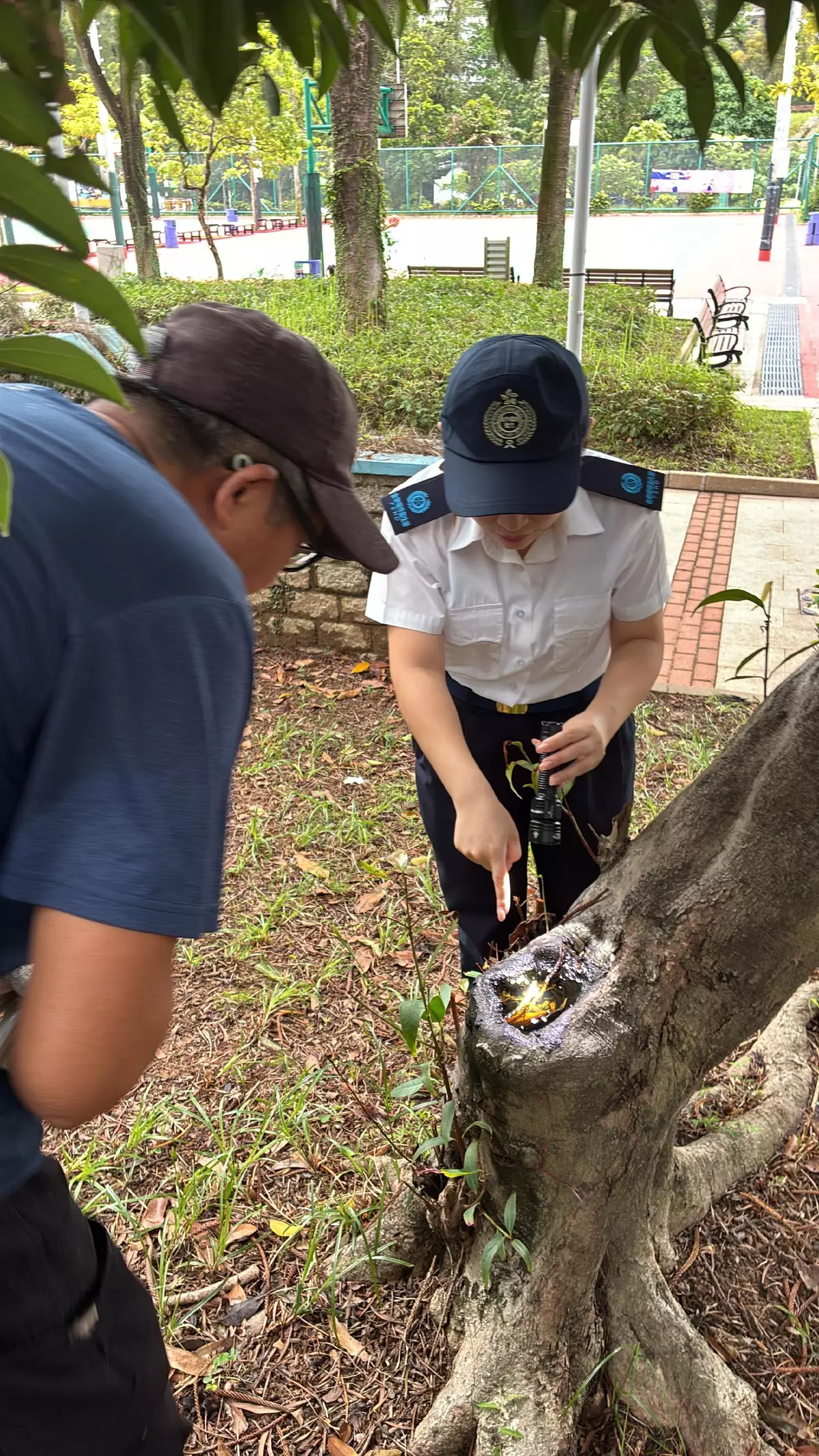
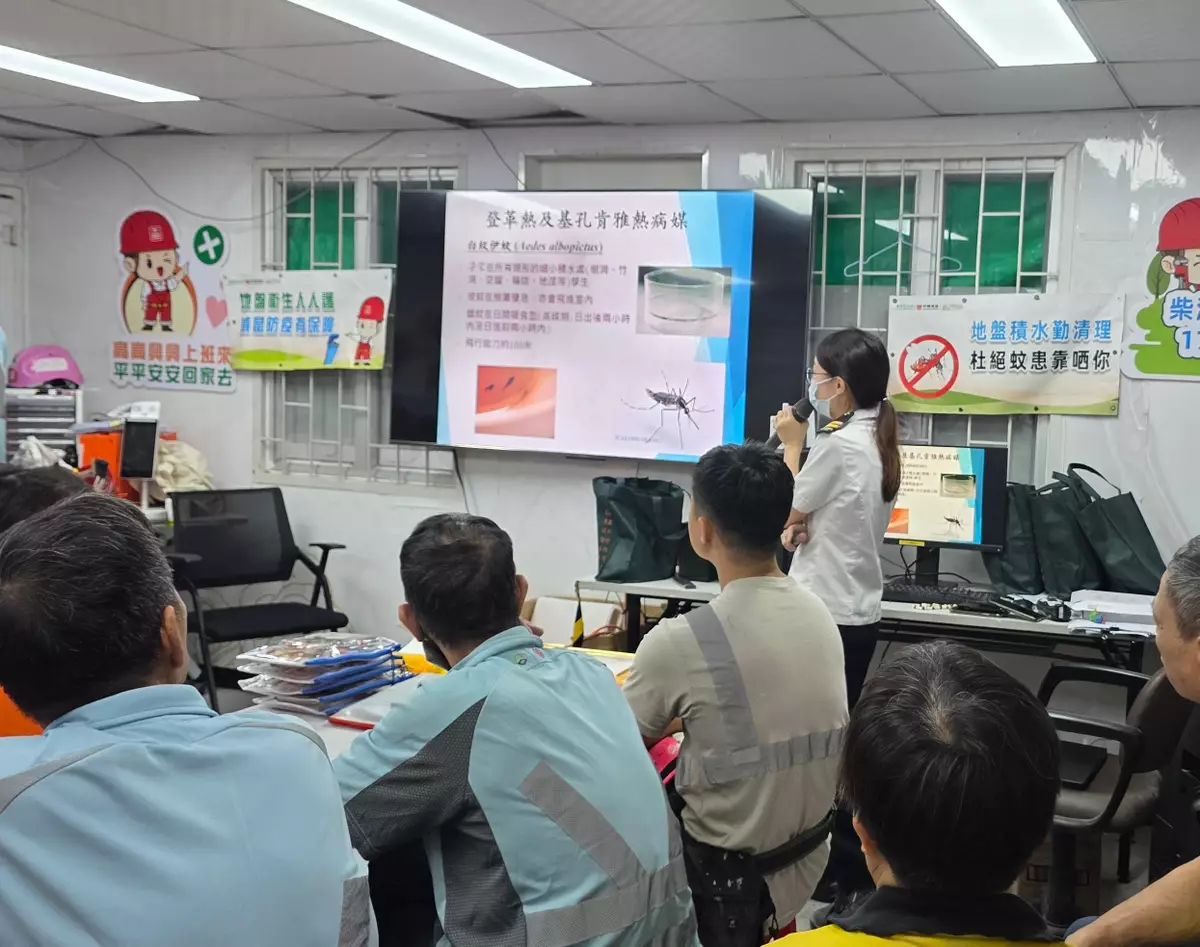
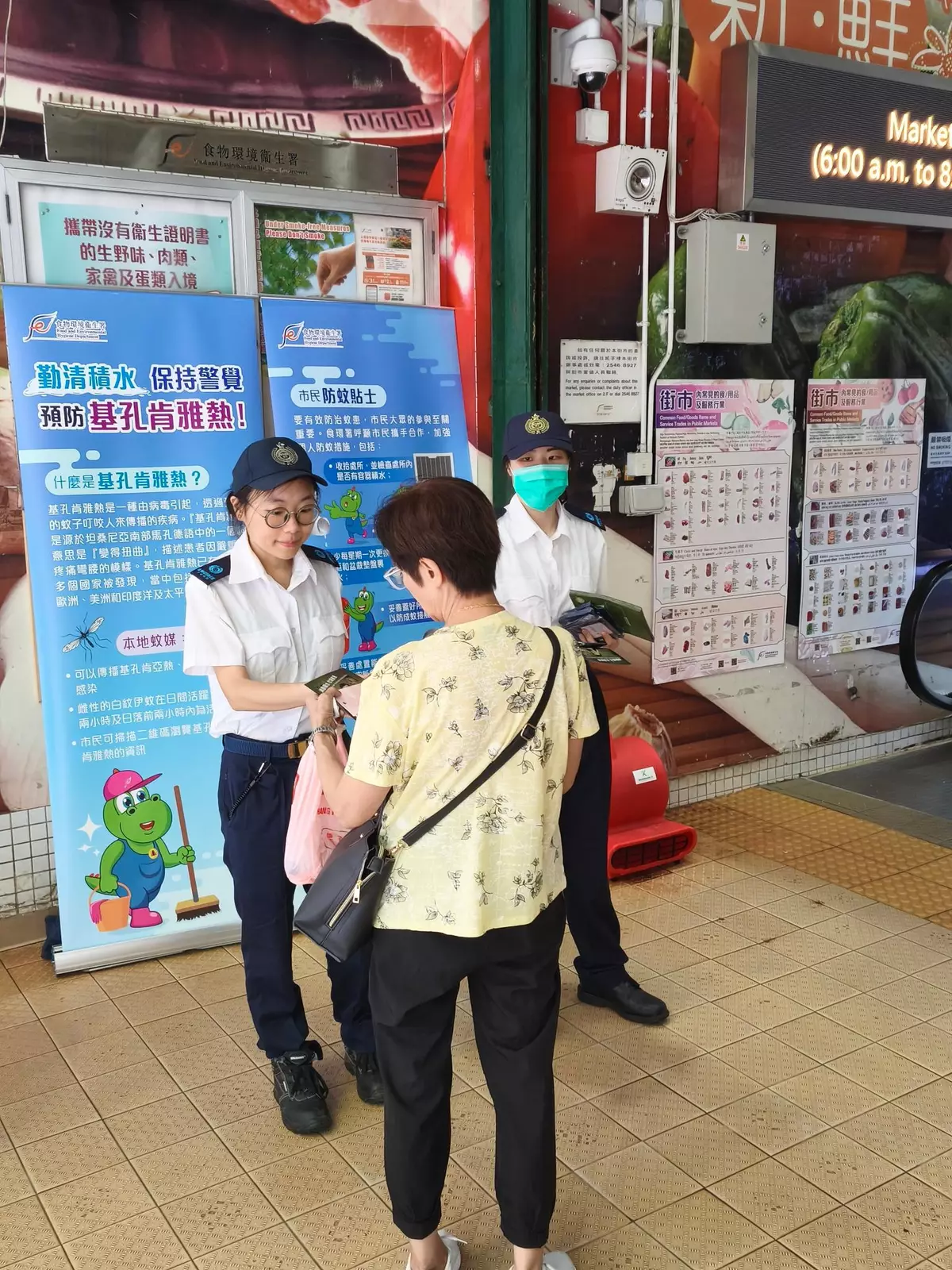
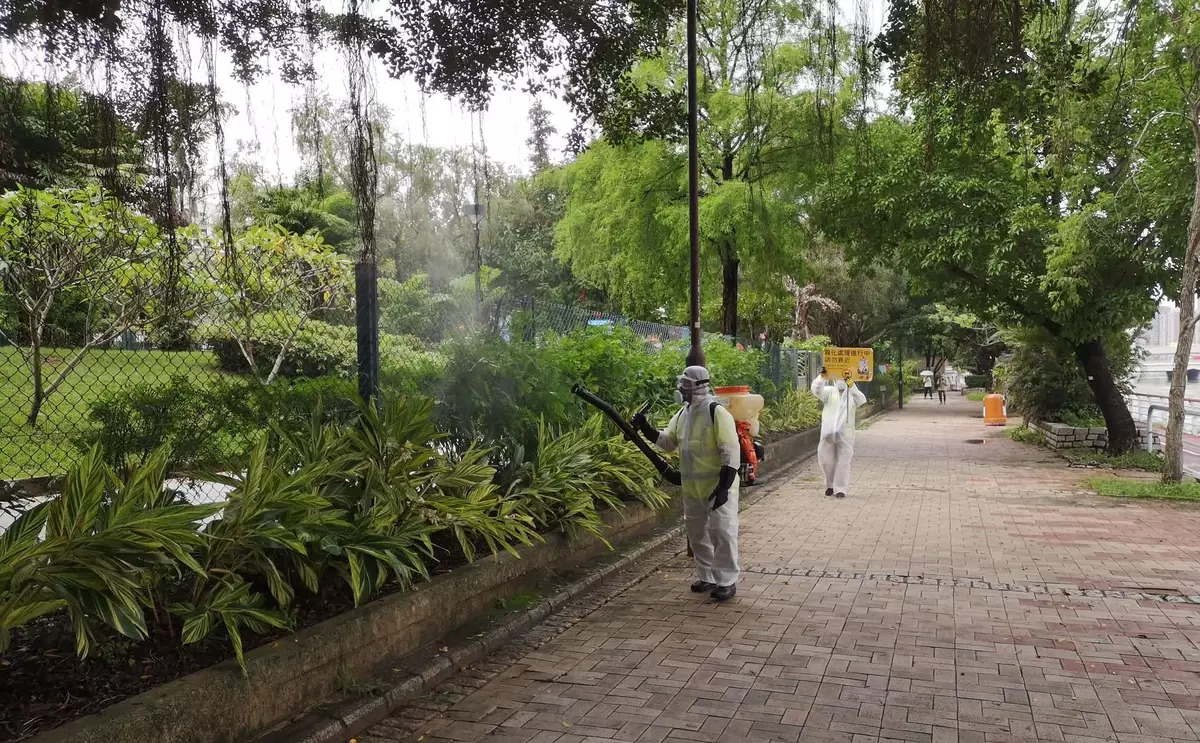
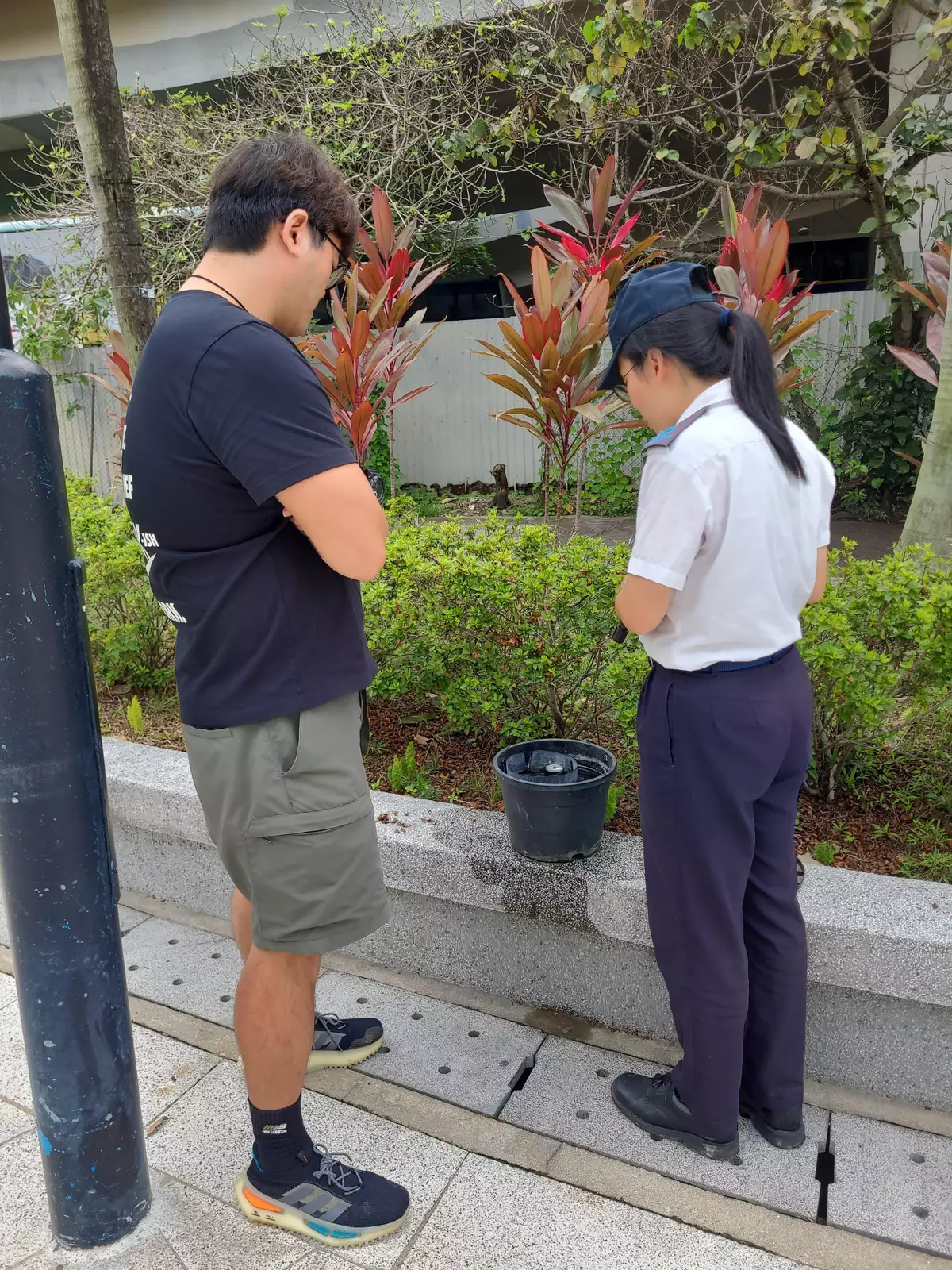
For survey areas which recorded indexes exceeding 10 per cent, in accordance with the mechanism implemented by the FEHD in response to the chikungunya fever (CF) situation (i.e. strengthening mosquito control work in areas with a gravidtrap index between 10 per cent and 20 per cent, instead of 20 per cent or above under the original mechanism), the FEHD is collaborating with relevant departments and stakeholders to identify locations with high mosquito infestations and carry out intensive and targeted mosquito control measures. The FEHD has initiated two prosecutions against the relevant construction site contractors following the discovery of mosquito breeding at construction sites in Tai Po District and Southern District. Moreover, following the discovery of stagnant water or stagnant water containers in a park, a construction site, a private housing estate, a clinic and a private premises in Tai Po District, Central and Western District, as well as Southern District, the FEHD has issued five statutory notices to the responsible persons-in-charge, requiring the clearance of such items within a specified timeframe. The FEHD, the relevant departments and stakeholders are following up on the mosquito control work, and will also organise exhibitions, distribute leaflets and posters, and notify residential estates that have subscribed to the gravidtrap Rapid Alert System, advising property management agents and residents to stay vigilant and work together in taking mosquito prevention and elimination measures. In addition, the FEHD will strengthen the monitoring of the gravidtrap index in the areas to review the effectiveness of the mosquito control work.
Public participation is crucial to the effective control of mosquito problems. The FEHD appeals to members of the public to continue to work together in strengthening personal mosquito control measures, including:
tidy up their premises and check for any accumulation of water inside the premises;
remove all unnecessary water collections and eliminate the sources;
check household items (those placed in outdoor and open areas in particular), such as refuse containers, vases, air conditioner drip trays, and laundry racks to prevent stagnant water;
change water in flower vases and scrub their inner surfaces thoroughly, and remove water in saucers under potted plants at least once a week;
properly cover all containers that hold water to prevent mosquitoes from accessing the water;
properly dispose of articles that can contain water, such as disposable meal boxes and empty cans; and
scrub drains and surface sewers with alkaline detergent at least once a week to remove any mosquito eggs.
Starting in August 2025, following the completion of the surveillance of individual survey areas, and once the latest gravidtrap index and the density index are available, the FEHD has been disseminating relevant information through press releases, its website and social media. It aims to allow members of the public to quickly grasp the mosquito infestation situation and strengthen mosquito control efforts, thereby reducing the risk of CF transmission.
Following recommendations from the World Health Organization and taking into account the local situation in Hong Kong, the FEHD sets up gravidtraps in districts where mosquito-borne diseases have been recorded in the past, as well as in densely populated places such as housing estates, hospitals and schools to monitor the breeding and distribution of Aedes albopictus mosquitoes, which can transmit CF and dengue fever. At present, the FEHD has set up gravidtraps in 62 survey areas of the community, with a surveillance period of two weeks. During the surveillance period, the FEHD will collect the gravidtraps once a week. After the first week of surveillance, the FEHD will immediately examine the glue boards inside the retrieved gravidtraps for the presence of adult Aedine mosquitoes to compile the Gravidtrap Index (First Phase) and Density Index (First Phase). At the end of the second week of surveillance, the FEHD will instantly check the glue boards for the presence of adult Aedine mosquitoes. Data from the two weeks of surveillance will be combined to obtain the Area Gravidtrap Index and the Area Density Index. The gravidtrap and density indexes for Aedes albopictus in different survey areas, as well as information on mosquito prevention and control measures, are available on the department's webpage (www.fehd.gov.hk/english/pestcontrol/dengue_fever/Dengue_Fever_Gravidtrap_Index_Update.html#).
FEHD releases fourth batch of gravidtrap indexes for Aedes albopictus in May Source: HKSAR Government Press Releases
FEHD releases fourth batch of gravidtrap indexes for Aedes albopictus in May Source: HKSAR Government Press Releases
FEHD releases fourth batch of gravidtrap indexes for Aedes albopictus in May Source: HKSAR Government Press Releases
FEHD releases fourth batch of gravidtrap indexes for Aedes albopictus in May Source: HKSAR Government Press Releases
FEHD releases fourth batch of gravidtrap indexes for Aedes albopictus in May Source: HKSAR Government Press Releases