HAARLEM, Netherlands (AP) — Palwasha Hamzad wants the Dutch election to be not about migration, but about tackling the chronic housing shortages in the Netherlands.
For Daniëlle Vergauwen, it's about putting "our own people" first.
Click to Gallery
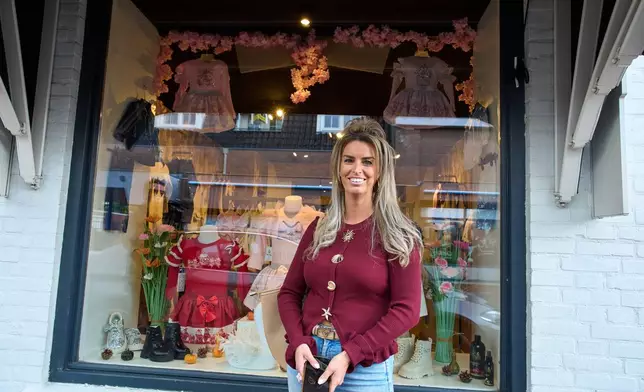
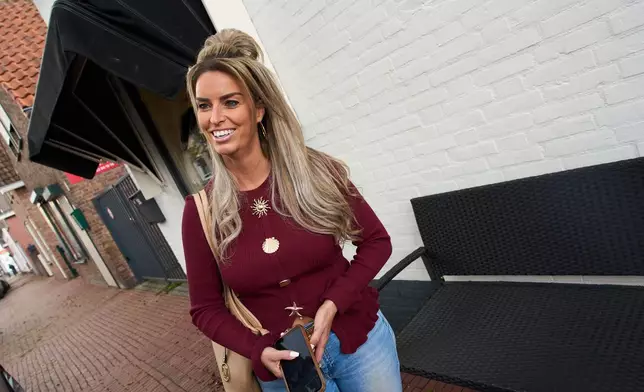
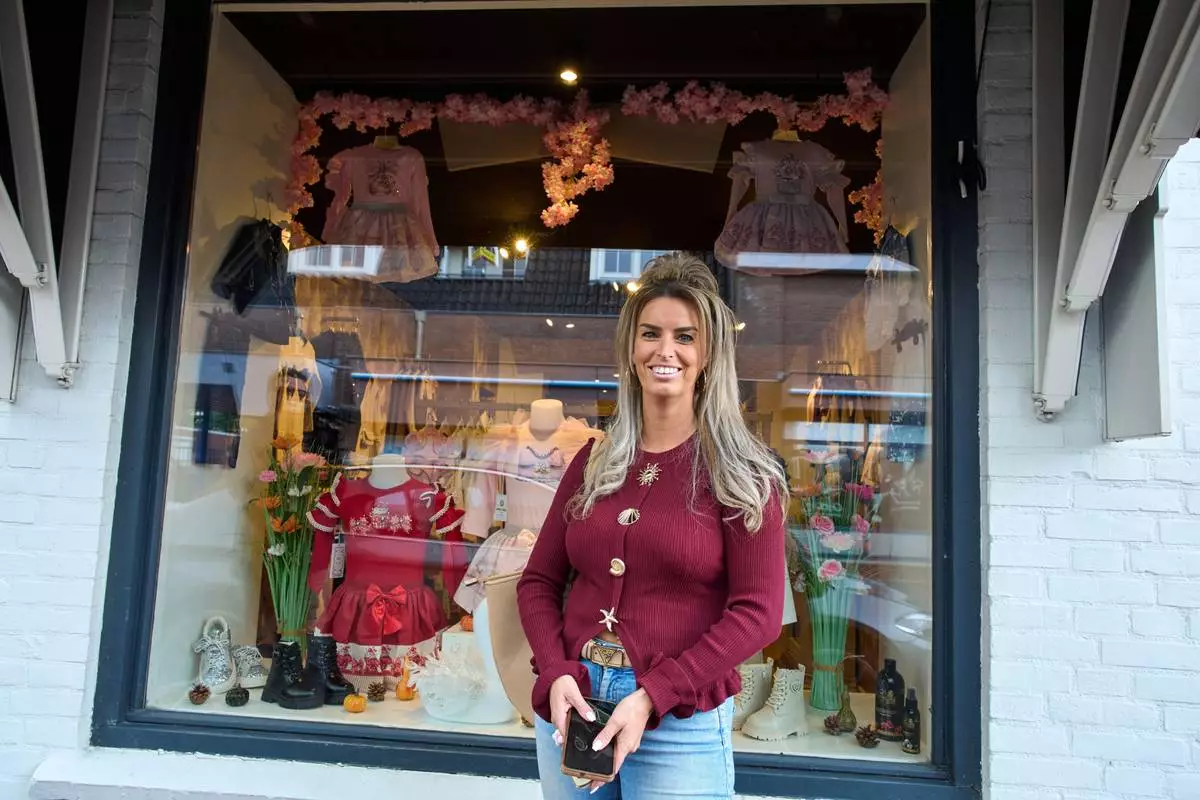
Daniëlle Vergauwen, who wants to put Dutch people first in the election, poses for a portrait at the historic town hall in Haarlem, Netherlands, Friday, Oct. 17, 2025. (AP Photo/Peter Dejong)
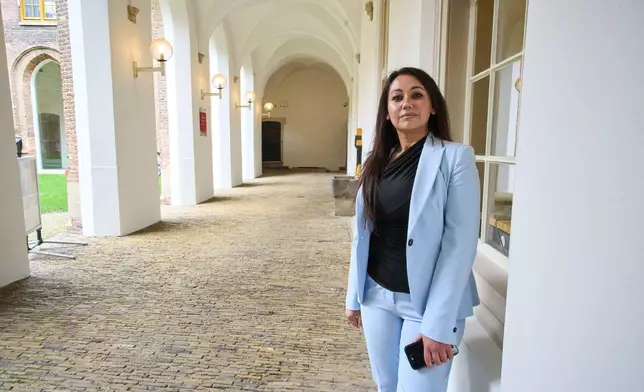
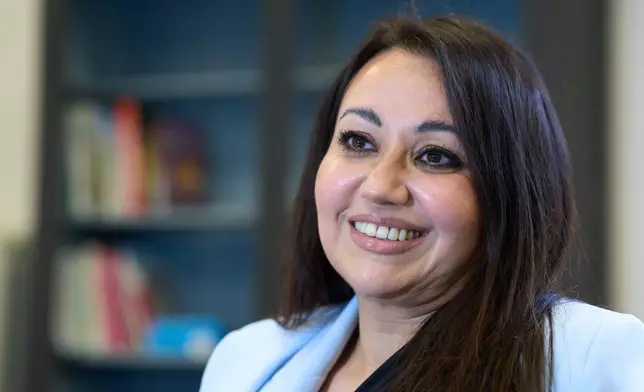
Palwasha Hamzad, who wants the Dutch election to be not about migration, but about tackling the chronic housing shortages in the Netherlands, poses for a portrait at the historic town hall in Haarlem, Netherlands, Friday, Oct. 17, 2025. (AP Photo/Peter Dejong)
Daniëlle Vergauwen, who wants to put Dutch people first in the election, poses for a portrait at the historic town hall in Haarlem, Netherlands, Friday, Oct. 17, 2025. (AP Photo/Peter Dejong)
Palwasha Hamzad, who wants the Dutch election to be not about migration, but about tackling the chronic housing shortages in the Netherlands, poses for a portrait in Haarlem, Netherlands, Friday, Oct. 17, 2025. (AP Photo/Peter Dejong)
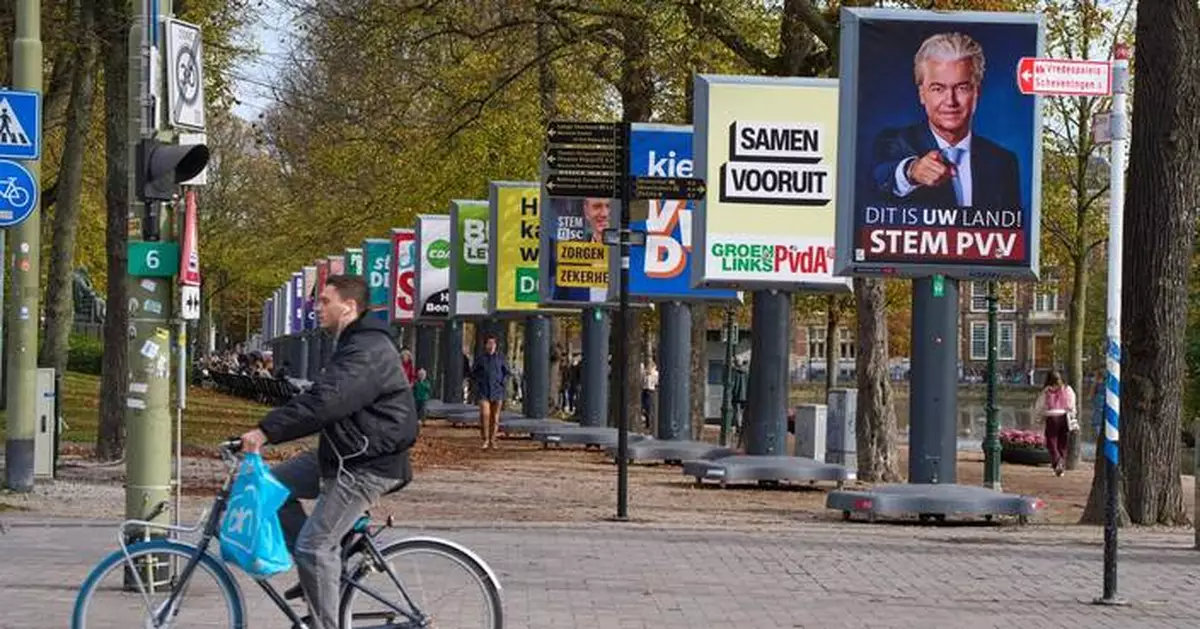
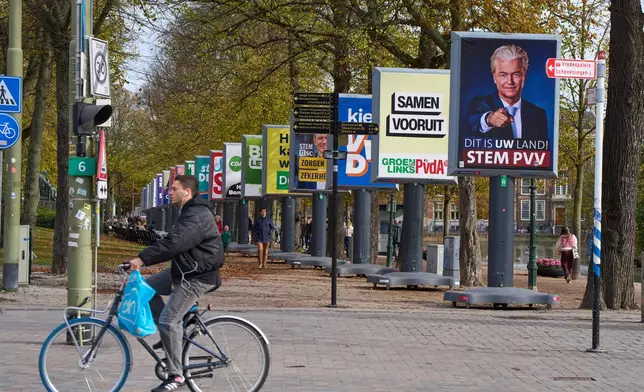
Election billboards of 26 of the 27 political parties participating in the Oct. 29 general elections are lined up in The Hague, Netherlands, Wednesday, Oct. 22, 2025. (AP Photo/Peter Dejong)
Their opposing views sum up two of the key issues in campaigning for the Oct. 29 election for all 150 seats in the Dutch parliament's legislative House of Representatives. They also echo debates about migration across Europe as right-wing politics gain support.
Far-right, anti-Islam lawmaker Geert Wilders ' Party for Freedom, known by its Dutch acronym PVV, swept to a shock victory in 2023 on a pledge to drastically rein in migration. He triggered the downfall of the subsequent four-party coalition government in June by withdrawing his lawmakers from the Cabinet in a dispute over implementing his crackdown.
This time around, Wilders’ campaign pledge is a “total halt” to asylum-seekers. An analysis of parties’ election manifestos by the Dutch Order of Lawyers said that such a policy would be a breach of international treaties.
“We have too many foreigners, too many asylum-seekers, too much Islam and far too many asylum-seeker centers,” Wilders’ manifesto says. What he casts as the ”open-borders policy” of his political rivals “is totally destroying our country.”
Wilders' party leads polls as the voting day nears, but even if he manages to win again, he is unlikely to manage to piece together a coalition, because many other mainstream parties have ruled out working with him. Other more mainstream parties also have included moves to cut migration in their manifestos as the issue cuts across political fault lines.
Violent protests against new asylum-seeker centers have broken out in recent months in towns and villages across the Netherlands, with protesters lighting flares and sometimes waving a tricolor flag that was adopted by Dutch Nazi sympathizers around World War II. Wilders says he's opposed to violence.
Hamzad is a beneficiary of long-standing Dutch hospitality to asylum-seekers that has taken a hit in recent years. She fled the Afghan capital, Kabul, as a child and eventually settled in this historic city close to Amsterdam. In near fluent Dutch, she identifies herself now as a proud resident of Haarlem, where she works in elementary education and is a municipal representative for the Green Left, the party that has joined forces with the Labor Party to present a united center-left bloc at the election.
Hamzad argues that people being forced to sleep in cars, and families having to wait for years for social housing are far more pressing issues than reining in migration. She says the housing crisis isn't caused by “new Netherlanders,” but instead by years of right-leaning ruling coalitions.
“We see that the free market has had too much influence, and social provisions have been more and more eroded,” she said.
Vergauwen was born and raised in the rural village of Sint Willebrord, where nearly three out of every four votes went to Wilders' party at the 2023 election.
“We’re more for our own people,” she said outside the clothing store she owns and runs in Sint Willebrord's main street. “Of course, we grant them more than we grant the foreigners who come in.”
Wilders conflates the issues of housing shortages that sees people wait for years for a subsidized apartment or priced out of overheated housing markets. He argues that waiting lists are so long because refugees get preferential treatment.
Vergauwen agrees.
“You increasingly see people coming to the Netherlands because things are getting worse in their own country," she said. "But then you’ll end up with your own children no longer being able to have a home. And I would find that very sad.”
The official Dutch government statistics office says that overall migration last year was down by 19,000 from the previous year to 316,000 in this nation of 18 million, including people whose asylum applications were accepted. Around 40% came from Europe and almost half from the rest of the world. About one in 10 were Dutch nationals returning from overseas.
The government says that municipalities have other options for housing refugees, not just social accommodation. The Dutch refugee council rejects Wilders’ argument that people granted a protection visa to live in the Netherlands are the cause of the housing crisis, saying there are simply not enough houses being built.
Léonie de Jonge, Professor of Far-Right Extremism at the University of Tübingen in Germany, says Wilders “has been super successful in politicizing immigration as a cultural threat to the homogeneity of the Netherlands.”
Keeping the issue high on the political agenda "really helps to explain why the PVV is so successful,” she added.
De Jonge said that while support for Wilders remains high, voters could still punish him at the ballot box for failing to deliver on his promises after the 2023 election.
Hamzad says she is optimistic the election will bring a change of political direction and will be remaining in her adopted homeland regardless of the outcome.
“It's my life and my future,” she said. “My commitment is here in the Netherlands.”
Daniëlle Vergauwen, who wants to put Dutch people first in the election, poses for a portrait at the historic town hall in Haarlem, Netherlands, Friday, Oct. 17, 2025. (AP Photo/Peter Dejong)
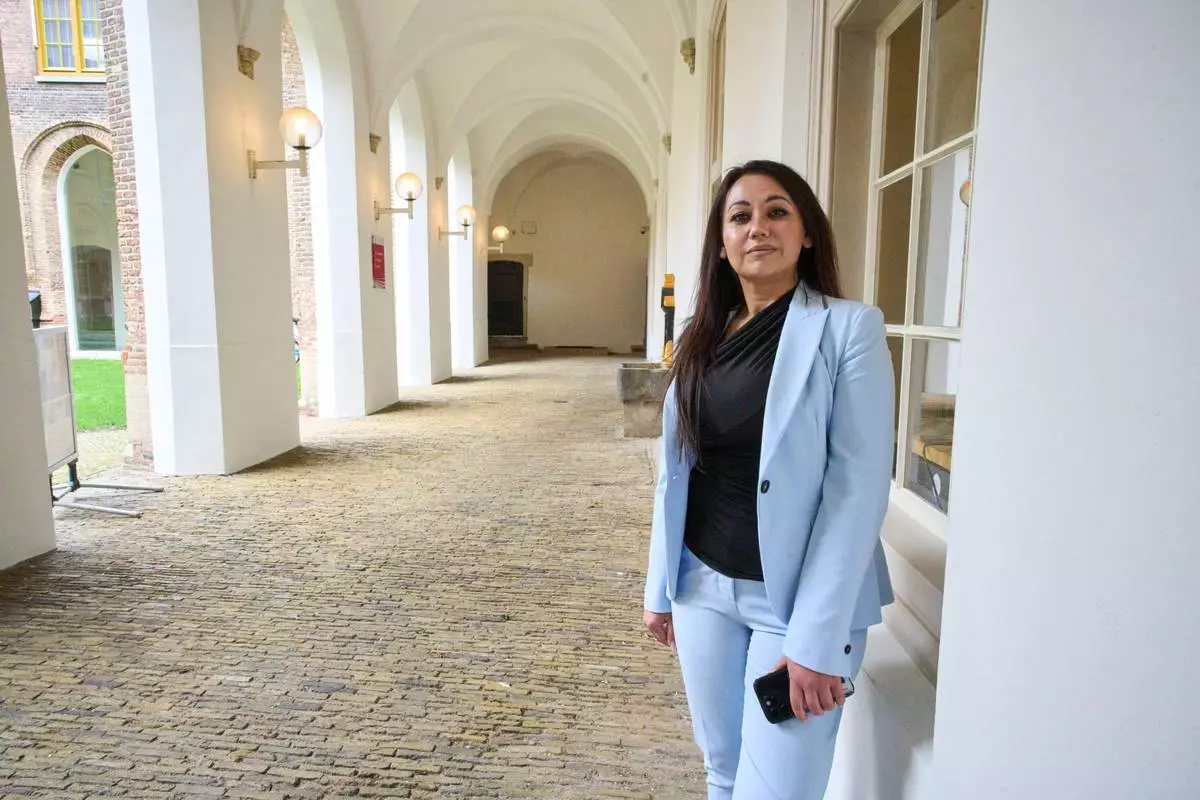
Palwasha Hamzad, who wants the Dutch election to be not about migration, but about tackling the chronic housing shortages in the Netherlands, poses for a portrait at the historic town hall in Haarlem, Netherlands, Friday, Oct. 17, 2025. (AP Photo/Peter Dejong)
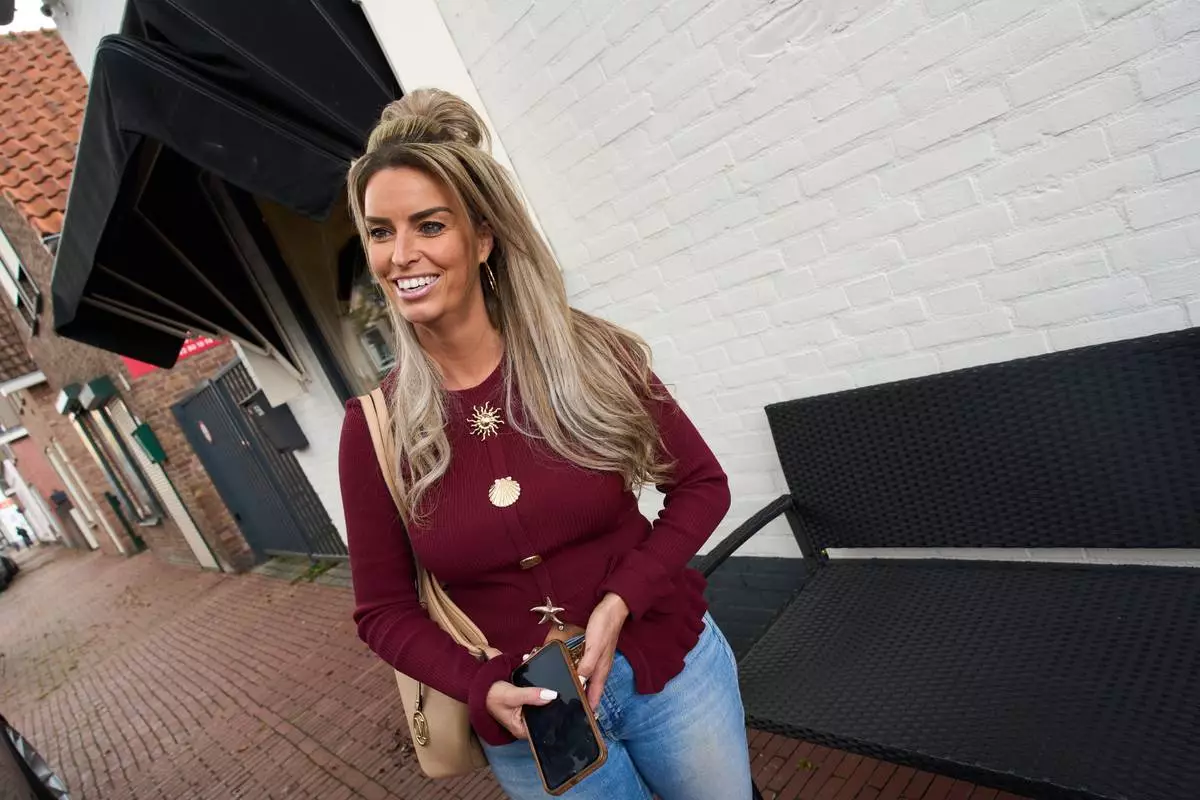
Daniëlle Vergauwen, who wants to put Dutch people first in the election, poses for a portrait at the historic town hall in Haarlem, Netherlands, Friday, Oct. 17, 2025. (AP Photo/Peter Dejong)
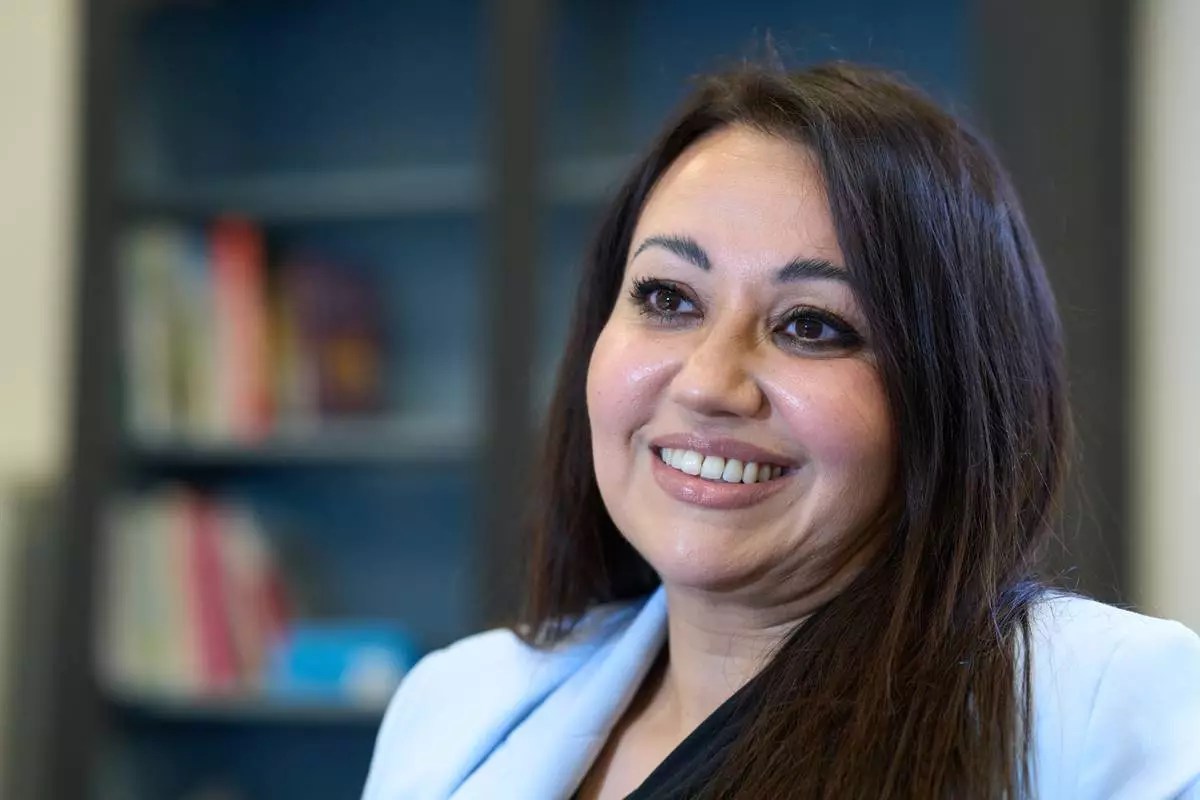
Palwasha Hamzad, who wants the Dutch election to be not about migration, but about tackling the chronic housing shortages in the Netherlands, poses for a portrait in Haarlem, Netherlands, Friday, Oct. 17, 2025. (AP Photo/Peter Dejong)
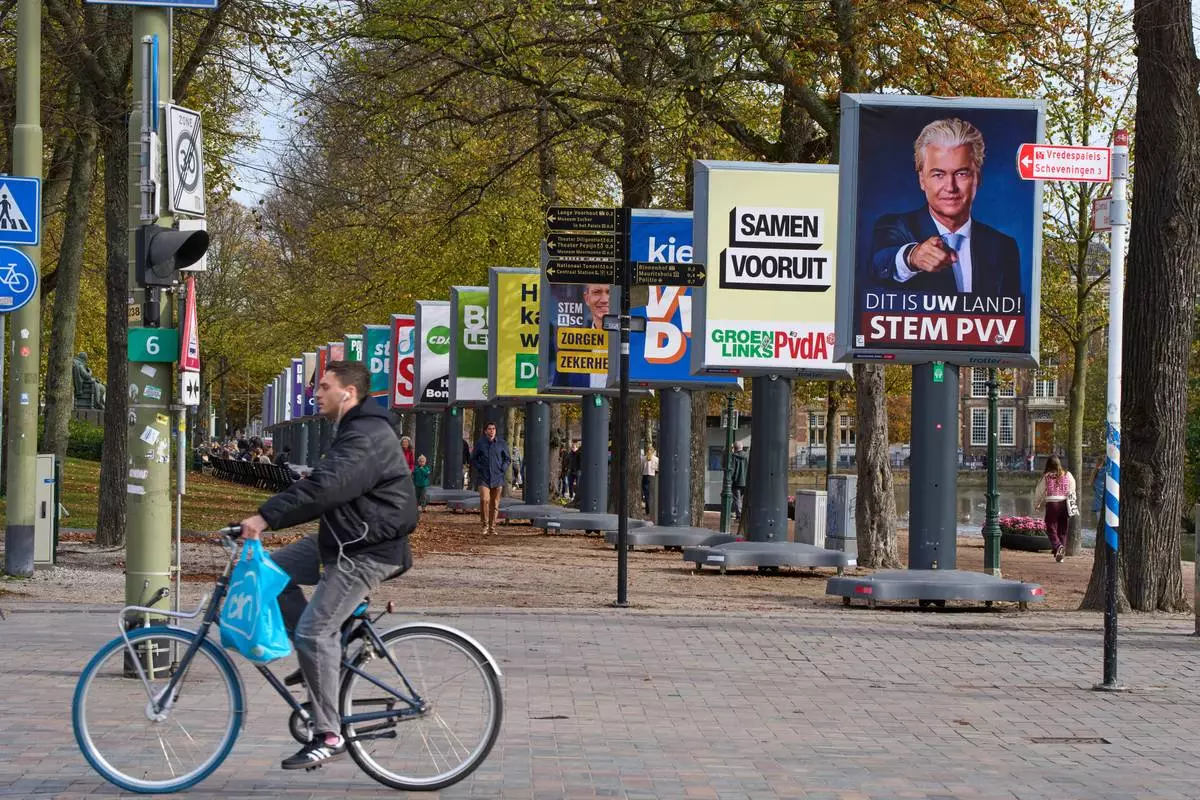
Election billboards of 26 of the 27 political parties participating in the Oct. 29 general elections are lined up in The Hague, Netherlands, Wednesday, Oct. 22, 2025. (AP Photo/Peter Dejong)
MEMPHIS, Tenn. (AP) — For 21 years, Steve Fowler and Sam Wilson have performed together in a band on Memphis’ renowned Beale Street. And for the past decade, the men have been neighbors on a quiet, leafy avenue.
But as of Thursday, they will no longer cast the same ballot despite living across the street from each other.
That’s because Tennessee’s Republican-controlled legislature redrew the congressional district of Memphis, which has long enjoyed its own Democratic-leaning U.S. House seat. Now, the city is split into three Republican-leaning districts, its majority-Black population sliced up and bound to mostly white, rural and conservative communities along lines that branch away from Fowler and Wilson’s East Memphis neighborhood.
A line runs down the middle of the street, placing Fowler in the 8th Congressional District, which runs hundreds of miles to central Tennessee across a dozen counties. Wilson is zoned for the 9th District, which extends across most of the state’s southern border before curving up to encompass the largely white and affluent Nashville suburbs.
“I think it’s horrible,” said Fowler, who is white. “This isn’t just going to be bad for Black folks in Memphis, but poor whites in these new districts also aren’t going to get services. How are any of these congressmen going to serve all these different counties?”
The redraw was sparked by a ruling from the conservative majority of the U.S. Supreme Court that may be a death knell for congressional representation of majority-Black Southern communities such as Memphis.
For 60 years, a provision of the landmark Voting Rights Act required mapmakers to prove they were not discriminating against racial minorities in how they drew districts, often leading to political boundaries that allowed some minority communities to vote for their preferred representative rather than having their vote diluted by white majorities surrounding them.
The rule had the greatest effect in Southern states, where neighboring Black and white communities remain highly polarized in partisan politics.
On April 29, the justices severely weakened that requirement, ruling that the way courts had handled it improperly injected racial matters into redistricting in violation of the U.S. Constitution. Republicans across the South immediately leaped at the chance to redraw their maps before the November elections to eliminate as many Democratic-held, majority-minority congressional seats as possible.
Tennessee’s legislature was the first in a GOP-controlled state to finalize a new map. But it is one of several Southern states — Alabama, Florida, Louisiana, Mississippi and South Carolina among them — engaged in a broader partisan redistricting competition sweeping the country.
Republicans have long complained that the Voting Rights Act prevented them from doing to Democratic, majority-Black districts what Democrats in states they control do to conservative-leaning, white and rural areas — scatter their voters for partisan gain. That is what Tennessee Republicans did in their initial congressional map in 2021 to the state’s other large reservoir of Democrats in Nashville, where they did not have to step gingerly because that city is majority white.
“Tennessee is a conservative state and our congressional delegation should reflect that,” said Republican state Sen. John Stevens, who shepherded the bill for a new map that made all nine congressional districts solidly Republican.
Wilson, the Memphis musician who is Black, was less distraught by the carving up of his neighborhood for partisan purposes. He saw the move as just another trial facing the city after a surge of federal agents sent by President Donald Trump to combat crime and amid narratives about Memphis' safety from neighboring suburbs and Republican state lawmakers.
“It’s a hustling community. We’re going to make ends meet for our families,” Wilson said. “The legacy of Memphis is music and our civil rights history,” he said, adding the two were intertwined. “Hard times mean you’re going to try and find your gift. That’s what we do here; music in Memphis is a way of life.”
The Memphis district predates the Voting Rights Act. For at least a century, well before Congress acted to protect minority voting rights, Tennessee has believed it made sense for its metropolis on the Mississippi River to have its own U.S. House district. But since that law was passed in 1965, anyone who tried to split up the district for partisan gain could be sued and have the maps thrown out. Now, legal experts say that is not much of a risk.
Nonetheless, Democrats and civil rights groups are suing to block the map. The symbolism is especially sharp as the city is home to the National Civil Rights Museum, built around the motel where the Rev. Martin Luther King Jr. was assassinated in 1968. When the legislature passed the new maps, Democrats and protesters shouted “hands off Memphis!” and waved signs accusing Republicans of bringing back Jim Crow.
“Memphis is not just any city; it holds a central place in the national story of our quest for racial justice in this country and how, over time, we have increasingly achieved civil, voting, and economic rights for all Americans,” said Eric Holder, a former U.S. attorney general who chairs the National Democratic Redistricting Committee. “Black citizens protested, marched and died there for the right to vote.”
Memphis has faced dual stories in recent years. Billions of dollars in private investment and federal dollars have flooded into the area in recent years, but many local businesses still express concerns about a lagging regional economy.
Residents who spoke with The Associated Press expressed concerns about safety and public services but bristled at stereotypes about rampant crime. The twin stories are often on display in the river city, where pothole-filled streets run from empty storefronts to ornate mansion-filled neighborhoods and leafy college campuses only blocks away.
The city has long had a contentious relationship with the rest of the state, which voted for Trump in 2024 by a roughly 2-1 margin.
The conservative legislature in Nashville has clashed repeatedly with Memphis and accused its leaders of broad mismanagement. The legislature passed a law blocking many police overhaul efforts in Memphis that were put in place after the death of Tyre Nichols, an unarmed Black man, at the hands of city officers in 2023. It passed another measure seizing control of Memphis’ airport board and those of other cities across the state, and gave the state attorney general, also a Republican, the power to remove Memphis' elected district attorney.
“The state legislature is trying to take it over,” said U.S. Rep. Steve Cohen, the white Democrat who still represents the city in Congress until the new lines kick in after the midterms. “And that’s absurd. It was all partially because it’s a majority Black city.”
Thomas Goodman, a politics and law professor at Rhodes College in Memphis, notes that the new congressional districts may lead to greater friction over who receives attention — and funding — from lawmakers. Memphis residents will soon share districts with Republican towns with starkly different economies, geographies and demographics. Whoever holds those congressional seats will have an incentive to pay attention to those voters and not to Memphis’ population.
“It would not only deprive Black Tennesseans of proper representation,” Goodman said. “These changes also break up the city of Memphis as an entity into multiple districts, thereby removing a dedicated agent in government who knows the people, who understands their concerns and can speak for them and deliver on behalf of their interests and desires.”
Chris Wiley’s house sits in what was, before this week, a quiet street in Midtown Memphis dotted with duplexes, tidy lawns and sports fields. Now his neighborhood is carved apart at the intersection of three congressional districts. That is not surprising, he said, because “Tennessee is all about the dollar” rather than residents.
“Memphis is majority Black, so if you mess with that, what’s the point of even voting in Tennessee?” said Wiley, a 29-year-old sports stadium worker who is Black. “Whatever the congressional numbers, whatever that is, we don’t count on the scale as high, anyway.”
Associated Press writer Nicholas Riccardi in Denver and AP videojournalist Sophie Bates contributed to this report.
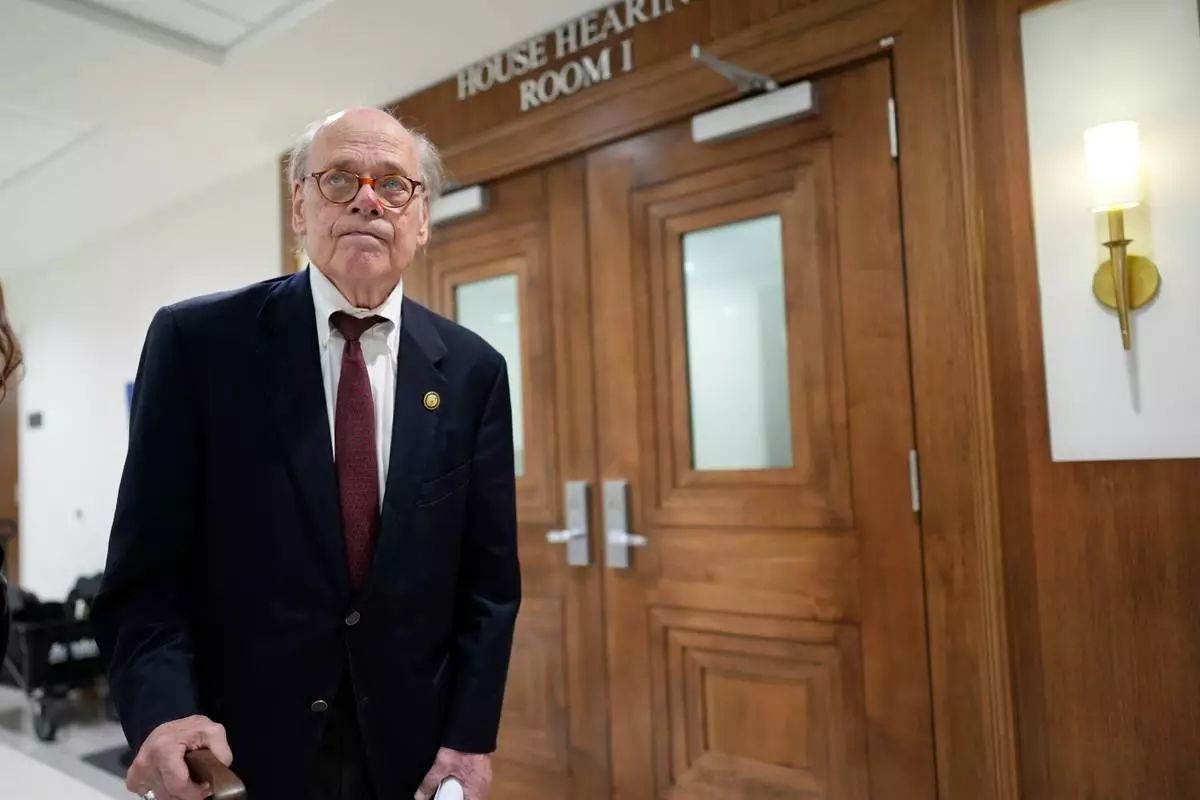
Rep. Steve Cohen, D-Tenn., of Memphis stands outside a House hearing room during a special session of the state legislature to redraw U.S. Congressional voting maps Wednesday, May 6, 2026, in Nashville, Tenn. (AP Photo/George Walker IV)
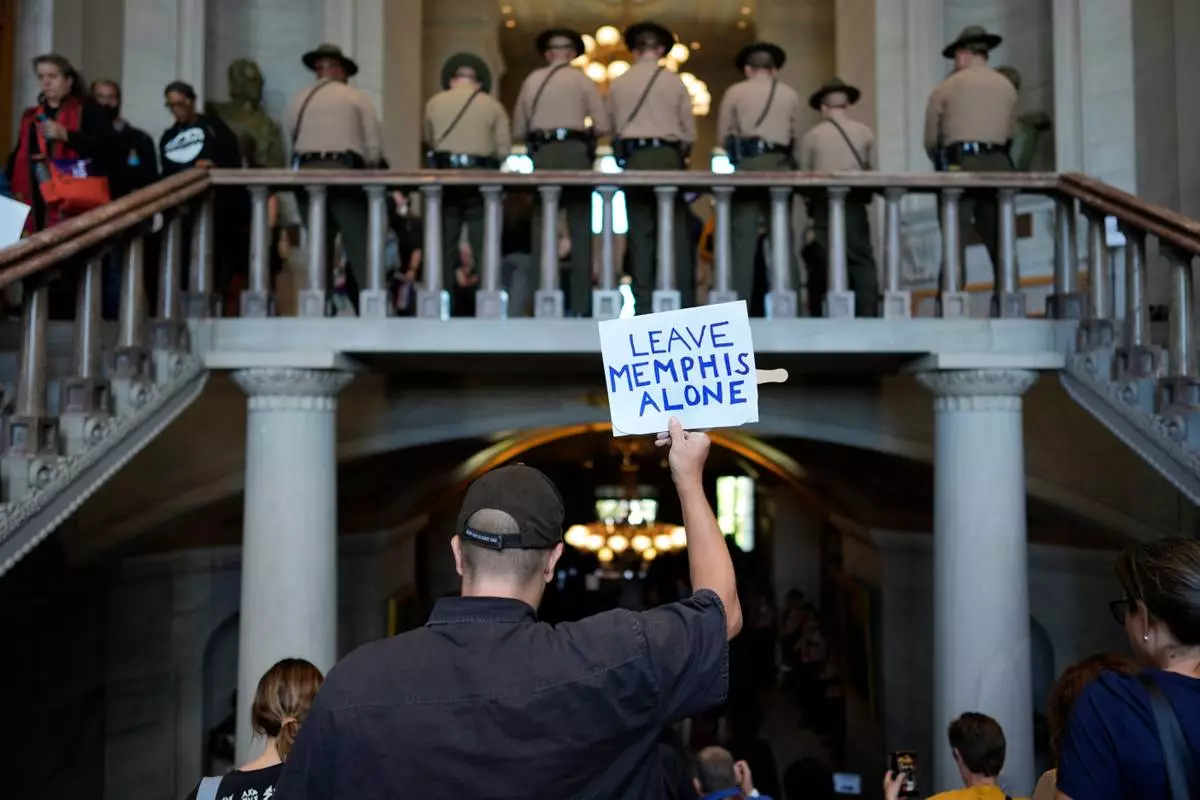
A person leaves the state Capitol after a special session of the state legislature to redraw U.S. Congressional voting maps Thursday, May 7, 2026, in Nashville, Tenn. (AP Photo/George Walker IV)
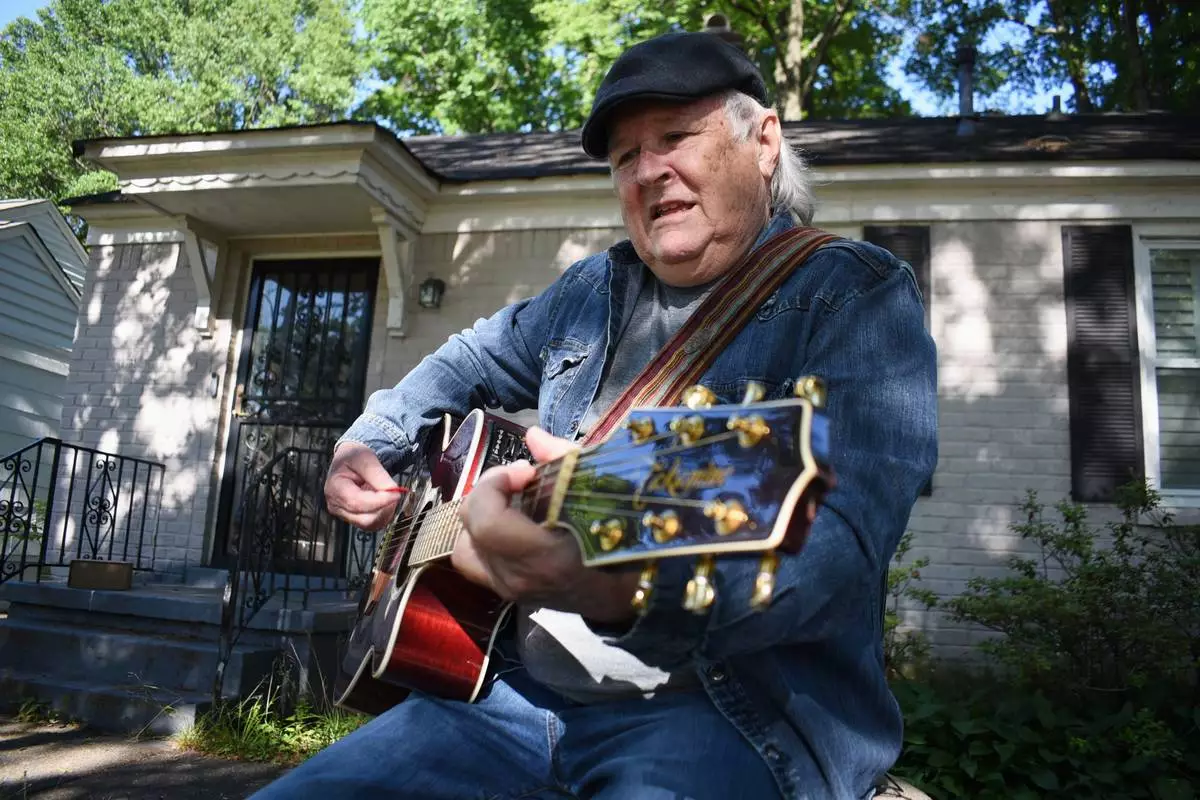
Steve Fowler, a Beale Street musician whose street was bisected by Tennessee's new congressional districts, strums the guitar in his front yard on Thursday, May 7, 2026, in Memphis, Tenn. (AP Photo/Sophie Bates)
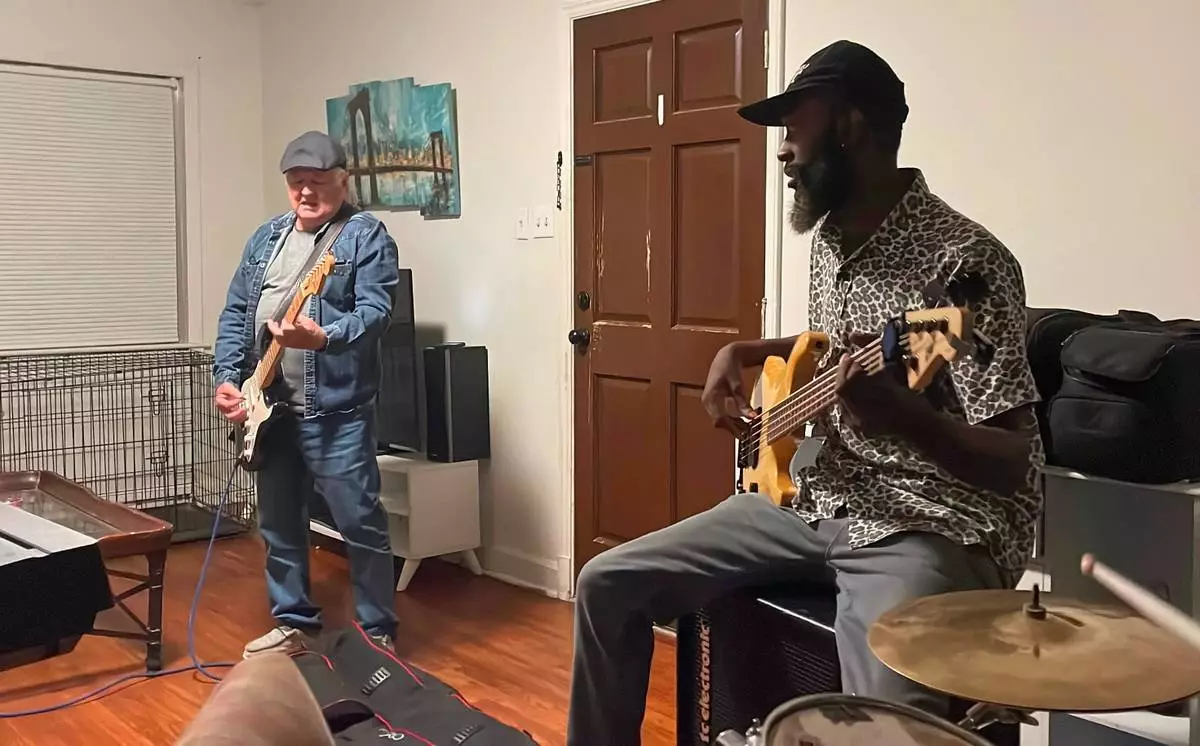
Steve Fowler, left, and Sam Wilson, right, rehearse with their band on Thursday, May 7, 2026, in Memphis, Tenn. (AP Photo/Sophie Bates)
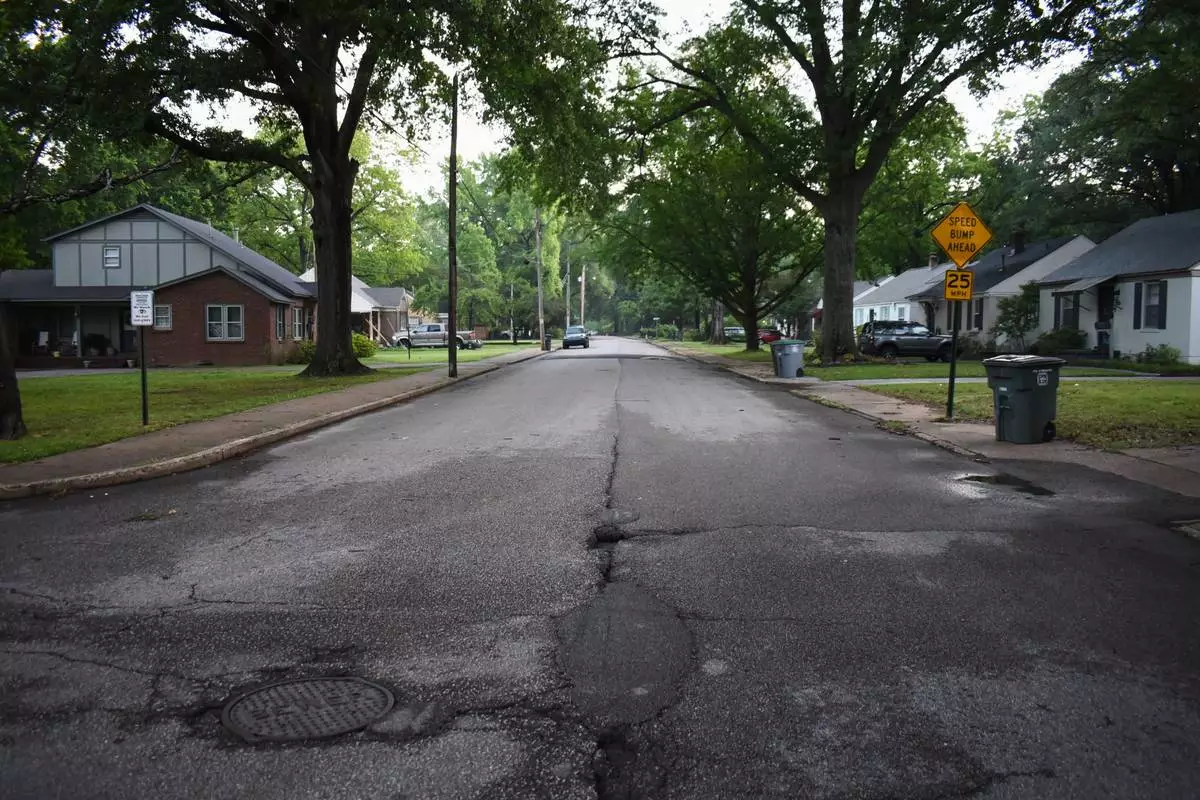
A portion of Shotwell Street in Memphis, Tenn., that is now a dividing line between two newly-redrawn congressional districts, is seen Thursday, May 7, 2026, in Memphis, Tenn. (AP Photo/Sophie Bates)