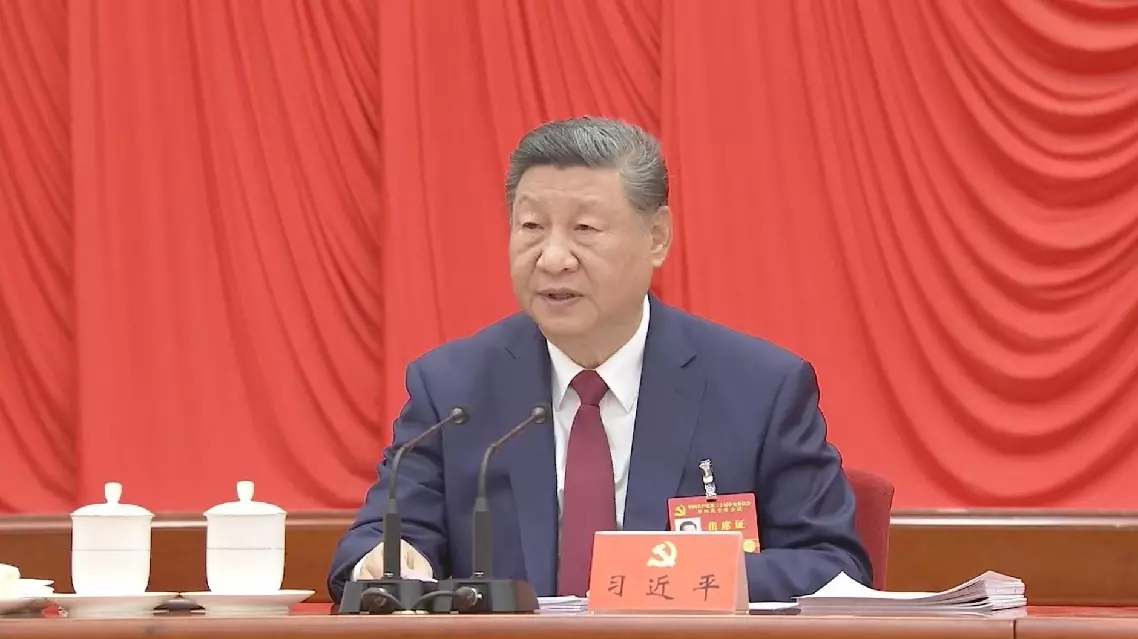
The 20th Central Committee of the Communist Party of China (CPC) convened its fourth plenary session in Beijing from Monday to Thursday.
Participants at the session deliberated over and adopted the Recommendations of the CPC Central Committee for Formulating the 15th Five-Year Plan for Economic and Social Development, according to a communique of the session released on Thursday.
Click to Gallery
CPC plenum concludes, adopting recommendations for China's 15th Five-Year Plan
CPC plenum concludes, adopting recommendations for China's 15th Five-Year Plan
CPC plenum concludes, adopting recommendations for China's 15th Five-Year Plan
CPC plenum concludes, adopting recommendations for China's 15th Five-Year Plan
CPC plenum concludes, adopting recommendations for China's 15th Five-Year Plan
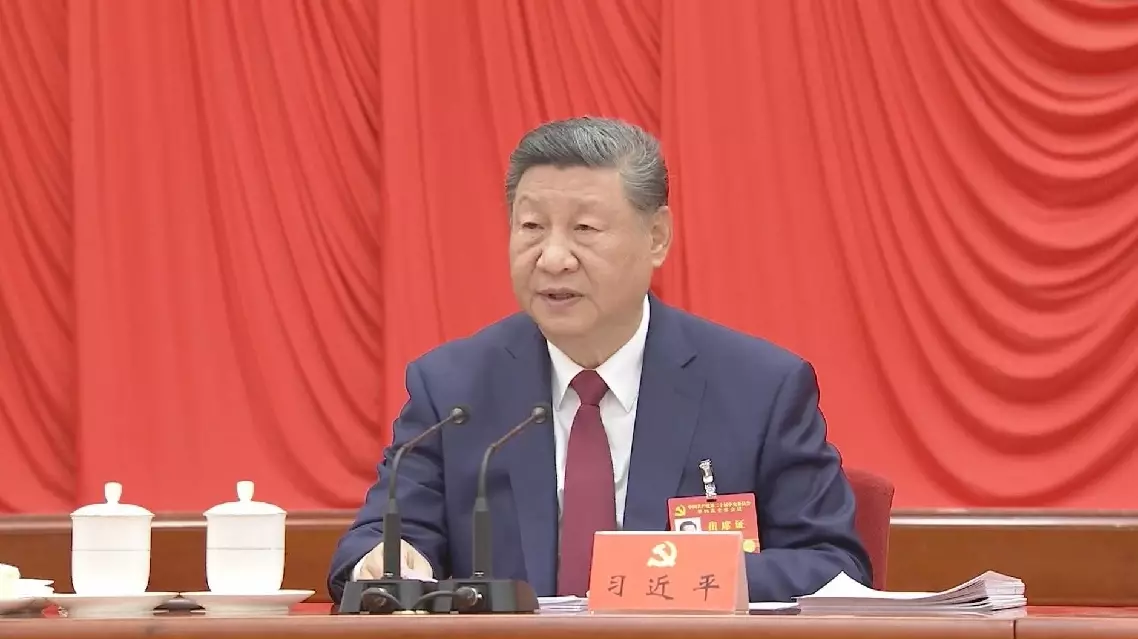
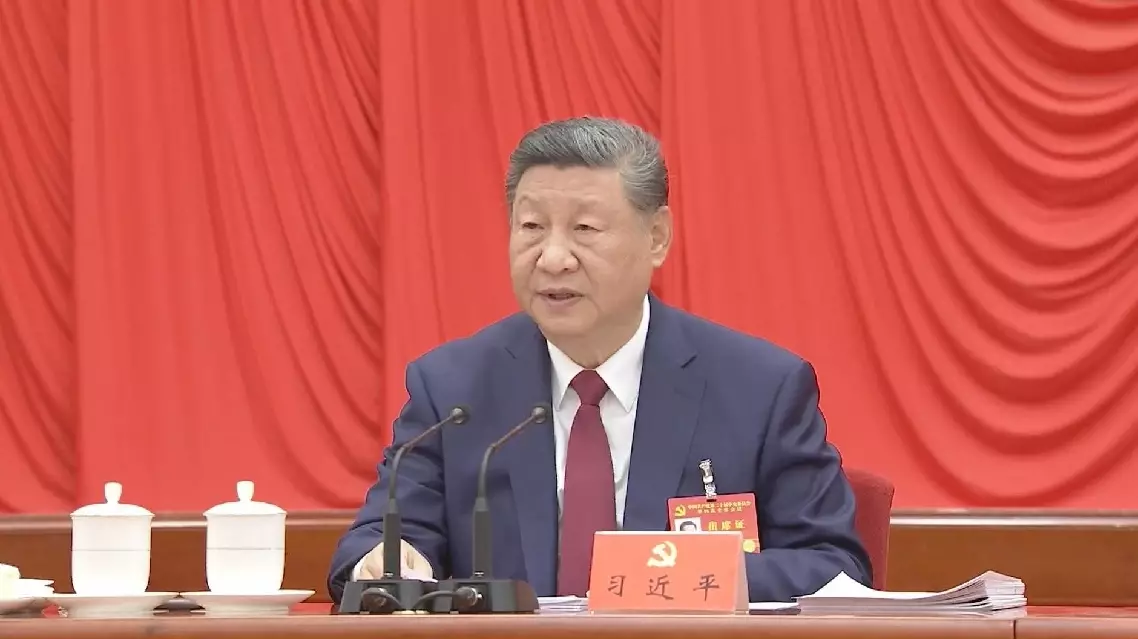
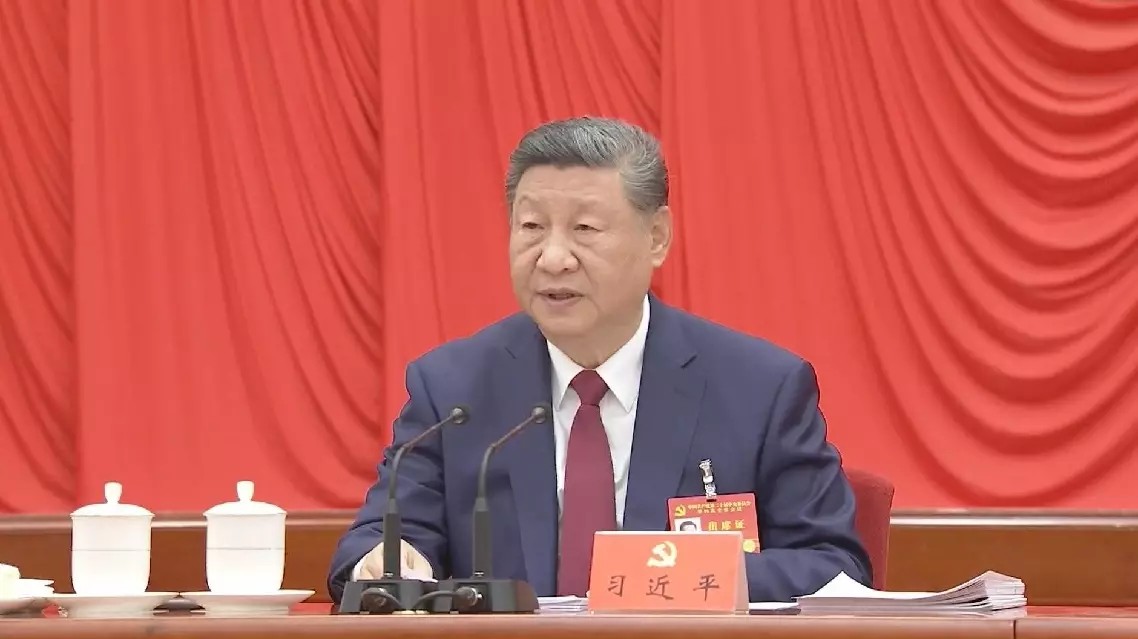
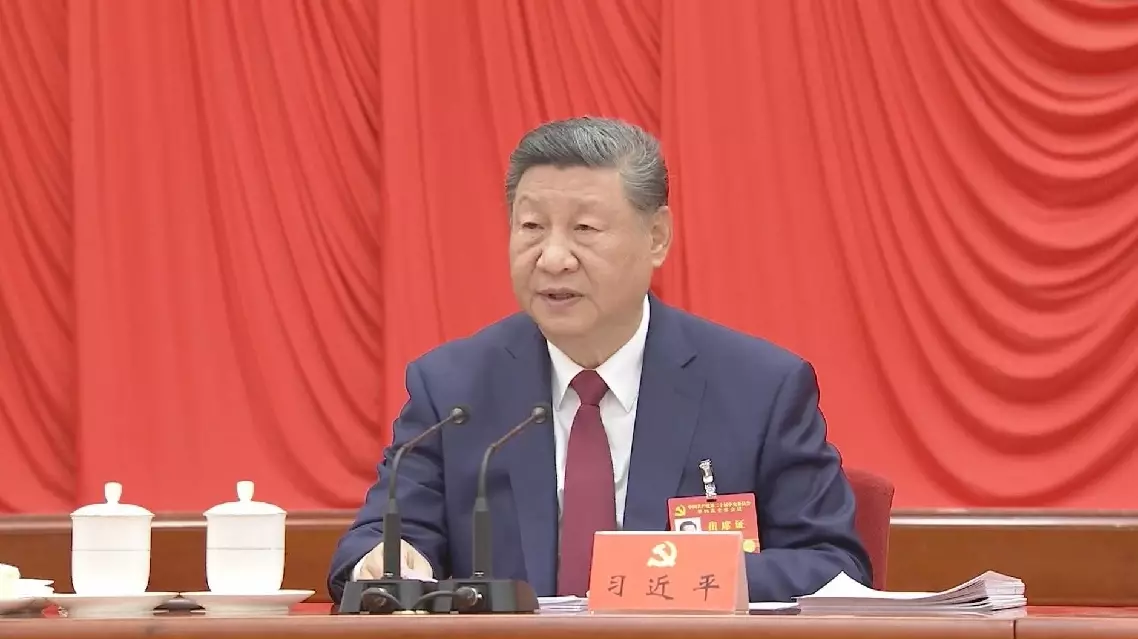
The Political Bureau of the CPC Central Committee presided over the meeting. Xi Jinping, general secretary of the CPC Central Committee, delivered important addresses, according to the communique.
The participants heard and discussed a report presented by Xi on the work of the Political Bureau.
Xi also delivered explanatory remarks on the draft recommendations.
At the session, the CPC Central Committee fully affirmed the work of the Political Bureau since the third plenary session of the 20th CPC Central Committee.
China is now on the verge of accomplishing the major objectives and tasks of the 14th Five-Year Plan, according to the communique.
Participants at the session gave a highly positive assessment of China's major development achievements during the 14th Five-Year Plan period (2021-2025), which has marked a momentous and extraordinary period in the country's development.
The 15th Five-Year Plan period (2026-2030) will be critical as the country works to reinforce the foundations and push ahead on all fronts toward basically achieving socialist modernization by 2035, and it will thus serve as a key link between the past and the future, according to the communique.
At present, China remains in a phase of development where strategic opportunities exist alongside risks and challenges, while uncertainties and unforeseen factors are rising.
"All of us in the Party must acquire a deep understanding of the decisive significance of establishing Comrade Xi Jinping's core position on the Party Central Committee and in the Party as a whole and of establishing the guiding role of Xi Jinping Thought on Socialism with Chinese Characteristics for a New Era," said the communique.
At the session, the CPC Central Committee established the following guiding principles for economic and social development during the 15th Five-Year Plan period: upholding the Party's overall leadership; putting the people first; pursuing high-quality development; comprehensively deepening reform; promoting interplay between an efficient market and a well-functioning government; and ensuring both development and security.
The CPC Central Committee also set the following major objectives for the 15th Five-Year Plan period: significant advancements in high-quality development; substantial improvements in scientific and technological self-reliance and strength; fresh breakthroughs in further deepening reform comprehensively; notable cultural and ethical progress across society; further improvements in quality of life; major new strides in advancing the Beautiful China Initiative; and further advances in strengthening the national security shield.
China should build a modernized industrial system and reinforce the foundations of the real economy, said the communique.
The country should achieve greater self-reliance and strength in science and technology and steer the development of new quality productive forces.
It should build a robust domestic market and work faster to foster a new pattern of development, said the communique.
China should move faster to develop a high-standard socialist market economy and boost the momentum for high-quality development.
The country should promote high-standard opening up and create new horizons for mutually beneficial cooperation.
It should accelerate agricultural and rural modernization and take solid steps to advance all-around rural revitalization.
China should refine its regional economic layout and promote coordinated regional development, according to the communique.
The country should inspire the cultural creativity of the entire nation and foster a thriving socialist culture.
China should work harder to ensure and improve public well-being and promote prosperity for all, said the communique.
The country should accelerate the green transition across the board in an effort to build a Beautiful China.
It should modernize its national security system and capacity and advance the Peaceful China Initiative to a higher level.
China should work to achieve the centenary goals of the People's Liberation Army on schedule and modernize national defense and the armed forces, according to the communique.
The whole Party and all Chinese people should be united in a concerted endeavor to fulfill the 15th Five-Year Plan.
Studying and implementing the guiding principles from this plenary session represent a major political task for the entire Party and nation both at present and in the period to come.
"To run the country well, we must first run the Party well; only a Party that is thriving can make our country strong," said the communique.
Participants at the session carried out an analysis of the present situation and the tasks China faces. It was highlighted that the country must remain firmly focused on accomplishing this year's targets for economic and social development.
The session decided to add Zhang Shengmin as a vice chairman of the CPC Central Military Commission (CMC), according to the communique.
The session decided in accordance with the Party Constitution that empty seats on the Central Committee will be filled by alternate members Yu Huiwen, Ma Hancheng, Wang Jian, Wang Xi, Wang Yonghong, Wang Tingkai, Wang Xinwei, Wei Tao, Deng Yiwu, Deng Xiuming and Lu Hong.
The session deliberated over and adopted the inspection report of the CPC Central Commission for Discipline Inspection on grave violations of Party discipline and state laws by Tang Renjian, Jin Xiangjun, Li Shisong, Yang Fasen and Zhu Zhisong.
At the session, the CPC CMC's inspection report on grave violations of Party discipline and state laws involving He Weidong, Miao Hua, He Hongjun, Wang Xiubin, Lin Xiangyang, Qin Shutong, Yuan Huazhi, Wang Chunning and Zhang Fengzhong was deliberated over and adopted.
The Political Bureau's previous decision to expel He Weidong, Miao Hua, Tang Renjian, Jin Xiangjun, He Hongjun, Wang Xiubin, Lin Xiangyang, Qin Shutong, Yuan Huazhi, Wang Chunning, Li Shisong, Yang Fasen, Zhu Zhisong and Zhang Fengzhong from the Party was confirmed at the session.
At the session, a call was issued to the whole Party, the entire military, and Chinese people of all ethnic groups to rally more closely around the Party Central Committee with Xi at its core, work hard together toward the goal of basically realizing socialist modernization, and continue breaking new ground in the drive to build a great country and advance national rejuvenation on all fronts through Chinese modernization.
CPC plenum concludes, adopting recommendations for China's 15th Five-Year Plan
CPC plenum concludes, adopting recommendations for China's 15th Five-Year Plan
CPC plenum concludes, adopting recommendations for China's 15th Five-Year Plan
CPC plenum concludes, adopting recommendations for China's 15th Five-Year Plan
CPC plenum concludes, adopting recommendations for China's 15th Five-Year Plan