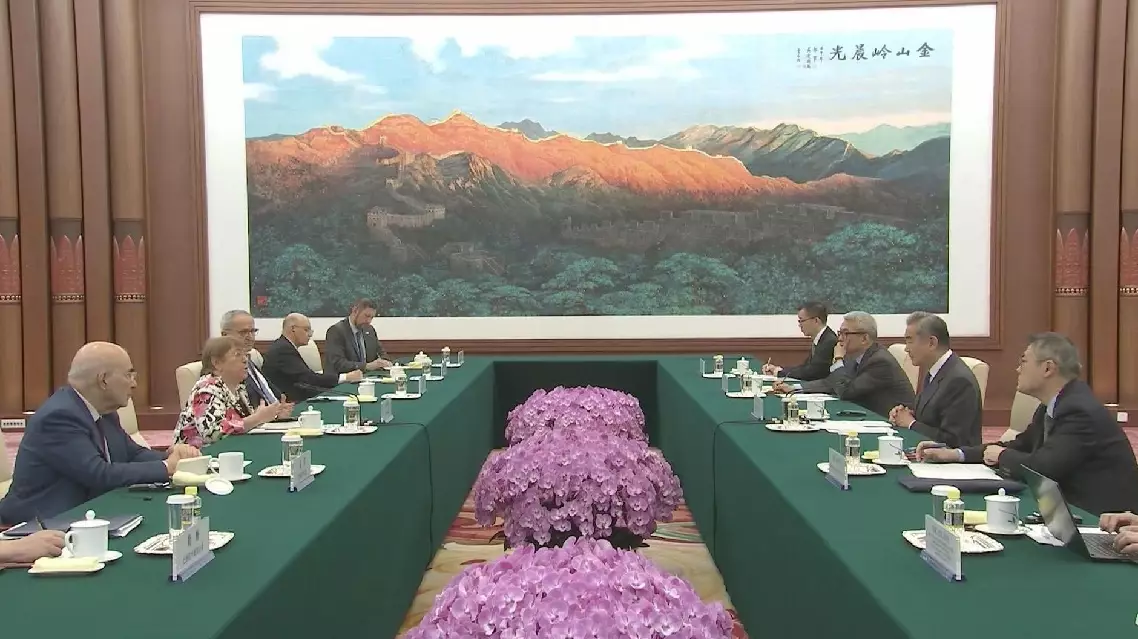
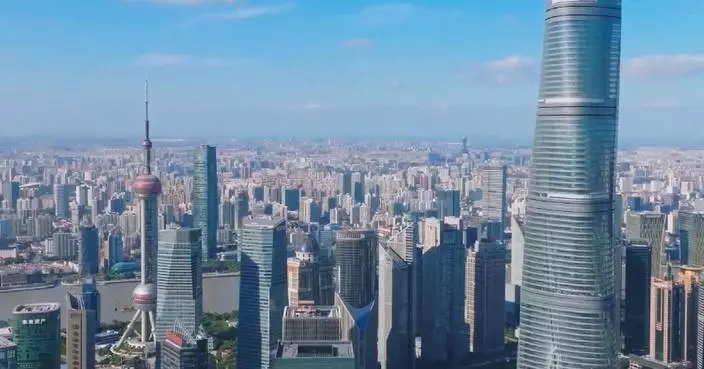
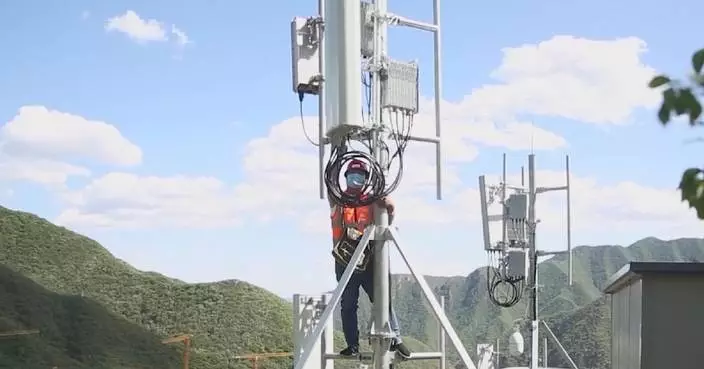
China’s economic outlook took center stage at a high-level seminar in Beijing on Tuesday, where leading economists and foreign diplomats discussed the country’s new policy priorities, including AI-driven manufacturing, green development, and expanded global trade.
The seminar addressed topics such as fiscal policies, foreign trade, future priorities, as well as the policy directions established by the fourth plenary session of the 20th Central Committee of the Communist Party of China (CPC).
As China's economy enters a crucial stage of structural transformation, seminar participants highlighted the need to strengthen innovation-driven industrial upgrades and expand high-level opening up to consolidate the country's positive development momentum.
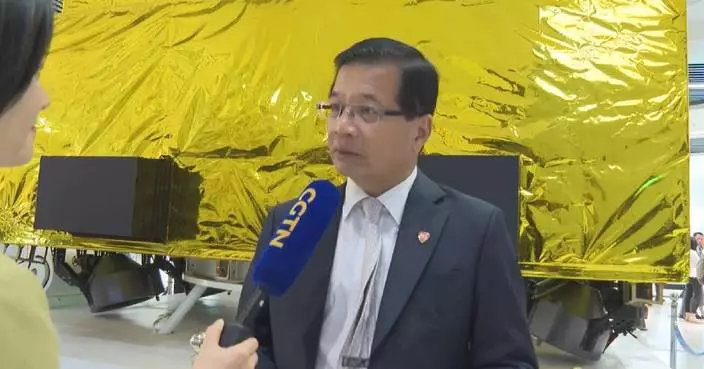
"The primary focus of the fourth plenary session was to accelerate the development of the real economy and build a modern industrial system with advanced manufacturing as the backbone. For the first time, the session proposed three key directions for future manufacturing development: intelligent, green and integrated growth. Intelligent development means fully utilizing artificial intelligence and digital technologies to promote the intelligent transformation and upgrading of the entire manufacturing industry," said Guo Chunli, Vice President of Chinese Academy of Macroeconomic Research.
"The Chinese government and Chinese think tanks, different universities and different public bodies are working together for a better future. They have their own innovations, they create their new thinking, and they apply it in their own research and development," said Md. Ziaur Rahman, Commercial Counsellor of the Embassy of the People's Republic of Bangladesh.
The fourth plenary session of the 20th CPC Central Committee was convened in Beijing from Nov 20 to Nov 23.
The Recommendations of the CPC Central Committee for Formulating the 15th Five-Year Plan (2026-2030) for Economic and Social Development was deliberated over and adopted at the session, according to a communique of the session released on Nov 23.
According to the communique, China should build a modernized industrial system and reinforce the foundations of the real economy.
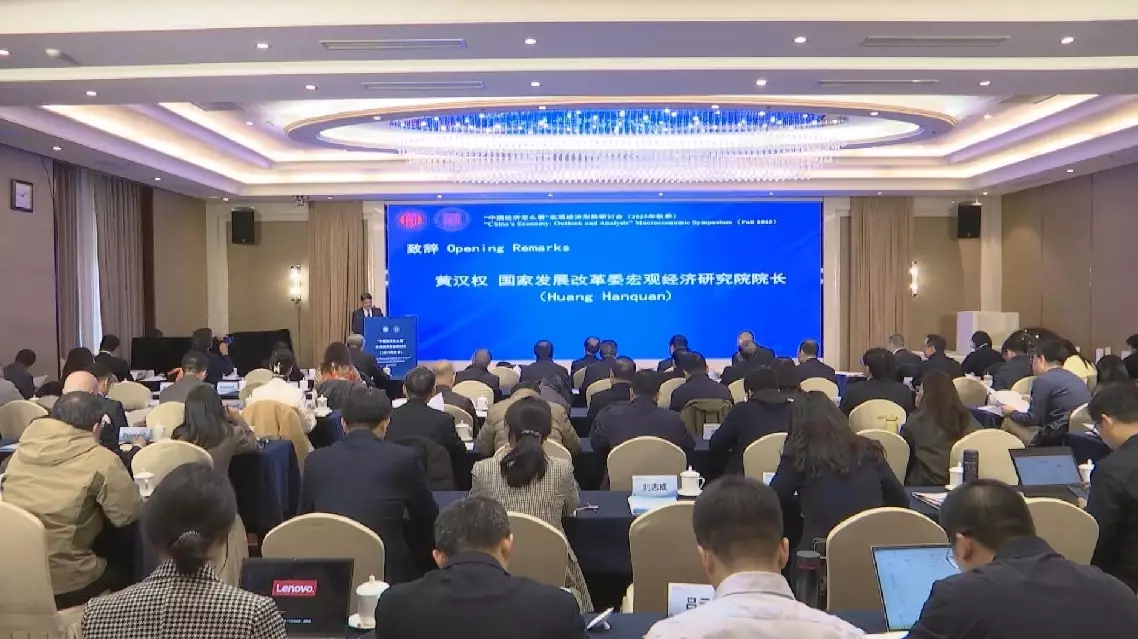
China's economic outlook takes center stage at high-level seminar in Beijing