A research team from the Department of Surgery at the School of Clinical Medicine, LKS Faculty of Medicine of the University of Hong Kong (HKUMed), launched a clinical trial in Hong Kong pioneering the use of lipofilling technology in breast-conserving surgery for early-stage breast cancer patients. The procedure involves the immediate reconstruction of the breast using the patient's own fat tissue immediately following tumour removal, addressing common post-operative challenges such as tissue loss and breast deformation. The goal is to provide a new therapeutic option that improves both physical and emotional recovery by improving cosmetic outcomes and overall quality of life. To date, 15 patients have successfully undergone the procedure. Preliminary results are promising, with patients showing minimal surgical trauma, swift recovery, and no signs of serious complications or cancer recurrence.
Limitations of conventional breast surgery raise concerns about cosmetic outcomes
Click to Gallery

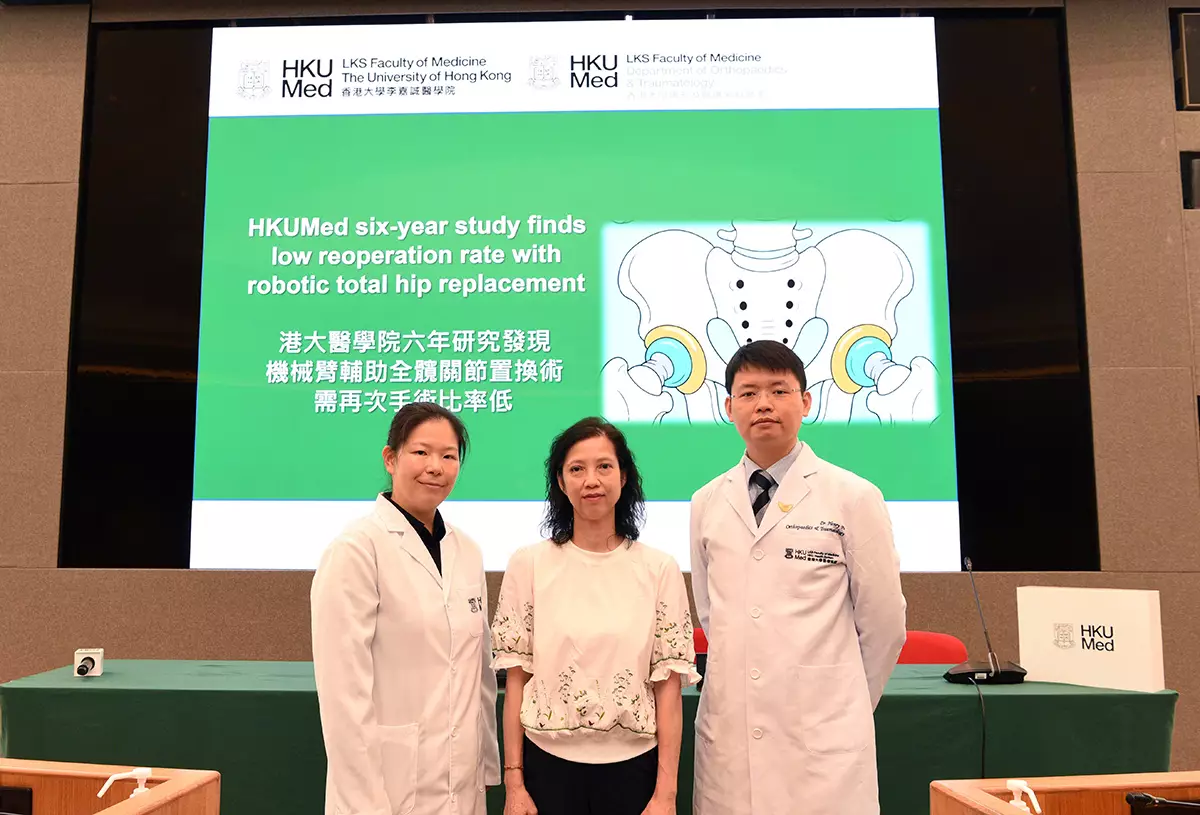
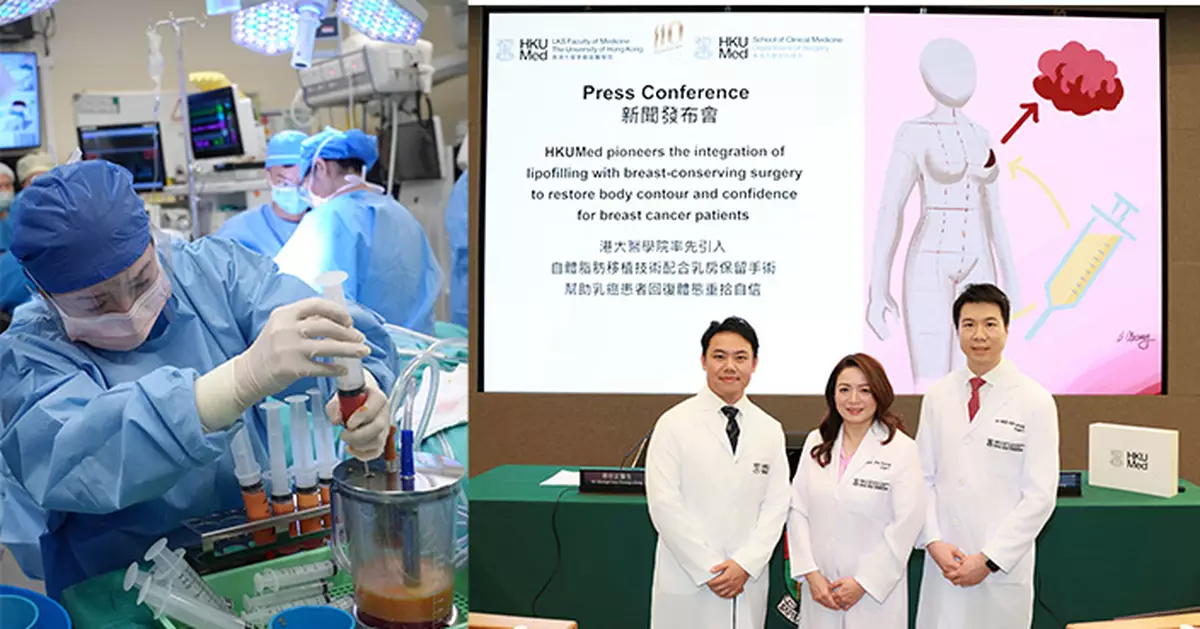
HKUMed researchers launched a clinical trial in Hong Kong pioneering the use of lipofilling technology in breast-conserving surgery for early-stage breast cancer patients. The research team members include (from left) Dr George Lee Chung-ching, Professor Ava Kwong and Dr Billy Cheung Ho-hung.

HKUMed researchers launched a clinical trial in Hong Kong pioneering the use of lipofilling technology in breast-conserving surgery for early-stage breast cancer patients. The research team members include (from left) Dr George Lee Chung-ching, Professor Ava Kwong and Dr Billy Cheung Ho-hung.
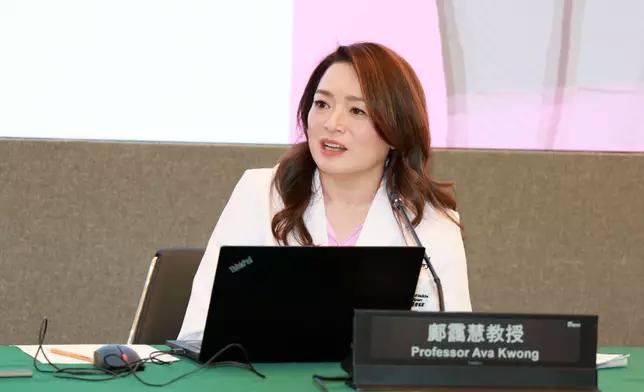
Professor Ava Kwong emphasises that their goal is to expand treatment options for breast cancer patients, aiming to improve post-operative breast symmetry and natural appearance and ultimately boost their confidence and quality of life.
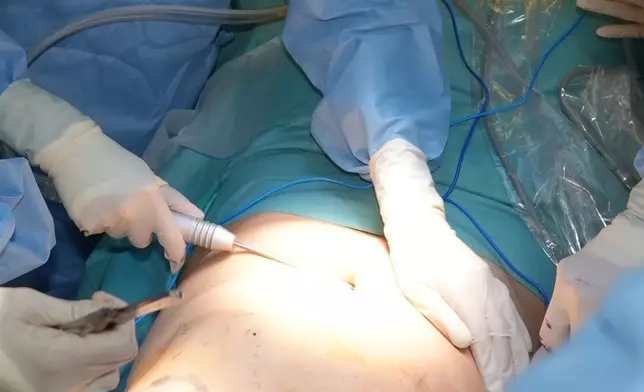
The trial integrates immediate lipofilling into breast-conserving surgery to reconstruct the breast. This technique involves harvesting the patients’ own fat from areas with higher fat deposits, processing it and then injecting it into the breast.
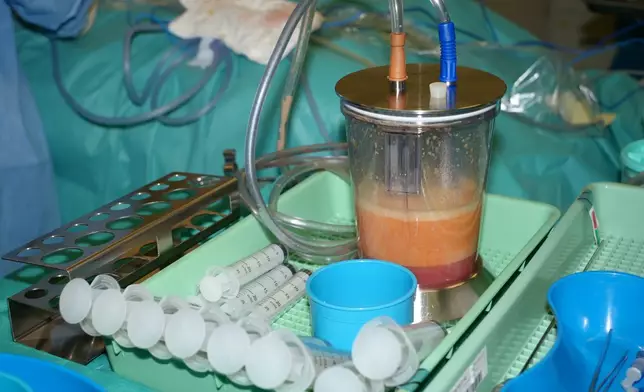
The trial integrates immediate lipofilling into breast-conserving surgery to reconstruct the breast. This technique involves harvesting the patients’ own fat from areas with higher fat deposits, processing it and then injecting it into the breast.
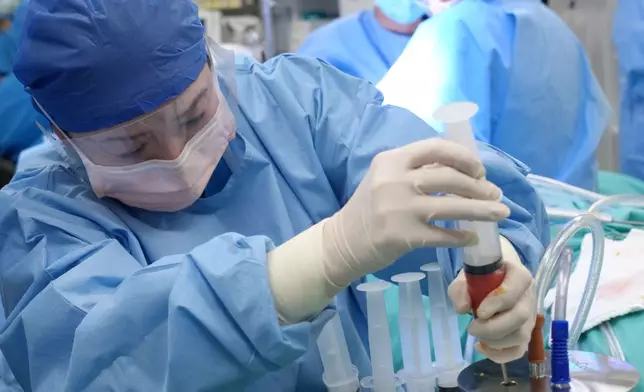
The trial integrates immediate lipofilling into breast-conserving surgery to reconstruct the breast. This technique involves harvesting the patients’ own fat from areas with higher fat deposits, processing it and then injecting it into the breast.
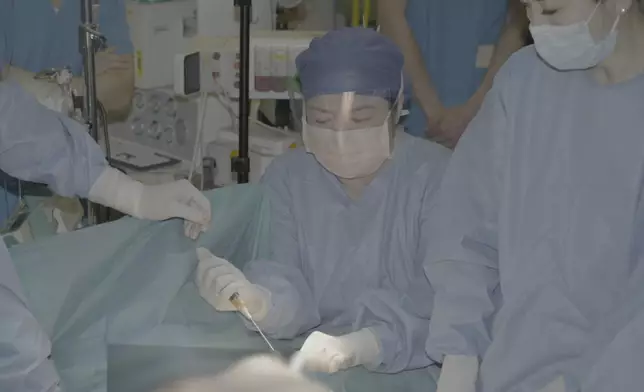
The trial integrates immediate lipofilling into breast-conserving surgery to reconstruct the breast. This technique involves harvesting the patients’ own fat from areas with higher fat deposits, processing it and then injecting it into the breast.
Breast cancer is the most common cancer among women in Hong Kong and the third-leading cause of cancer-related deaths. Currently, tumour removal surgery remains the primary treatment method. However, this approach often results in tissue loss, leading to breast deformation. Such changes can adversely affect physical appearance and impact a patient's emotional well-being and overall quality of life.
'One of the biggest fears for many women diagnosed with breast cancer is the possibility of losing their breast,' said Professor Ava Kwong, Clinical Professor, Chief of Division of Breast Surgery, and Daniel C K Yu Professor in Breast Cancer Research in the Department of Surgery, School of Clinical Medicine, of HKUMed. ‘The impact on appearance can be deeply distressing. In our clinical experience, some patients struggle emotionally and suffer from diminished self-esteem after surgery due to changes in their appearance, which in some cases may even slow down their recovery.’
Professor Ava Kwong continued, 'Traditional breast-conserving surgery is usually performed alongside plastic surgery, where the breast is reshaped by repositioning surrounding tissue after partial removal. However, the success of this approach is often limited by the amount of remaining breast tissue after tumour excision. This becomes particularly challenging when the tumour is large or located near the centre of the breast, as it can result in noticeable asymmetry or indentation. These physical changes may affect a patient's appearance and cause psychological stress, ultimately reducing satisfaction with the surgical outcome.'
Combining instant lipofilling and 3D imaging sets a new standard in breast conservation
In 2024, Professor Ava Kwong and her research team initiated a clinical trial at Queen Mary Hospital, focusing on early-stage breast cancer patients. The trial integrates immediate lipofilling technology into breast-conserving surgery, allowing breast reconstruction to take place during the same operation.
Dr George Lee Chung-ching, Honorary Clinical Assistant Professor in the same department, explained that breast cancer surgery is typically carried out in tandem with reconstructive and plastic surgery. While breast surgeons focus on tumour removal, plastic surgeons employ the lipofilling technique to reconstruct the breast by harvesting fat from areas with higher fat deposits, such as the abdomen, thighs or waist. The harvested fat is then processed and injected into the breast. Lipofilling has been used in medicine for decades, especially in cosmetic applications, like facial fillers and breast enhancement. However, its use for immediate breast reconstruction following cancer surgery remains relatively uncommon and it's even less commonly used for breast-conserving surgery. Historically, concerns about safety and efficacy have limited its adoption in oncological settings.
'With growing clinical data demonstrating the safety of this approach, our team has begun applying this technique to local patients,' Dr George Lee Chung-ching explained. 'We aim to conduct further research to evaluate its medium- and long-term outcomes, particularly in improving aesthetic results and enhancing patients' overall quality of life.'
Professor Ava Kwong stated, 'We aim to perform this new approach incorporating immediate lipofilling as part of breast-conserving surgery on 48 breast cancer patients. Our goal is to expand treatment options for patients suitable for breast-conserving surgery to improve post-operative breast symmetry and natural appearance — ultimately boosting patients' confidence and quality of life.'
To date, the HKUMed team has successfully performed the surgery on 15 breast cancer patients. Following surgery, these patients proceeded with their post-operative cancer treatments, including radiotherapy and pharmacological therapy. The surgical team continues to monitor and follow up with these patients, collecting data on key outcomes, such as breast appearance, volume preservation, and patient-reported measures of quality of life and satisfaction. Early results indicate favourable recovery, with most patients discharged just one day after surgery — comparable to standard surgical timelines. No cases of cancer recurrence have been observed among the participants thus far.
At the three-month follow-up mark, 60% of patients had completed their post-operative assessments. Preliminary data reveals a notable difference in breast volume outcomes: patients who received lipofilling showed an average 10% increase in volume, while those in the control group experienced a 12% decrease. Beyond physical measurements, the study observed improvements in patient-reported outcomes. Individuals who underwent lipofilling expressed higher satisfaction with their overall health and well-being.
In addition, the team introduced an advanced 3D imaging system that enables precise measurement of breast volume and comparative analysis using three-dimensional photography. This technology facilitates long-term monitoring and data collection, allowing for objective evaluation of changes before and after surgery. It also plays a vital role in substantiating the safety and clinical efficacy of the lipofilling technique in oncological applications.
This study is led by Professor Ava Kwong, Clinical Professor, Chief of Division of Breast Surgery, and Daniel C K Yu Professor in Breast Cancer Research, Department of Surgery, School of Clinical Medicine, HKUMed. Other research team members include Dr Billy Cheung Ho-hung, Clinical Assistant Professor in the same department, along with Dr George Lee Chung-ching and Dr Melody Wong Man-Kuen from the reconstructive and plastic surgery team, with support from the clinical and research team of the department.
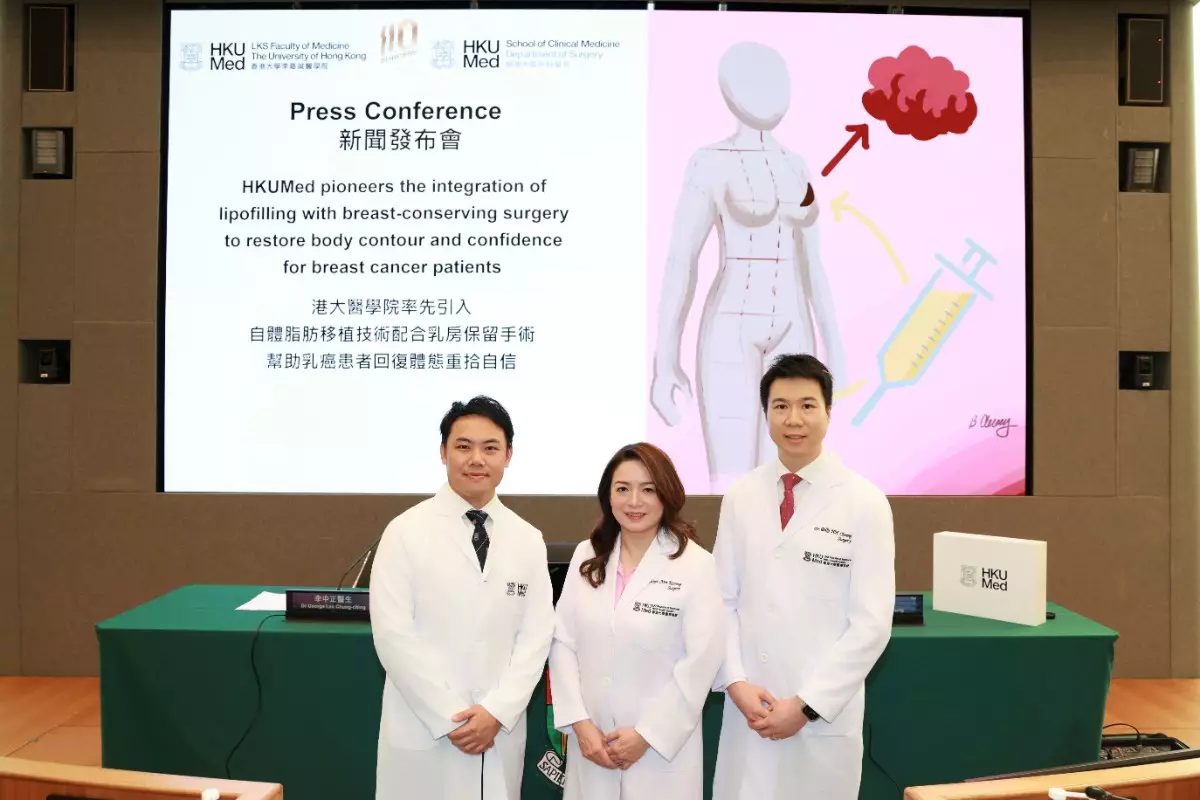
HKUMed researchers launched a clinical trial in Hong Kong pioneering the use of lipofilling technology in breast-conserving surgery for early-stage breast cancer patients. The research team members include (from left) Dr George Lee Chung-ching, Professor Ava Kwong and Dr Billy Cheung Ho-hung.
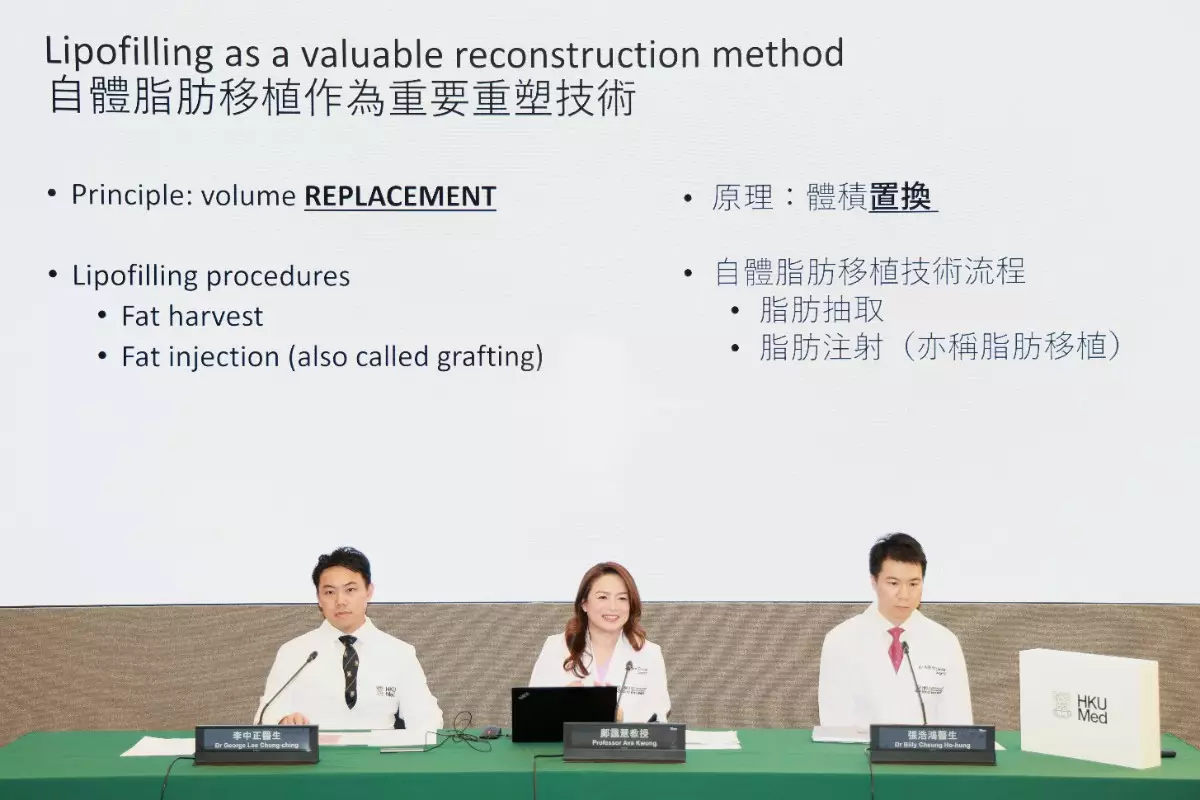
HKUMed researchers launched a clinical trial in Hong Kong pioneering the use of lipofilling technology in breast-conserving surgery for early-stage breast cancer patients. The research team members include (from left) Dr George Lee Chung-ching, Professor Ava Kwong and Dr Billy Cheung Ho-hung.
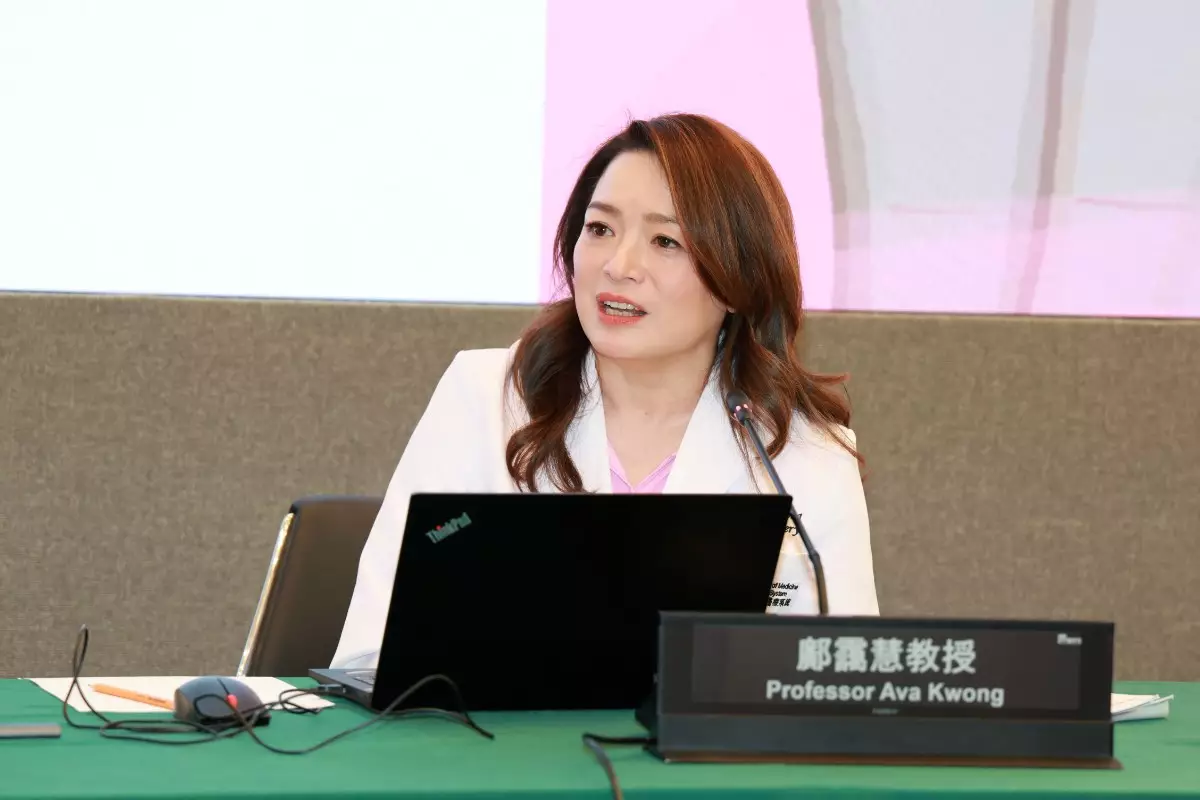
Professor Ava Kwong emphasises that their goal is to expand treatment options for breast cancer patients, aiming to improve post-operative breast symmetry and natural appearance and ultimately boost their confidence and quality of life.
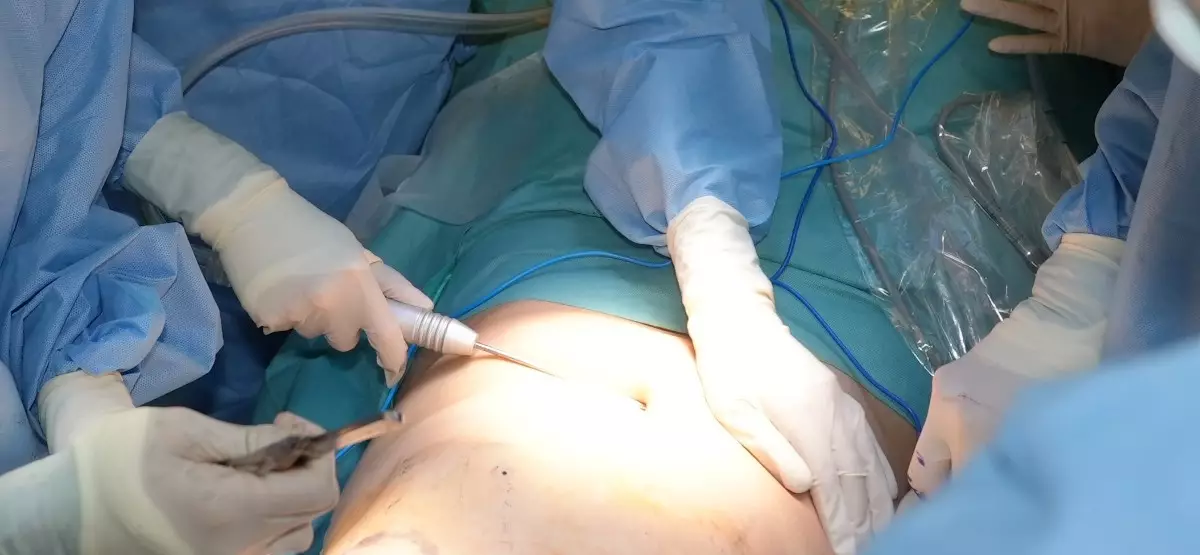
The trial integrates immediate lipofilling into breast-conserving surgery to reconstruct the breast. This technique involves harvesting the patients’ own fat from areas with higher fat deposits, processing it and then injecting it into the breast.
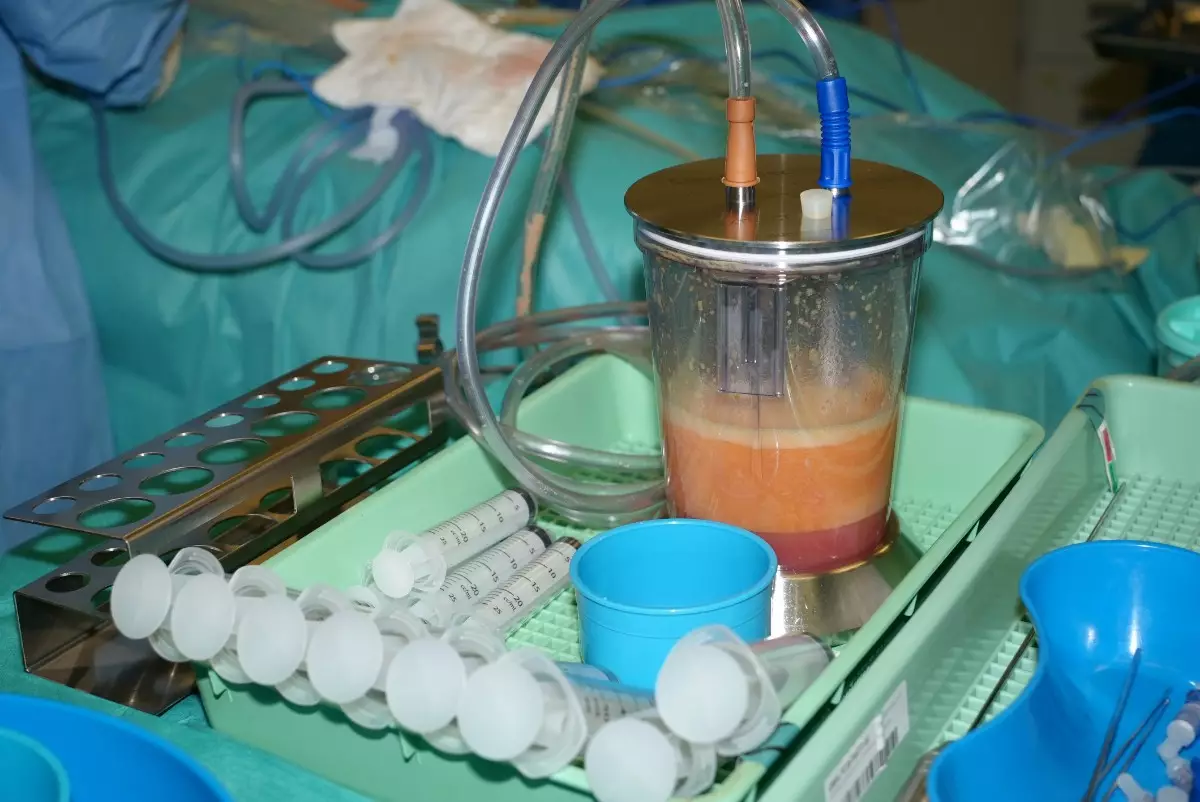
The trial integrates immediate lipofilling into breast-conserving surgery to reconstruct the breast. This technique involves harvesting the patients’ own fat from areas with higher fat deposits, processing it and then injecting it into the breast.
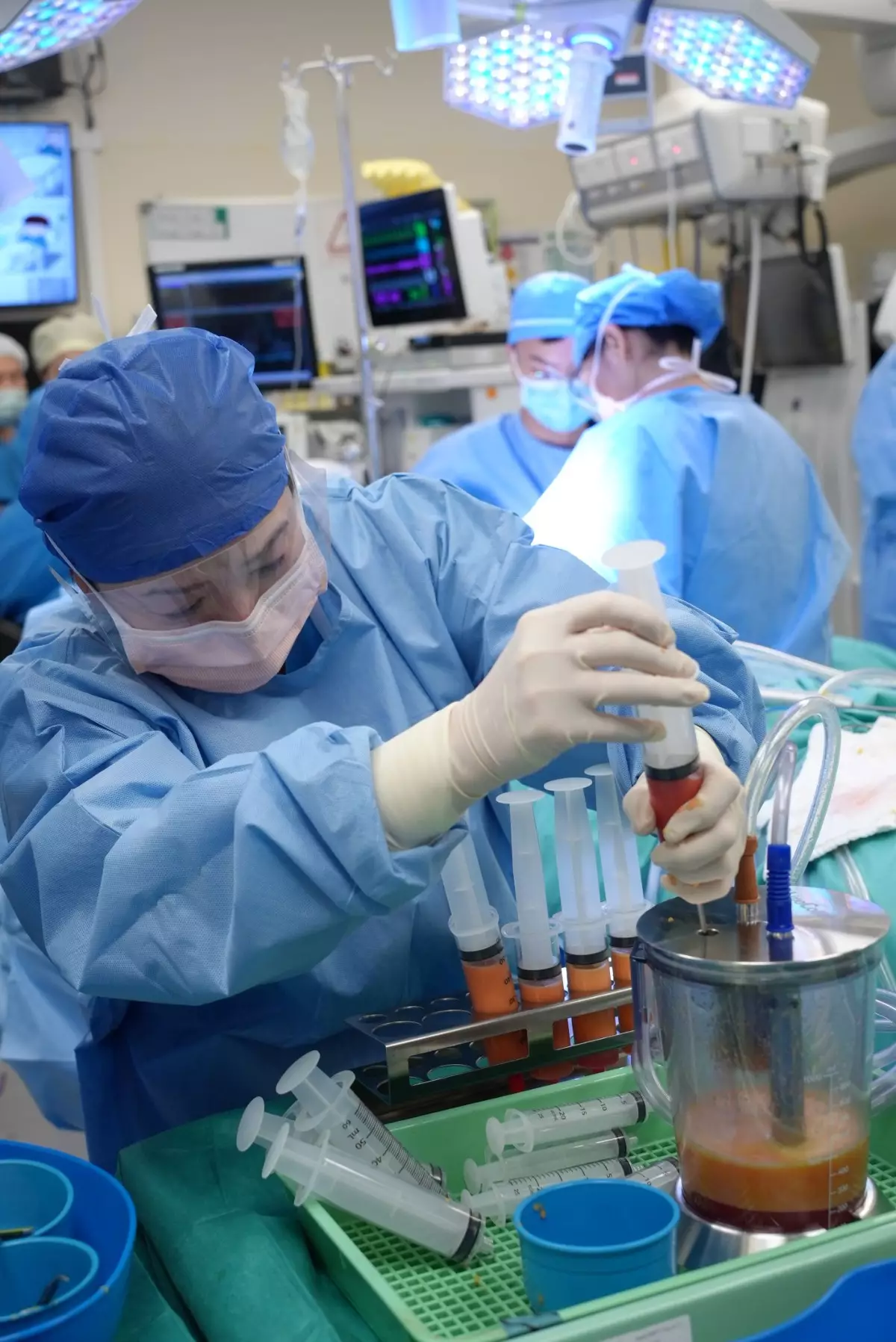
The trial integrates immediate lipofilling into breast-conserving surgery to reconstruct the breast. This technique involves harvesting the patients’ own fat from areas with higher fat deposits, processing it and then injecting it into the breast.
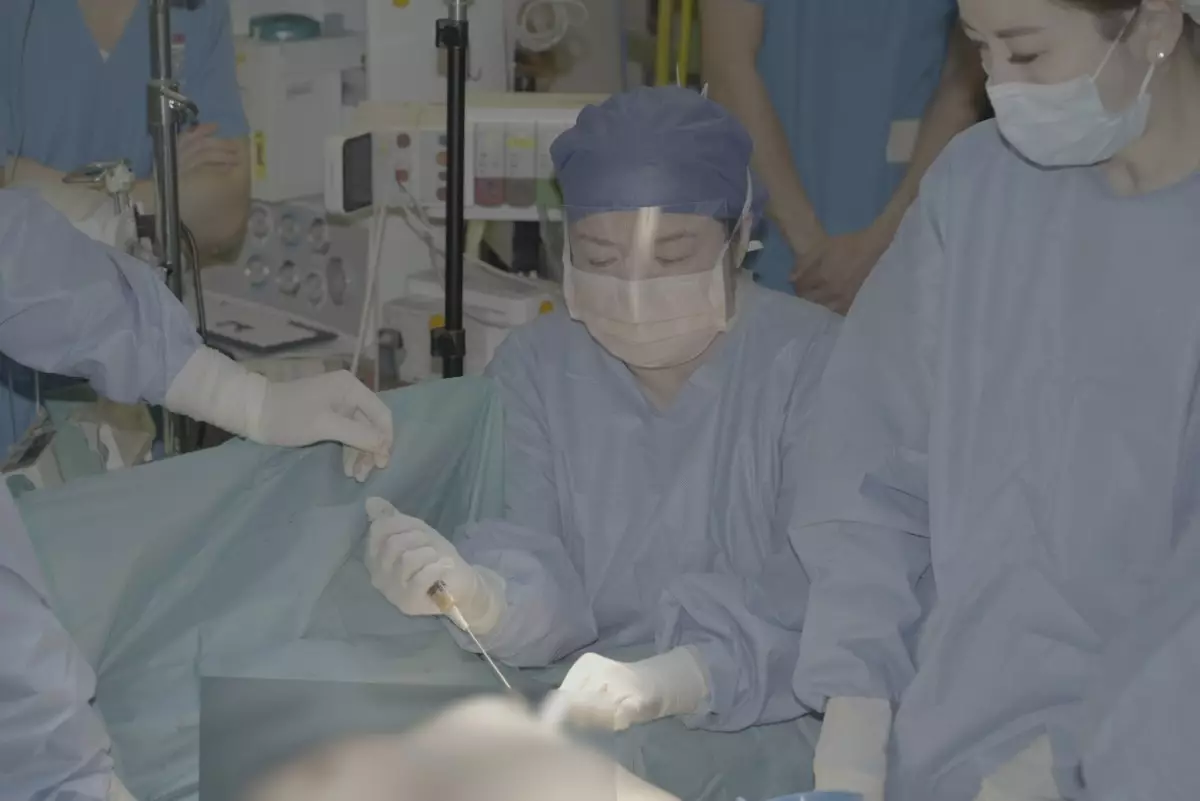
The trial integrates immediate lipofilling into breast-conserving surgery to reconstruct the breast. This technique involves harvesting the patients’ own fat from areas with higher fat deposits, processing it and then injecting it into the breast.