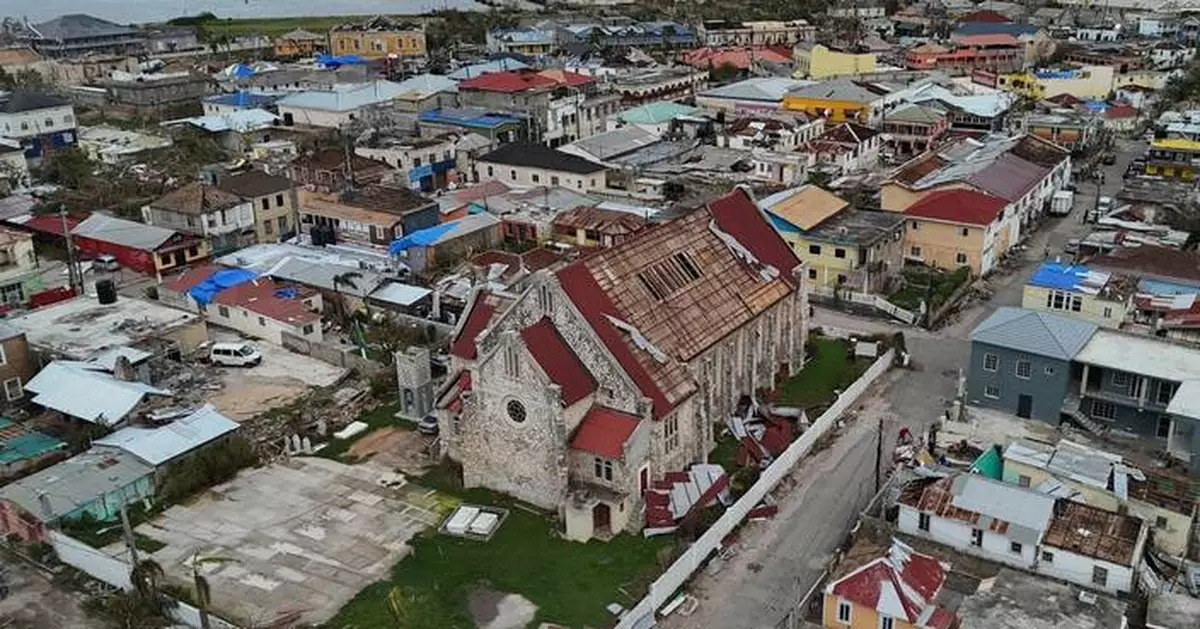
KINGSTON, Jamaica (AP) — Rescuers and aid workers fanned out across Jamaica on Saturday to distribute food and water and reach communities still isolated four days after Hurricane Melissa hit the island.
Essential relief supplies are now rolling into hurricane-stricken St. Elizabeth and Westmoreland, most of which had been cut off by fallen concrete posts and trees strewn across roads.
Click to Gallery
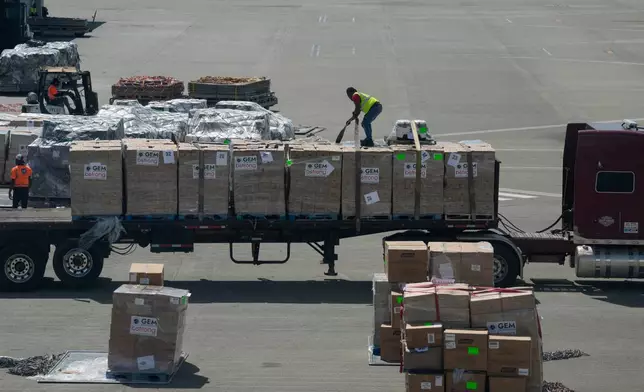
A worker unloads humanitarian aid at the Norman Manley International Airport in Kingston, Jamaica, Saturday, Nov. 1, 2025, in the aftermath of Hurricane Melissa. (AP Photo/Matias Delacroix)
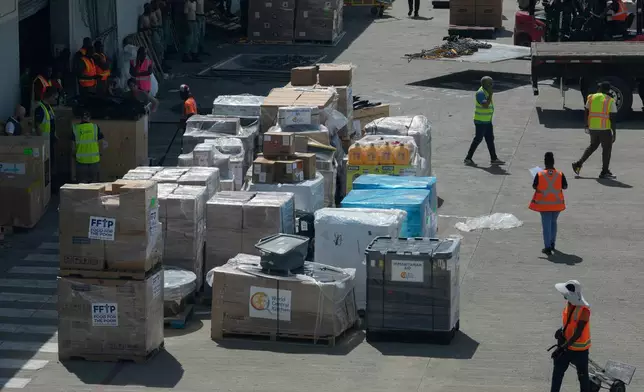
Humanitarian aid sits on the tarmac at the Norman Manley International Airport in Kingston, Jamaica, Saturday, Nov. 1, 2025, in the aftermath of Hurricane Melissa. (AP Photo/Matias Delacroix)
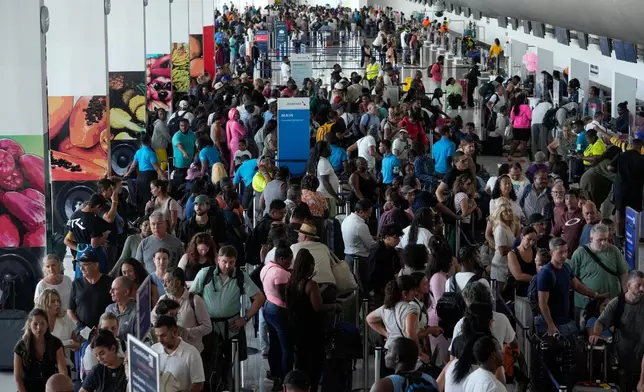
Passengers check in at the Norman Manley International Airport in Kingston, Jamaica, Saturday, Nov. 1, 2025, in the aftermath of Hurricane Melissa. (AP Photo/Matias Delacroix)
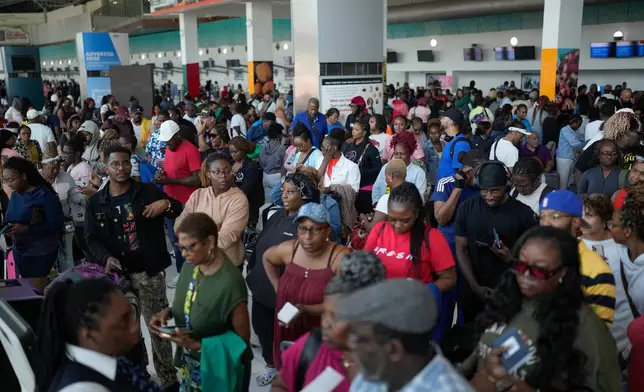
Passengers check in at the Norman Manley International Airport in Kingston, Jamaica, Saturday, Nov. 1, 2025, in the aftermath of Hurricane Melissa. (AP Photo/Matias Delacroix)
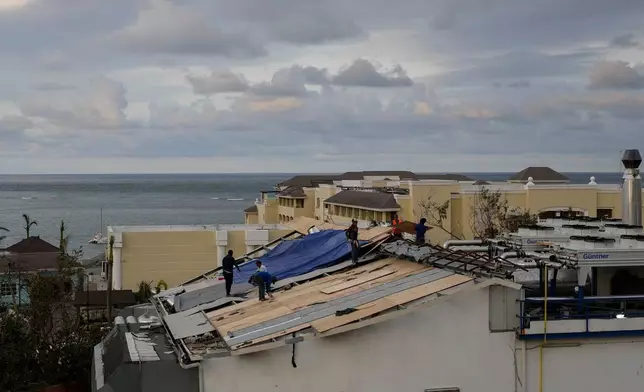
People repair the roof of a resort in Montego Bay, Jamaica, Friday, Oct. 31, 2025, in the aftermath of Hurricane Melissa. (AP Photo/Matias Delacroix)
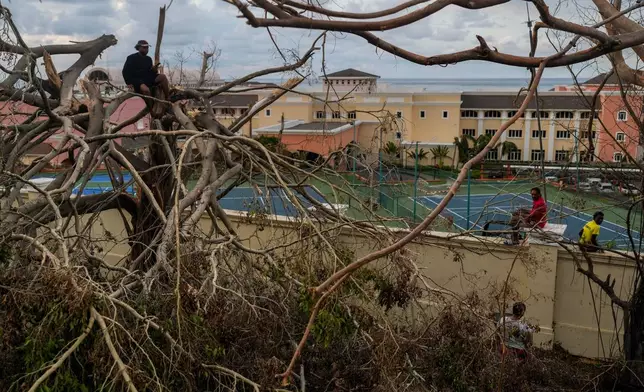
Locals gather next to a resort in Montego Bay, Jamaica, Friday, Oct. 31, 2025, in the aftermath of Hurricane Melissa. (AP Photo/Matias Delacroix)
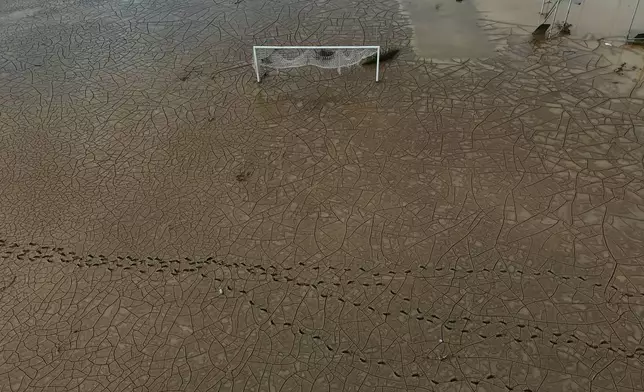
Mud covers a soccer goal in Montego Bay, Jamaica, Friday, Oct. 31, 2025, in the aftermath of Hurricane Melissa. (AP Photo/Matias Delacroix)
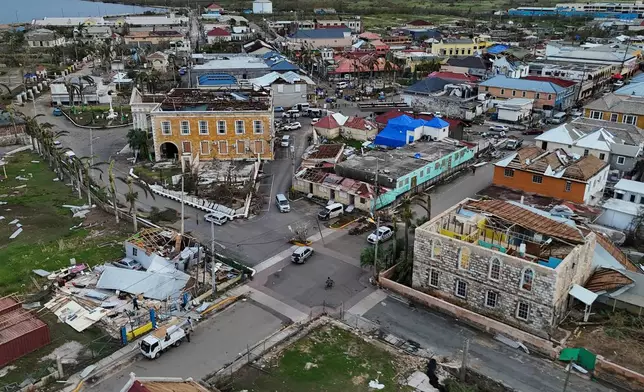
CORRECTS CITY - An aerial view of Falmouth, Jamaica, Friday, Oct. 31, 2025, in the aftermath of Hurricane Melissa. (AP Photo/Matias Delacroix)
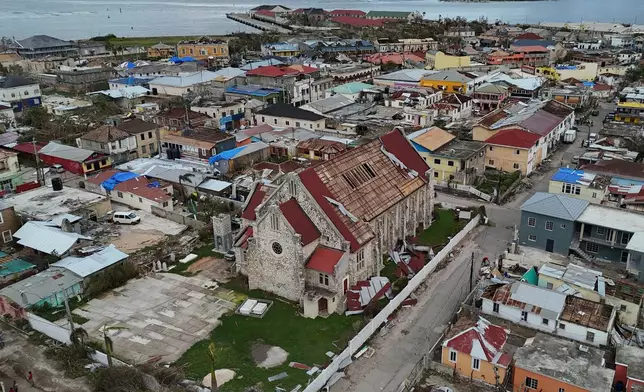
CORRECTS CITY - An aerial view of Falmouth, Jamaica, Friday, Oct. 31, 2025, in the aftermath of Hurricane Melissa. (AP Photo/Matias Delacroix)
But in some parts, people were forced to dip buckets into rivers, collecting the muddy water for everyday use, while others have been drinking coconut water and roasting breadfruit.
In Westmoreland, mangled metal sheets, splintered wooden frames of houses and fragments of furniture littered the coastline.
Social Security Minister Pearnel Charles Jr. was among several convoys of emergency responders en route to deliver ready-to-eat meals, water, tarpaulins, blankets, medicine and other essentials.
“The priority now is to get help to those who need it,” said Charles Jr. during a brief stop en route to Black River for the first time with long-awaited relief supplies. Prime Minister Andrew Holness had declared Black River ground zero and said the town will have to be rebuilt.
The Jamaica Defense Force (JDF) set up a satellite disaster relief site at the Luana community center near Black River where care packages are being dispatched to hurricane-stricken residents.
Many have been without vital supplies since Tuesday and quickly converged around a JDF truck as word spread that relief supplies were being distributed in the sweltering afternoon sun.
“Everyone is homeless right now,” Rosemarie Gayle said. “Thank you, thank you. I can’t say thank you enough,” she said, as she accepted a package of rice, beans, sardines, powdered milk, cooking oil and other essentials.
Melissa has left devastation in its wake, snapping power lines and toppling buildings, disrupting food and water distribution and destroying crop fields.
Some people have been walking for miles in search of basic goods and to check on loved ones, as more than 60% of the island remained without power. Helicopters have been dropping food in cut-off communities.
“People are in shock and they’re waiting on relief,” said World Vision’s national director of domestic humanitarian and emergency affairs Mike Bassett, who traveled to the town of Santa Cruz in St. Elizabeth on Friday.
“The biggest needs are clean water, tarps for roof damage, canned proteins, hygiene and cleaning supplies,” he said.
On Saturday, the United Nations' World Food Program received 2,000 boxes of emergency food assistance shipped from Barbados, to be distributed in shelters and in the most-affected communities in the St. Elizabeth area.
“They will help meet the needs of 6,000 people for one week,” said communications officer for WFP Alexis Masciarelli.
One of the strongest Atlantic hurricanes to make landfall, Melissa has been blamed for at least 28 deaths in Jamaica, and 31 in nearby Haiti.
Health Minister Christopher Tufton recognized that the death toll in Jamaica was probably higher as many places are still hard to access, but said that it would be unwise to speculate.
Tufton also warned about the risk of increased mosquitoes, waterborne diseases and food poisoning. “Please discard spoiled food,” he said.
Melissa made landfall in southwest Jamaica on Tuesday as a Category 5 hurricane with top winds of 185 mph (295 kph).
A U.S. regional disaster assistance response team was on the ground after being activated by Secretary of State Marco Rubio earlier this week, the U.S. Embassy in Jamaica said.
“The United States stands with Jamaica as they respond to the impacts of the hurricane and remains prepared to swiftly deliver emergency relief items,” it said.
Jamaica’s Water and Environment Minister Matthew Samuda took to the social media platform X in a desperate bid to find tarpaulin after Melissa tore off scores of roofs on homes in western Jamaica. X users chimed in to help, indicating where they had seen supplies.
Falmouth, a popular fishing spot on Jamaica's north coast, had suffered significant damage including flooding and flattened buildings, Holness said on Saturday.
“Our immediate priority is to restore electricity and telecommunications and to ensure that essential services, particularly at the Falmouth Hospital, are stabilized,” he said on X, adding that Jamaica would rebuild “stronger and wiser."
Following the devastation, the Caribbean Catastrophe Risk Insurance Facility (CCRIF) said that it would make a record payout to Jamaica of $70.8 million.
The facility enables countries to pool their individual risks to provide affordable coverage against natural disasters. The payout will be made within 14 days, the group said on Friday.
Finance Minister Fayval Williams said Thursday that the CCRIF insurance policy was just one part of the government’s financial plan to respond to natural disasters. She pointed to a contingencies fund, a national natural disaster reserve and a catastrophe bond.
Government officials have said damage assessment is still ongoing.
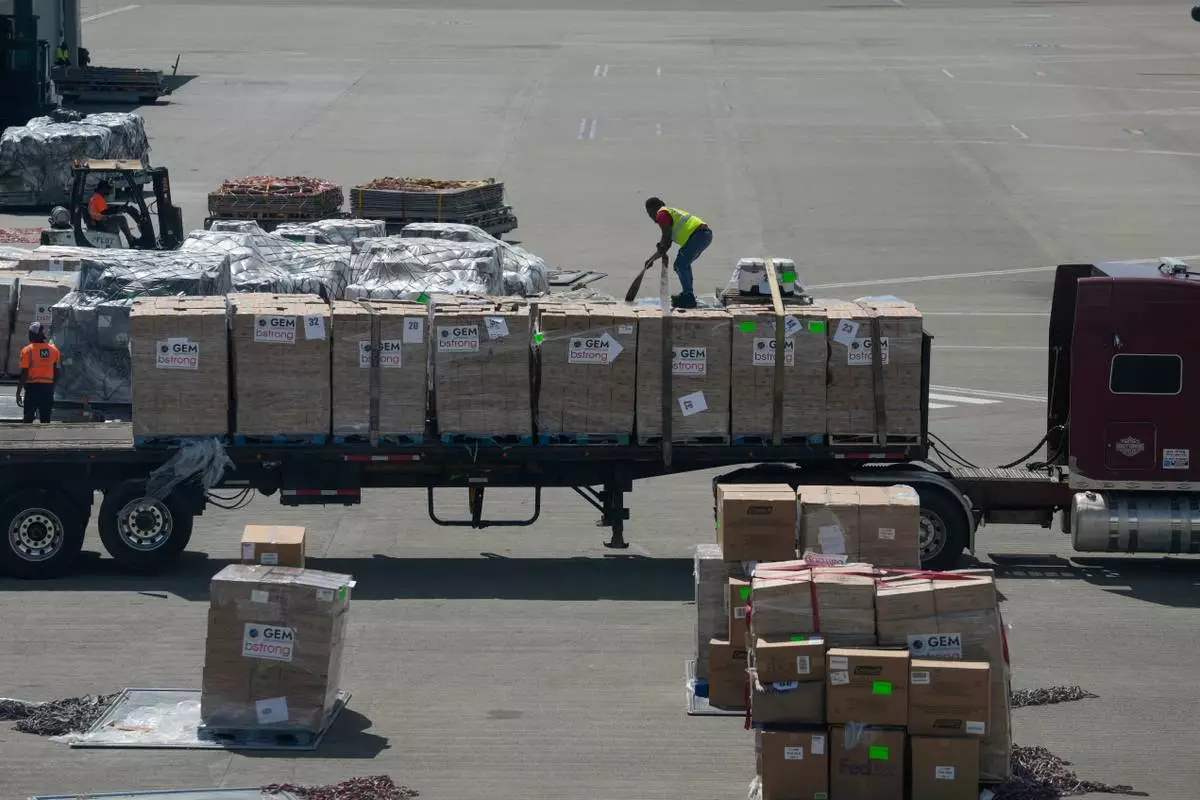
A worker unloads humanitarian aid at the Norman Manley International Airport in Kingston, Jamaica, Saturday, Nov. 1, 2025, in the aftermath of Hurricane Melissa. (AP Photo/Matias Delacroix)
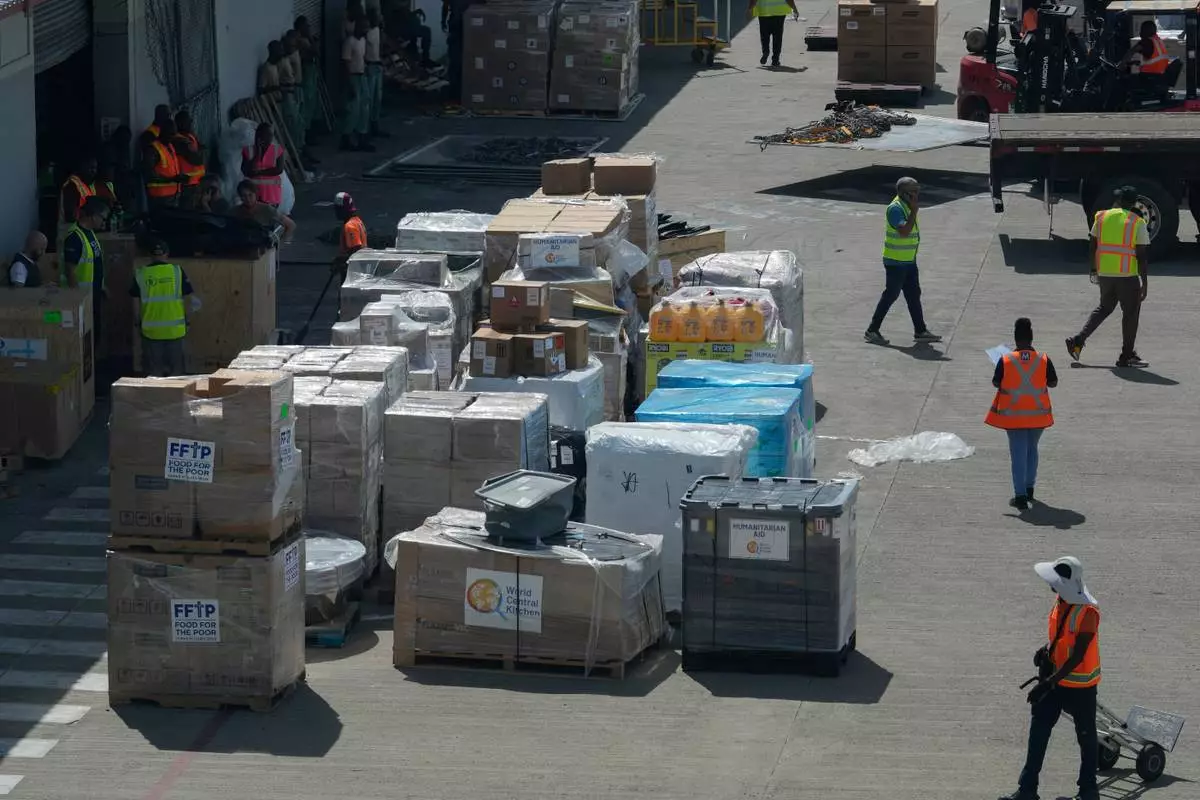
Humanitarian aid sits on the tarmac at the Norman Manley International Airport in Kingston, Jamaica, Saturday, Nov. 1, 2025, in the aftermath of Hurricane Melissa. (AP Photo/Matias Delacroix)
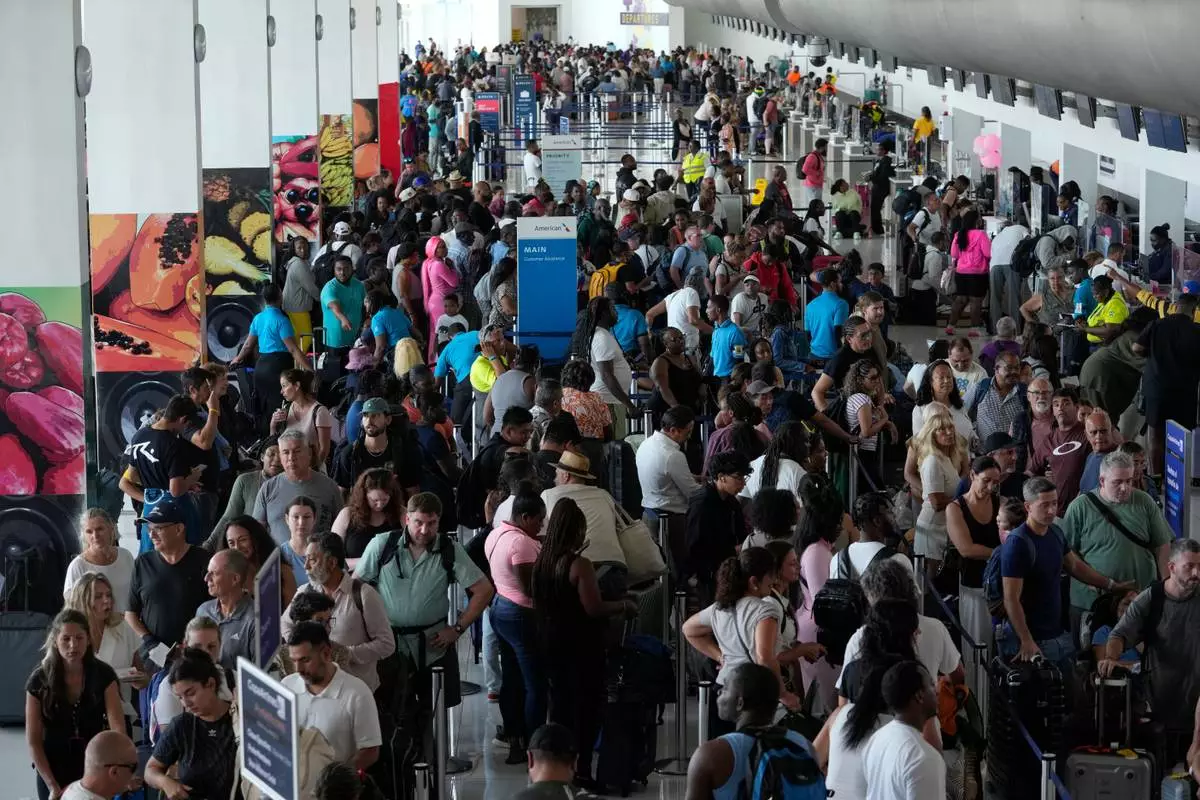
Passengers check in at the Norman Manley International Airport in Kingston, Jamaica, Saturday, Nov. 1, 2025, in the aftermath of Hurricane Melissa. (AP Photo/Matias Delacroix)
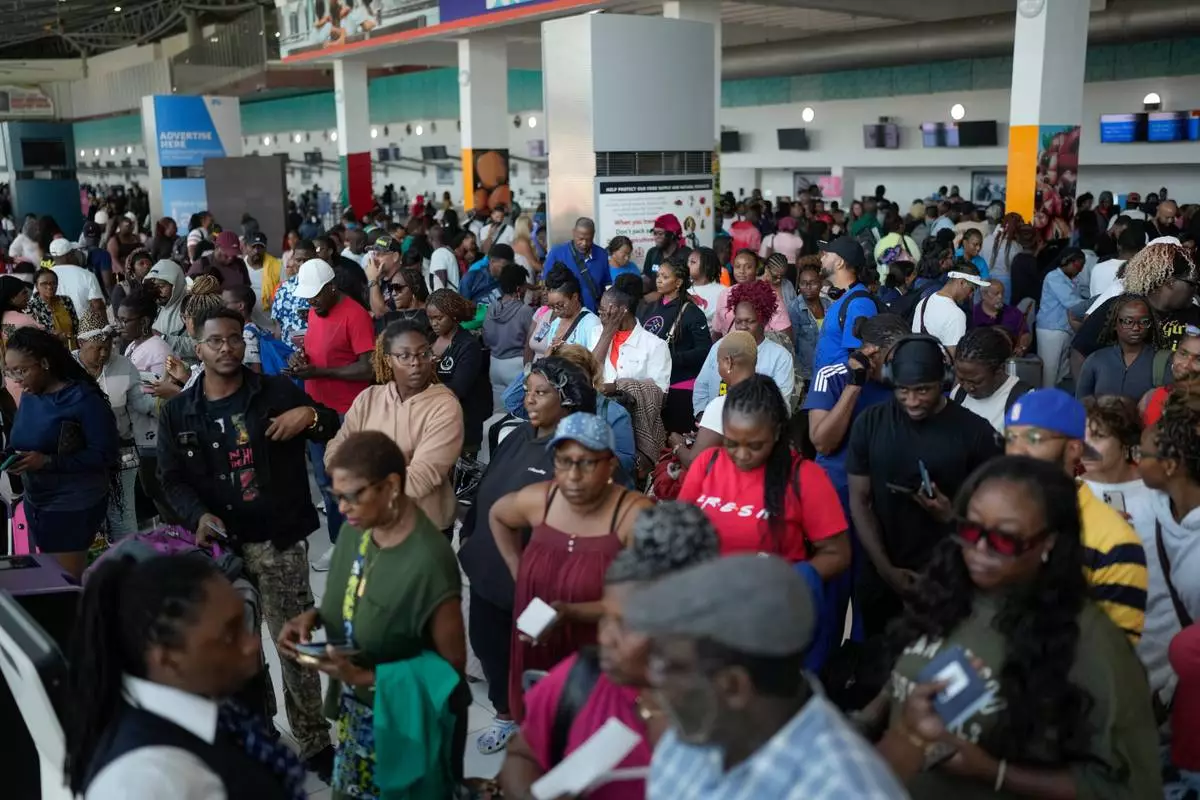
Passengers check in at the Norman Manley International Airport in Kingston, Jamaica, Saturday, Nov. 1, 2025, in the aftermath of Hurricane Melissa. (AP Photo/Matias Delacroix)
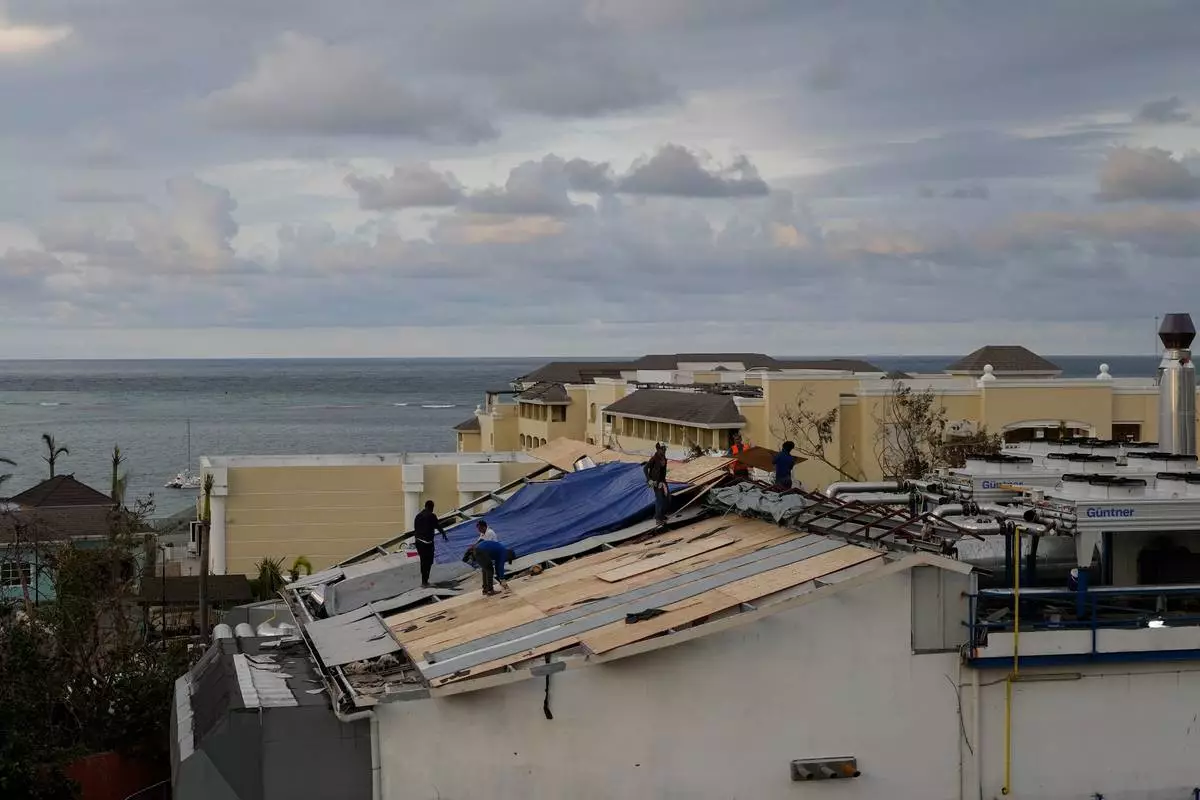
People repair the roof of a resort in Montego Bay, Jamaica, Friday, Oct. 31, 2025, in the aftermath of Hurricane Melissa. (AP Photo/Matias Delacroix)
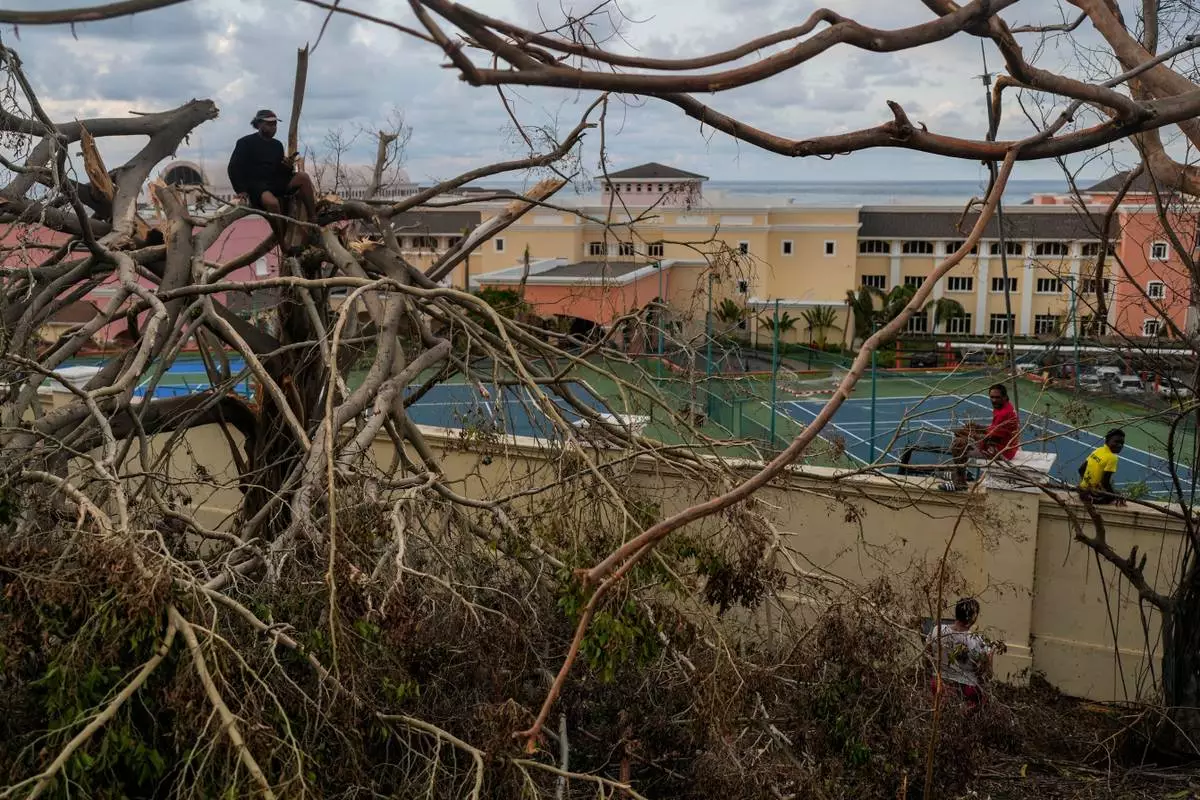
Locals gather next to a resort in Montego Bay, Jamaica, Friday, Oct. 31, 2025, in the aftermath of Hurricane Melissa. (AP Photo/Matias Delacroix)
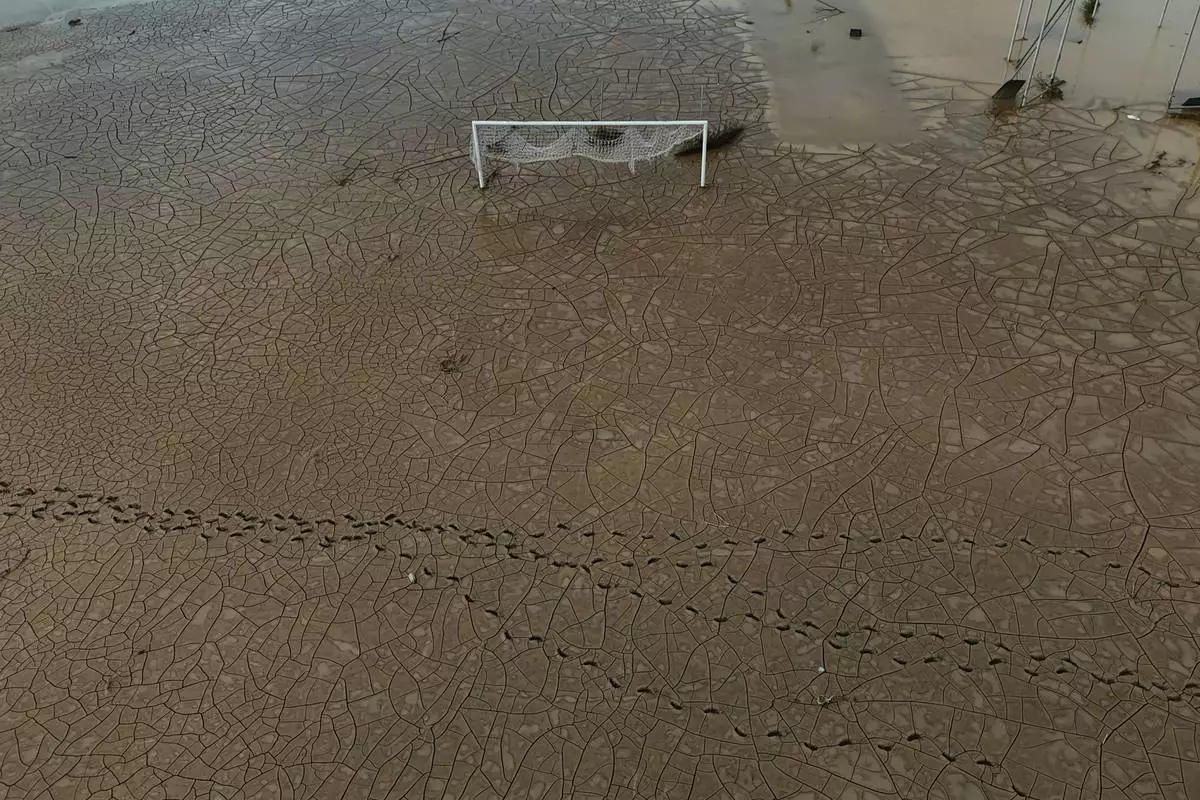
Mud covers a soccer goal in Montego Bay, Jamaica, Friday, Oct. 31, 2025, in the aftermath of Hurricane Melissa. (AP Photo/Matias Delacroix)
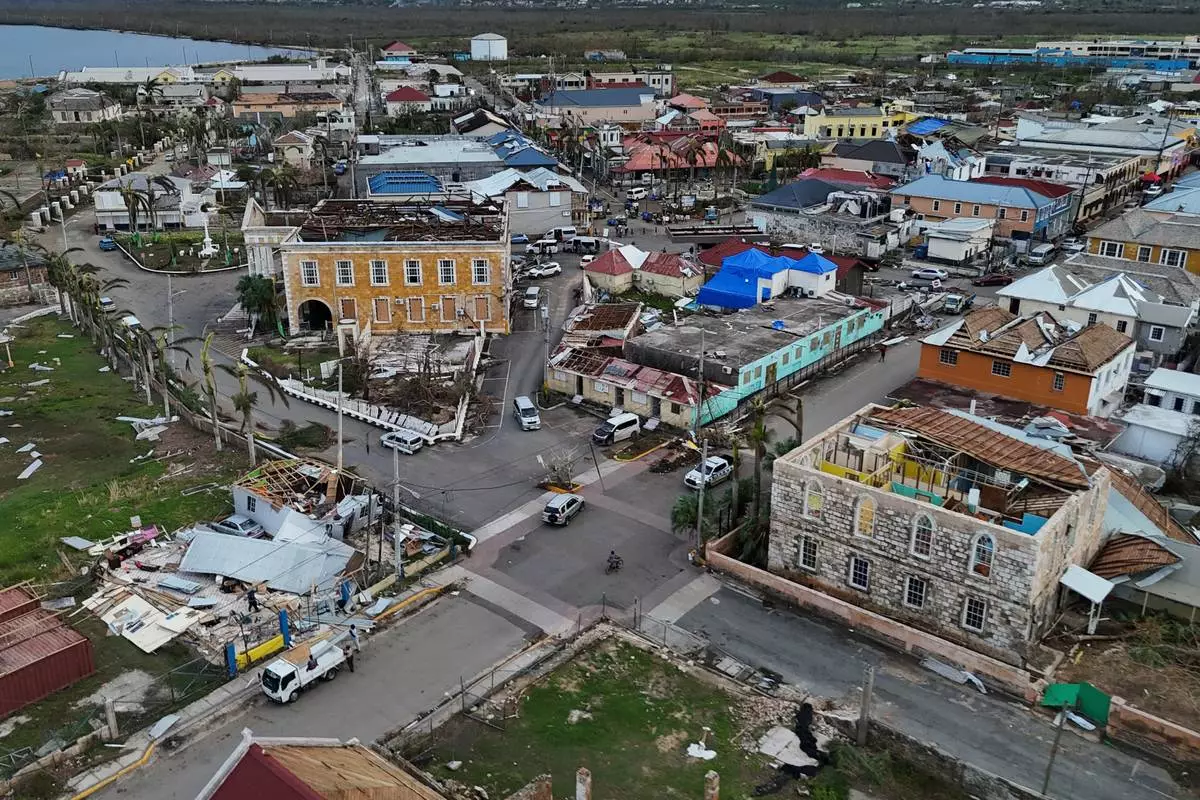
CORRECTS CITY - An aerial view of Falmouth, Jamaica, Friday, Oct. 31, 2025, in the aftermath of Hurricane Melissa. (AP Photo/Matias Delacroix)
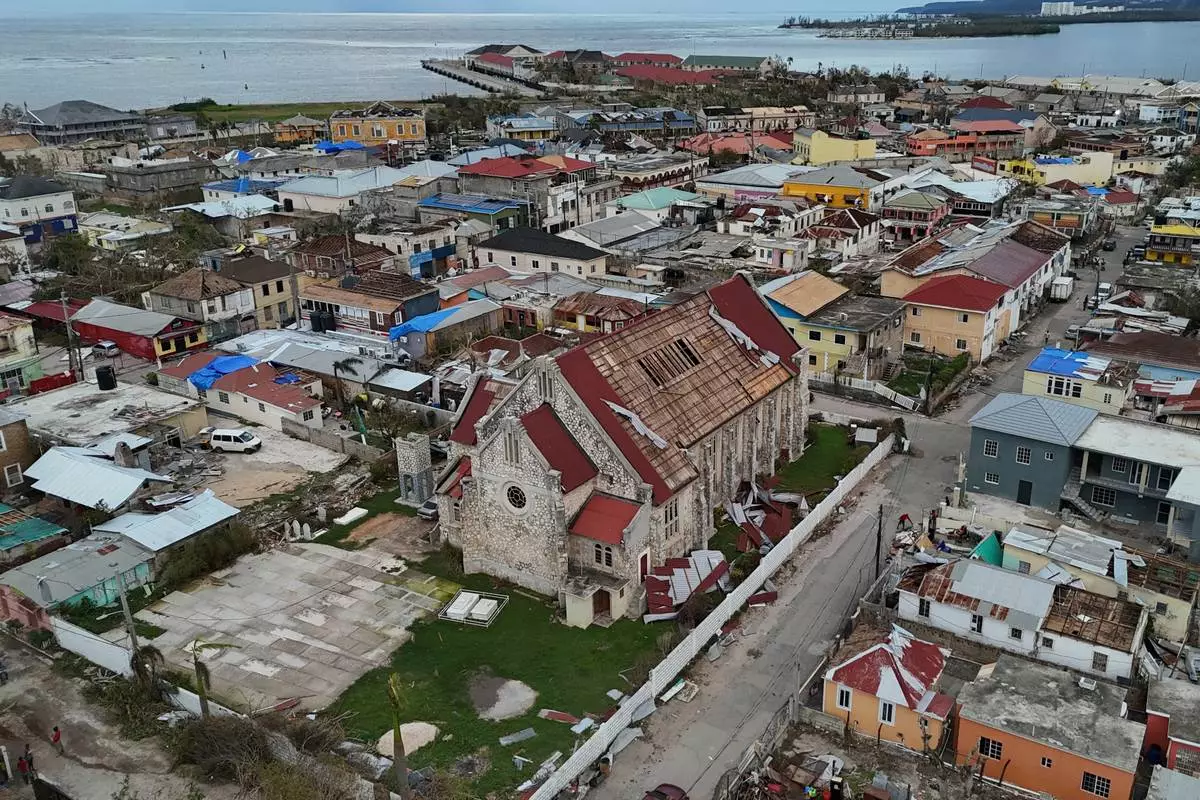
CORRECTS CITY - An aerial view of Falmouth, Jamaica, Friday, Oct. 31, 2025, in the aftermath of Hurricane Melissa. (AP Photo/Matias Delacroix)