The vast cotton fields in northwest China's Xinjiang Uygur Autonomous Region have entered harvest season, with white cotton crops, vast blue sky, and golden populus euphratica forests forming vibrant fall scenery.
Since September, warm autumn sunlight has bathed the lands both north and south of the Tianshan Mountains in Xinjiang. The snow-white cotton fields stretch as far as the eye can see, with heavy harvesters moving steadily through the rows in a seamless rhythm of picking, packing, and processing at the height of the harvest.
As China's cotton heartland, Xinjiang accounts for nearly 90 percent of the country's total cotton output. Thanks to continuous innovation in farming techniques and mechanization, the region's average cotton yield per hectare reached nearly three times the global average in 2024.
According to the China Cotton Association, favorable weather and improved cultivation practices have paved the way for a strong season, with national cotton production expected to reach 7.22 million tonnes in 2025, marking an 8.3 percent increase from the previous year and the highest level since 2013.
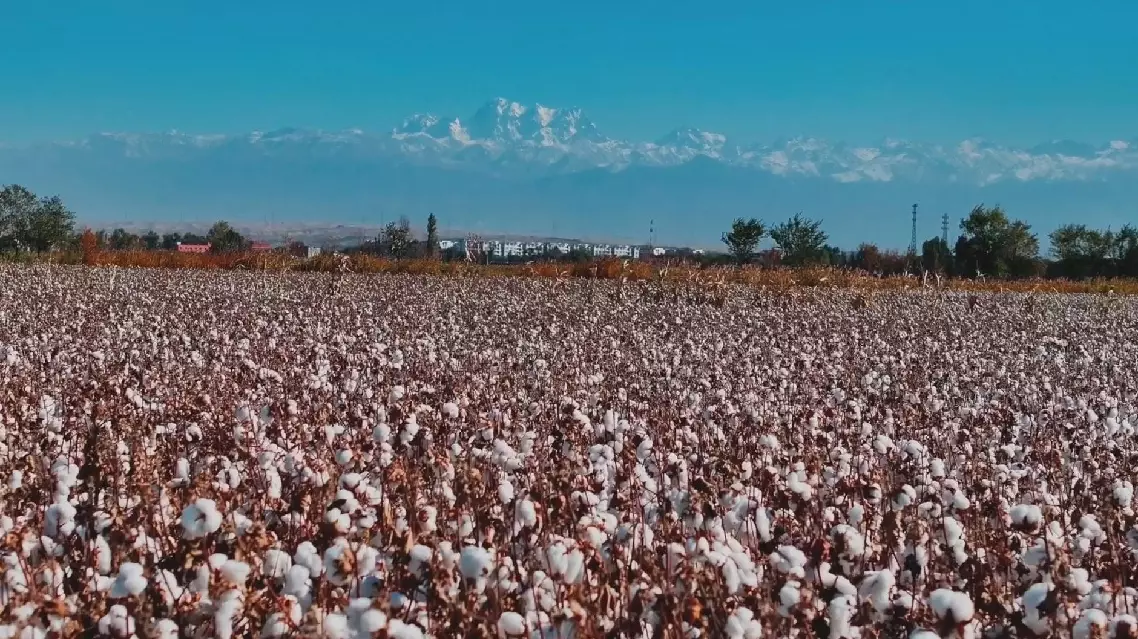
Xinjiang's cotton harvest underway in vast autumn fields of vibrant view
The U.S. House of Representatives on Thursday failed to pass a resolution that would have barred President Donald Trump from further military actions against Venezuela, with a tie-breaking vote, 215-215, according to U.S. media reports.
The Democratic-backed war powers resolution requires the president to "remove United States Armed Forces from Venezuela, unless explicitly authorized by a declaration of war or specific statutory authorization for use of military force."
Lawmakers opposing the resolution argued that since the United States currently has no ground troops deployed in Venezuela, the resolution was unnecessary.
The tie vote reflects concerns within the Congress, including among some Republican lawmakers, about Trump's foreign policy, according to analysis by some U.S. media outlets.
Previously, several Democratic lawmakers said that given Trump and his administration's recent repeated signals of potential military intervention in Greenland, Iran, Colombia, Mexico, and Cuba, they would continue to push for such votes.
On Jan 3, the United States blatantly launched large-scale military strikes against Venezuela, seized by force Venezuelan President Nicolas Maduro and his wife, and took them out of the country.
The U.S. military strike against Venezuela and capture of its president has shocked the international community, triggering a steady stream of condemnation and serious concerns worldwide.
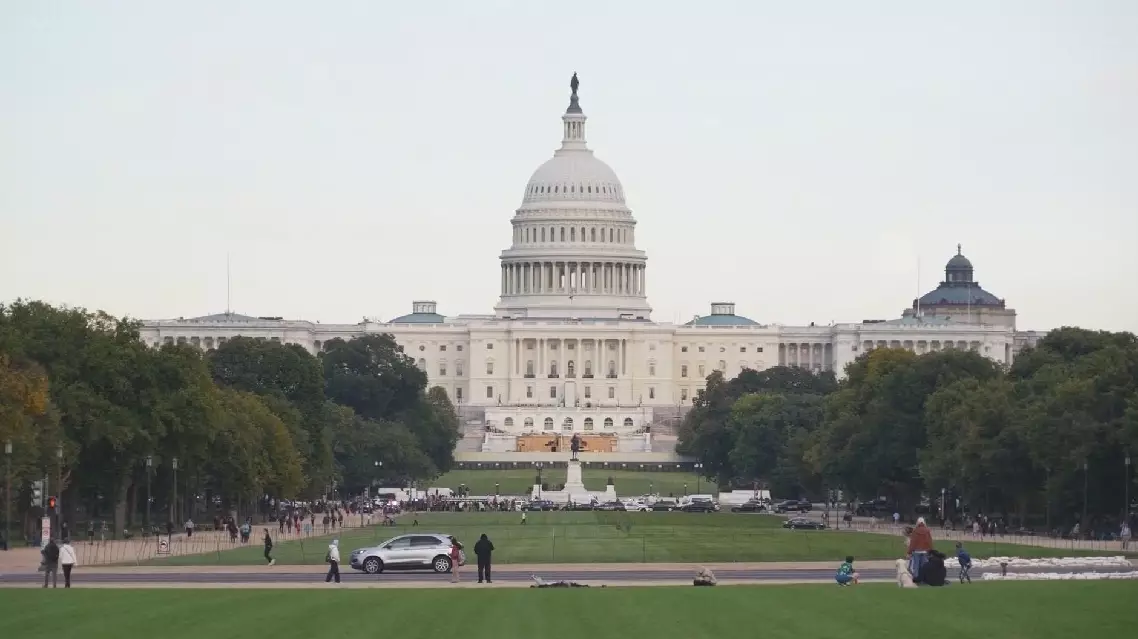
US House rejects resolution on restricting Trump's military action against Venezuela