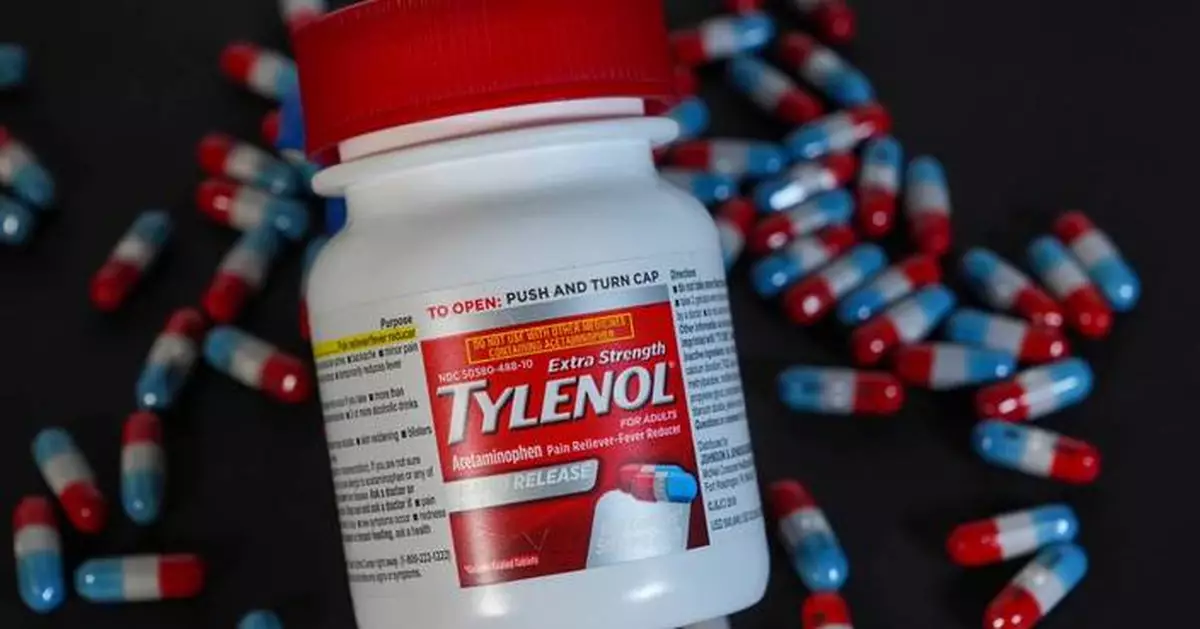
Kimberly-Clark is buying Tylenol maker Kenvue in a cash and stock deal worth about $48.7 billion, creating a massive consumer health goods company.
Shareholders of Kimberly-Clark will own about 54% of the combined company. Kenvue shareholders will own about 46% in what is one of the largest corporate takeovers this year. The deal must still be approved by the shareholders of both companies.
The combined company will have a huge stable of household brands under one roof, putting Kenvue’s Listerine mouthwash and Band-Aid side-by-side with Kimberly-Clark’s Cottonelle toilet paper, Huggies and Kleenex tissues. It will also generate about $32 billion in annual revenue.
Kenvue has spent a relatively brief period as an independent company, having been spun off by Johnson & Johnson two years ago. J&J first announced in late 2021 that it was splitting its slow-growth consumer health division from the pharmaceutical and medical device divisions.
Kenvue has since been targeted by activist investors unhappy about the trajectory of the company and Wall Street appeared to anticipate some heavy lifting ahead for Kimberly-Clark.
Kenvue’s stock jumped 12% Monday afternoon, while shares of Kimberly-Clark, based outside of Dallas, slumped by nearly 15%.
Kenvue shares have shed nearly 50% of their value since approaching $28 in the spring of 2023. Morningstar analyst Keonhee Kim said Kenvue’s volatile journey as a public company may have been driven in part by poor execution and a lack of experience operating as a stand-alone business.
He said the leadership of a more-established consumer products company like Kimberly-Clark could help unlock some of Kenvue’s value.
He also noted that Kenvue brands include Neutrogena, Benadryl and other names that have been in store consumer health aisles for decades. Kim said he thinks Kimberly-Clark may have seen upside in adding those products.
“I think that may have made the deal a lot more attractive ... especially after the past couple of months of Kenvue’s stock price decline,” he said.
Kenvue and Tylenol have been thrust into the national spotlight this year as President Donald Trump and Health Secretary Robert F. Kennedy Jr. promoted unproven and in some cases discredited ties between Tylenol, vaccines and the complex brain disorder autism.
Trump then urged pregnant women against using the medicine. That went beyond Food and Drug Administration advice that doctors “should consider minimizing” the painkiller acetaminophen’s use in pregnancy — amid inconclusive evidence about whether too much could be linked to autism.
Kennedy reiterated the FDA guidance during a press conference last week. He said that there isn't sufficient evidence to link the drug to autism.
“We have asked physicians to minimize the use to when it's absolutely necessary,” he said.
Kenvue has continued to push back on the Trump administration's public statements about Tylenol and acetaminophen, the active ingredient it contains.
“We strongly disagree with allegations that it does and are deeply concerned about the health risks and confusion this poses for expecting mothers and parents," Kenvue said in a statement on its website.
The merger could face other hurdles. Citi Investment Research analyst Filippo Falorni said he is concerned about the deal’s size given the recent history in the sector, particularly given the challenges faced by Kenvue.
In July, Kenvue announced that CEO Thibaut Mongon was leaving in the midst of a strategic review, with the company under mounting pressure from activist investors unhappy about growth. Critics say Kenvue has relied too much on its legacy brands and failed to innovate.
Industry analysts also point out the poor track record for mergers involving consumer packaged goods companies. In September, Kraft Heinz said it would break up its decade-old merger. Its net revenue has fallen every year since 2020.
Kimberly-Clark and Kenvue, like Kraft Heinz, are facing increasing competition from cheaper store brands. In 2024, 51% of toilet paper and other household paper products sold in the U.S were store brands, according to Circana, a market research company, while store brands held a 24% share of sales of health products, including medications and vitamins.
On Monday, a bottle of 100 extra-strength Tylenol caplets cost $10.97 on Walmart's website. A bottle of 100 extra-strength acetaminophen caplets from Walmart's Equate brand cost $1.98.
Inflation drove some of that buyer behavior, Circana said. Shoppers are also shifting their purchases to stores with more private-label brands, like Aldi and Costco. And stores are improving their offerings and adding more of them; last year, Walmart and Target both launched new store brands to complement their existing ones.
Still, both Kimberly-Clark and Kenvue make name-brand products in segments where consumers are less likely to shift to store brands, including hair care, skin care, feminine products and mouth care, according to Circana. Kenvue owns brands like Aveeno and Neutrogena, for example, while Kimberly-Clark makes Kotex and Depend.
Kimberly-Clark Chairman and CEO Mike Hsu will be chairman and CEO of the combined company. Three members of the Kenvue's board will join Kimberly-Clark's board at closing. The combined company will keep Kimberly-Clark’s headquarters in Irving, Texas, but there will be significant operations around Kenvue facilities and locations as well.
The deal is expected to close in the second half of next year. It still needs approval from shareholders of both both companies.
Kenvue shareholders will receive $3.50 per share in cash and 0.14625 Kimberly-Clark shares for each Kenvue share held at closing. That amounts to $21.01 per share, based on the closing price of Kimberly-Clark shares on Friday.
Kimberly-Clark and Kenvue said that they identified about $1.9 billion in cost savings that are expected in the first three years after the transaction’s closing.
AP Health Writer Tom Murphy contributed to this report.
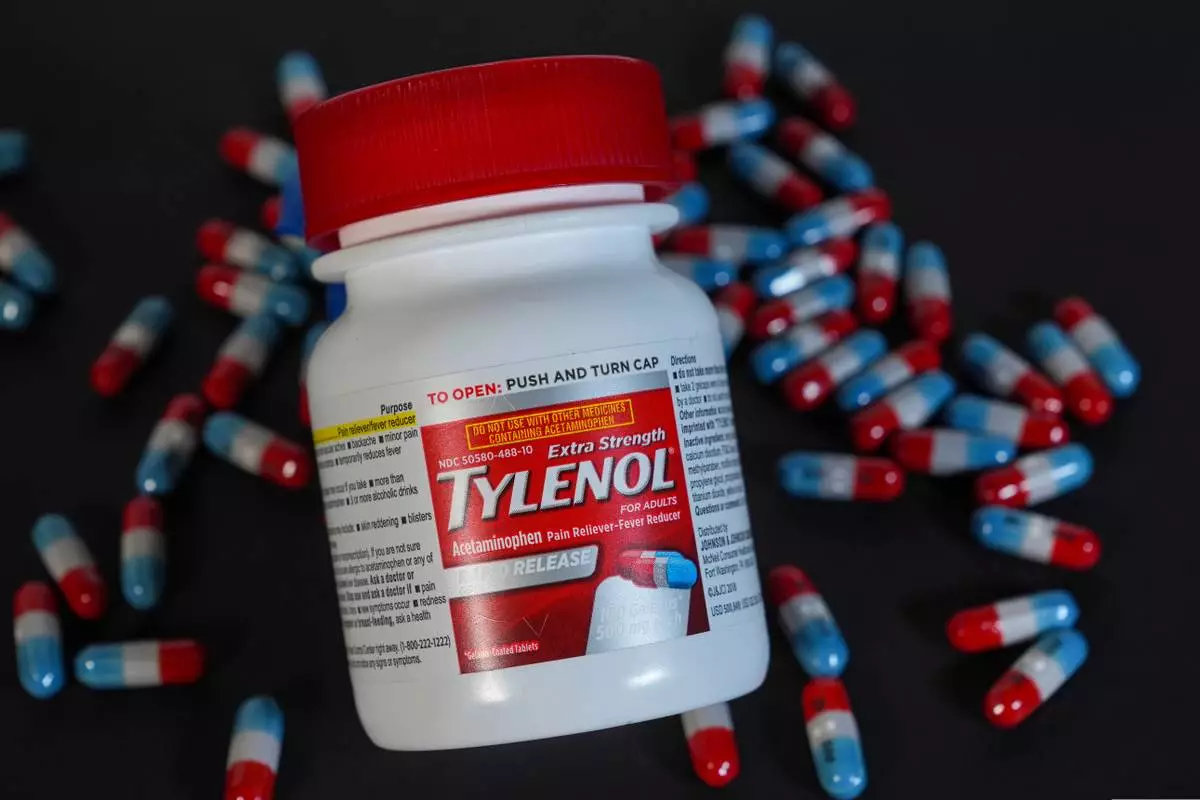
FILE - Extra Strength Tylenol is shown in Carmel, Ind., Tuesday, Sept. 23, 2025. (AP Photo/Michael Conroy, file)