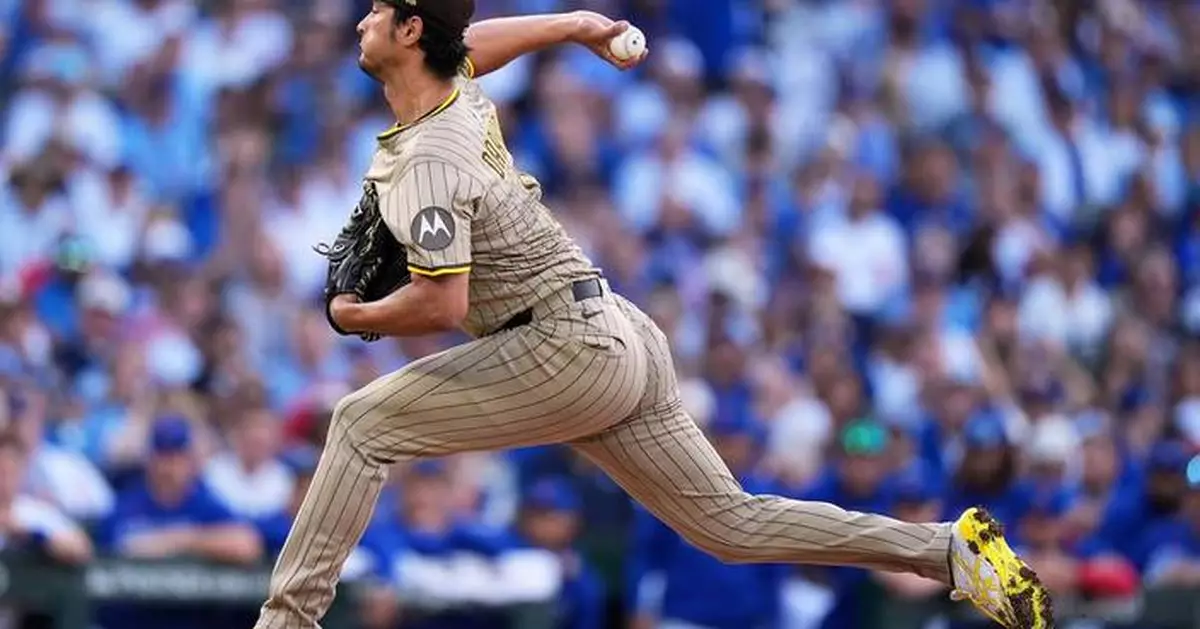
SAN DIEGO (AP) — Right-hander Yu Darvish will miss the 2026 season with the San Diego Padres after surgery to repair the ulnar collateral ligament in his pitching elbow.
The 39-year-old Darvish also got an internal brace in the surgery performed last week, the Padres announced Tuesday.
“I will be working hard on my rehab to be able to throw a ball comfortably again,” Darvish wrote in Japanese on social media.
Darvish had Tommy John surgery in March 2015 and returned to a major league mound on May 28, 2016.
The five-time All-Star went 5-5 with a 5.38 ERA and a 1.18 WHIP in 15 starts for the Padres last season after missing the first three months due to elbow inflammation. Darvish started the decisive Game 3 of San Diego's wild card series against the Chicago Cubs, but he took the loss after allowing two runs on four hits and failing to record an out in the second inning.
Darvish has completed three seasons of the $108 million, six-year contract he agreed to in February 2023 wkth the Padres, who acquired him before the 2021 season. Darvish led the AL in strikeouts in 2013 and led the NL in victories in 2020.
His injury is a blow to a Padres rotation that was already in flux after San Diego made the playoffs for the fourth time in six seasons, but failed to advance. Right-hander Dylan Cease is a free agent, and right-hander Michael King became a free agent Monday after declining his option for 2026.
The Padres' remaining proven starters are Nick Pivetta, Randy Vasquez and Joe Musgrove, who is scheduled to return next year from Tommy John surgery. San Diego also acquired JP Sears in the deadline trade that also brought vaunted reliever Mason Miller, a starter earlier in his career.
Darvish will have plenty to keep him occupied during his year away from the mound: His oldest son, Shoei, has committed to play baseball at UC San Diego after he graduates from high school next year.
AP MLB: https://apnews.com/MLB

FILE - San Diego Padres' Yu Darvish throws during the first inning of Game 3 of a National League wild card baseball game against the Chicago Cubs, Oct. 2, 2025, in Chicago. (AP Photo/Nam Huh, File)
NEW DELHI (AP) — India has begun the world’s largest national population count, which could reshape welfare programs and political representation across the country.
The previous census in 2011 recorded a population of 1.21 billion. It's now estimated to be more than 1.4 billion, making India the most populous nation.
The new census had been planned for 2021 but was postponed due to the COVID-19 pandemic and logistical challenges.
Here’s how India’s census works and why it is significant:
The first phase of the count started Wednesday and will roll out around the country through September. The workers will spend about a month in each area collecting information on homes and available facilities and will document housing stock and living conditions.
The exercise will blend in-person surveys with a digital option where residents can submit information through a multilingual smartphone application that integrates satellite-based mapping.
The second phase to be conducted from September to next April 1 will record more detailed information like people's social and economic characteristics, including religion and caste.
More than 3 million government workers are expected to be deployed over the course of the year. In 2011, nearly 2.7 million enumerators surveyed more than 240 million households nationwide.
The second phase of the census will attempt a broader accounting of caste beyond historically marginalized groups.
Caste is an ancient system of social hierarchy in India and is influential in defining social standing and deciding who gets access to resources, education and economic opportunity. There are hundreds of caste groups based on occupation and economic status across India, particularly among Hindus, but the country has limited or outdated data on how many people belong to them.
The last attempt to gather detailed caste information through a census dates to 1931, during British colonial rule. Since independent India’s first census in 1951, it counted only Dalits and Adivasis, members of marginalized groups known as scheduled castes and tribes.
Successive governments have resisted conducting a full caste count, arguing it could heighten social tensions and trigger unrest.
Population data collected through the census underpins the distribution of government welfare programs and a wide range of public policies.
It could also prompt a redrawing of India’s political map, as seats in the lower house of Parliament and state legislatures may be increased to reflect population growth. A 2023 law reserves one-third of legislative seats for women, so any expansion would raise the number of seats set aside for female representatives.
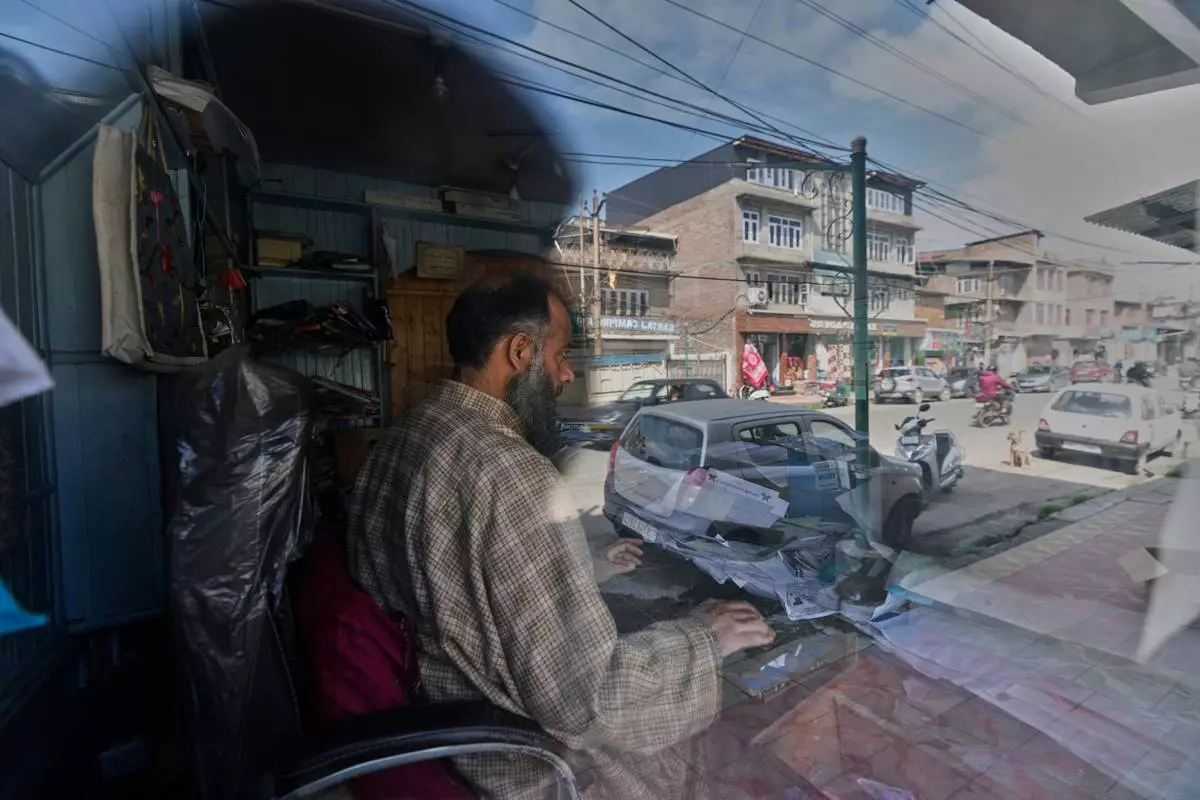
Irfan Ahmad checks census registration online at a registration center as the street is reflected on the glass in Srinagar, Indian controlled Kashmir, April 1, 2026. (AP Photo/Mukhtar Khan)
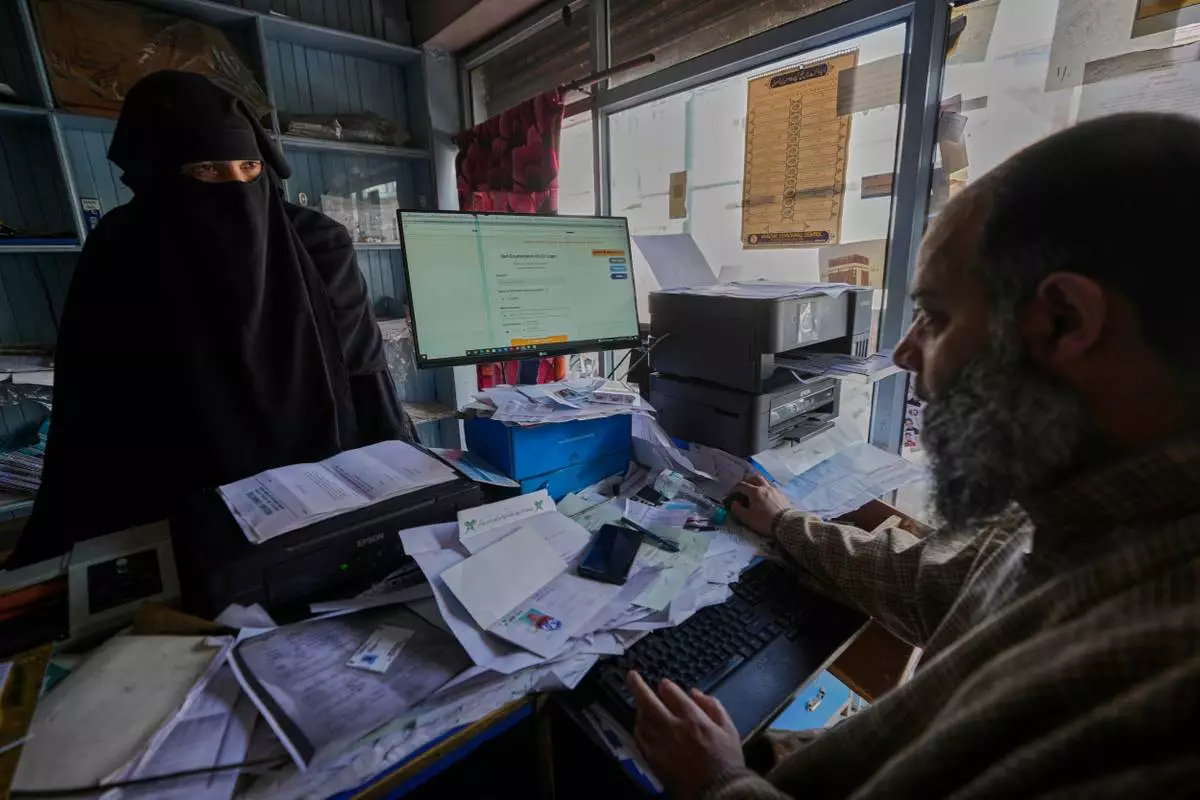
A Muslim woman checks her census registration online at a registration center in Srinagar, Indian controlled Kashmir, April 1, 2026. (AP Photo/Mukhtar Khan)
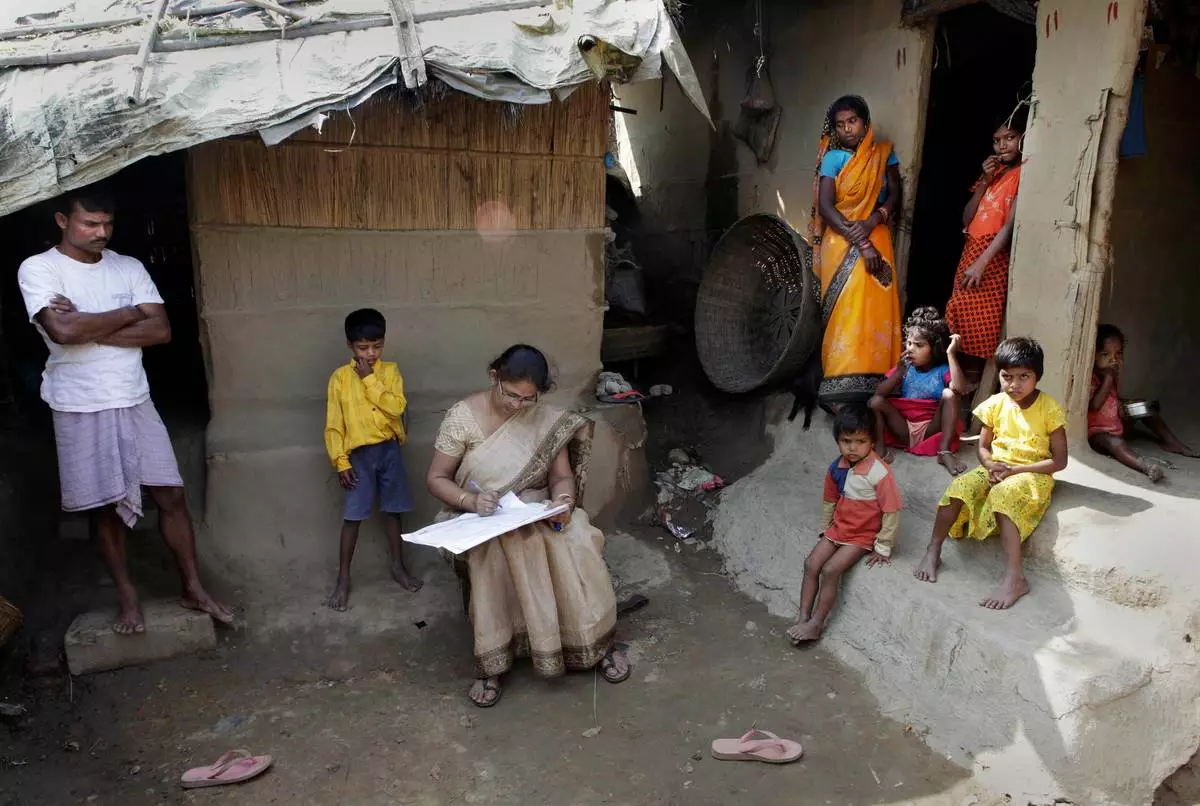
FILE -Mahesh Shah, left, stands as his family members look while census worker Rumima Das, writes the information on a paper on the first day of the national census at Ramsingh Chapori village, east of Gauhati, India, April 1, 2010. (AP Photo/Anupam Nath, File)
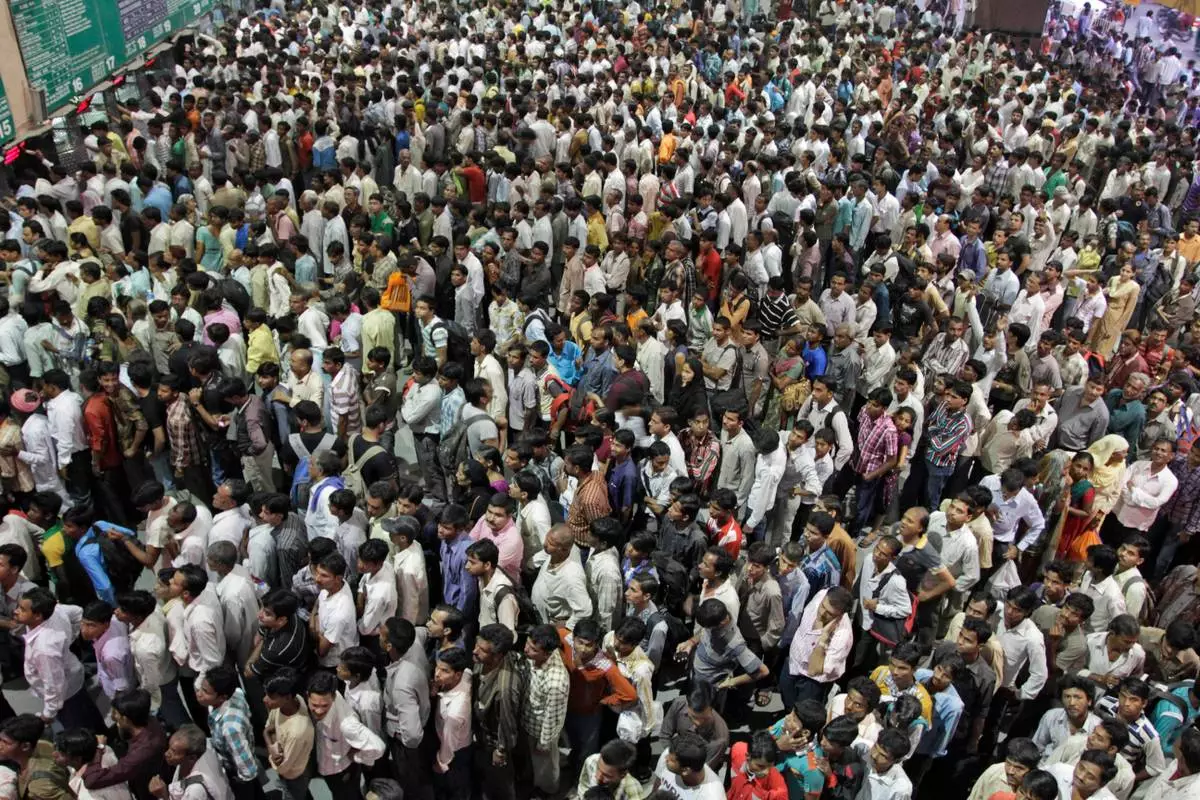
FILE - Indians crowd ticket counters at a railway station in Ahmadabad, India, Oct. 23, 2011. (AP Photo/Ajit Solanki, File)