WASHINGTON (AP) — Senate Republicans voted to reject legislation Thursday that would have put a check on President Donald Trump’s ability to launch an attack against Venezuela, as Democrats pressed Congress to take a stronger role in Trump’s high-stakes campaign against Venezuelan President Nicolás Maduro.
Lawmakers, including top Republicans, have demanded that the Trump administration provide them with more information on the U.S. military strikes against alleged drug-smuggling vessels in the Caribbean Sea and eastern Pacific Ocean. But Thursday’s vote, on legislation that would essentially forestall an attack on Venezuelan soil without congressional authorization, suggested Republicans are willing to give Trump leeway to continue his buildup of naval forces in the region.
“President Trump has taken decisive action to protect thousands of Americans from lethal narcotics,” said Sen. Jim Risch, the Republican chair of the Senate Foreign Relations Committee.
Still, the vote allowed Democrats to press their GOP colleagues on Trump’s threats against Venezuela. The legislation failed to advance 49-51, with Sens. Rand Paul of Kentucky and Lisa Murkowski of Alaska the only Republicans voting in favor.
The U.S. is assembling an unusually large force, including its most advanced aircraft carrier, in the Caribbean Sea, leading many to conclude that Trump intends to go beyond just intercepting cocaine-running boats. The campaign so far has killed at least 69 people in 17 known strikes, the latest carried out Thursday against a boat in the Caribbean.
“It’s really an open secret that this is much more about potential regime change,” said Sen. Adam Schiff, a California Democrat who pushed the resolution. “If that’s where the administration is headed, if that’s what we’re risking — involvement in a war — then Congress needs to be heard on this.”
Republican leadership pressed Thursday to make sure the legislation failed, but several senators still carefully considered their vote.
Sen. Thom Tillis, a North Carolina Republican, another Republican who voted against the resolution, said that he still has doubts about the campaign. He pointed out that it was expensive to change the deployment location for an aircraft carrier and questioned whether those funds could be better used at the U.S.-Mexico border to stop fentanyl trafficking.
Tillis said that if the campaign continues for several months more, “then we have to have a real discussion about whether or not we’re engaging in some sort of hybrid war.”
Sen. Todd Young, an Indiana Republican, said in a statement that he voted against the legislation because he didn’t believe it was “necessary or appropriate at this time.”
But he added that he was “troubled by many aspects and assumptions of this operation and believe it is at odds with the majority of Americans who want the U.S. military less entangled in international conflicts.”
As the Trump administration has reconfigured U.S. priorities overseas, there has been a growing sense of frustration among lawmakers, including some Republicans, who are concerned about recent moves made by the Pentagon.
At a hearing in the Senate Armed Services Committee earlier Thursday, Sen. Roger Wicker, the Republican chair, said that many senators have “serious concerns about the Pentagon’s policy office” and that Congress was not being consulted on recent actions like putting a pause on Ukraine security assistance, reducing the number of U.S. troops in Romania and the formulation of the National Defense Strategy.
GOP senators have directed their ire at the Department of Defense's policy office, which is led by Elbridge Colby, an official who has advocated for the U.S. to step down its involvement in international alliances.
“It just seems like there’s this pigpen-like mess coming out of the policy shop,” said Sen. Tom Cotton, an Arkansas Republican who chairs the Senate Intelligence Committee, during another Armed Services hearing earlier this week.
As pushback has mounted on Capitol Hill, the Trump administration has stepped up its outreach to lawmakers. Secretary of State Marco Rubio and Defense Secretary Pete Hegseth held a classified briefing for congressional leaders Wednesday. The officials gave details on the intelligence that is used to target the boats and allowed senators to review the legal rationale for the attacks, but did not discuss whether they would launch an attack directly against Venezuela, according to lawmakers in the meeting.
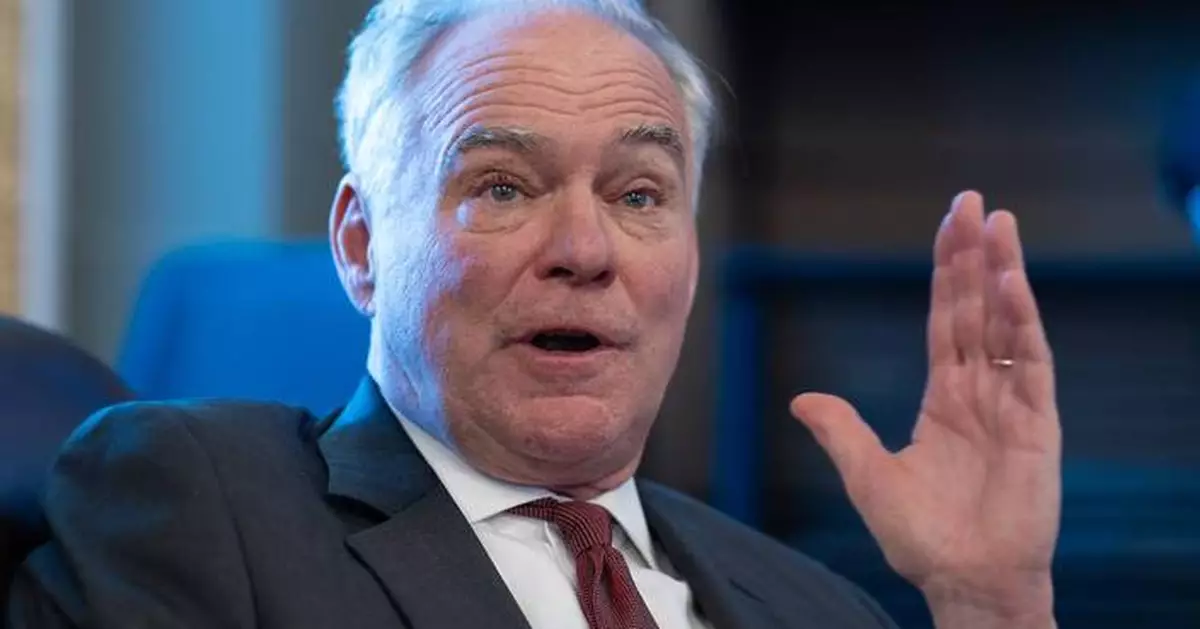
Still, Democrats have tested the unease among Republicans by forcing the vote on the potential for an attack on Venezuela under the War Powers Resolution of 1973, which was intended to reassert congressional power over the declaration of war. A previous war powers vote pertaining to the strikes against boats in international waters also failed last month on a 48-51 vote, but Sen. Tim Kaine of Virginia, who pushed the legislation, said he still plans to force more votes.
“We should not be going to war without a vote of Congress. The lives of our troops are at stake,” Kaine said in a floor speech.
Democrats also argued that the Trump administration was using a flimsy legal defense for an expansive military campaign that is putting U.S. troops and the nation’s reputation at risk. Sen. Jack Reed, the top Democrat on the Armed Services panel, charged that Trump is engaging in “violence without a strategic objective” while failing to take actions that would actually address fentanyl smuggling.
“You cannot bomb your way out of a drug crisis,” he said.
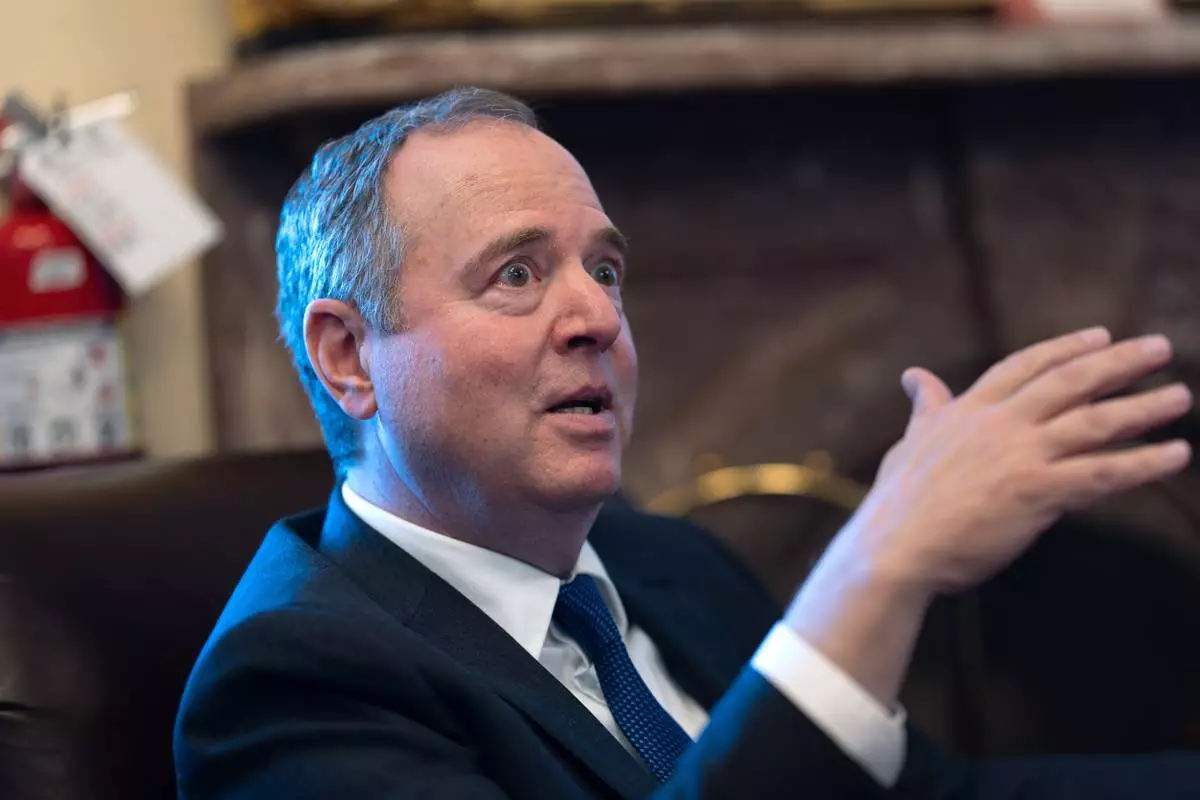
Sen. Adam Schiff, D-Calif., speaks with reporters about President Donald Trump's foreign policy intentions, with Venezuela in particular, at the Capitol in Washington, Thursday, Nov. 6, 2025. (AP Photo/J. Scott Applewhite)
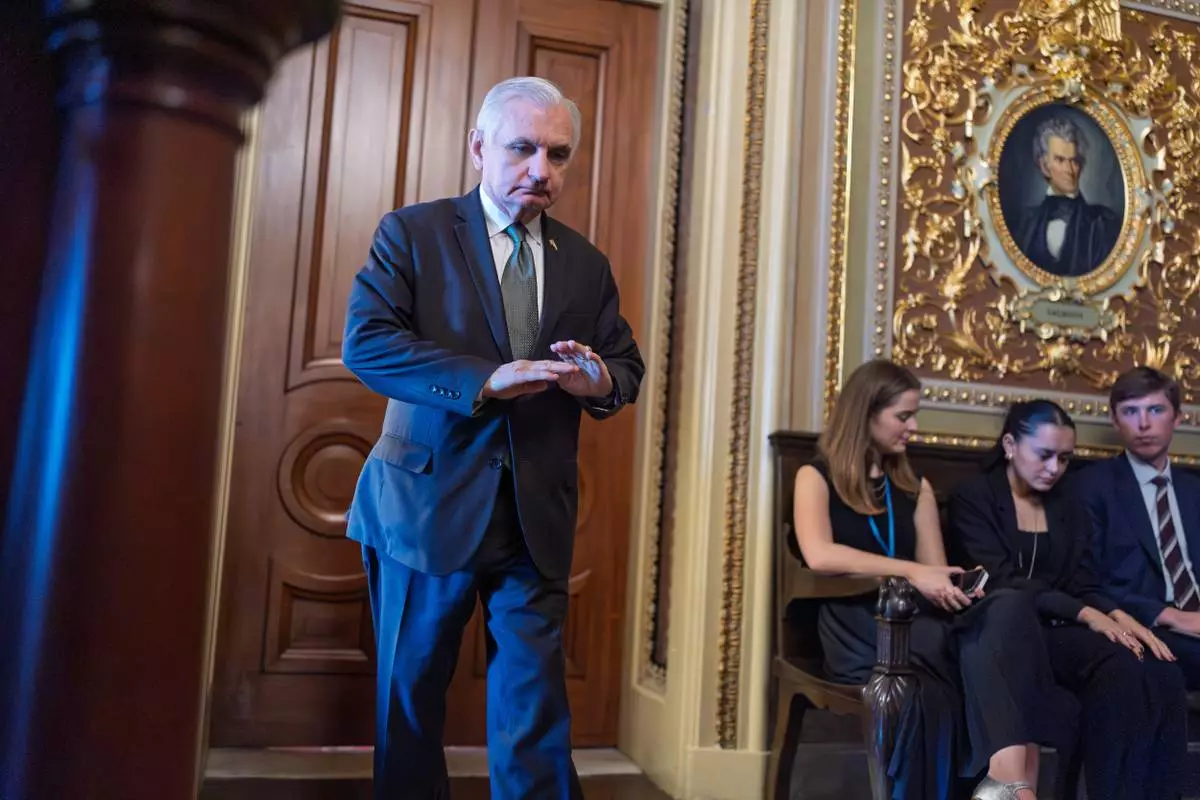
Sen. Jack Reed, D-R.I., leaves a meeting room where he and other Senate Democrats at the Capitol are looking for a solution to the spending impasse, in Washington, Thursday, Nov. 6, 2025, day 37 of the government shutdown. (AP Photo/J. Scott Applewhite)
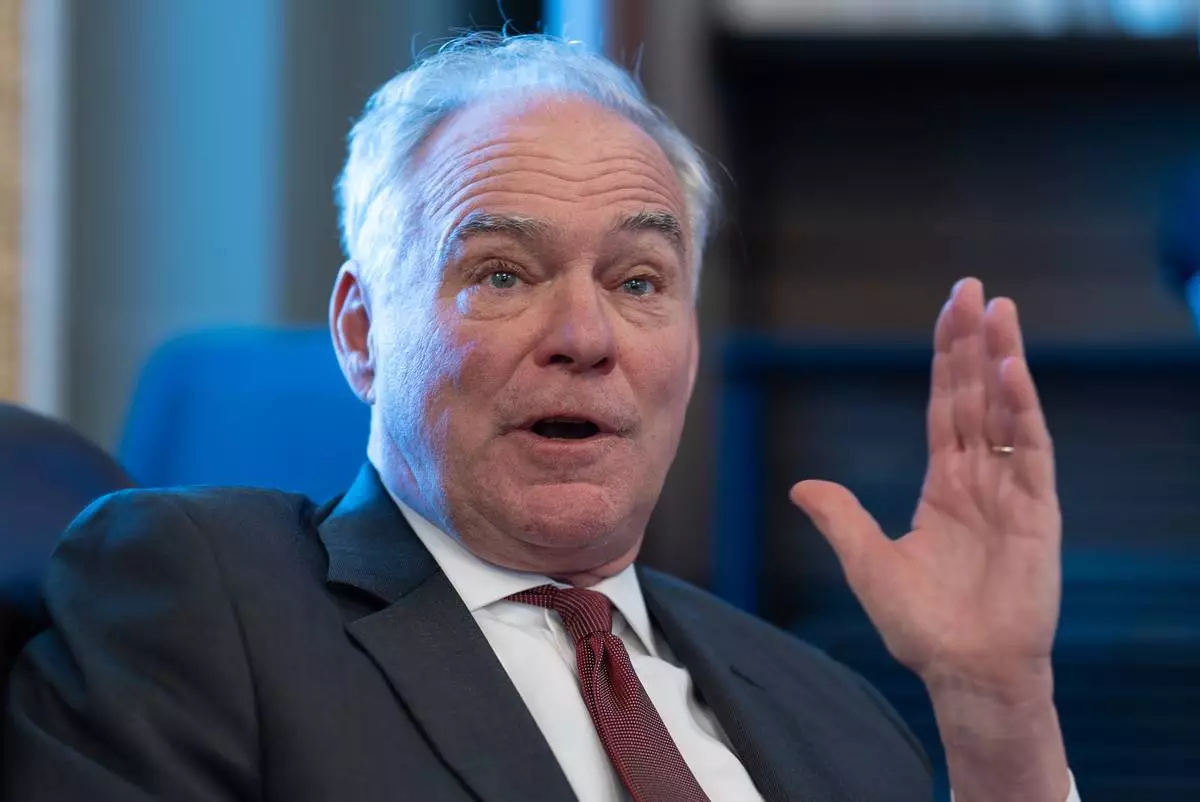
Sen. Tim Kaine, D-Va., speaks with reporters about President Donald Trump's foreign policy intentions, with Venezuela in particular, at the Capitol in Washington, Thursday, Nov. 6, 2025. (AP Photo/J. Scott Applewhite)