WELLINGTON, New Zealand (AP) — New Zealand’s government will end the involvement of police officers in regulating gun ownership, an official said Tuesday as she announced sweeping firearms law reforms.
The move is intended to ease tensions between the gun regulator and firearms owners, which have been fraught since the agency's creation following a shooting massacre at two New Zealand mosques.
The Firearms Safety Authority has overseen gun ownership since 2022 after an inquiry underlined the way the white supremacist attacker legally acquired numerous weapons without attracting law enforcement scrutiny.
The changes unveiled in Wellington by Associate Justice Minister Nicole McKee stopped short of what the police union and those bereaved in the Christchurch massacre feared: a reversal of the near-complete ban on semiautomatic firearms passed after the attacker killed 51 Muslims at prayer on March 15, 2019.
McKee, a lobbyist for gun owners before she entered parliament in 2020, told reporters her bid to relax the semiautomatic weapons ban for some sports shooters wasn’t approved by the Cabinet. Her government had refused to rule out reversing the ban before.
Instead, her changes focused on removing uniformed officers from the regulatory body and altering its oversight. Once McKee's law passes, the authority will report directly to the government, rather than the head of the New Zealand Police.
“There will be no blue shirts in the Firearms Safety Authority,” McKee said, referring to police uniforms. The 15 officers who worked at the authority would return to police duties, which will still include enforcing gun crime laws.
“We need to rebuild the trust and confidence between the regulator and the licensed firearms community that has diminished severely over the past six years,” said McKee. She said “a lot of the blame" for the Christchurch attack was directed at gun owners, who say police should be focusing on law enforcement, not on regulation compliance or licensing.
The regulator is currently a unit within the police department. The law change would create a more independent legal structure that would only share corporate services with the law enforcement agency.
The body couldn't be entirely separated from the police department due to a reliance on law enforcement databases, McKee said.
The Australian attacker, who moved to New Zealand to carry out the massacre, was granted a license and legally amassed semiautomatic weapons after being radicalized online. Lawmakers changed the rules after the attack to require more information from applicants, such as travel histories, and tighter policies about character referees which might have raised questions when Brenton Tarrant applied for a license.
Tarrant pleaded guilty in 2020 to a terrorism charge, 51 counts of murder and 37 of attempted murder. He was sentenced to life in prison without parole.
“None of us want to see that again,” McKee said. But she said the swift changes in the attack's aftermath were “rushed, confused and unfair.”
New Zealand drew global admiration when its then-Prime Minister Jacinda Ardern said six days after the massacre that the weapons used would be banned. Further reforms included new gun club rules and a firearms registry.
McKee, who opposed most of the changes as a lobbyist, left many untouched in the law rewrite. She said the focus was on simplifying regulations so law-abiding gun owners could comply more easily.
That included extending renewal windows for licenses, which sometimes lapse due to backlogs, and allowing more flexibility in where licensed gun owners can store their weapons. The small number of New Zealanders permitted semiautomatic weapons for pest control will be allowed to hold their licenses for longer.
The new law would also introduce a so-called red flag system enabling other government agencies to share information with the regulator. It would strengthen controls on 3D-printed gun manufacturing, though it stops short of what police had urged.
The legislation replacing the Arms Act was still being drafted and wasn’t publicly available Tuesday. McKee said it would be introduced to Parliament before year’s end and she hoped it would pass by mid-2026. Her libertarian party, Act, is part of a three-party, center-right coalition government that has enough lawmakers to pass the reforms outright.
A spokesperson for the Council of Licensed Firearms Owners, which McKee previously led, said the group welcomed the removal of police from gun licensing. Hugh Devereux-Mack said the structure of the regulator had resulted in “unfair and intimidating treatment” of gun owners.
Devereux-Mack said he was disappointed the law didn’t propose a new definition of who qualifies as a “fit and proper” person to own a gun. He urged gun owners to make submissions on the bill before it passed.
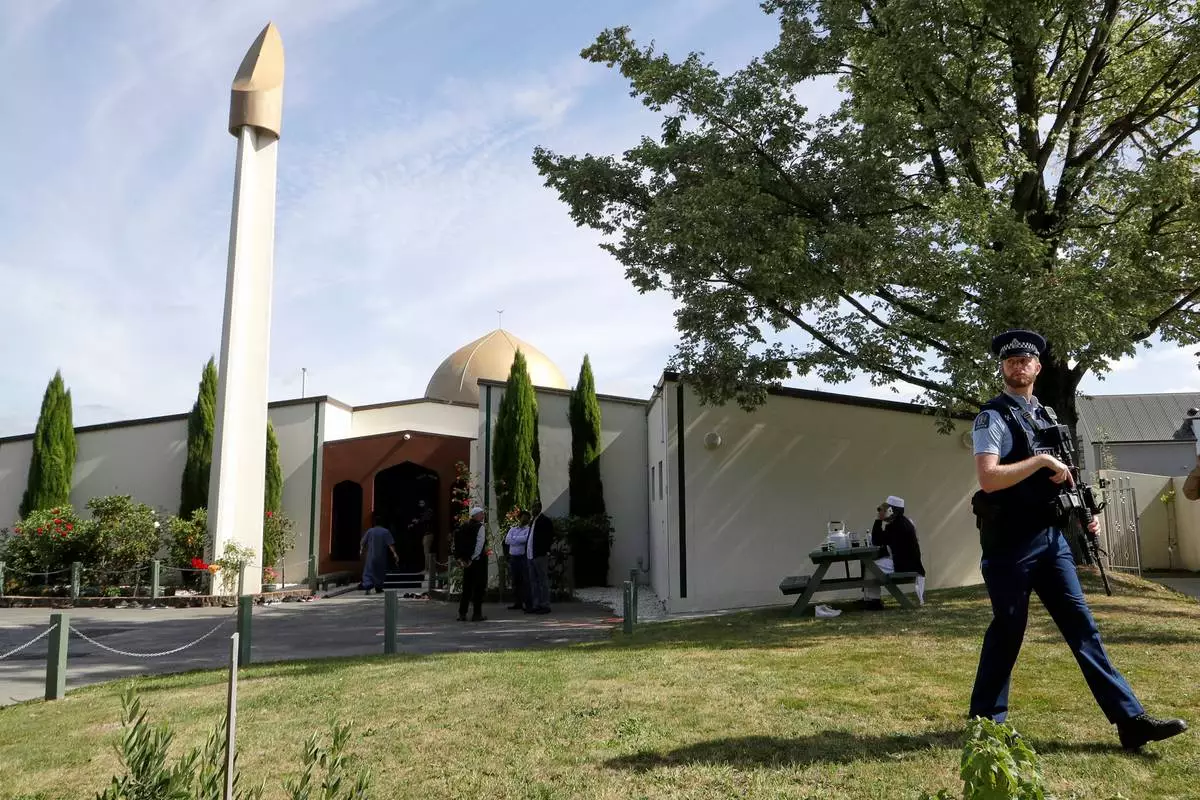
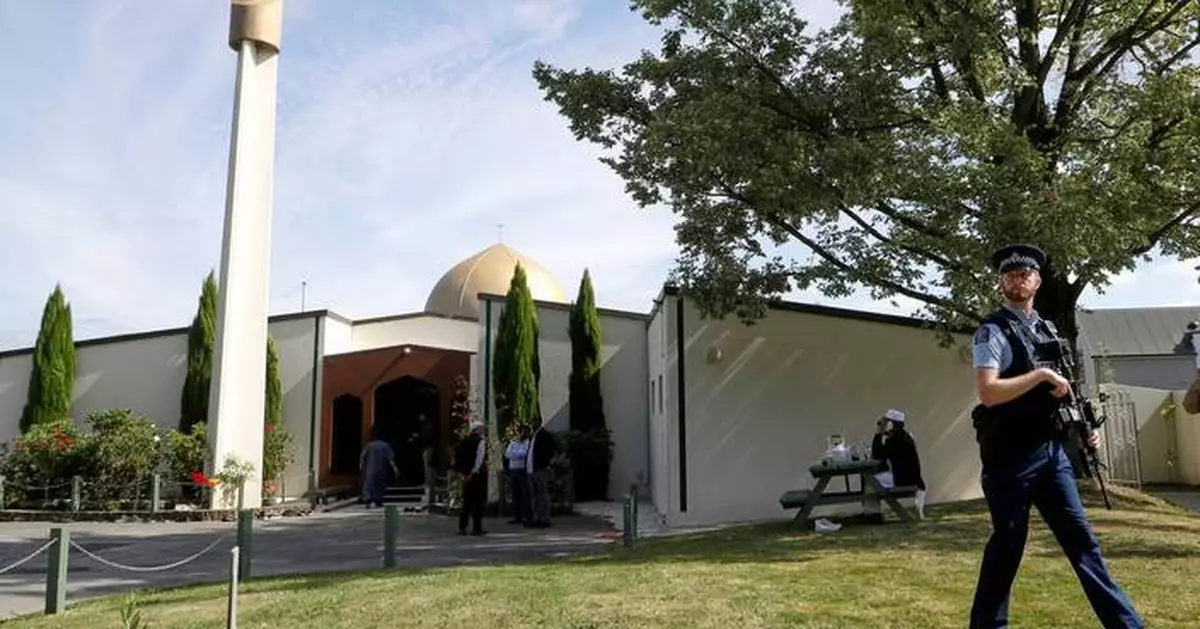
FILE - An armed policeman patrols the grounds at the Al Noor mosque March 23, 2019, in Christchurch, New Zealand, following the previous week's mass shooting. (AP Photo/Mark Baker, File)
DUBAI, United Arab Emirates (AP) — Iran kept up its attacks on Israel and Persian Gulf neighbors on Wednesday as airstrikes pounded Tehran and U.S. President Donald Trump again made contradictory statements about whether he was ready to wind down the war or escalate it.
Trump struck a belligerent tone Wednesday in a Truth Social post, demanding that Iran stop blocking the Strait of Hormuz — the waterway vital to global oil supplies — or the U.S. would bomb the Islamic Republic “back to the Stone Ages.” A day earlier, Trump said the U.S. “will not have anything to do with” ensuring the security of ships passing through Hormuz; that was an apparent backtrack from a previous threat to attack Iran's power grid if it didn't open the strait by April 6.
Trump, who is scheduled to give a televised address Wednesday evening, said Tuesday he could walk away from the war in two to three weeks once he felt confident Iran would not be able to build a nuclear weapon — even if Tehran does not agree to a ceasefire.
But his latest Truth Social post struck a harder line as more American troops move into the region for a possible ground offensive after weeks of airstrikes targeting Iran.
Trump also claimed Wednesday that “Iran's New Regime President” wanted a ceasefire. It wasn't clear to whom the U.S. president was referring since Iran still has the same president. Iran’s Foreign Ministry spokesman, Esmail Baghaei, called Trump's claim “false and baseless,” according to a report on Iranian state television.
Speaking earlier to Al Jazeera, Iranian Foreign Minister Abbas Araghchi signaled Tehran’s willingness to keep fighting. “You cannot speak to the people of Iran in the language of threats and deadlines,” he said. “We do not set any deadline for defending ourselves.”
Since the war began on Feb. 28, Trump has offered shifting objectives and repeatedly has said it could be over soon while also threatening to widen the conflict. Thousands of additional U.S. troops are currently heading to the Middle East, and speculation abounds about the purpose of their deployment.
Just days ago, Trump threatened to attack Iran’s Kharg Island oil export hub. And there has also been speculation about whether the U.S. could decide to send in military forces to secure Iran’s uranium stockpile — a complex and risky operation, fraught with radiation and chemical dangers, according to experts and former government officials.
Adding to the confusion is what role Israel - which has been bombing Iran alongside the U.S. — might play in any of these scenarios.
Trump has been under growing pressure to end the war as oil prices have skyrocketed, pushing up the cost of gasoline, food and other goods. The spot price of Brent crude, the international standard, was up more than 40% since the start of the war, trading at more than $103 a barrel on Wednesday.
The U.S. has presented Iran with a 15-point plan aimed at bringing about a ceasefire, including a demand for the strait to be reopened and for its nuclear program to be rolled back.
Iran insists its nuclear program is peaceful. And in a report last week by Iranian state TV's English-language broadcaster, an anonymous official was quoted as saying Iran had its own demands to end the fighting, including retaining sovereignty over the strait.
In the interview with Al Jazeera, Araghchi acknowledged receiving direct messages from U.S. Mideast envoy Steve Witkoff. He insisted, however, that there were no direct negotiations and said Iran has no faith that talks with the U.S. could yield any results, saying “the trust level is at zero.”
He warned against any U.S. attempt to launch a ground offensive, saying “we are waiting for them.”
In a deal ostensibly to give diplomacy a chance, U.S. officials have given “clear assurances” that Araghchi and Iran's Parliamentary Speaker Mohammad Bagher Qalibaf won't be targeted, according to three officials who spoke on condition of anonymity because they're not authorized to speak publicly about the matter.
A cruise missile slammed into an oil tanker off Qatar’s coast Wednesday, the Defense Ministry said. The crew was evacuated and no casualties were reported. A Kuwaiti oil tanker came under attack off Dubai the day before, one of more than 20 ships attacked by Iran during the war.
In the United Arab Emirates, a person was killed when he was hit by debris from an intercepted drone in Fujairah, one of the country’s seven emirates.
In Kuwait, the state-run KUNA news agency said a drone hit a fuel tank at Kuwait International Airport, sparking a large fire.
Jordan’s military said it intercepted a ballistic missile and two drones fired from Iran in the last 24 hours. No casualties were reported. Two drones were also intercepted in Saudi Arabia.
In Israel, sirens sounded to warn of incoming missiles and AP reporters heard loud booms in Tel Aviv as the windows of buildings shook from the reverberations. There were no immediate reports of damage or casualties.
An airstrike on Tehran appeared to have hit the former U.S. Embassy compound, which has been controlled by Iran’s Revolutionary Guard since American diplomats were held hostage there in 1979. Witnesses said buildings outside the massive compound had their windows blown out.
In Lebanon, at least five people were killed in an Israeli strike on a Beirut neighborhood.
Israel invaded southern Lebanon after the Iran-linked Hezbollah militant group began launching missiles into northern Israel days after the outbreak of the war. Many Lebanese fear another prolonged military occupation.
More than 1,200 people have been killed in Lebanon and more than 1 million displaced, according to authorities. Ten Israeli soldiers have also died there.
In Iran, authorities say more than 1,900 people have been killed, while 19 have been reported dead in Israel. More than two dozen people have died in Gulf states and the occupied West Bank, while 13 U.S. service members have been killed.
Rising reported from Bangkok. Associated Press writers Giovanna Dell’Orto in Miami, Farnoush Amiri in New York and Samy Magdy in Cairo contributed to this report.
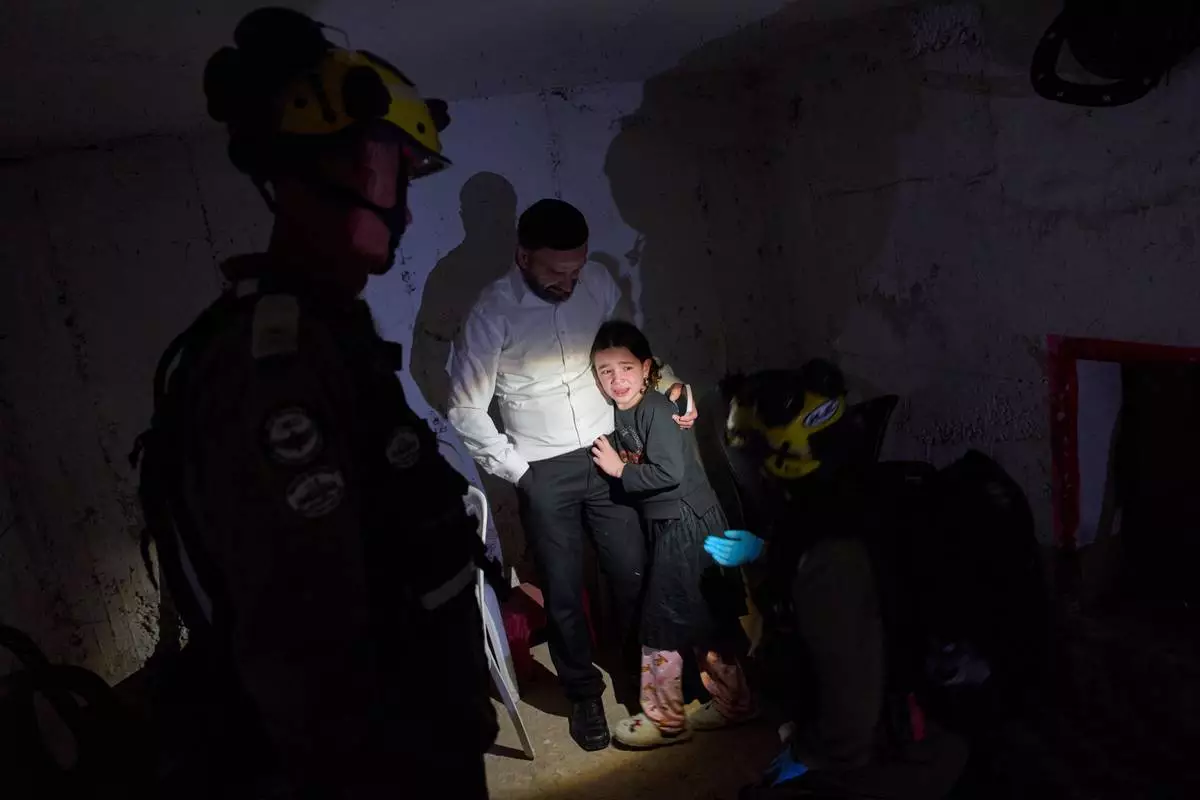
A young girl is comforted by her father and Israeli soldiers as they take cover in a bomb shelter during air raid sirens warning of incoming Iranian missile strikes in Bnei Brak, Israel, Wednesday, April 1, 2026. (AP Photo/Oded Balilty)
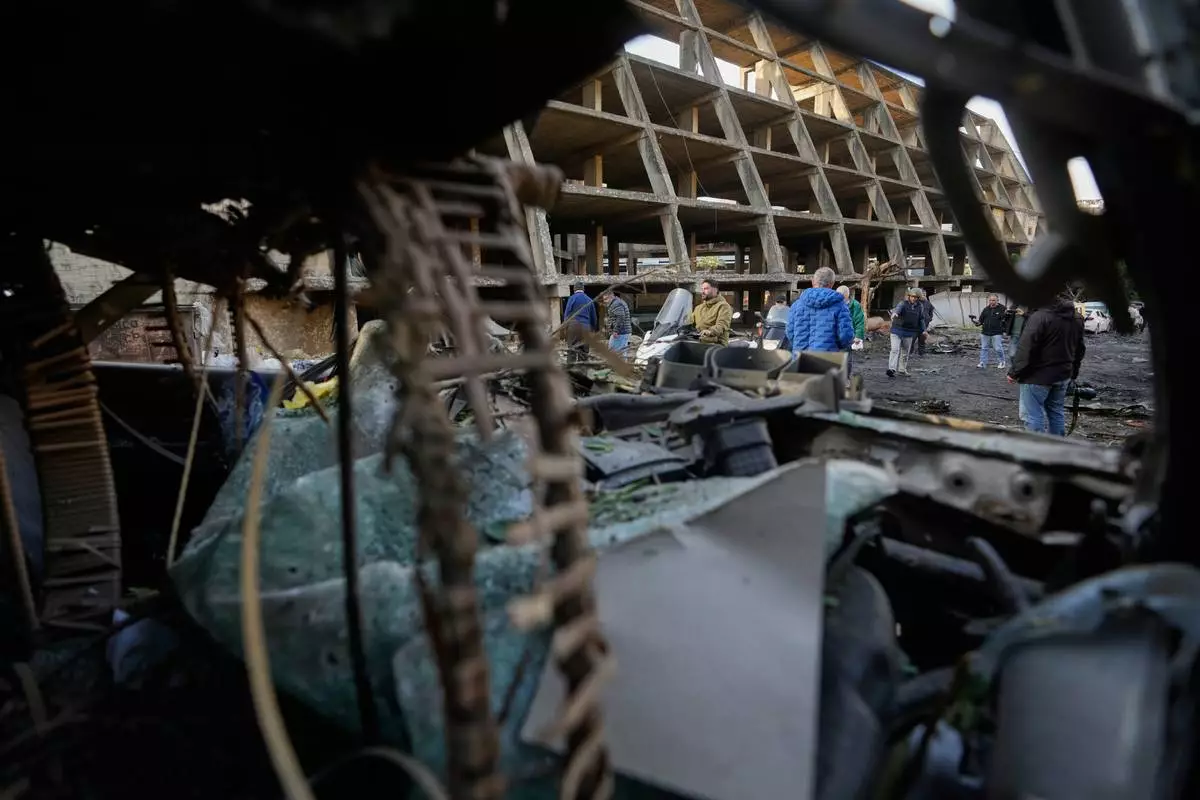
People inspect the site of an Israeli strike amid debris and damaged vehicles in Beirut, Lebanon, Wednesday, April 1, 2026. (AP Photo/Hassan Ammar)
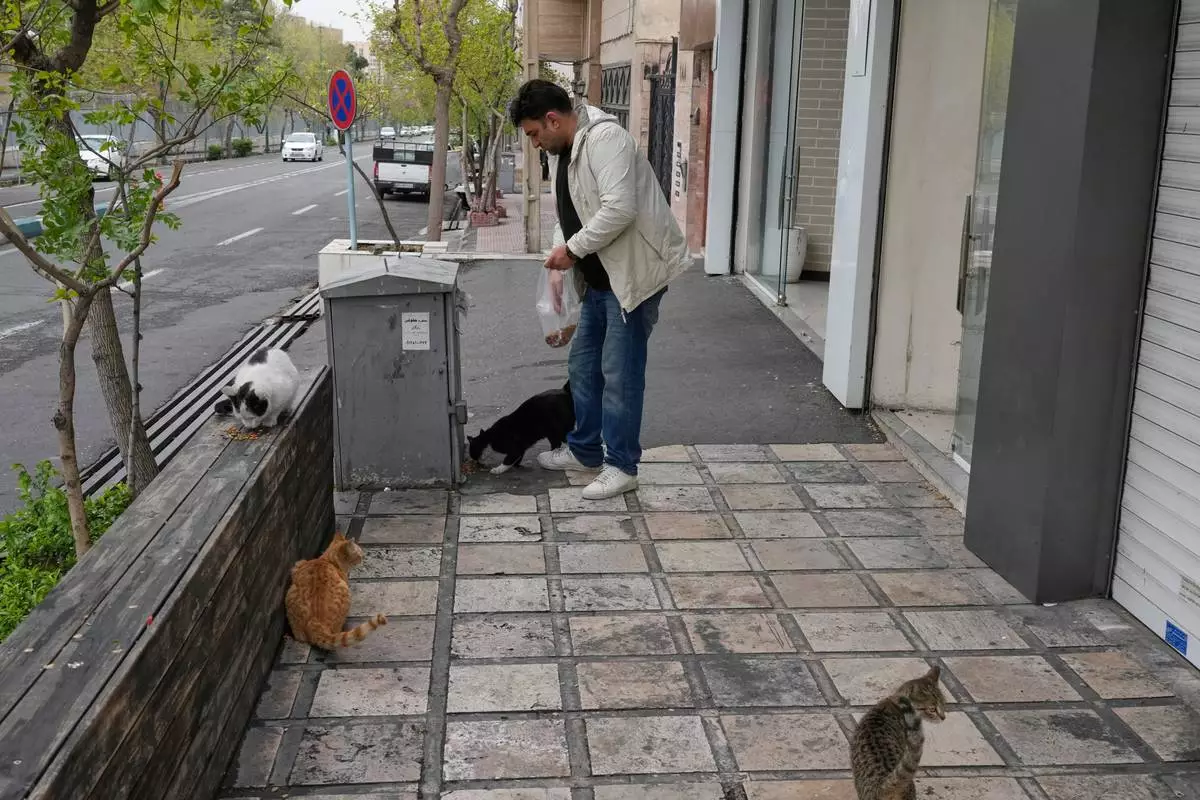
A man feeds stray cats in Tehran, Iran, Tuesday, March 31, 2026. (AP Photo/Vahid Salemi)
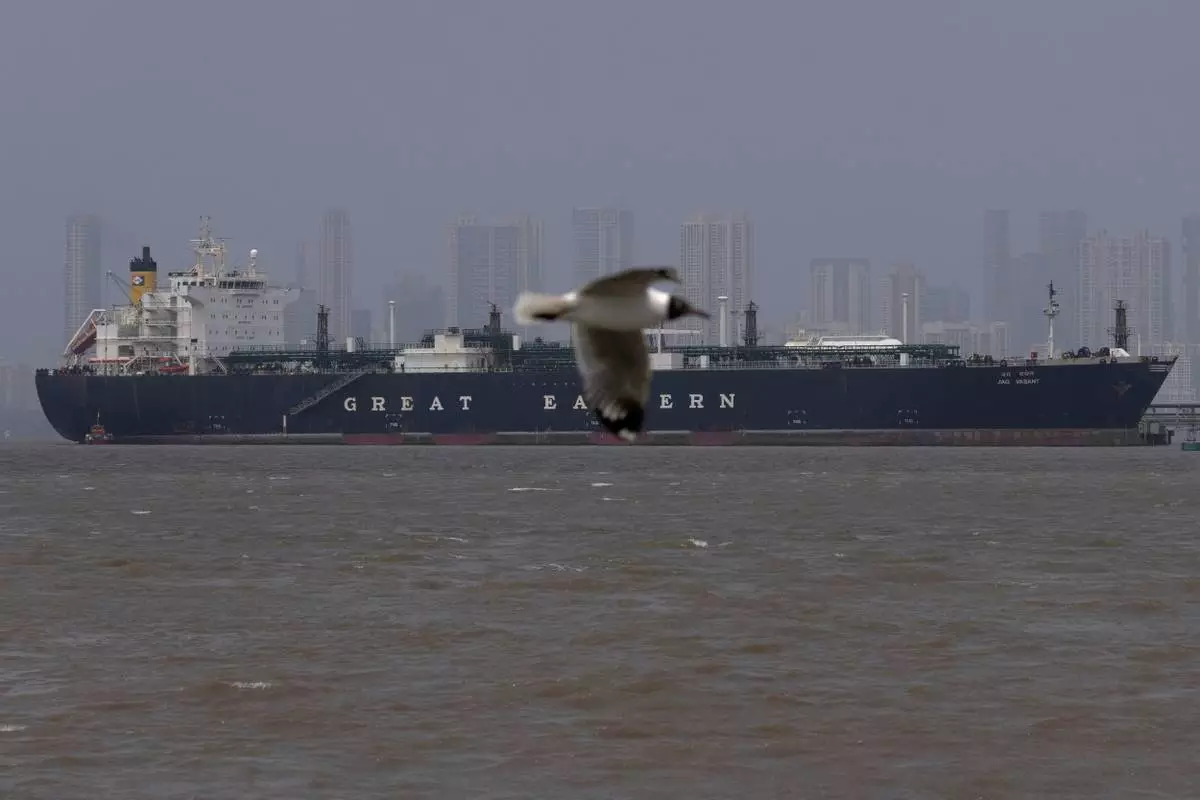
The Indian flagged LPG carrier Jag Vasant transporting liquefied petroleum gas, is seen at the Mumbai Port in Mumbai, India, after it arrived clearing the Strait of Hormuz, Wednesday, April 1, 2026. (AP Photo/Rafiq Maqbool)
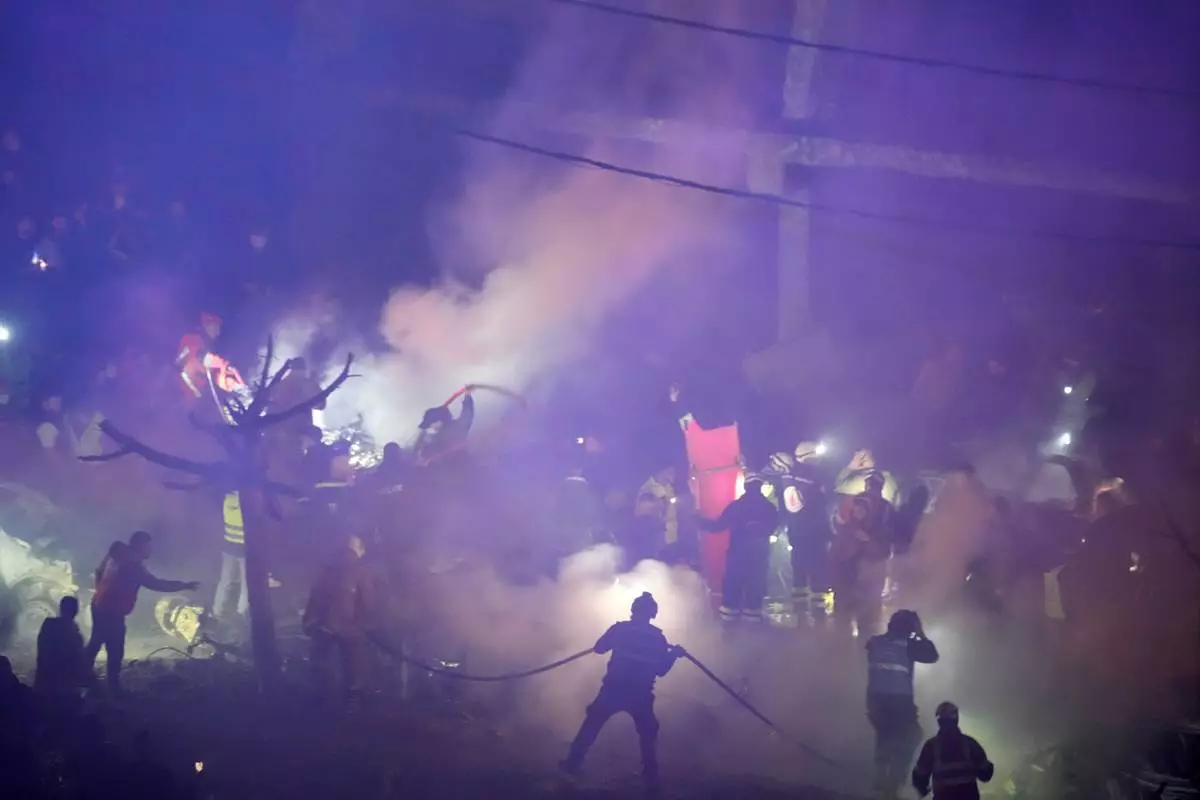
Firefighters and rescue workers work at the site of Israeli airstrikes, in Beirut, Lebanon, Wednesday, April 1, 2026. (AP Photo/Hussein Malla)
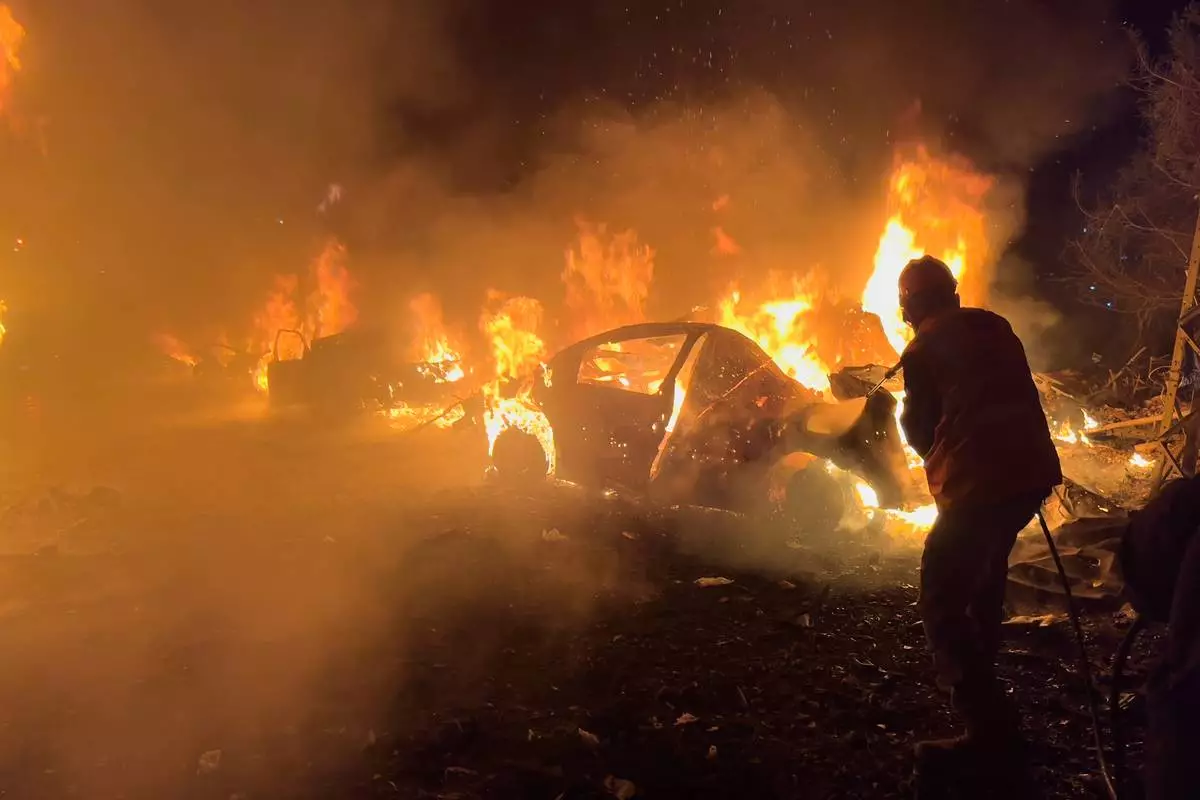
A firefighter extinguishes a car at the site of Israeli airstrikes, in Beirut, Lebanon, Wednesday, April 1, 2026. (AP Photo/Hussein Malla)
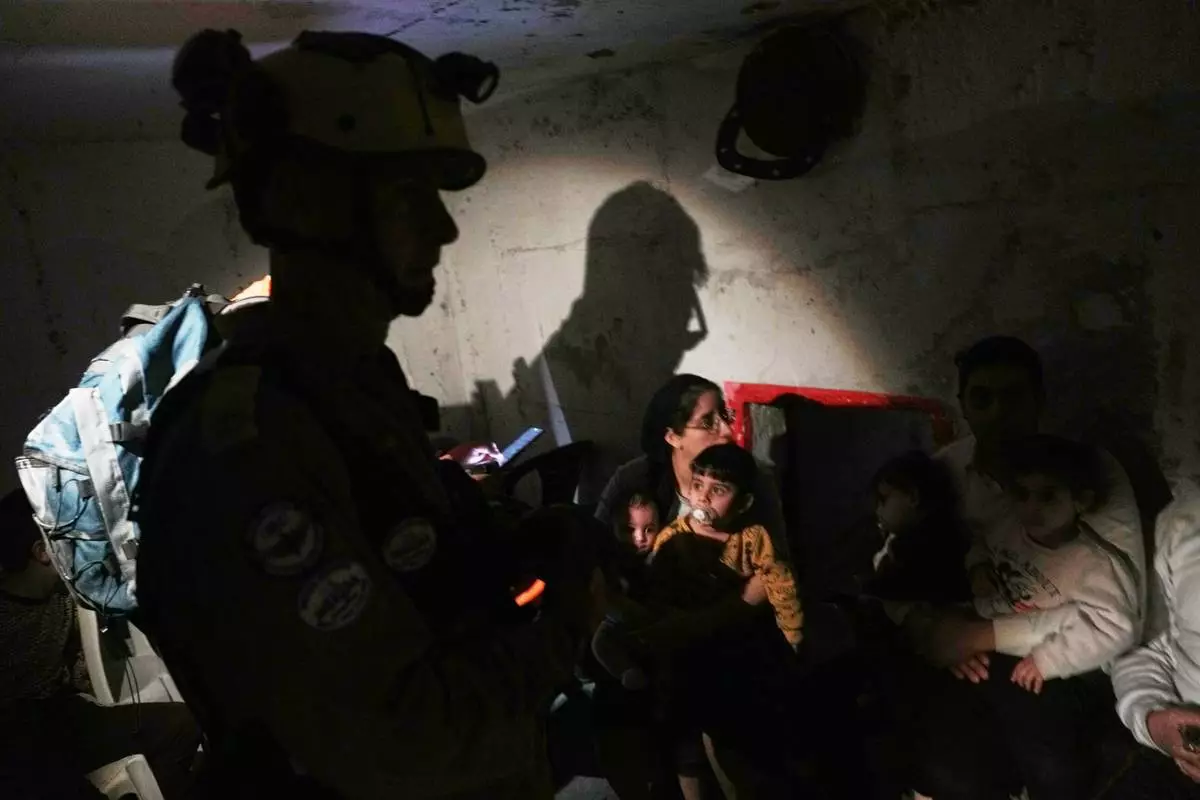
Israel's rescue teams and residents take shelter as sirens sounds next to a site struck by an Iranian missile in Bnei Brak, Wednesday, April 1, 2026. (AP Photo/Oded Balilty)
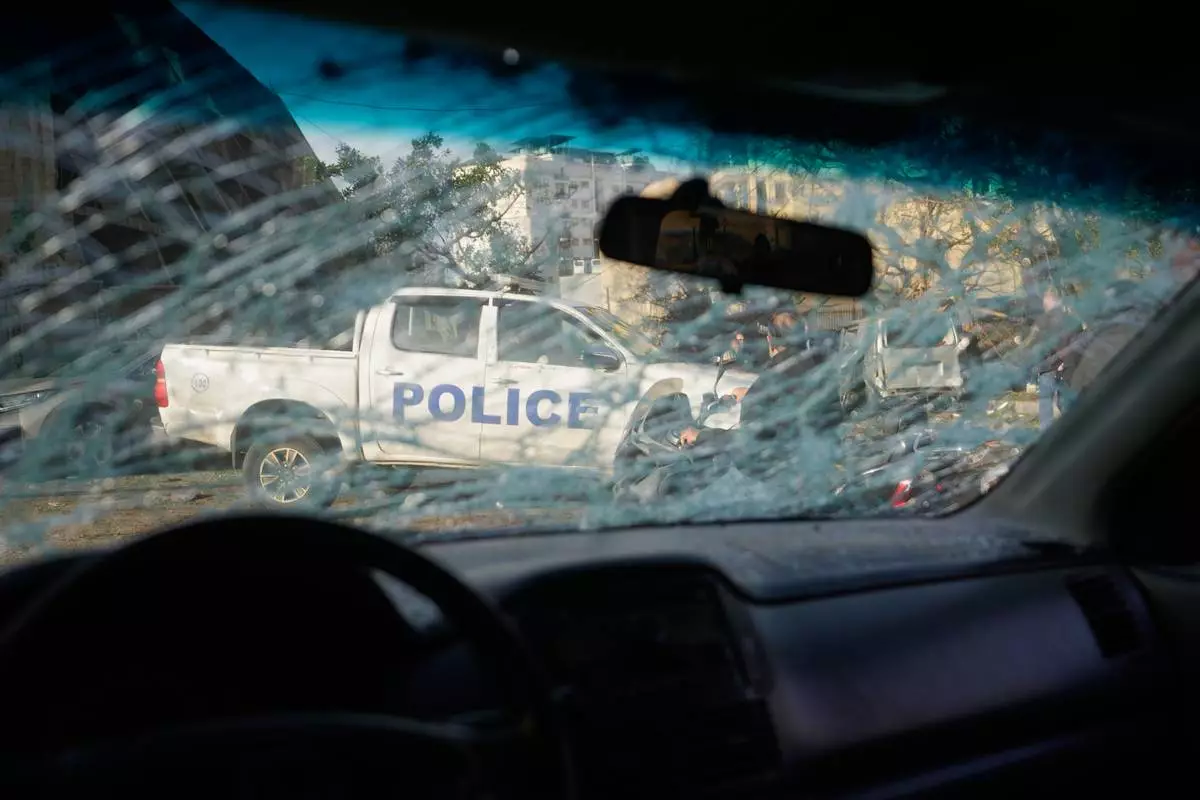
A police vehicle is seen through a shattered windshield at the site of an Israeli strike in Beirut, Lebanon, Wednesday, April 1, 2026. (AP Photo/Hassan Ammar)
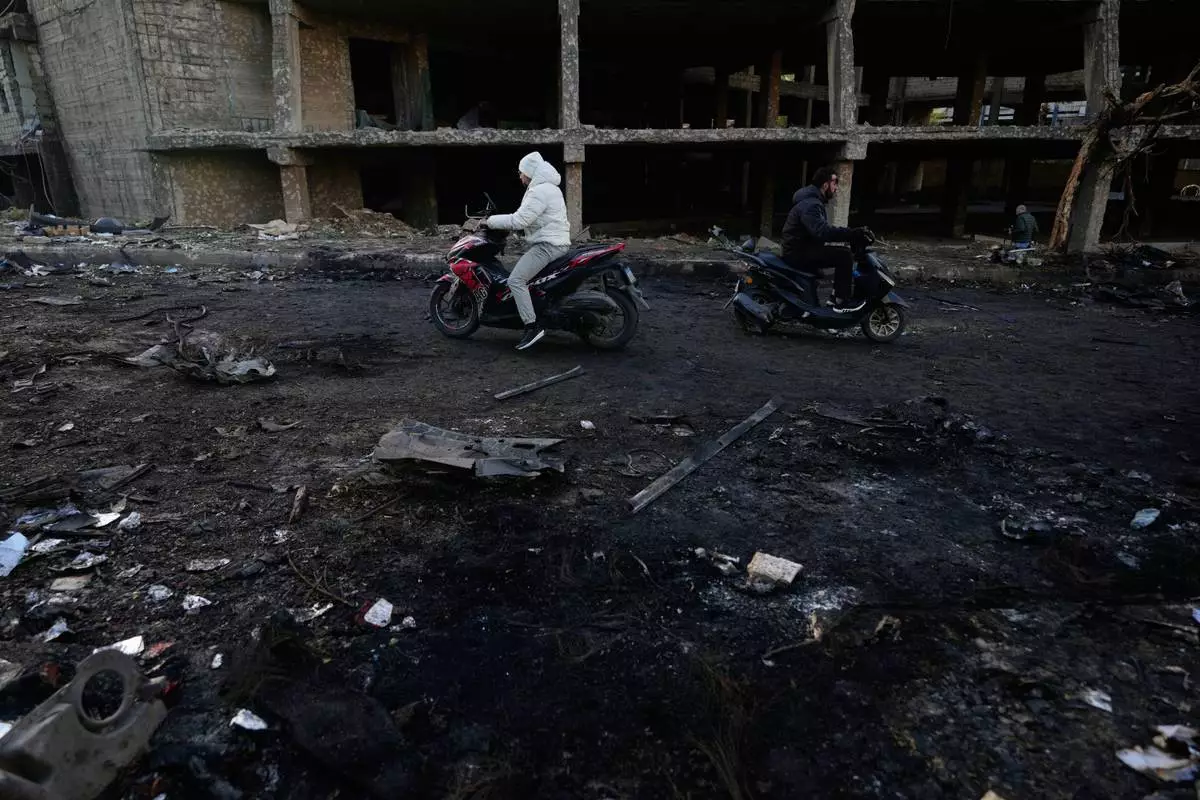
Two men ride scooters past charred debris at the site of an Israeli strike in Beirut, Lebanon, Wednesday, April 1, 2026. (AP Photo/Hassan Ammar)