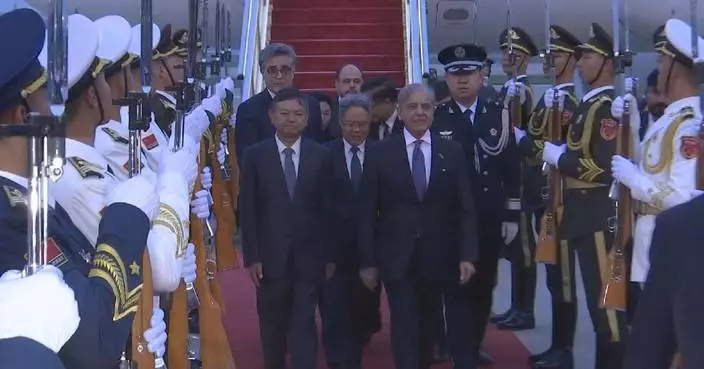
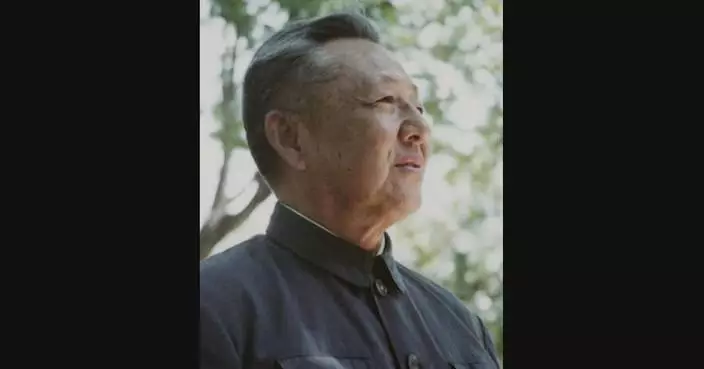
Chinese President Xi Jinping introduced the Beijing Central Axis, a UNESCO World Heritage site, to King Maha Vajiralongkorn Phra Vajiraklaochaoyuhua of the Kingdom of Thailand ahead of their meeting at the Great Hall of the People in Beijing on Friday morning.
At the invitation of Xi, the Thai king is paying a state visit to China from Nov 13 to 17.
Click to Gallery
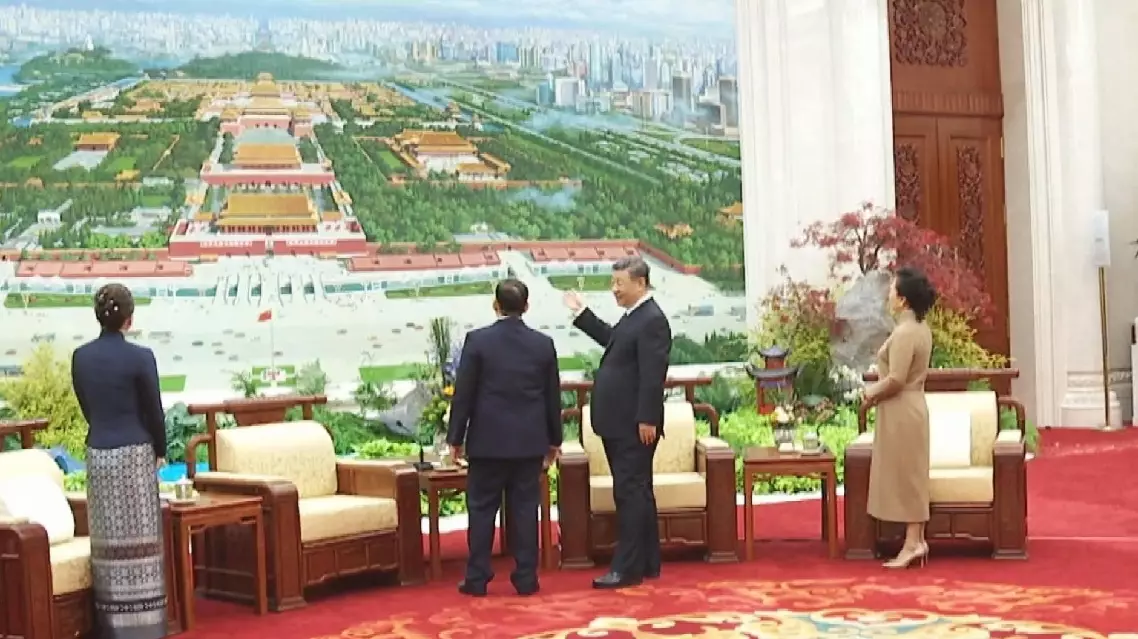
Xi introduces UNESCO World Heritage site of Beijing Central Axis to Thai King
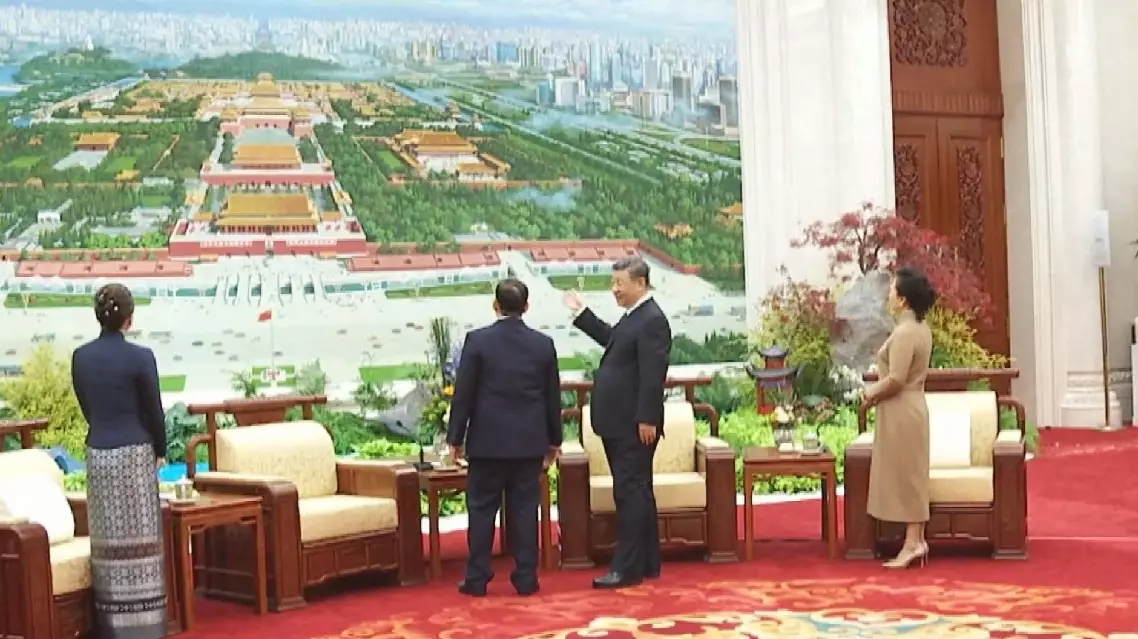
Xi introduces UNESCO World Heritage site of Beijing Central Axis to Thai King
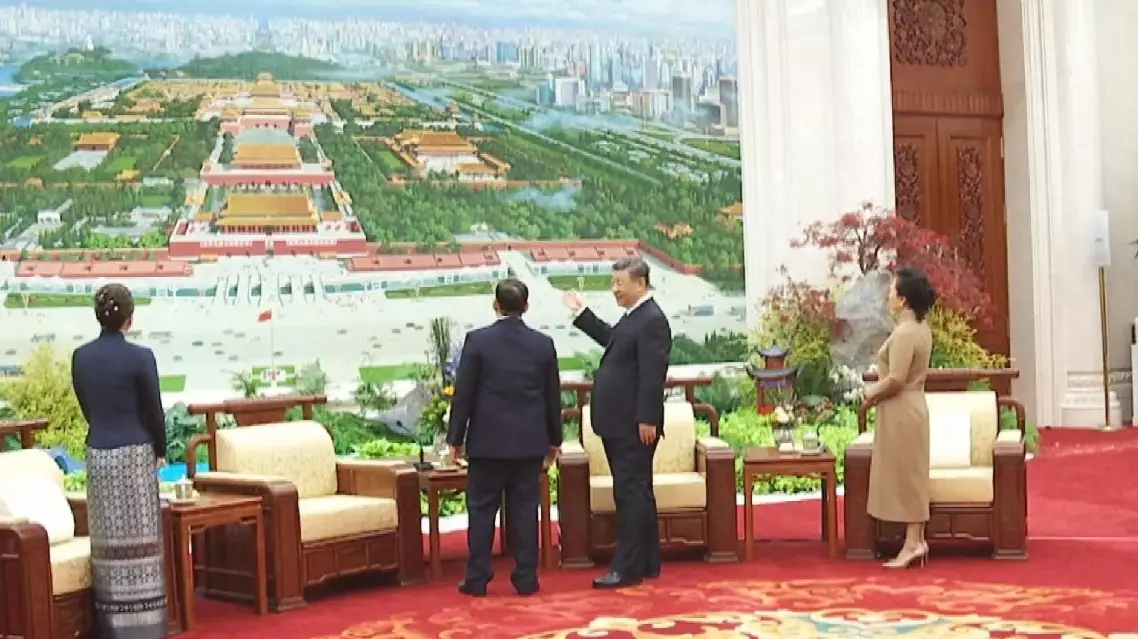
Xi introduces UNESCO World Heritage site of Beijing Central Axis to Thai King
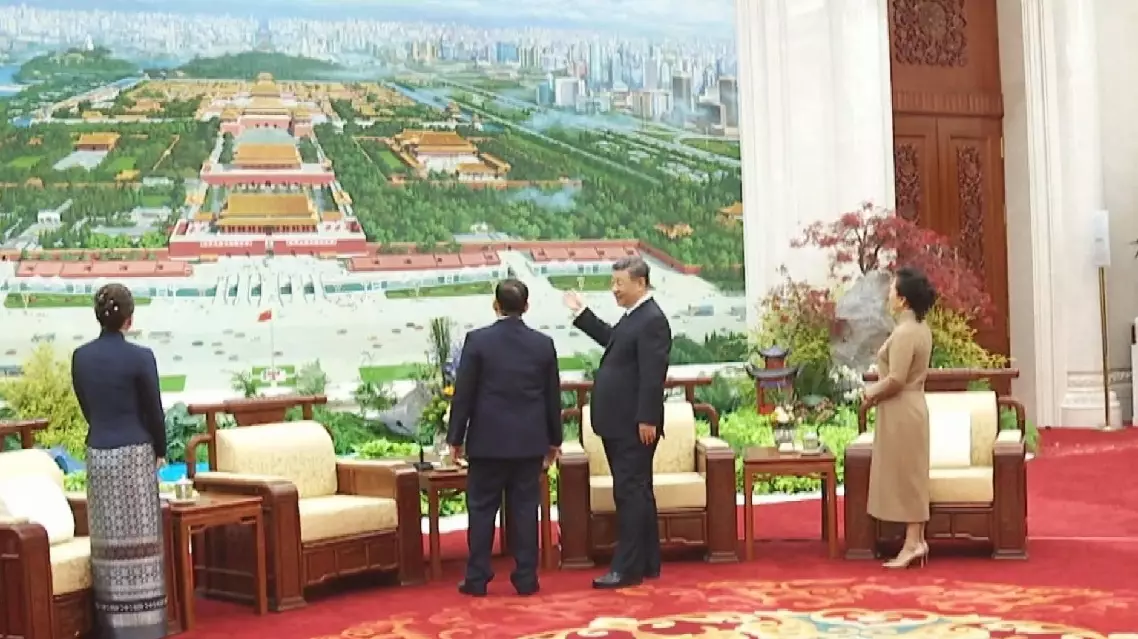
Xi introduces UNESCO World Heritage site of Beijing Central Axis to Thai King
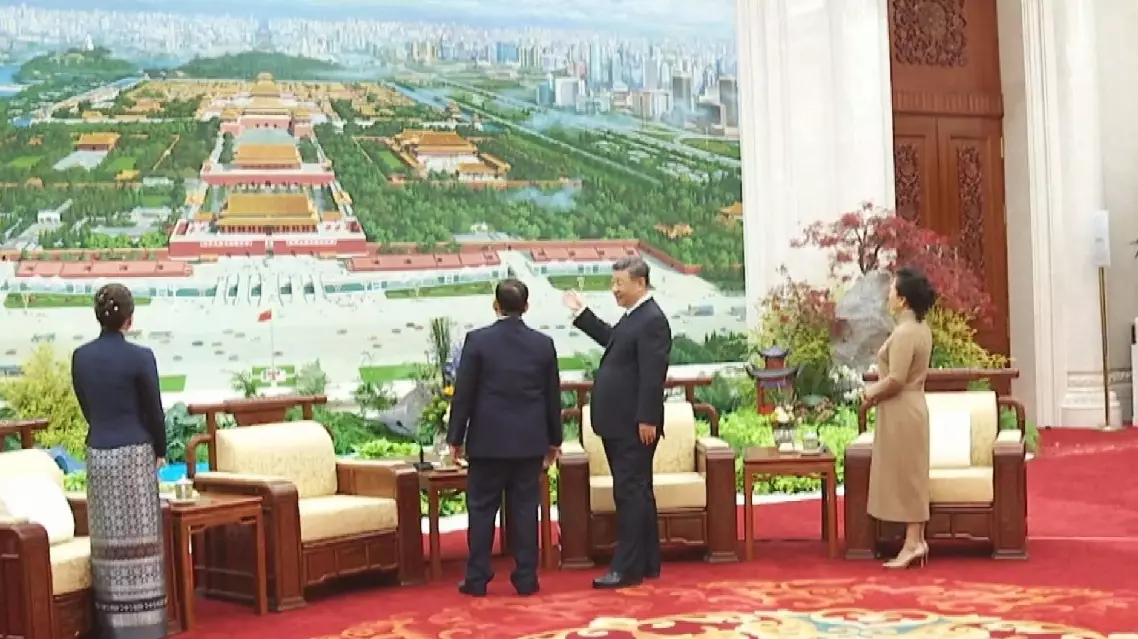
Xi introduces UNESCO World Heritage site of Beijing Central Axis to Thai King
The Beijing Central Axis was inscribed as a UNESCO World Heritage site in July 2024, recognized as "A Building Ensemble Exhibiting the Ideal Order of the Chinese Capital."
Initially established in the 13th century and formed in the 16th century, the 7.8-kilometer axis runs north to south through the heart of the Chinese capital. It consists of a line of historic and cultural landmarks, including former imperial palaces, gardens, sacrificial structures, and ceremonial and public buildings.
Xi introduces UNESCO World Heritage site of Beijing Central Axis to Thai King
Xi introduces UNESCO World Heritage site of Beijing Central Axis to Thai King
Xi introduces UNESCO World Heritage site of Beijing Central Axis to Thai King
Xi introduces UNESCO World Heritage site of Beijing Central Axis to Thai King
Xi introduces UNESCO World Heritage site of Beijing Central Axis to Thai King