CFS finds Salmonella in cut fruits sample
The Centre for Food Safety (CFS) of the Food and Environmental Hygiene Department announced today (November 17) that a sample of cut fruits was found to contain Salmonella, a pathogen. The CFS is following up on the incident.

Fruits are good for health, but their hygiene should be paid attention to. Photo source: reference image
"The CFS collected the above-mentioned sample from a retail outlet in Mong Kok for testing under its routine Food Surveillance Programme. The test result showed the presence of Salmonella in 25 grams of the sample, exceeding the criterion of the Microbiological Guidelines for Food, which states that Salmonella should not be detected in 25g of a ready-to-eat food sample," a spokesman for the CFS said.
The CFS has instantly sent staff to the food premises concerned for investigation. The food premises concerned have been informed of the irregularity. The CFS has provided health education on food safety and hygiene to the person-in-charge and staff of the food premises. The food premises have also stopped selling the affected product and have been requested to carry out thorough cleaning and disinfection according to the CFS's advice.
According to section 54 of the Public Health and Municipal Services Ordinance (Cap. 132), all food available for sale in Hong Kong, locally produced or imported, should be fit for human consumption. An offender is subject to a maximum fine of $50,000 and imprisonment for six months upon conviction.
"Salmonella infection may cause fever and gastrointestinal upset such as vomiting, abdominal pain and diarrhoea. The effects on infants, young children, the elderly and people with a weak immune system could be more severe and may even lead to death," the spokesman said.
The CFS will continue to follow up on the incident and take appropriate action to safeguard food safety and public health. An investigation is ongoing.
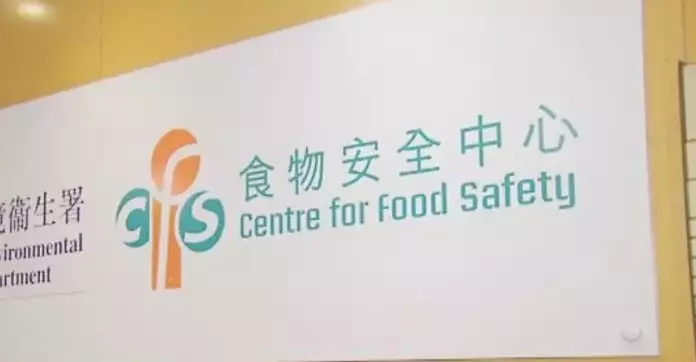
The Centre for Food Safety
InvestHK and HKCEA co-host Mainland Spring Reception and Mainland enterprises GoGlobal Forum
Invest Hong Kong (InvestHK) and the Hong Kong Chinese Enterprises Association (HKCEA) jointly organised a Mainland Spring Reception today (March 10), gathering representatives of Mainland enterprises and business leaders to celebrate the Chinese New Year. The two parties also held the GoGlobal Forum before the reception to explore development opportunities and discuss how enterprises can leverage Hong Kong as their home port to realise international expansion plans. Both events were attended by nearly 800representatives from Mainland enterprises.
The reception was officiated by the Financial Secretary, Mr Paul Chan; Deputy Director of the Liaison Office of the Central People's Government in the Hong Kong Special Administrative Region (HKSAR) Mr Zhang Yong; the Secretary for Commerce and Economic Development, Mr Algernon Yau; the Director-General of Investment Promotion at InvestHK, Ms Alpha Lau; and the Chairman of the HKCEA, Mr Wang Haimin.
In his speech, Mr Chan pointed out that this year marks the beginning of the country's 15th Five-Year Plan, and the next five years will be a crucial period for the country's development. Under the "one country, two systems" framework, Hong Kong possesses unique institutional strengths and serves as an international hub for finance, trade, shipping, and innovation and technology. It is essential for Hong Kong to leverage these strengths to accelerate its integration into the national development strategy. The Hong Kong Special Administrative Region Government looks forward to continuing to work closely with Mainland enterprises to promote Hong Kong's prosperity and stability, and to contribute to the nation's development.
Mr Chan also noted that Mainland enterprises have long been based in Hong Kong, actively supporting the Government in driving the city's economic development and playing a pivotal role across various industries. In recent years, Mainland enterprises have accelerated their global expansion, with many of them have been using Hong Kong as a platform for fund raising, showcasing their products and services, conducting R&D activities, and managing international operations. The Government will take a multipronged approach to welcome more Mainland enterprises to Hong Kong, enabling them to fully utilise the city's one-stop financial support and international advantages to strengthen their own development.
At the GoGlobal Forum, Mr Yau said that in the face of significant opportunities arising from the Global South markets and the Belt and Road Initiative, Hong Kong, as the preferred platform for Mainland enterprises going global, is fully prepared to provide one-stop support services in navigating them to go global. He said he looks forward to seeing more Mainland enterprises expanding globally via Hong Kong, working hand in hand to achieve mutual benefits and write a new chapter for Mainland enterprises going global.
Mr Wang said that the HKCEA has united a broad spectrum of Mainland enterprises setting up in Hong Kong. It has become a cornerstone in supporting Hong Kong's economic development and maintaining the city's long-term prosperity and stability, further inspiring Mainland enterprises to regard Hong Kong as their home and leveraging the city for growth with confidence and momentum. Looking ahead, the HKCEA is eager to strengthen co-operation with all sectors and move forward together, contributing to Hong Kong's transition from stability to prosperity and facilitating the steady and sustained implementation of "one country, two systems".
The Commerce and Economic Development Bureau established the Task Force on Supporting Mainland Enterprises in Going Global (GoGlobal Task Force) last October, integrating Hong Kong's overseas offices, including those under InvestHK, the Hong Kong Trade Development Council, as well as Hong Kong offices on the Mainland, to set up a one-stop platform. The GoGlobal Task Force also brings together Hong Kong's professional services ecosystem to provide one-stop support to Mainland enterprises expanding overseas via the city. It will continue to organise various activities to promote Hong Kong's unique advantages as a platform for Mainland enterprises to go global.
The annual spring reception is a flagship event jointly organised by InvestHK and the HKCEA to express gratitude to Mainland enterprises for their contributions to Hong Kong's socio-economic development. The GoGlobal Forum gathered representatives from Hong Kong's professional services sectors and Mainland enterprises to share insights on Hong Kong's unique advantages as a globally connected business hub, alongside successful case studies of going global via the city. InvestHK will continue to support the work of the GoGlobal Task Force.
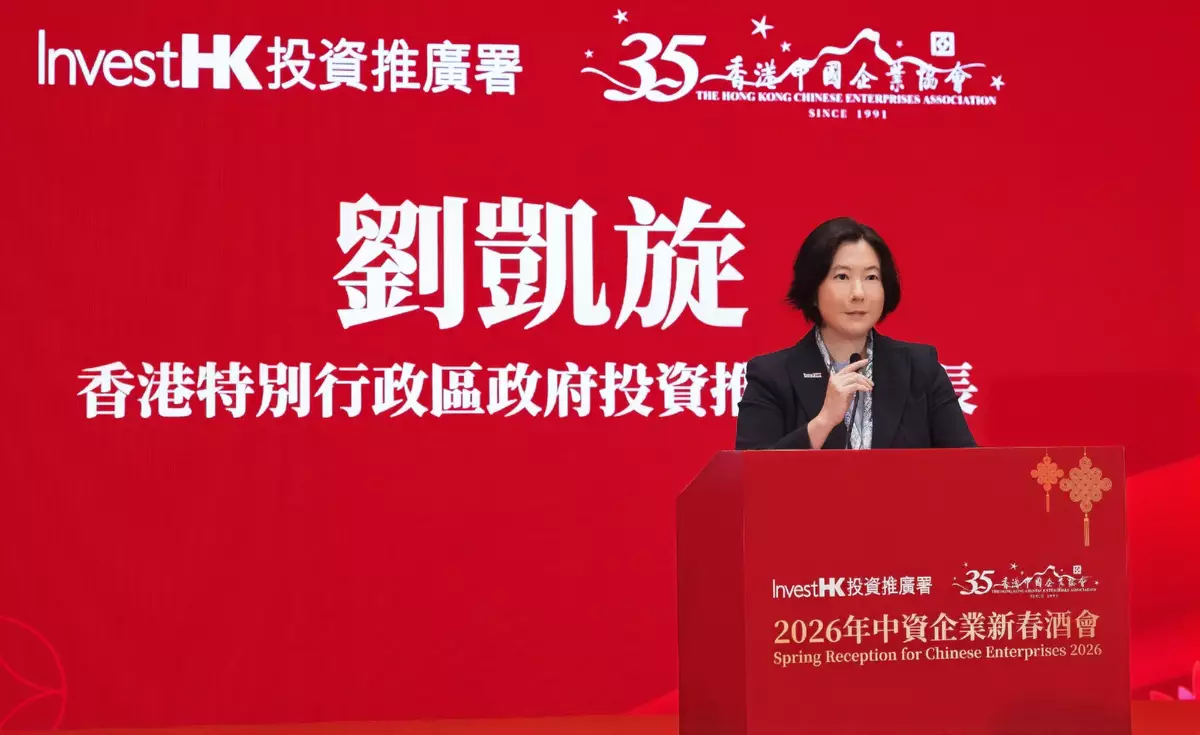
InvestHK and HKCEA co-host Mainland Spring Reception and Mainland enterprises GoGlobal Forum Source: HKSAR Government Press Releases
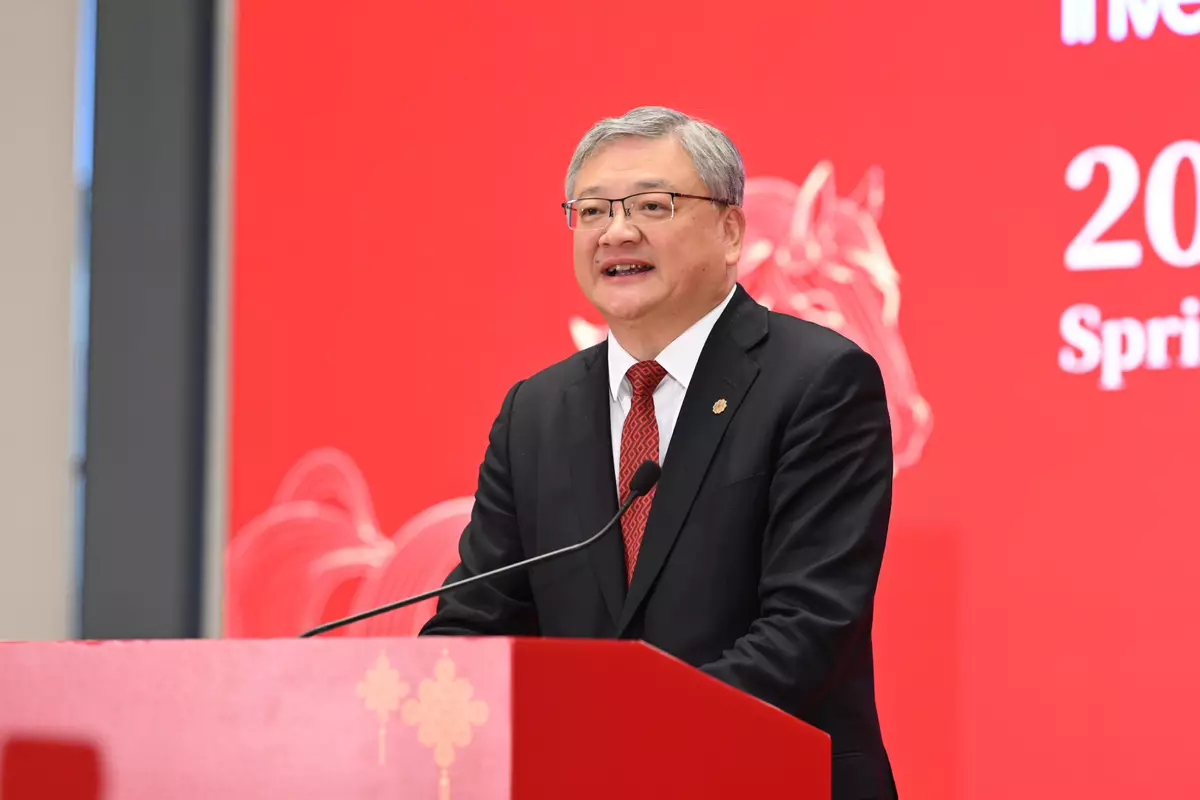
InvestHK and HKCEA co-host Mainland Spring Reception and Mainland enterprises GoGlobal Forum Source: HKSAR Government Press Releases
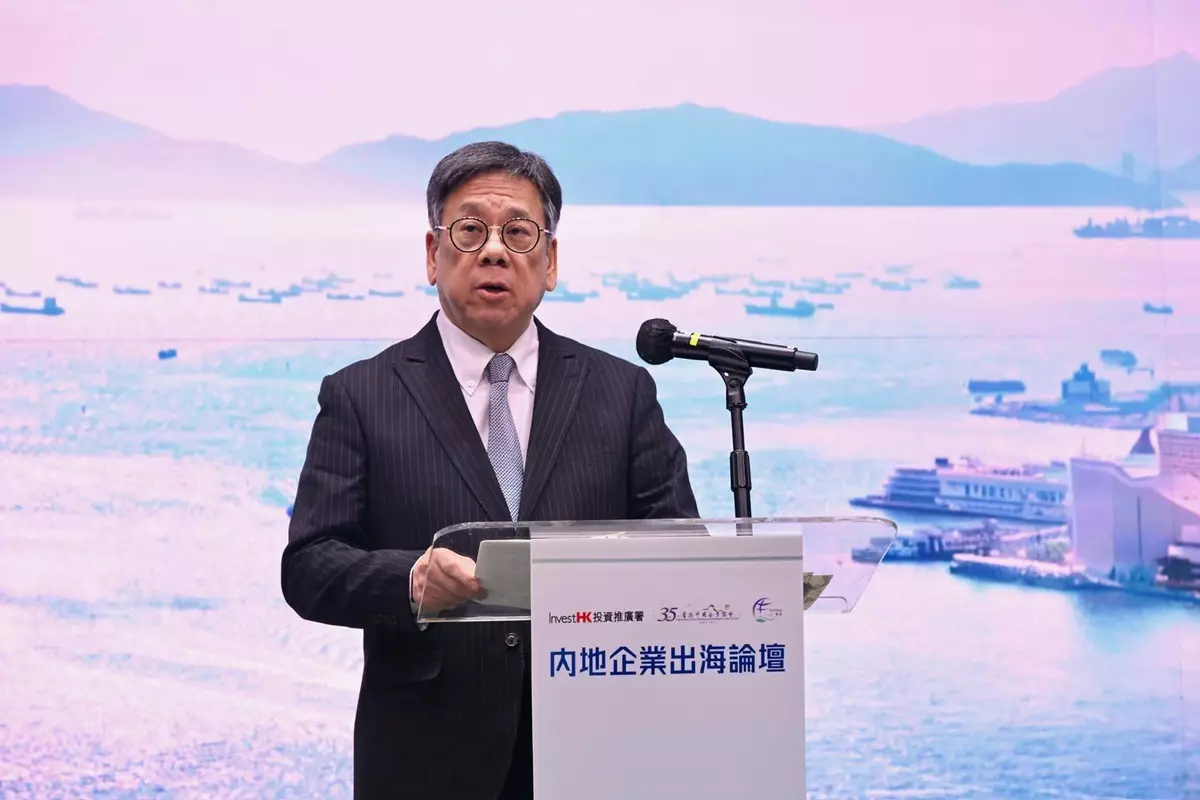
InvestHK and HKCEA co-host Mainland Spring Reception and Mainland enterprises GoGlobal Forum Source: HKSAR Government Press Releases
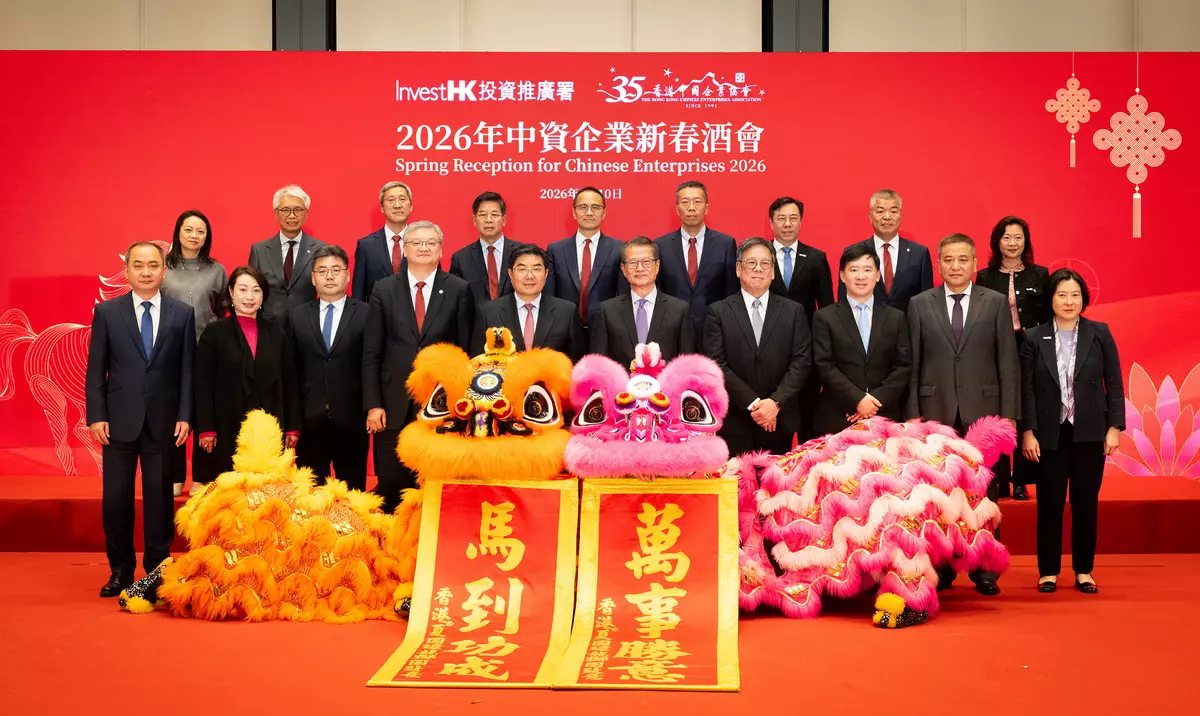
InvestHK and HKCEA co-host Mainland Spring Reception and Mainland enterprises GoGlobal Forum Source: HKSAR Government Press Releases
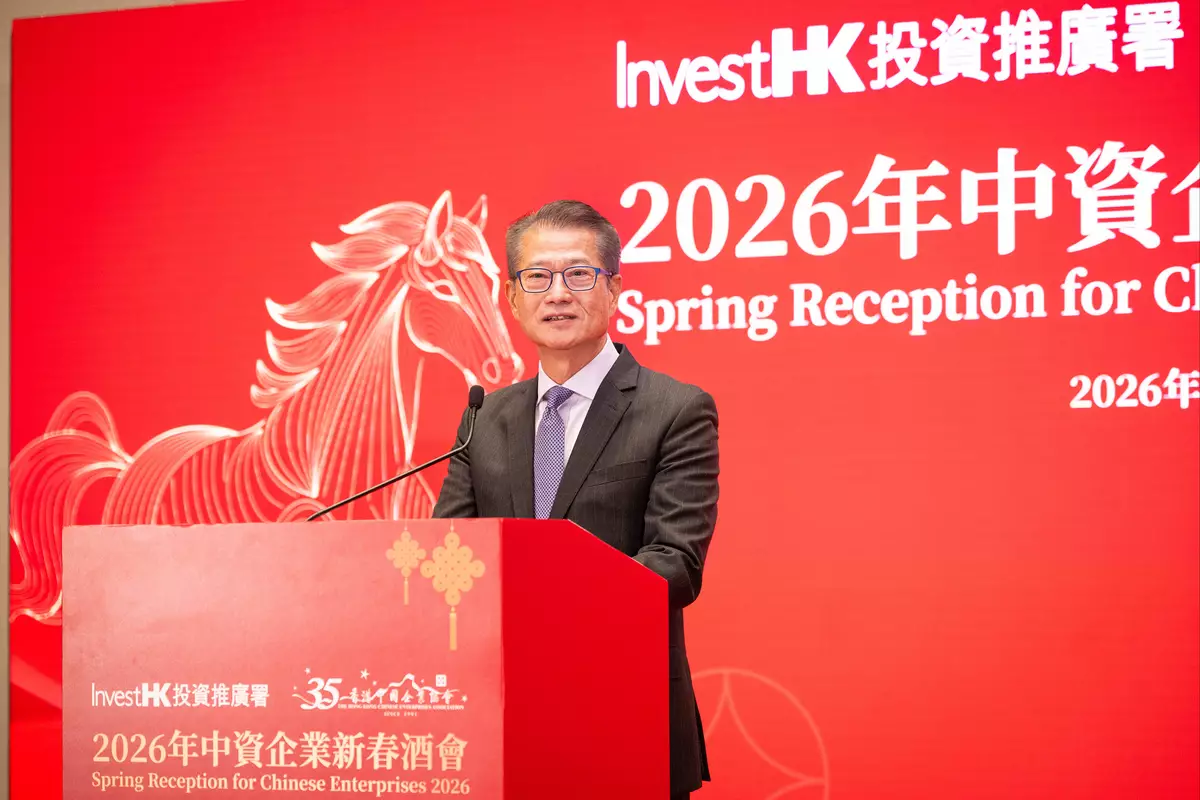
InvestHK and HKCEA co-host Mainland Spring Reception and Mainland enterprises GoGlobal Forum Source: HKSAR Government Press Releases