The United States' record 43-day government shutdown has disrupted economic data flows, creating unprecedented uncertainty around the Federal Reserve's (Fed) December interest rate decision.
The U.S. House of Representatives on Wednesday night passed a Senate-approved spending package, breaking the congressional deadlock that had led to the shutdown since Oct 1. Yet the harm done to the country has not come to a full stop.
Agencies are racing to release delayed economic data reports. The U.S. Department of Commerce and Department of Labor have announced schedules to catch up starting this week. The first such report, on September nonfarm payrolls, will come out Thursday, followed by real earnings for September on the next day, and the gross domestic product for September on November 26.
White House Press Secretary Karoline Leavitt has warned that October inflation and job data may never see the light of day.
The Consumer Price Index (CPI) and the unemployment rate in job data are two indexes the Fed heavily relies on when setting interest rates.
According to CNN, the Bureau of Labor Statistics collects job data in two separate surveys: establishment survey which provides data on employment, hours, and earnings from employers, and household survey which is conducted via phone and in-person interviews.
The government shutdown throughout October halted household survey, rendering unemployment rate calculations impossible for that month. Similarly, about two-thirds of the price data underlying CPI requires on-site collection, which was also disrupted.
Analysts at Royal Bank of Canada noted that even if the CPI for October is eventually released, it will be severely distorted, with knock-on effects for November's inflation data.
Although September data may provide grounds for a rate cut, the uncertainty in October and November data could intensify disagreements within the Fed, according to institutions like Morgan Stanley.
Economists warned that policymakers may have to lean on incomplete data from private companies, heightening the risk of misjudgments.
According to the CME FedWatch Tool, the odds of rate cuts of 25 basis points by the Fed in December stood at 44.4 percent, while the possibility of keeping rates unchanged is 55.6 percent.
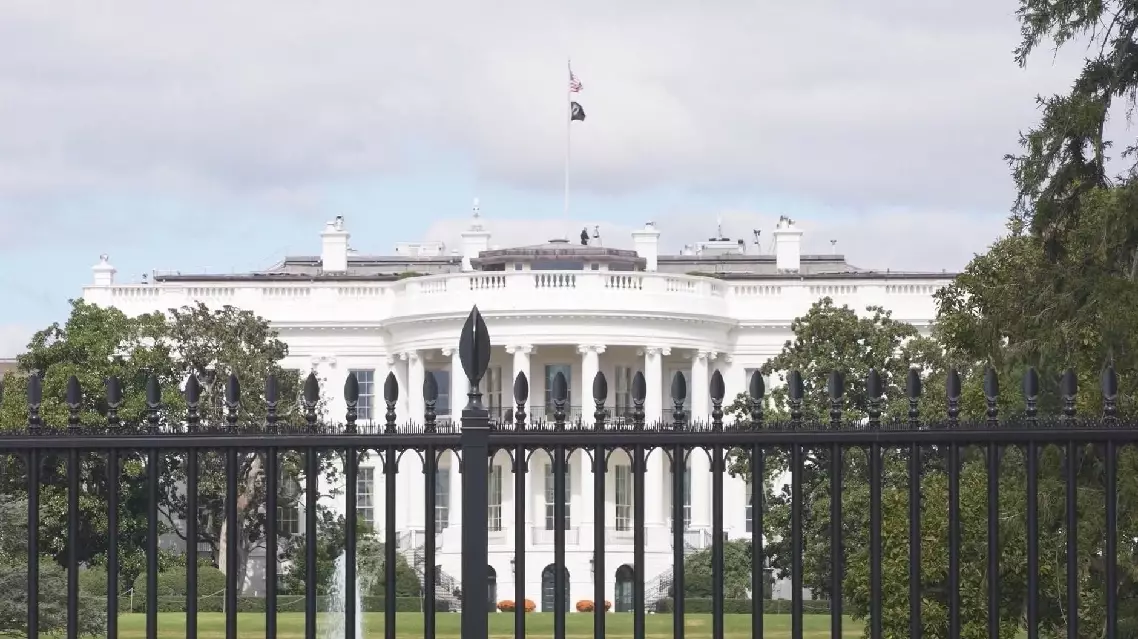
Fed's December rate cuts face uncertainty due to gov't shutdown-delayed data