WASHINGTON (AP) — The Environmental Protection Agency announced Monday it is redefining the scope of the nation’s bedrock clean water law to significantly limit the wetlands it covers, building on a Supreme Court decision two years ago that removed federal protections for vast areas.
When finalized, the new "Waters of the United States" rule will ensure that federal jurisdiction of the Clean Water Act is focused on relatively permanent, standing or continuously flowing bodies of water, such as streams, oceans, rivers and lakes, along with wetlands that are directly connected to such bodies of water, the EPA said.
Click to Gallery
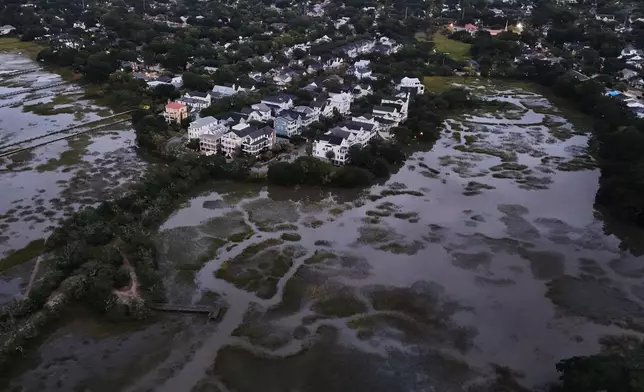
Houses sit next to a salt marsh at high tide, Monday, Oct. 6, 2025, in Charleston, S.C. (AP Photo/Joshua A. Bickel)
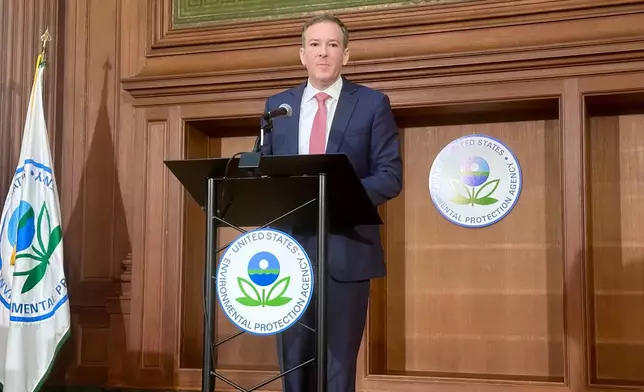
Environmental Protection Agency director Lee Zeldin speaks at a news conference Monday, Nov. 17, 2025, in Washington. (AP Photo/Matthew Daly)
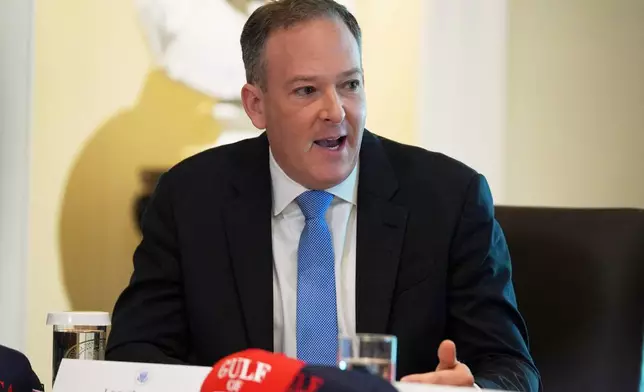
FILE - EPA Administrator Lee Zeldin speaks during a cabinet meeting at the White House, April 30, 2025, in Washington. (AP Photo/Evan Vucci, File)
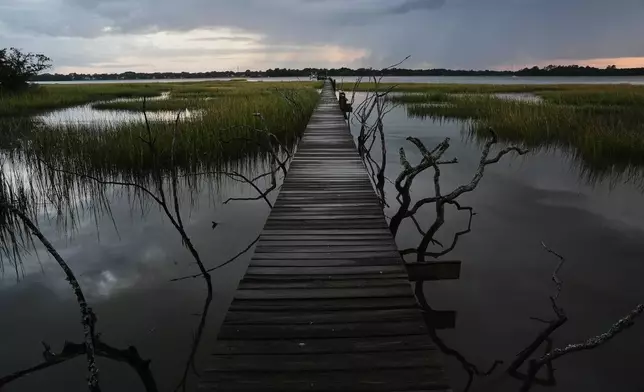
A storm moves through a salt marsh at sunset Monday, Oct. 6, 2025, in Charleston, S.C. (AP Photo/Joshua A. Bickel)
The proposal is among dozens of environmental regulations being rolled back by the Trump administration as part of what EPA Administrator Lee Zeldin says is a concerted effort to accelerate economic prosperity while putting " a dagger through the heart of climate change religion.” Critics call the water rule a giveaway to ranchers and industry.
At a news conference at agency headquarters, Zeldin said the new rule will fully implement the direction provided by the Supreme Court in a case known as Sackett v. EPA. The 2023 ruling sharply limited the federal government's authority to police water pollution into certain wetlands, and boosted property rights over concerns about clean water in a ruling in favor of Michael and Chantell Sackett, an Idaho couple who sought to build a house near a lake.
Zeldin, a former Republican congressman who has led a drive to roll back regulations perceived as climate-friendly, said Democratic administrations had long “weaponized the definition of navigable waters to seize more power from American farmers, landowners and families.” Still, he said the proposed rule change was not motivated by ideology or partisanship, but instead was intended to be a “clear, simple, prescriptive rule that will stand the test of time.”
Asked why he is confident the rule will be sustained after decades of partisan back-and-forth over water regulation, Zeldin offered a one-word answer: “Sackett.”
“That’s one of the big differences from the past, is that you have the Supreme Court weighing in, and we’re following Sackett very closely," Zeldin said. “We’re treating it with respect. The words are being interpreted strictly. We are sticking to the prescriptive language of the Supreme Court decision. And that is a very significant difference from the past."
The rule, which faces at least 45 days of public comment, will cut red tape and provide clarity for farmers, ranchers, industry and other private landowners, Zeldin said. The proposal will also protect water quality by striking a balance between federal and state authority, he said, adding that any lands that are removed from federal jurisdiction will still face regulation from states and tribes.
Environmentalists slammed the proposal as a giveaway to industry by President Donald Trump.
“The Trump EPA’s shortsighted push to encourage industries to plow over more wetlands and streams will destroy thousands of miles of waterways critical to wildlife across the United States,” said J.W. Glass, a policy specialist at the Center for Biological Diversity, an environmental group. “This political gift from Trump to the polluters that support him will wipe out life-sustaining waterways in every corner of the nation, and it will destroy countless natural areas that protect us from increasingly destructive storm surges driven by the climate crisis."
“By gutting protections for wetlands and streams, EPA is trying to disown its legal obligation to protect our drinking water and our communities,'' added Andrew Wetzler, senior vice president at the Natural Resources Defense Council, another environmental group. “Wetlands are nature’s safeguard against flooding, and stripping away protections for them puts millions of people in harm’s way."
But Zeldin, who has traveled to all 50 states since taking office earlier this year, said complaints about the invasive nature of the water rule have emerged in every state. The Trump administration has listened to concerns from farmers and other groups worried about federal interference in how they use their land, he said, and has moved to set limited, predictable and lasting rules defining which waterways the Clean Water Act protects.
“If you want to really appreciate the impact of the WOTUS rule — past, present and future — I would encourage you to speak to all of those impacted stakeholders, all those impacted landowners,'' Zeldin said.
Testimony that affected him the most came from “some small farmer who’s struggling to make ends meet, and they have no idea whether or not the water on their property is a water of the United States or not," Zeldin said. "Their frustration skyrockets when something on their property being interpreted as a water of the United States doesn't make any sense. Then their advocacy and passion really starts coming out.”
Trump sought to shrink the water law’s reach in his first term, while Democratic administrations have expanded federal power to regulate the nation’s lakes, rivers, streams, wetlands and oceans. The change in administrations has created drastic swings in how the water law is interpreted and applied.
The Supreme Court ruling in the Sackett case largely agreed with the Trump administration’s limited approach and led the Biden administration to rewrite protections to comply with the ruling. Some conservative groups have complained that the revised rule still protected too many wetlands and improperly limited private property rights.
Damien Schiff, a senior attorney at the Pacific Legal Foundation who represented the Sacketts in court, said the latest proposal “represents a meaningful step toward relief for property owners still burdened by unjustified and illegal Clean Water Act regulations."
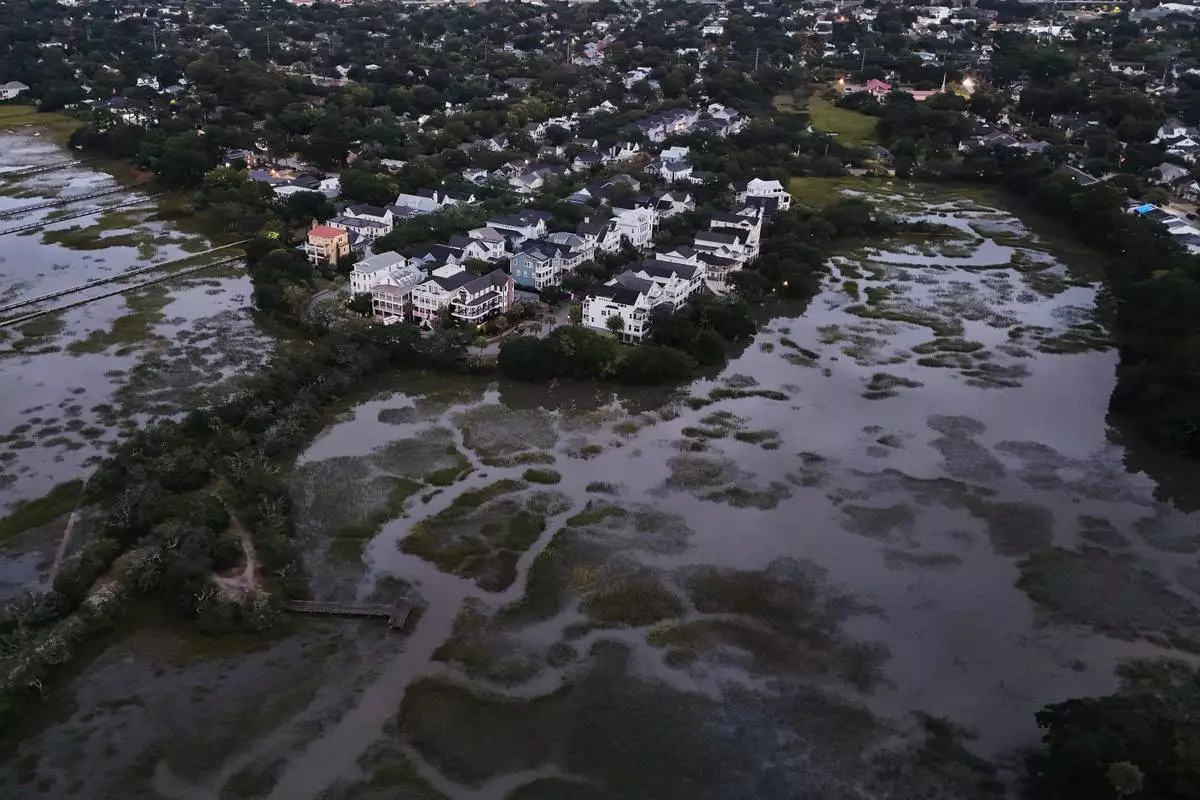
Houses sit next to a salt marsh at high tide, Monday, Oct. 6, 2025, in Charleston, S.C. (AP Photo/Joshua A. Bickel)
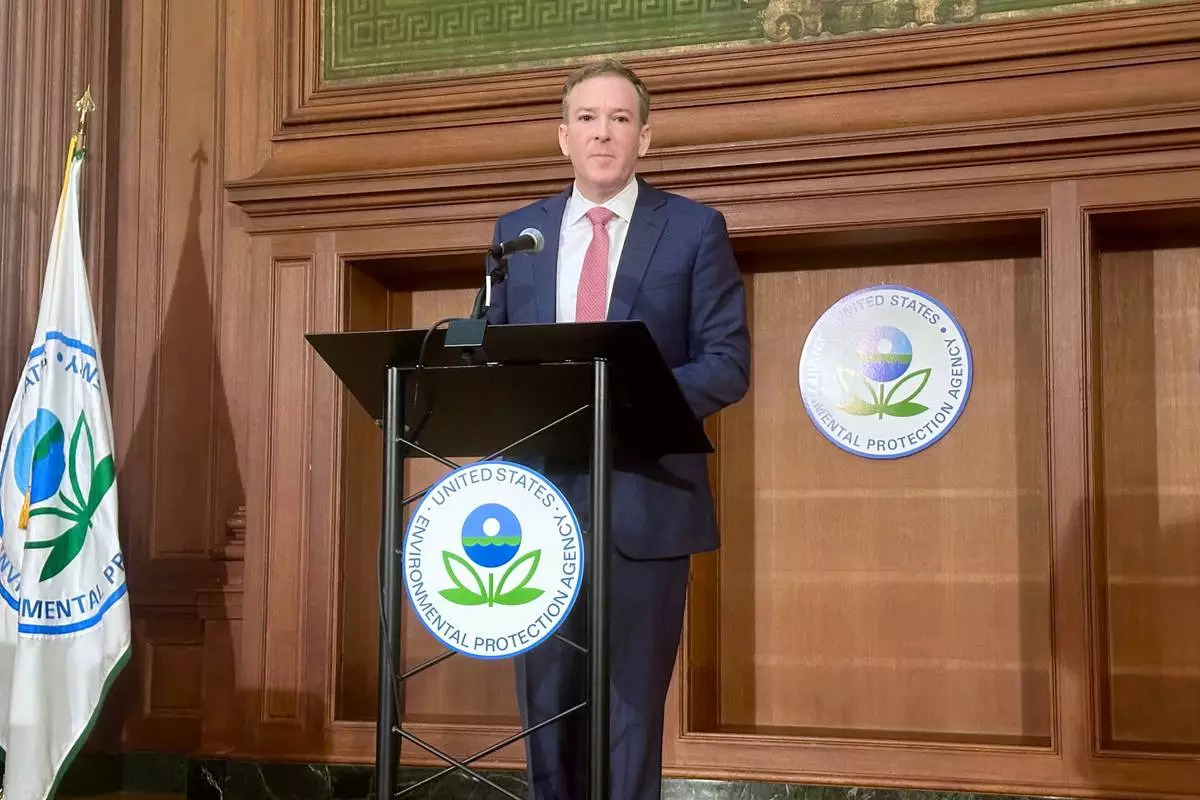
Environmental Protection Agency director Lee Zeldin speaks at a news conference Monday, Nov. 17, 2025, in Washington. (AP Photo/Matthew Daly)
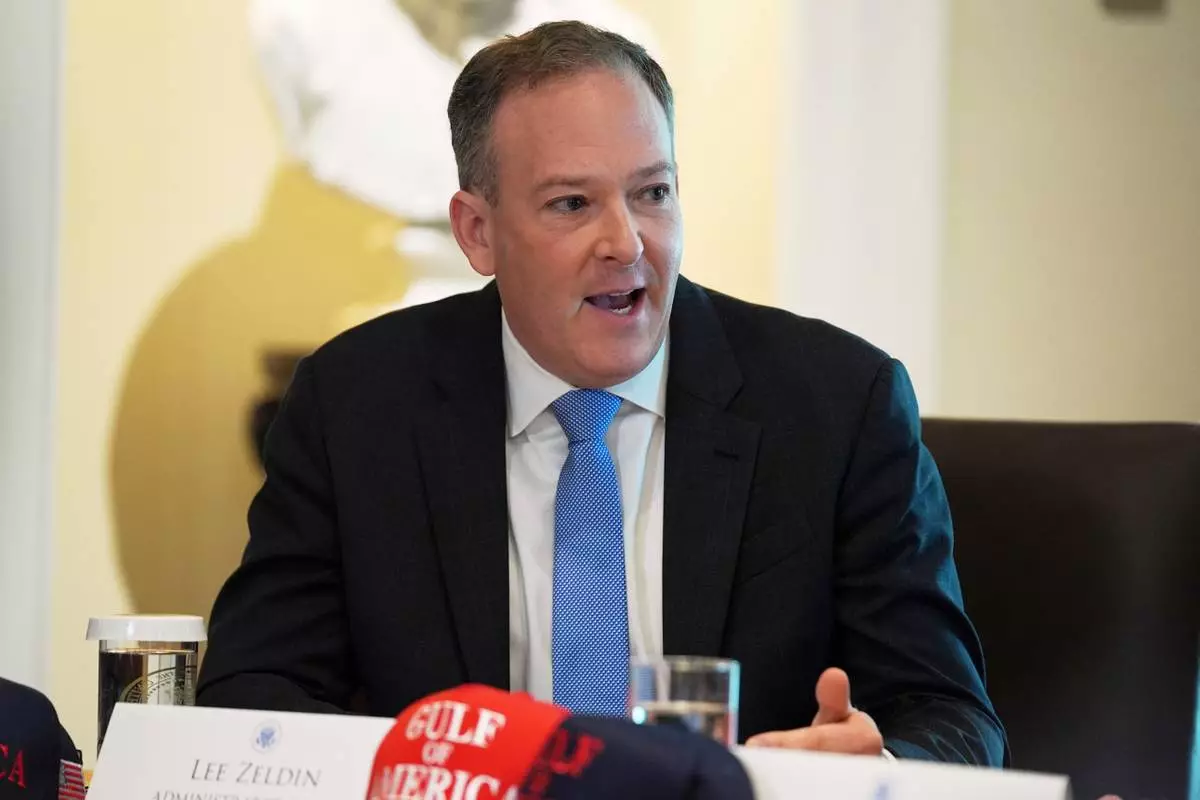
FILE - EPA Administrator Lee Zeldin speaks during a cabinet meeting at the White House, April 30, 2025, in Washington. (AP Photo/Evan Vucci, File)
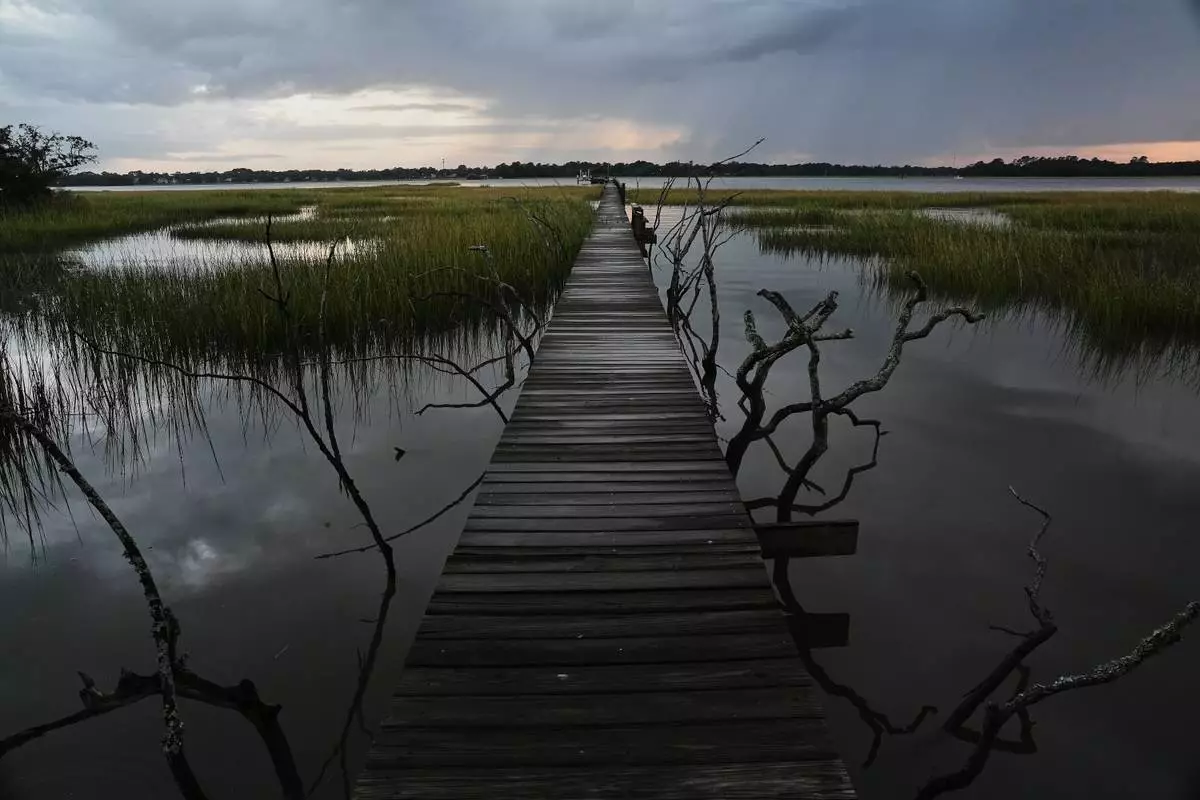
A storm moves through a salt marsh at sunset Monday, Oct. 6, 2025, in Charleston, S.C. (AP Photo/Joshua A. Bickel)