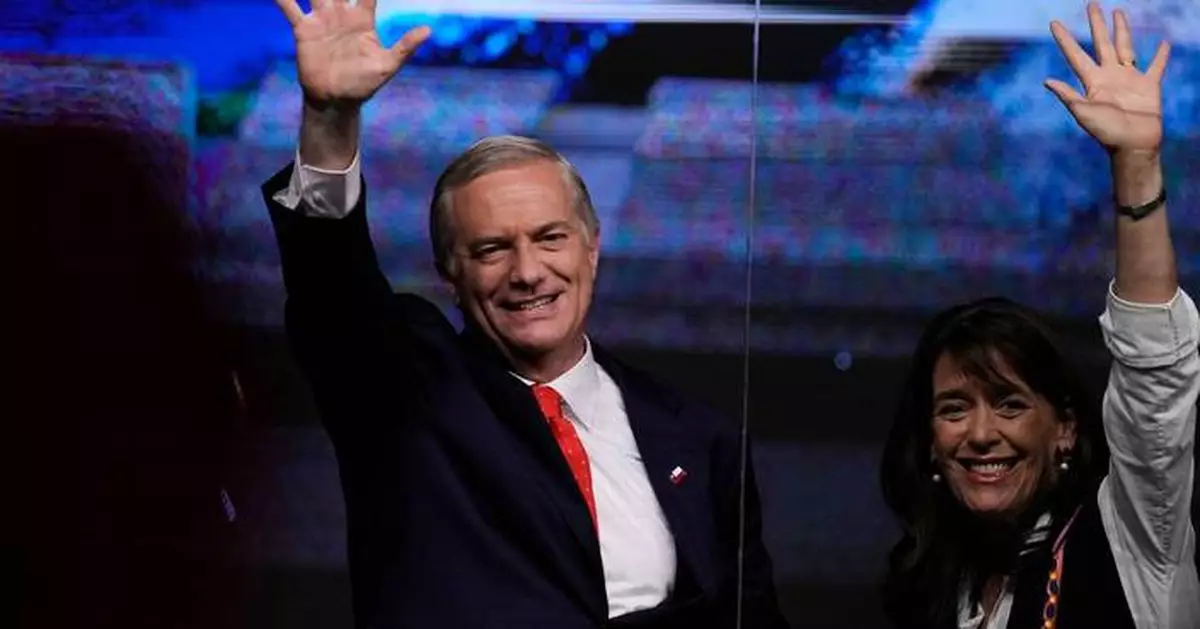
SANTIAGO, Chile (AP) — Chileans face perhaps the starkest choice in the history of their country’s young democracy when they vote next month in a presidential runoff that pits hard-right José Antonio Kast against communist Jeannette Jara.
Neither candidate cleared the 50% threshold to win, but Kast heads into the second round best positioned to succeed after an unprecedented 70% of voters backed an array of right-wing parties in Sunday’s poll.
Click to Gallery
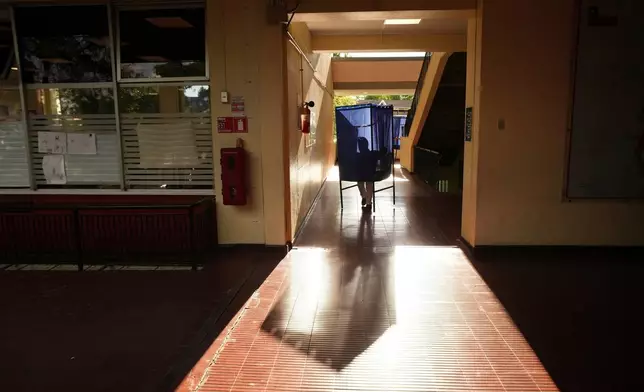
A worker carries away a voting booth after polls closed during general elections in Santiago, Chile, Sunday, Nov. 16, 2025. (AP Photo/Esteban Felix)
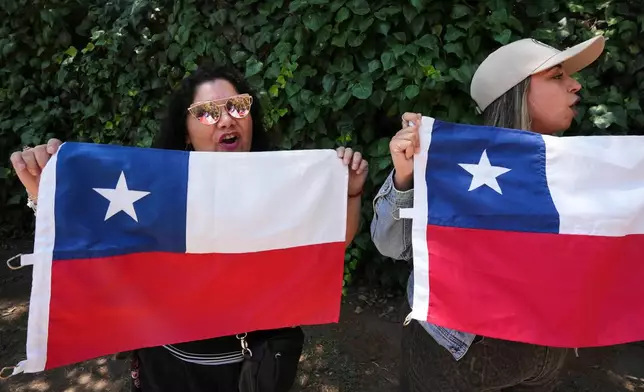
Supporters of presidential candidate Jeannette Jara of the Unidad por Chile coalition hold up Chilean flags outside the polling station before her arrival during general elections in Santiago, Chile, Sunday, Nov. 16, 2025. (AP Photo/Natacha Pisarenko)
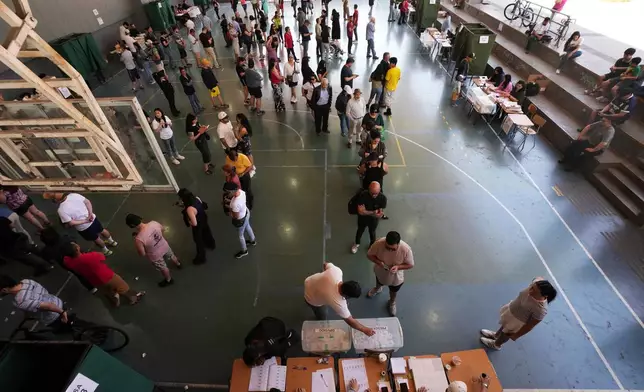
Voters line up at a polling station during general elections in Santiago, Chile, Sunday, Nov. 16, 2025. (AP Photo/Esteban Felix)
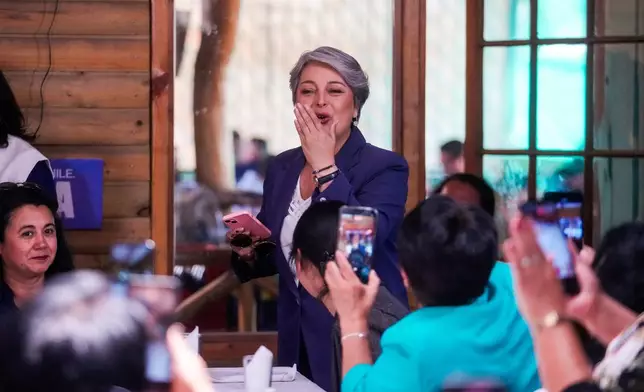
Presidential candidate Jeannette Jara of the Unidad por Chile coalition arrives at a meeting with local leaders in the La Pintana neighborhood of Santiago, Chile, Monday, Nov. 17, 2025. (AP Photo/Esteban Felix)
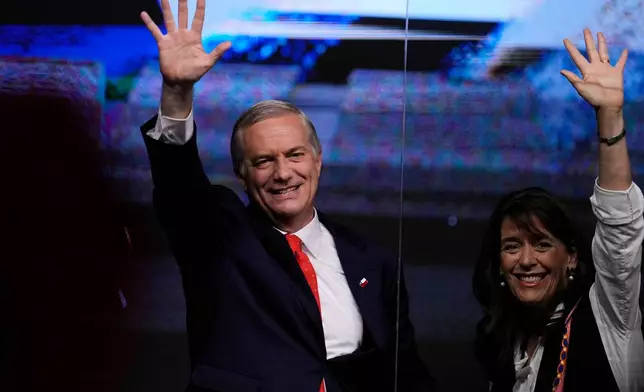
Presidential candidate Jose Antonio Kast of the Republican Party, and his wife Maria Pia Adriasola, wave to supporters after early results in the general elections in Santiago, Chile, Sunday, Nov. 16, 2025. (AP Photo/Esteban Felix)
An ultraconservative lawyer who vows to deport Chile’s estimated 300,000 immigrants without legal status and speaks nostalgically of Chile’s brutal dictatorship, Kast on Sunday told supporters that his Dec. 14 race against Jara was a choice between “two models of society” — chaos and order, stagnation and progress, left and right.
That choice is especially fraught for Chile’s 1.5 million immigrants — in particular, the hundreds of thousands of Venezuelans who escaped the repressive socialist government of President Nicolás Maduro to make this sliver of a country their home.
Many of those immigrants, lacking residency of five years or more, are not eligible to vote in Chilean elections.
But the showdown between Kast, who has built his campaign around fears of organized crime and a surge of anti-immigrant sentiment, and Jara, whose Communist Party supports socialist autocracies in Cuba and Venezuela, has divided the nearly 900,000 immigrants in Chile eligible to vote.
“Communism destroyed my country, and the last thing I want is for my other home to fall into that same system,” said Edwin Bejar, 61, who fled political persecution in Venezuela for Chile seven years ago and plans to vote again for Kast next month.
But others in Chile’s capital of Santiago have found that stance baffling, accusing Venezuelan Kast supporters of turning their backs on their compatriots.
Kast has repeatedly disparaged Venezuelans as criminals and pledged not only to deport immigrants without legal status, but also to strip them of social benefits, hold them in detention centers and make them pay for their own deportation flights.
“You’d be voting to send your friends to the very danger that you fled, too,” said Miguel Garcia, who arrived from Maracaibo, Venezuela, 11 years ago.
Garcia said he would vote for Jara next month.
“Just because she’s a communist doesn’t mean she’s Maduro,” he said. “Chile has institutions and laws, a democracy. It’s not the same.”
The tensions tearing at Chile’s immigrant community reflect a wider dilemma haunting this country with an autocratic past of its own.
If Jara, a former labor minister in the left-wing government of President Gabriel Boric, manages to win next month — which most political analysts agree would take a miracle — she would represent the most left-wing government since the ill-fated presidency of Salvador Allende, elected in 1970.
“In Chile’s collective imagination, communism still means destruction, no private property and hostility to religion — even though that’s not at all what Jara is proposing,” said Isabel Castillo, a political scientist at the University of Chile.
“It has been overplayed, but it still resonates with certain voters.”
Three years after coming to power, Allende was ousted in a bloody, U.S.-backed military coup by Gen. Augusto Pinochet, who ruled as a right-wing dictator for the next 17 years.
During that time, 3,065 people were tortured, killed and disappeared. Chile also gained worldwide fame as an economic success story of deregulation and privatization.
Kast’s fondness for Pinochet, among other contentious aspects of his candidacy – including his father’s Nazi past and his opposition to same-sex marriage and abortion, even in cases of rape – came under scrutiny during his past two failed presidential bids.
But this time, popular fears over illegal immigration and gang violence eclipse all other concerns.
As transnational gangs like Venezuela’s Tren de Aragua took advantage of a surge in immigration to slip across Chile’s northern borders over the last five years, a crime wave shook the country, long one of the safest in Latin America.
An admirer of U.S. President Donald Trump and El Salvador’s iron-fisted President Nayib Bukele, Kast promises to install an “emergency” law-and-order government in response.
On the campaign trail this month, he urged immigrants without legal status to get out before he became president, saying, “What you have, sell. Take the money in cash and leave.”
That speech “broke my heart,” said María Fernanda Paredes, an Ecuadorian with Chilean residency. She recalled coming home that night to the apartment she shares with her two daughters, who don't have legal status, and finding a pile of their things stacked in boxes by the door.
“I don’t know what we’ll do if he wins,” she said.
Even Jara, with a platform otherwise focused on expanding Chile’s social safety net, says she’ll be tough on crime — expelling convicted drug traffickers, building new prisons and boosting oversight of the border.
But few Chileans see the former union organizer, with a sympathetic smile and plans to lower electricity rates, as their next leader.
“Increasingly, people are seeking some sort of Bukele; they don’t care as much about democracy,” said Simón Escoffier, a sociologist at the Catholic University of Chile. “They just want someone who will solve their issues. That’s where the far right has been much more successful.”
Big gains for right-wing parties in Chile’s presidential and legislative elections seemed to extend a shift across Latin America, as criminal gangs reorganize to spread fear far beyond their home territories and popular discontent with the economy simmers.
It’s a stark turnaround from four years ago, when the region’s idealistic left-wing politicians — like Chile’s Boric — shot to power in the wake of the pandemic on promises of sweeping social change.
Elections in the last two years in Ecuador, El Salvador and Panama have extended right-wing presidencies.
In Bolivia, restive voters outraged over a currency crisis punished the Movement Toward Socialism party and elected a conservative opposition candidate for the first time in nearly 20 years.
In Argentina, libertarian President Javier Milei has become something of a global MAGA icon since his 2023 election reversed years of left-wing populism. He has doubled down on his friendship with Trump, who pledged $40 billion in support for his government ahead of crucial midterm elections.
On Tuesday, Milei had a phone call with Kast, who said they agreed on how to move their countries “toward a future with more freedom, security and economic progress."
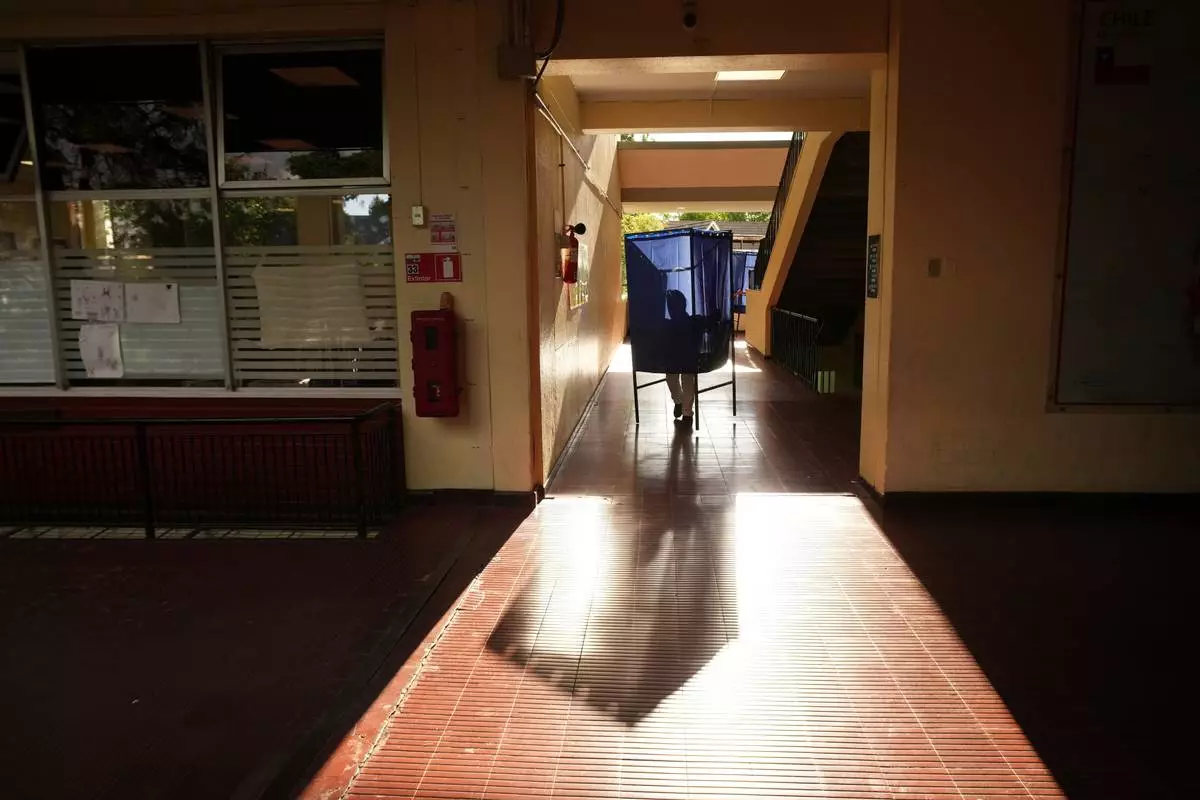
A worker carries away a voting booth after polls closed during general elections in Santiago, Chile, Sunday, Nov. 16, 2025. (AP Photo/Esteban Felix)
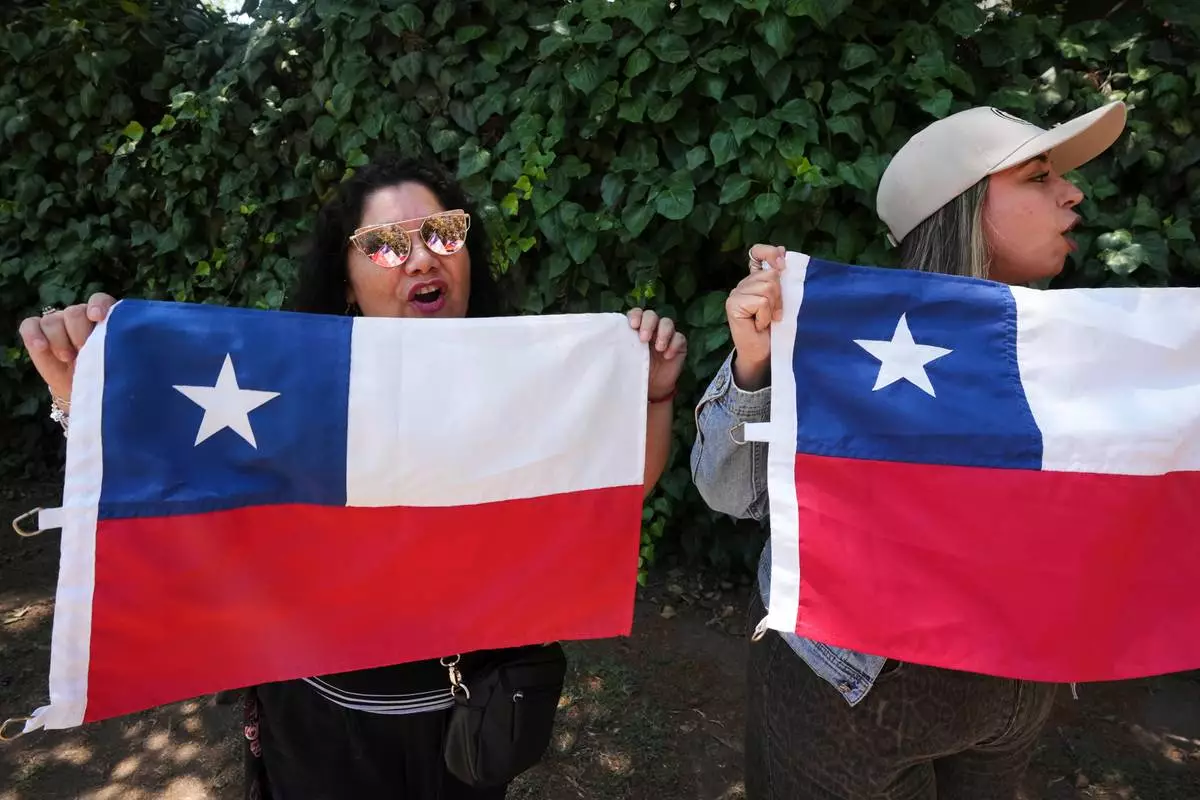
Supporters of presidential candidate Jeannette Jara of the Unidad por Chile coalition hold up Chilean flags outside the polling station before her arrival during general elections in Santiago, Chile, Sunday, Nov. 16, 2025. (AP Photo/Natacha Pisarenko)
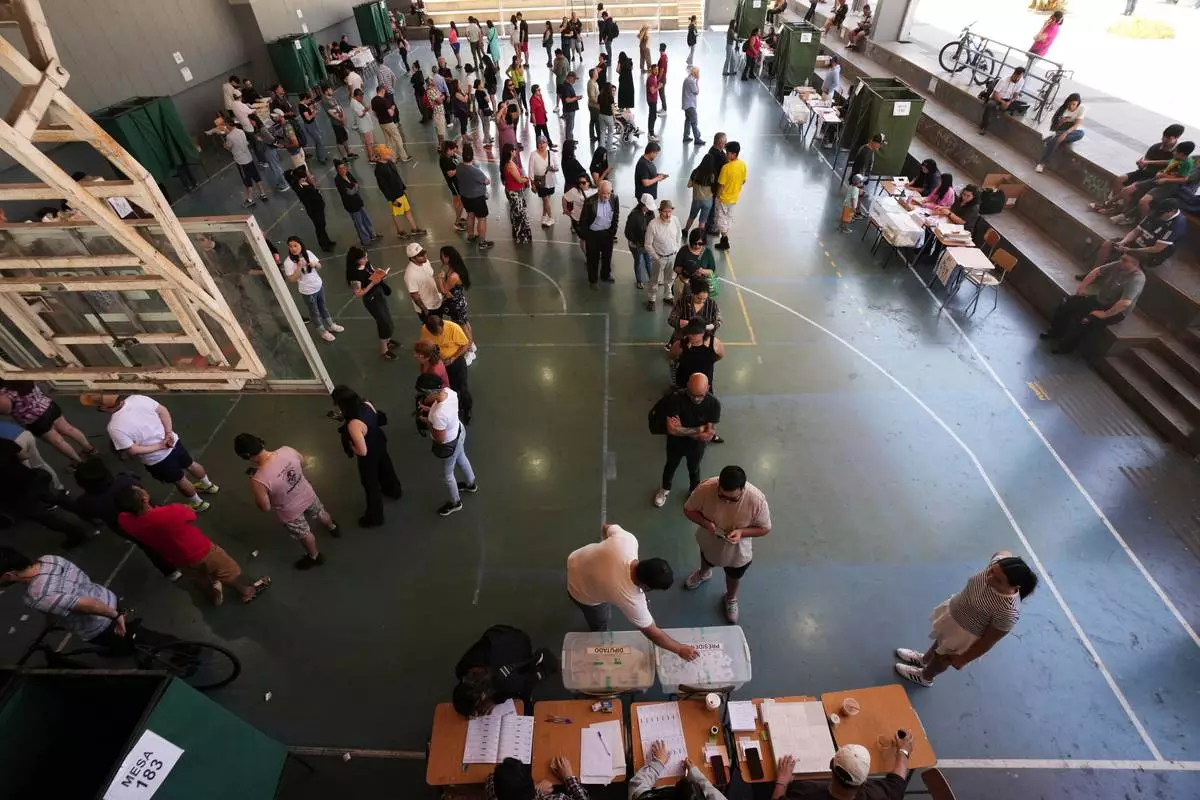
Voters line up at a polling station during general elections in Santiago, Chile, Sunday, Nov. 16, 2025. (AP Photo/Esteban Felix)
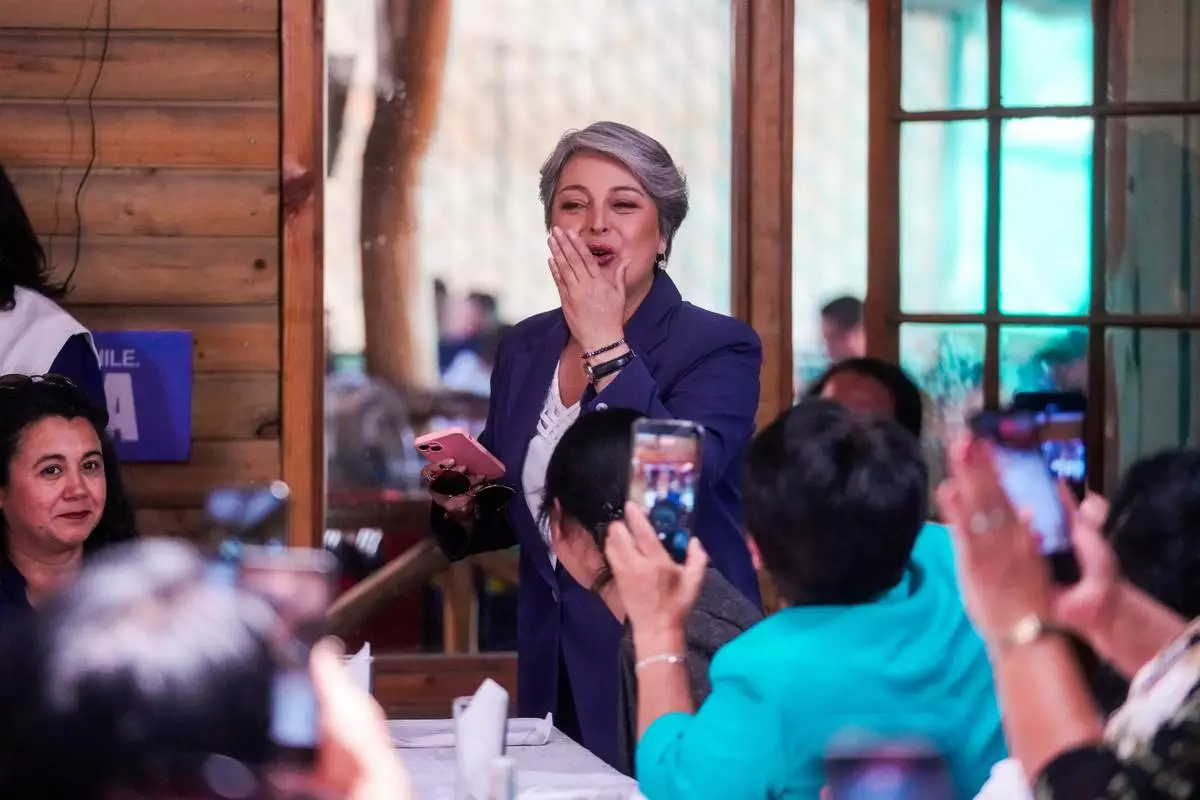
Presidential candidate Jeannette Jara of the Unidad por Chile coalition arrives at a meeting with local leaders in the La Pintana neighborhood of Santiago, Chile, Monday, Nov. 17, 2025. (AP Photo/Esteban Felix)
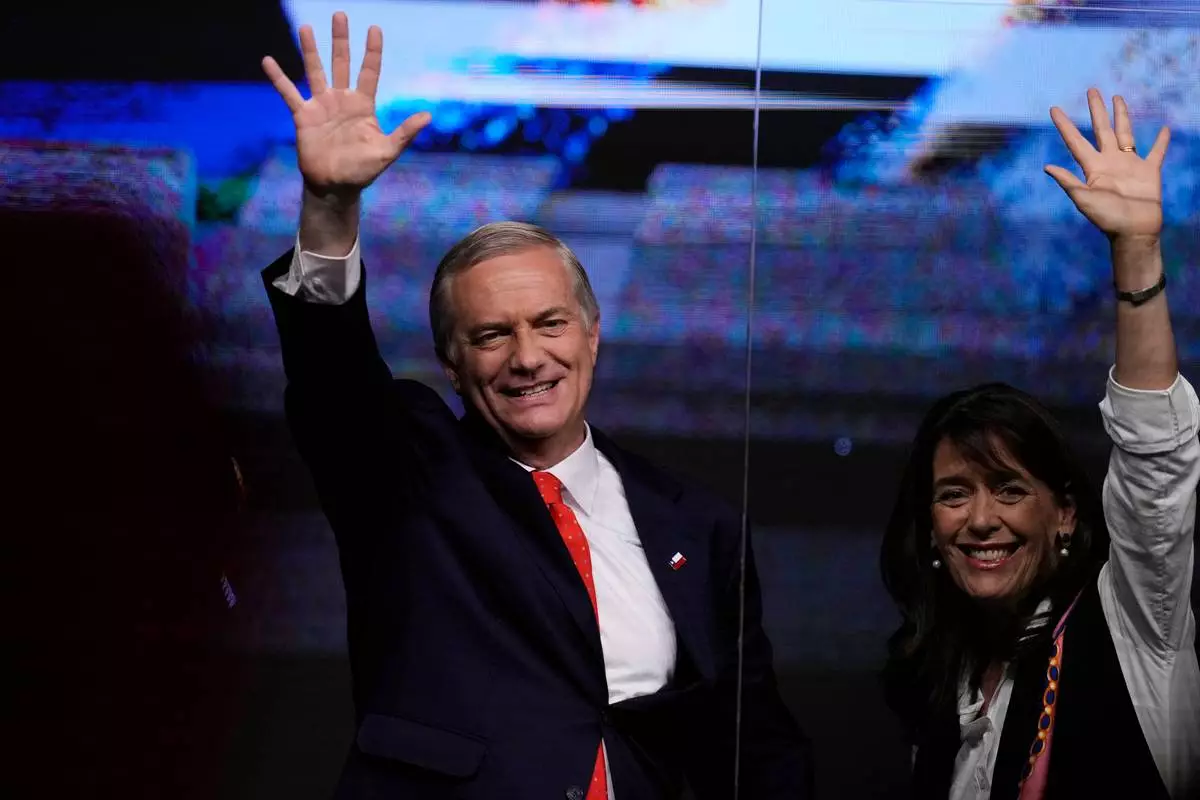
Presidential candidate Jose Antonio Kast of the Republican Party, and his wife Maria Pia Adriasola, wave to supporters after early results in the general elections in Santiago, Chile, Sunday, Nov. 16, 2025. (AP Photo/Esteban Felix)