Skip to Content Facebook Feature Image

CUHK Medicine ranks 15th globally in "Clinical Medicine" in the "2025 Global Ranking of Academic Subjects"

HK

CUHK Medicine ranks 15th globally in "Clinical Medicine" in the "2025 Global Ranking of Academic Subjects"
HK

HK

CUHK Medicine ranks 15th globally in "Clinical Medicine" in the "2025 Global Ranking of Academic Subjects"

2025-11-19 15:58 Last Updated At:16:10

In the newly released "Global Ranking of Academic Subjects 2025," CUHK Medicine's "Clinical Medicine" has maintained its position within the global top 15. It has also been crowned the best in Asia for three consecutive years, standing as the only medical school from Asia within the global top 50.

Meanwhile, for "Nursing", CUHK's Nethersole School of Nursing has also achieved an outstanding result, ranking 2nd in Asia and 10th globally – a significant jump of 13 places from last year. 
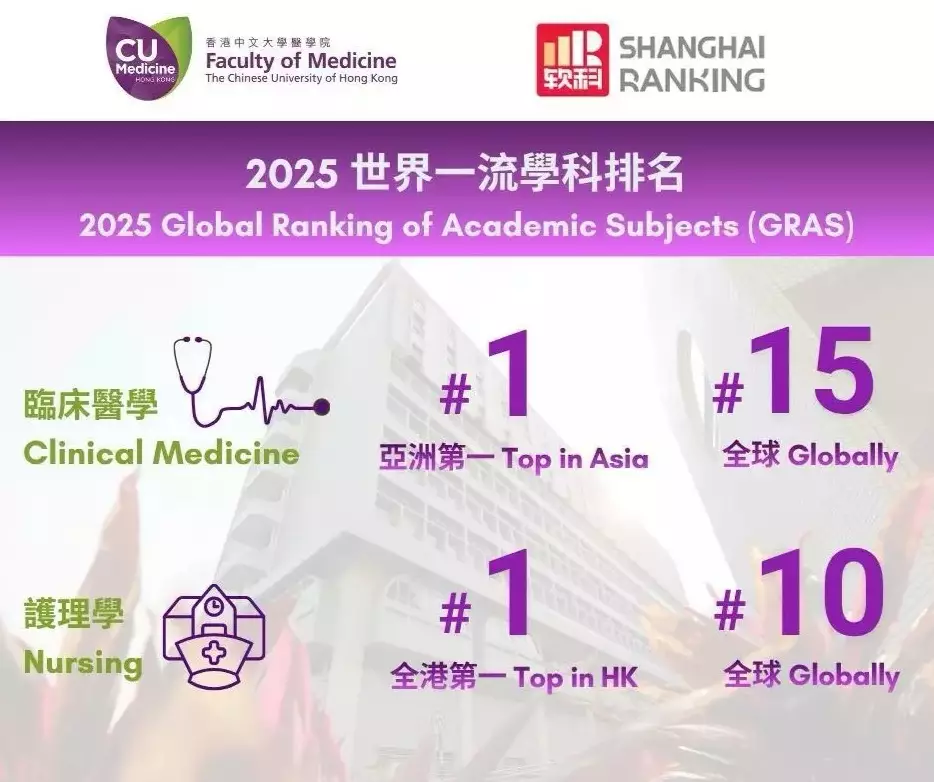
The 2025 Global Ranking of Academic Subjects (GRAS)

The 2025 Global Ranking of Academic Subjects (GRAS)

Professor Philip Chiu, Dean of CUHK Medicine, stated, "We are not only committed to nurturing future medical elites in Hong Kong, but also dedicated to advancing scientific research and innovation. I am deeply proud of the exceptional teaching and research team at CUHK Medicine. Their relentless efforts over the years have gained widespread recognition on the international stage. Notably, over half of our researchers are ranked among the top 2% of scientists worldwide, demonstrating our outstanding research capabilities and profound academic influence. We will continue to expand strategic collaborations with leading international institutions, bringing together global expertise to push the boundaries of medical research and create a brighter future for human health."
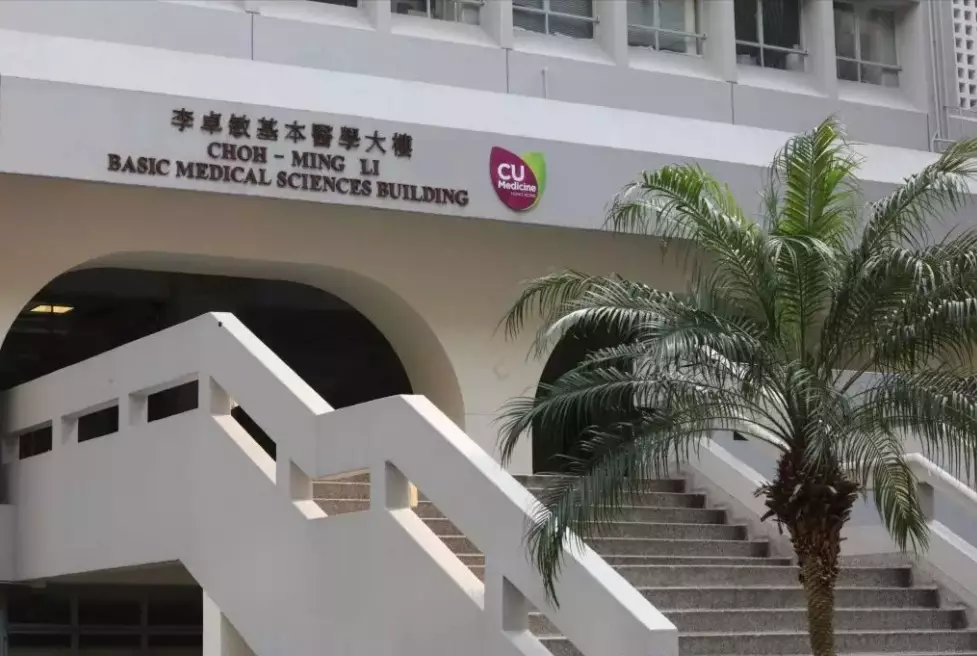
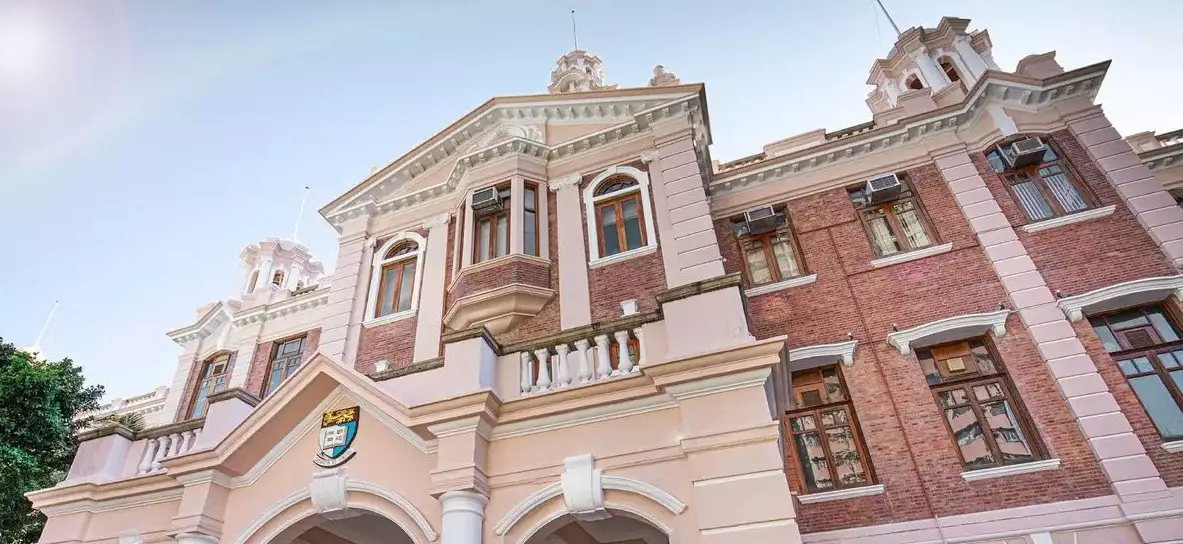
CUHK Medicine, Photo source: reference image

CUHK Medicine, Photo source: reference image

ShanghaiRanking's Academic Ranking of World Universities (ARWU) is one of the most prominent global rankings of the world’s top universities. The 2025 GRAS contains rankings of universities in 57 subjects across Natural Sciences, Engineering, Life Sciences, Medical Sciences, and Social Sciences. More than 2,000 out of 3,000 universities across 92 countries and regions are listed in the rankings this year. The GRAS rankings use a range of objective academic indicators and third-party data to measure the performance of world universities in respective subjects, covering 5 major evaluation categories such as world-class faculty, world-class output, high-quality research, research impact and international collaboration. 

For the details of rankings, please refer to: https://www.shanghairanking.com/rankings/gras/2025
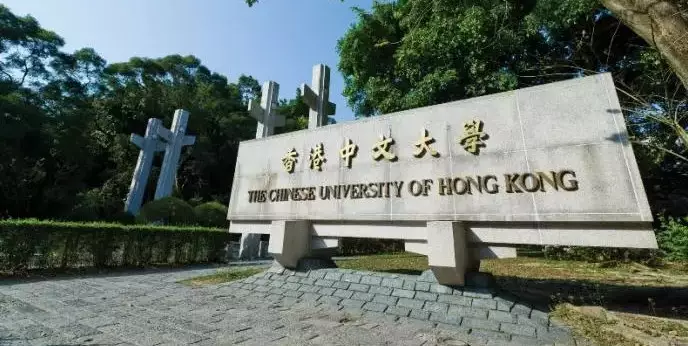
The Chinese University of Hong Kong (CUHK)’s Faculty of Medicine (CU Medicine) has announced the world’s first discovery that CD4+Treg cells (CD4+ FOXP3+ regulatory T cells) in the immune system can precisely regulate MRG15, a key to neonatal cardiac regeneration. The team also uncovered the mechanism through which these cells stimulate heart development and repair. This groundbreaking research offers a novel therapeutic target and strategy for cardiac regenerative medicine, potentially overcoming the challenge of the heart’s inability to self-repair after injury. The findings, which will benefit patients with myocardial infarction and heart failure in China and worldwide, have been published in Circulation, a leading international journal in cardiovascular medicine.

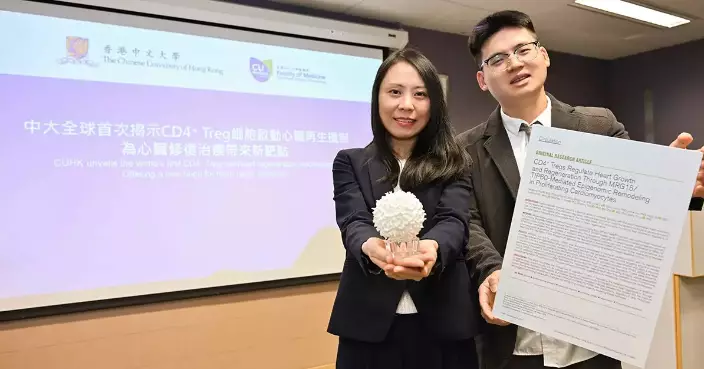
The findings, which will benefit patients with myocardial infarction and heart failure in China and worldwide, have been published in a leading international journal in cardiovascular medicine. Photo source: CU Medicine

The findings, which will benefit patients with myocardial infarction and heart failure in China and worldwide, have been published in a leading international journal in cardiovascular medicine. Photo source: CU Medicine

CUHK identifies CD4+ Treg cells as essential for cardiomyocyte regeneration

The heart is one of the most vital organs in the human body. In adults, damaged cardiomyocytes, the main type of muscle cells in the heart, cannot regenerate. However, neonatal hearts, when injured, have a transient yet significant capability to repair and regenerate. This capacity diminishes with age, which is a key reason why cardiovascular diseases such as myocardial infarction, heart failure and stroke remain among the deadliest conditions worldwide. According to the World Health Organization, nearly 20 million people die from cardiovascular diseases per year. The Chinese Center for Disease Control and Prevention figures indicate that cardiovascular diseases account for nearly 50% of deaths in the Chinese Mainland. In Hong Kong, one in six deaths is related to cardiovascular disease or stroke. (Data from Health Bureau of the Government of the Hong Kong Special Administrative Region of the People’s Republic of China)

To explore the links between neonatal cardiac repair and potential treatments for cardiovascular disease, Professor Kathy Lui Oi-lan and her team at CU Medicine have spent years investigating CD4+ Treg cells, a T cell subset that modulates immune responses. While Treg cells are known to play a role in controlling autoimmune diseases by controlling excessive immune reactions according to the winning discoveries of Nobel Prize in Physiology or Medicine (2025), CU Medicine unveiled its non-immunoregulatory function, as published in leading journal Theranostics in 2019. The study showed that when neonatal hearts were injured, it activated CD4+ Treg cells which secreted factors via paracrine mechanisms to directly promote cardiomyocyte proliferation. This discovery provided important clues for developing innovative therapies for cardiac repair and regeneration. However, the specific underlying mechanisms remained unclear.

Unlocking MRG15 as the key to heart regeneration

After six years of research, the team has finally uncovered how CD4+ Treg cells regulate the transient regenerative capacity of the neonatal heart, and the findings were published in Circulation.Experimental findings confirmed that CD4+ Treg cells can control a chromatin-modifying protein known as MRG15. It is highly expressed in neonatal cardiomyocytes but its expression is significantly downregulated as the heart matures.

To further study the role of MRG15 in cardiac regeneration, the team employed a gene knockout mouse model to delete MRG15 from neonatal cardiomyocytes and evaluate changes in the regenerative capacity of cardiac progenitor cells and cardiomyocytes. They also administered a gene delivery vector to reactivate MRG15 and observed whether this could restore cardiomyocyte regeneration and repair.

Through multiple analyses, including histopathological examination, cell proliferation assays and echocardiographic functional assessments, the researchers found that deletion of MRG15 in neonatal mice significantly reduced cardiomyocyte proliferation and impaired regenerative capability. Likewise, removal of CD4+ Treg cells also suppressed cardiac regeneration. Importantly, reactivation of MRG15 using a gene delivery vector substantially restored regenerative function even in the absence of CD4+ Treg cells. These findings demonstrate a close functional link between CD4+ Treg cells and MRG15: CD4+ Treg cells promote cardiomyocyte proliferation and cardiac regeneration by regulating MRG15 expression. In other words, MRG15 serves as an essential mediator for CD4+ Treg cells to function, and both are indispensable for effective cardiac repair.

Neonatal CD4+ Treg cells can coordinate cardiac repair and regeneration

The researchers have also successfully uncovered the pathway through which CD4+ Treg cells regulate MRG15, thereby activating regenerative mechanisms. Experiments showed that within one week of cardiac injury, CD4+ Treg cells in neonatal mice secreted specific factors that induced MRG15 to form a complex with proteins such as TIP60, p300 and RNA polymerase II. This complex then activated cyclin D1 (also known as Ccnd1), a gene that controls cell division, promoting cardiomyocyte proliferation and repair.

(From left) Professor Kathy Lui Oi-lan from the Department of Chemical Pathology at CU Medicine; Mr Hou Yangfeng, a PhD student from the department, Photo source: CU Medicine

(From left) Professor Kathy Lui Oi-lan from the Department of Chemical Pathology at CU Medicine; Mr Hou Yangfeng, a PhD student from the department, Photo source: CU Medicine

Mr. Hou Yangfeng, the first author of the study and a PhD student from the Department of Chemical Pathology at CU Medicine, commented: “This study is the first to elaborate how CD4+ Treg cells initiate the regeneration mechanism in neonatal cardiomyocytes by inducing MRG15 in conjunction with TIP60 and Ccnd1. Adult CD4+ Treg cells, however, lack this inductive capacity, suggesting that the quantity, function and distribution of these cells, and how gene expression is remodelled, may be the key reason behind the loss of regenerative potential in adult hearts, shedding new light on research into immunoregulation and cardiac regeneration.”


The corresponding author, Professor Kathy Lui Oi-lan from the Department of Chemical Pathology at CU Medicine, remarked: “From an immunological perspective, we have successfully unlocked the ‘key’ to and the underlying mechanism of neonatal cardiac self-repair, enhancing the world’s understanding of CD4+ Treg cells. These immune cells are not only the ‘peacekeepers’ of the human immune system but also act as ‘repair crews’ in the process of cardiac repair. Next, we will explore how this unique mechanism can be translated into clinical therapeutic strategies, with a view to developing innovative immune cell therapies for patients with myocardial infarction and heart failure.”

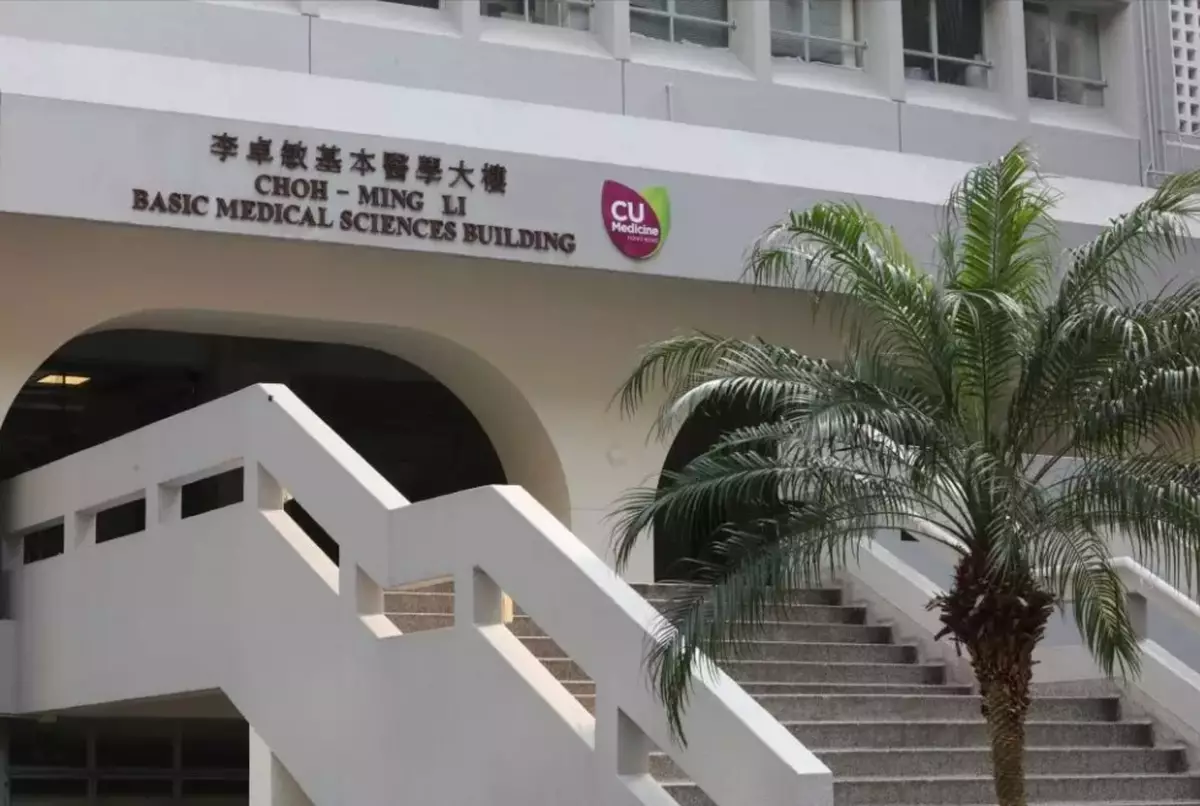
CU Medicine Hong Kong, Photo source: CU Medicine

CU Medicine Hong Kong, Photo source: CU Medicine

Recommended Articles