TORONTO--(BUSINESS WIRE)--Nov 20, 2025--
Cameron Stephens Mortgage Capital Ltd. (“Cameron Stephens”) is pleased to announce that its Accelerated Lending Program has surpassed $100 million in loan commitments, underscoring strong market demand for fast, flexible commercial real estate (“CRE”) financing solutions.
This press release features multimedia. View the full release here: https://www.businesswire.com/news/home/20251120162953/en/
Launched in summer 2025, the Accelerated Lending Program offers single-advance inventory, term, bridge, and land loans up to $15 million, with a streamlined commitment process of under 15 days. The program’s first $100 million in commitments span a well-diversified mix of residential inventory, residential land, and select commercial assets — demonstrating its ability to deliver creative capital solutions across multiple stages of the development cycle and a broad range of CRE asset classes.
The program draws on capital from Cameron Stephens’ internal mortgage funds — including Cameron Stephens Mortgage Trust (CSMT), Bay Street High Yield Fund (BSHY), and Western Canada High Yield Fund (WCHY) — offering borrowers a direct and efficient funding process. This approach significantly reduces time to close.
“Crossing the $100 million mark this quickly validates what we’re hearing from the market — borrowers experiencing longer approval timelines with traditional lenders and need private capital that can move with speed and precision,” said Steve Cameron, President & Chief Operating Officer. “The Accelerated Lending Program lets us deploy smart capital efficiently, supporting our clients’ projects while maintaining the discipline our investors.
From an investment management perspective, the program has also become a valuable tool for dynamic capital allocation across Cameron Stephens’ mortgage funds. “The early momentum in this program has been very strong, both in terms of deal quality and volume,” added Katie Bonar, SVP, Investment Management. “The short-duration, well-structured loans we are originating through the Accelerated Lending Program are delivering attractive risk-adjusted returns and complementing our broader credit strategies across the funds.”
The Accelerated Lending Program is powered by up to $500 million in discretionary capital from Cameron Stephens’ mortgage funds, providing meaningful capacity for continued growth as the platform scales.
With this milestone, Cameron Stephens continues to expand its comprehensive suite of commercial real estate lending solutions — combining institutional-grade underwriting with entrepreneurial agility and a simplified, accelerated path to funding.
For more information or to submit a loan inquiry, please contact Katie Bonar, SVP, Investment Management, Agent Level 2, at kbonar@cameronstephens.com or 416-899-9701.
About Cameron Stephens
Founded in 2004, Cameron Stephens is a leading Canadian real estate investment firm with nearly $3.6 billion in assets under administration. Cameron Stephens offers institutional and private investors strategic opportunities to invest in commercial real estate, emphasizing consistency and stability in returns. The firm specializes in mortgage solutions through Cameron Stephens Mortgage Capital for developers across Canada. Established in 2021, Cameron Stephens Equity Capital provides equity opportunities for high-quality and strategically positioned developments.
Leveraging deep market expertise and strong industry partnerships, Cameron Stephens is recognized as a key player in Canada’s real estate investment landscape, aiming to deliver sustainable growth and financial success. For more information, visit www.cameronstephens.com.
Cameron Stephens Mortgage Capital Ltd. is licensed as a mortgage brokerage (Lic #10769) and administrator (Lic # 11807) in Ontario.

Cameron Stephens Accelerated Lending Program Surpasses $100 Million in Commitments.
DUBAI, United Arab Emirates (AP) — Iran responded to U.S. President Donald Trump’s address to Americans on the war with new missile attacks targeting Israel and the Gulf Arab states Thursday, underlining Tehran’s insistence that it rejected Washington’s outreach for a ceasefire while maintaining its grip on the Strait of Hormuz.
Britain planned to hold a call Thursday with nearly three dozen countries about how to reopen the strait, through which 20% of all oil and natural gas traded passes in peacetime. The 35 countries, including all G7 industrialized democracies except the U.S., as well as the United Arab Emirates and Bahrain, signed a declaration last month demanding Iran stop blocking the strait. The call will discuss “diplomatic and political measures” that could restore shipping once the fighting is over.
Washington has insisted that Iran allow ships to freely transit the strait, but Trump this week has said it is not up to the U.S. to force it, and in his address encouraged countries that receive oil through Hormuz to “build some delayed courage” and go “take it.”
In his address, Trump said the U.S. would hit Iran “extremely hard over the next two to three weeks,” while also insisting American “core strategic objectives are nearing completion.”
Just before Trump began his nearly 20-minute address on Wednesday, explosions were heard in Dubai as air defenses worked to intercept an Iranian missile barrage. Less than a half hour after the president was done, Israel said its military was working to intercept incoming missiles.
Sirens sounded in Bahrain, home to the U.S. Navy's 5th Fleet, immediately after the speech.
Following a joint statement in March condemning Iranian attacks on unarmed commercial vessels that called upon Iran to “cease immediately its threats, laying of mines, drone and missile attacks and other attempts to block the strait,” the 35 signatories were to hold a virtual meeting Thursday hosted by British Foreign Secretary Yvette Cooper.
Though the oil and gas that typically transits the Strait of Hormuz primarily is sold to Asian nations, Japan and South Korea were the only two countries from the region that were joining.
“Trump’s message was that the United States can sustain its own economic and energy ecosystem, while countries dependent on regional exports will either have to buy from the United States or manage the Strait themselves,” the New York-based Soufan Center think tank wrote after the address.
“While Trump explicitly thanked U.S. allies in the Persian Gulf for their cooperation and allyship, an expedited U.S. withdrawal without securing the strait will leave many of these countries, whose economies are dependent on energy exports, in the lurch.”
No country appears willing to try and open the strait by force while the war is raging. British Prime Minister Keir Starmer said the group “will assess all viable diplomatic and political measures we can take to restore freedom of navigation, guarantee the safety of trapped ships and seafarers and to resume the movement of vital commodities.”
Bahrain, which now holds the presidency of the United Nations Security Council, has been working to get the world body to address the crisis as well.
Though Iran has allowed a trickle of ships through the strait, it remains largely closed. Iran has also been repeatedly attacking Gulf Arab energy infrastructure, sending oil prices skyrocketing and giving rise to broader economic problems worldwide.
Following Trump's speech, Brent crude, the international standard, rose again and was at $108 in early spot trading, up nearly 50% from Feb. 28 when Israel and the U.S. started the war with their attacks on Iran.
The rising energy prices and stock market jitters have been putting increasing domestic pressure on Trump, who used his address to offer a defense of the war while also suggesting it was close to winding down.
He acknowledged American service members who had been killed and said: “We are going to finish the job, and we’re going to finish it very fast. We’re getting very close.”
The U.S. has presented Iran with a 15-point plan for a ceasefire, but Trump didn’t say anything about the diplomatic efforts or bring up his April 6 deadline for Iran to reopen the Strait of Hormuz or face severe retaliation from the U.S.
More than 1,900 people have been killed in Iran during the war, while 19 have been reported dead in Israel. More than two dozen people have died in Gulf states and the occupied West Bank, while 13 U.S. service members have been killed.
More than 1,200 people have been killed in Lebanon and more than 1 million displaced, according to authorities. Ten Israeli soldiers have also died there.
Weissert reported from Washington and Rising reported from Bangkok.
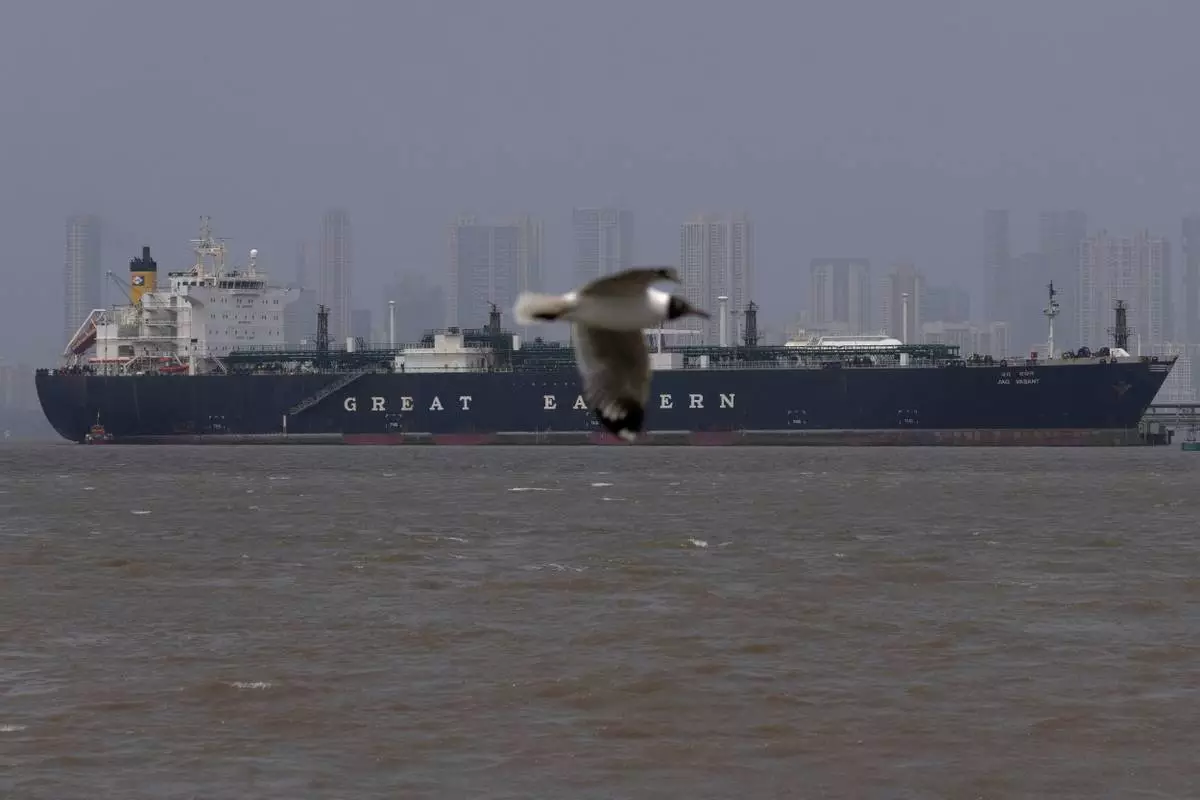
The Indian flagged LPG carrier Jag Vasant transporting liquefied petroleum gas, is seen at the Mumbai Port in Mumbai, India, after it arrived clearing the Strait of Hormuz, Wednesday, April 1, 2026. (AP Photo/Rafiq Maqbool)
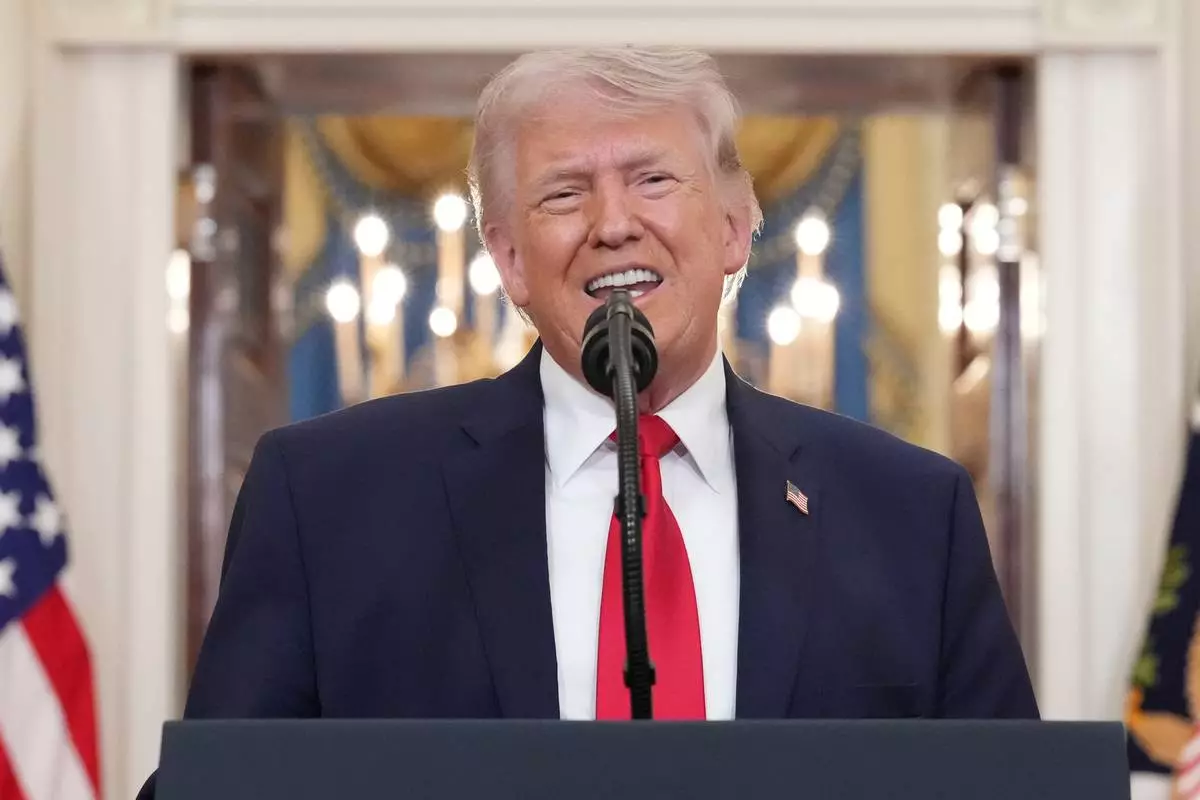
President Donald Trump speaks about the Iran war from the Cross Hall of the White House on Wednesday, April 1, 2026, in Washington. (AP Photo/Alex Brandon, Pool)
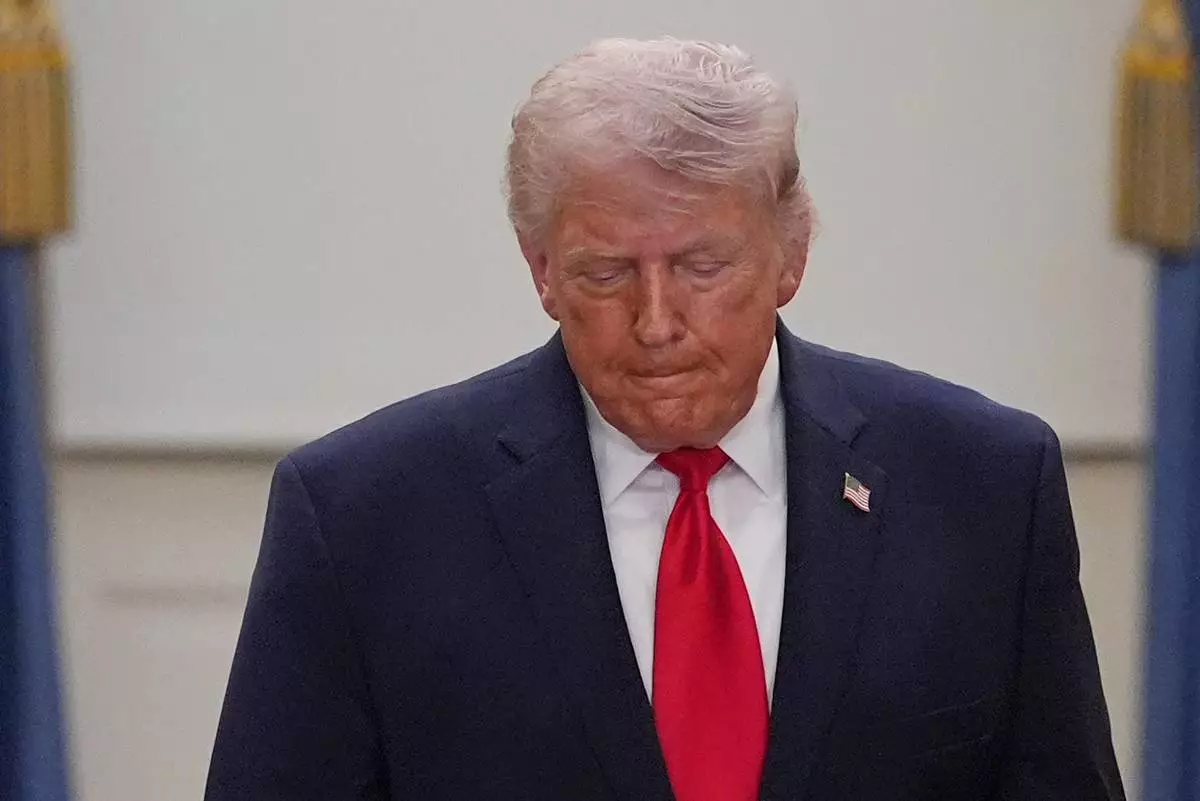
President Donald Trump walks from the Blue Room to speak about the Iran war from the Cross Hall of the White House on Wednesday, April 1, 2026, in Washington. (AP Photo/Alex Brandon, Pool)
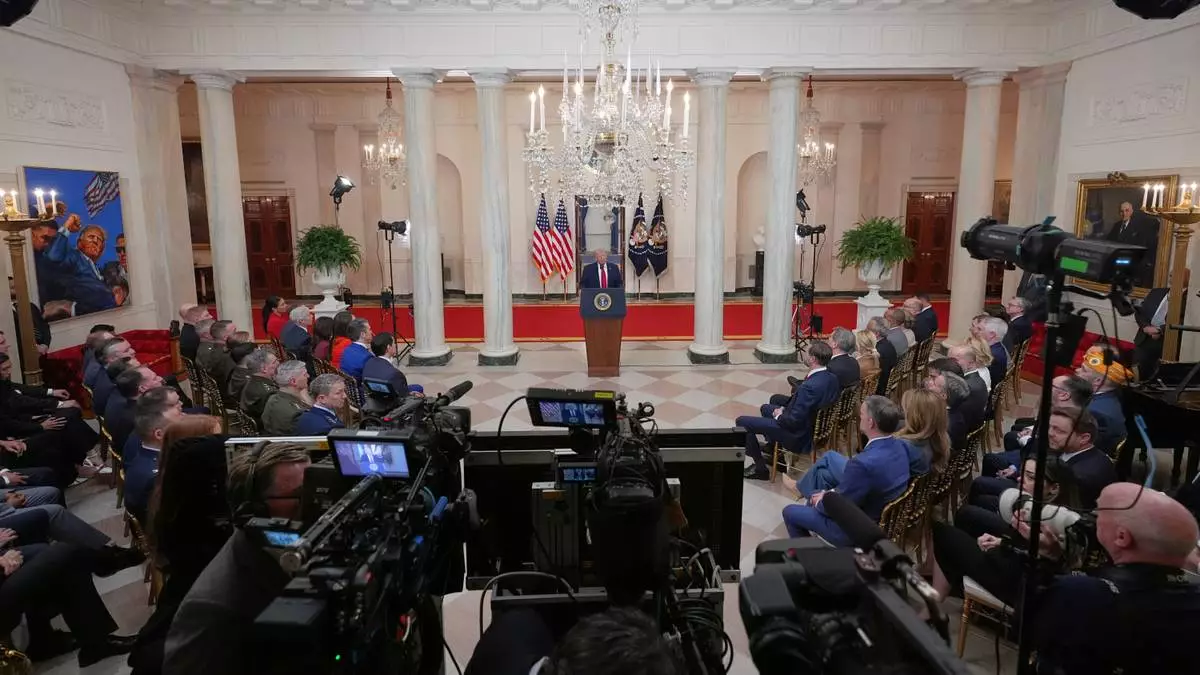
President Donald Trump speaks about the Iran war from the Cross Hall of the White House on Wednesday, April 1, 2026, in Washington. (AP Photo/Alex Brandon, Pool)
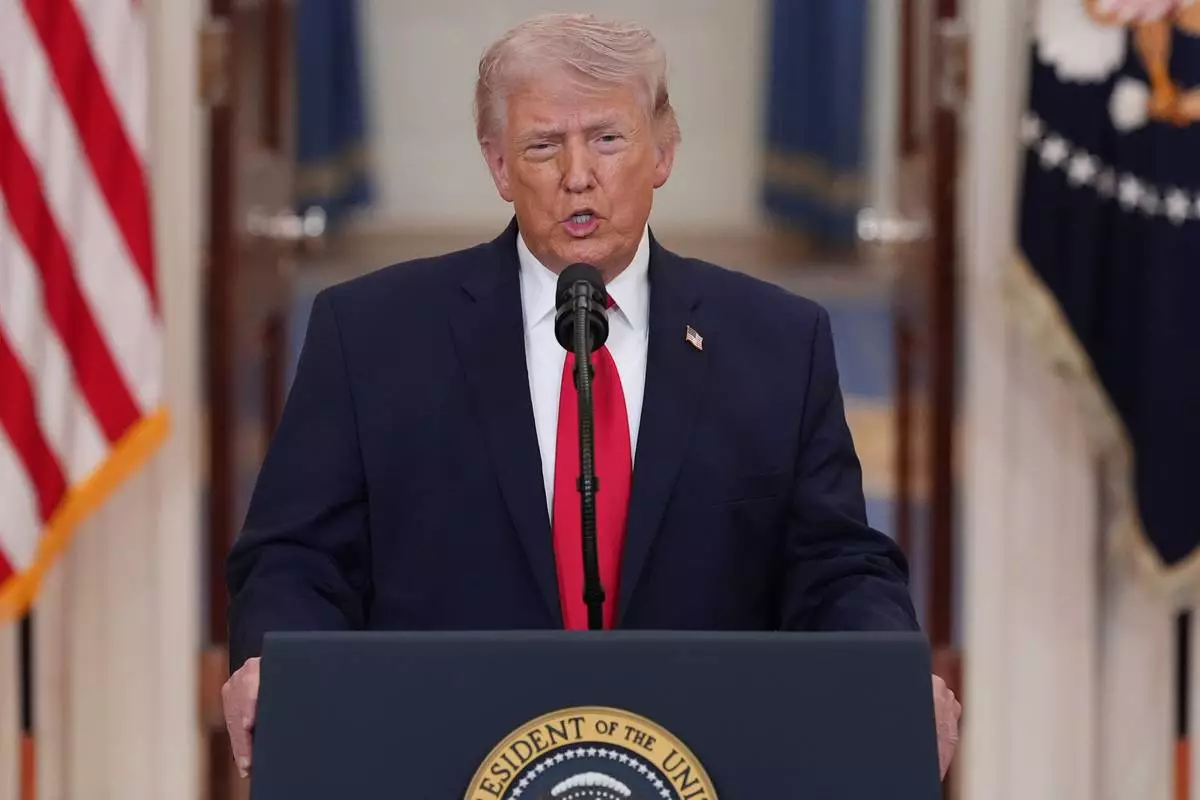
President Donald Trump speaks about the Iran war from the Cross Hall of the White House on Wednesday, April 1, 2026, in Washington. (AP Photo/Alex Brandon, Pool)