Only 776 air traffic controllers and technicians who had perfect attendance during the government shutdown will receive $10,000 bonuses while nearly 20,000 other workers will be left out, the Federal Aviation Administration announced Thursday.
A number of controllers started calling out of work as the shutdown dragged on longer than a month and they dealt with the financial pressure of working without a paycheck. Some of them got side jobs, but others simply couldn't afford the child care or gas they needed to work. Their absences forced delays at airports across the country and led the government to order airlines to cut some of their flights at 40 busy airports.
President Donald Trump suggested the bonuses for those who have stayed on the job in a social media post, but he also suggested that controllers who missed work should have their pay docked. FAA officials haven't publicly announced plans to penalize controllers.
Thousands of FAA technicians also had to work during the shutdown to maintain the equipment that air traffic controllers rely on. At least 6,600 technicians were expected to work throughout the shutdown but more than 3,000 others were subject to be recalled to work.
Transportation Secretary Sean Duffy said the bonuses acknowledged the dedication of these few workers who never missed a shift during the 43-day shutdown. In a post on X he described it as “Santa's coming to town a little early.”
“These patriotic men and women never missed a beat and kept the flying public safe throughout the shutdown,” Duffy said in his formal announcement.
The National Air Traffic Controllers Association union said only 311 of its more than 10,000 members will receive the bonuses. The union said these workers with perfect attendance deserve recognition but so do the others.
“We are concerned that thousands of air traffic controllers who consistently reported for duty during the shutdown, ensuring the safe transport of passengers and cargo across the nation, while working without pay and uncertain of when they would receive compensation, were excluded from this recognition. More than 311 of these dedicated professionals were instrumental in keeping America moving,” the union said in a statement.
The Professional Aviation Safety Specialists union said the thousands of technicians it represents worked hard to keep the aging computer and radar systems controllers use operating during the shutdown, and they should all be recognized — not just the 423 getting bonuses.
“It took many hands to ensure that not one delay during the historic 43-day shutdown was attributed to equipment or system failures,” the union said in a statement.
Democratic Rep. Rick Larsen questioned why all the controllers and others who worked to keep flights moving during during the shutdown won't get bonuses.
“For the Trump administration to not give a bonus to every single one of these hardworking women and men is wrong; they all deserve a bonus and back pay,” said Larsen, who is the ranking member of the House Transportation and Infrastructure committee.
The controllers union said they hope to work with Duffy to find a way to recognize all the other air traffic controllers who worked during the shutdown.
Last week, Homeland Security Secretary Kristi Noem announced that any TSA officers who went “above and beyond” while working without pay would get $10,000 bonuses, but she never specified how many will qualify beyond the handful of checks she handed out to officers at a news conference.
The FAA was already critically short on air traffic controllers before the shutdown. Duffy had been working to boost controller hiring and streamline the years of training required in the hope of eliminating the shortage over the next several years.
Duffy has said that some students and controllers quit and more experienced controllers retired during the shutdown. Many controllers already work 10-hour shifts six days a week because the FAA is so short on staffing.
As more controllers missed work, the FAA ordered airlines to cut flights to relieve pressure on the system. Duffy said repeatedly that FAA safety experts became worried as the absences grew because of reports from pilots concerned about controllers’ responses and a number of runway incursions.
Since the shutdown ended, controller staffing has improved significantly and airlines were allowed to resume normal operations this week.
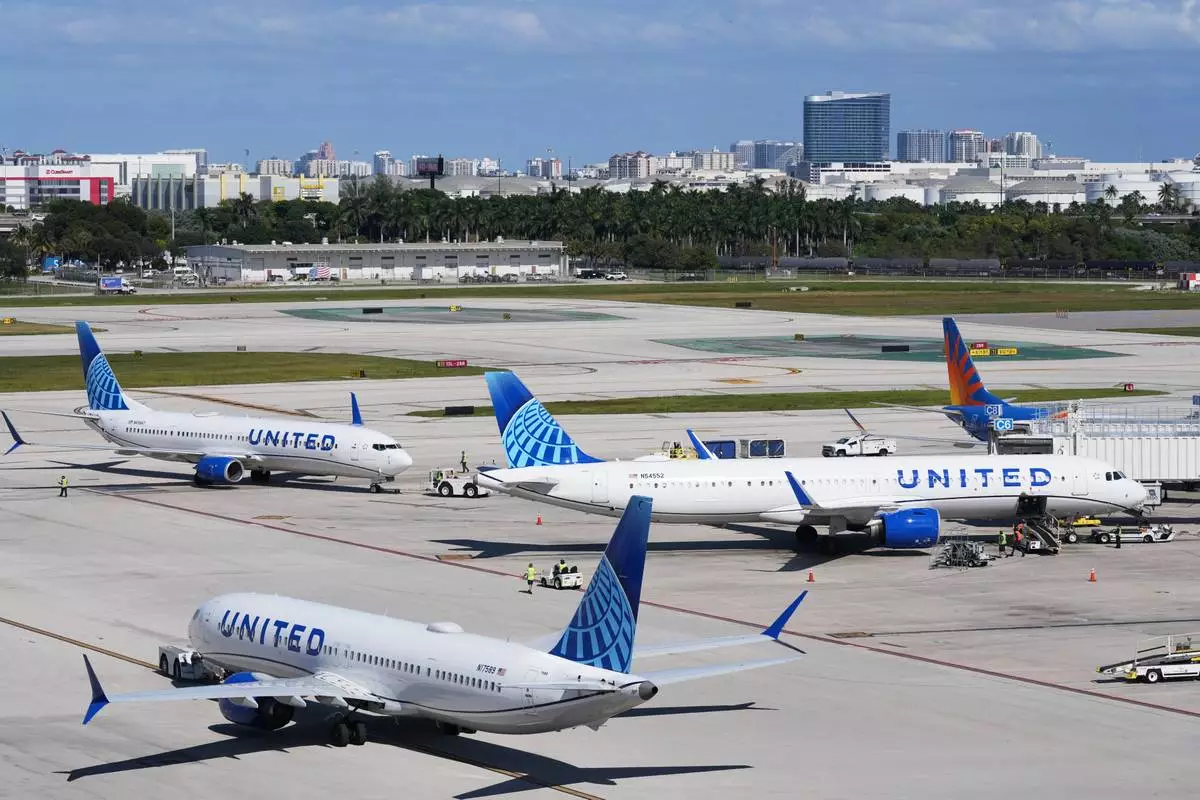
United Airlines aircraft move from the gate at Fort Lauderdale-Hollywood International Airport, Thursday, Nov. 13, 2025, in Fort Lauderdale, Fla. (AP Photo/Lynne Sladky)