Dr. Smita Das often hears the same myth: You can’t get hooked on pot.
And the misconception has become more widespread as a growing number of states legalize marijuana. Around half now allow recreational use for adults and 40 states allow medical use.
But “cannabis is definitely something that someone can develop an addiction to,” said Das, an addiction psychiatrist at Stanford University.
It’s called cannabis use disorder and it’s on the rise, affecting about 3 in 10 people who use pot, according to the U.S. Centers for Disease Control and Prevention.
Here's how to know whether you or a loved one are addicted to marijuana — and what kinds of treatment exist.
If pot interferes with your daily life, health or relationships, those are red flags.
“The more that somebody uses and the higher potency that somebody uses, the higher the risk of that,” Das said.
It's become more common as cannabis has gotten stronger in recent years. In the 1960s, most pot that people smoked contained less than 5% THC, the ingredient that gets you high. Today, the THC potency in cannabis flower and concentrates in dispensaries can reach 40% or more, according to the National Institute on Drug Abuse.
Cannabis use disorder is diagnosed the same way as any other substance use disorder — by looking at whether someone meets certain criteria laid out in the latest version of the Diagnostic and Statistical Manual of Mental Disorders, the main guide for mental health providers.
These include needing more of the drug to get the same effect, having withdrawal symptoms and spending a lot of time trying to get or use it.
“When we break it down into these criteria that have to do with the impacts of their use, it’s a lot more relatable," Das said.
If you've met just two of the criteria for cannabis use disorder in the last year, doctors say you have a mild form of the condition. If you meet six or more, you have a more severe form.
According to the latest version of the National Survey on Drug Use and Health, 7% of all people 12 or older had cannabis use disorder in 2024 and most had a mild form. About 1 in 5 had a severe form.
People can be dependent on and addicted to substances. Dependence is physical, while addiction involves behavior changes.
Marijuana doesn't affect everyone the same way, though. The same amount can have “major impacts” on one person's daily life but have no impact on another person's, Das said. “It really comes down to: How much is that substance impacting someone’s functioning and life day-to-day?”
Many marijuana users first come to Das for help coping with something else, like alcohol use disorder. Later, she said, they’ll often come back and mention a struggle with cannabis.
She assures them that there are effective treatments for the disorder.
One is called motivational interviewing, a goal-oriented counseling style that helps people find internal motivation to change their behavior. Another is cognitive behavioral therapy or CBT, a form of talk therapy that helps people to challenge negative thought patterns and reduce unhelpful behaviors.
Twelve-step programs like Marijuana Anonymous can also be helpful, Das said. But whether someone chooses to join a group or not, even being able to lean on a community of people who aren’t using pot is an important part for recovery.
Dave Bushnell, a retired digital executive creative director, started a Reddit group 14 years ago for people who, like him, had developed an addiction or dependency to cannabis and wanted help recovering. Its discussion forum has 350,000 members and continues to grow.
Bushnell, 60, said peer support is essential to recovery and some people feel more comfortable chatting online than in person. “This is potheads taking care of potheads,” he said.
Doctors urged people who need help to get it, whether it's with a professional or in a peer group.
As with alcohol, “just because something’s legal doesn’t mean that it’s safe," Das said.
Associated Press reporter Leah Willingham in Boston contributed to this story.
The Associated Press Health and Science Department receives support from the Howard Hughes Medical Institute’s Department of Science Education and the Robert Wood Johnson Foundation. The AP is solely responsible for all content.
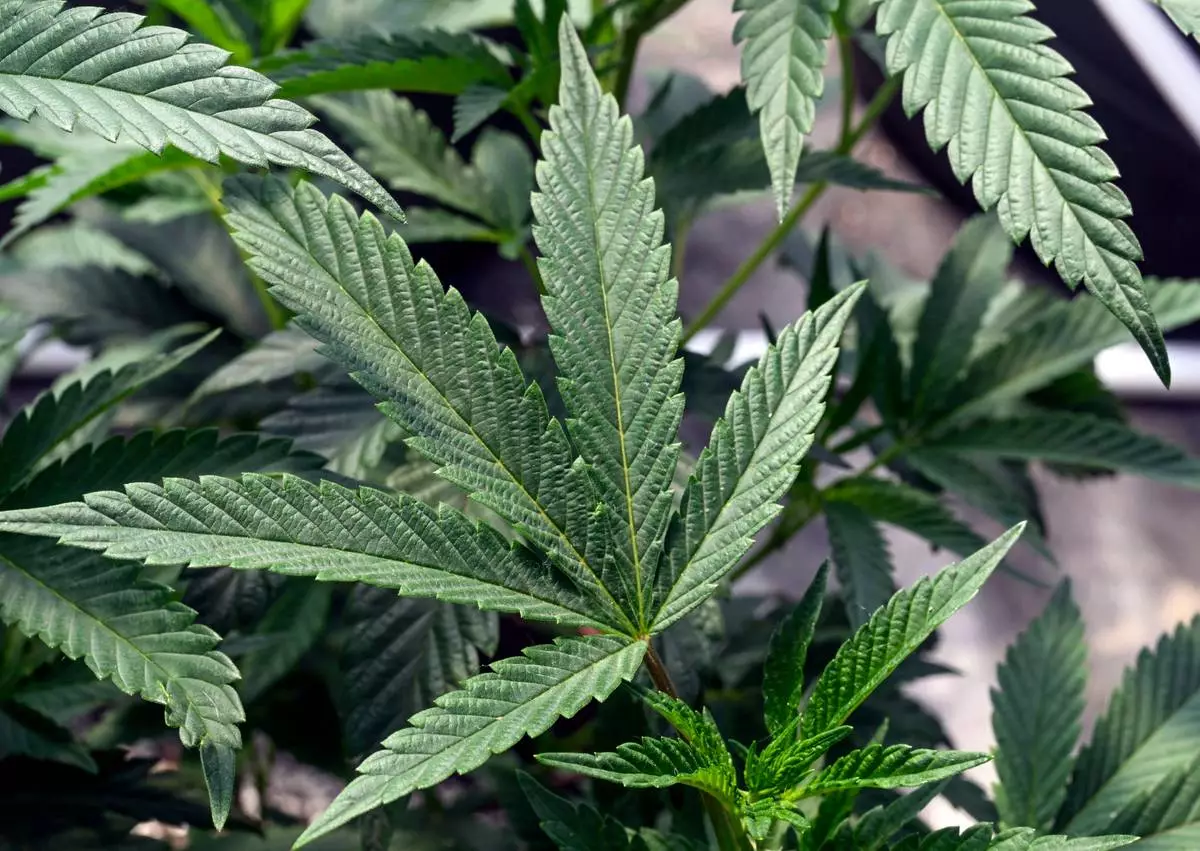
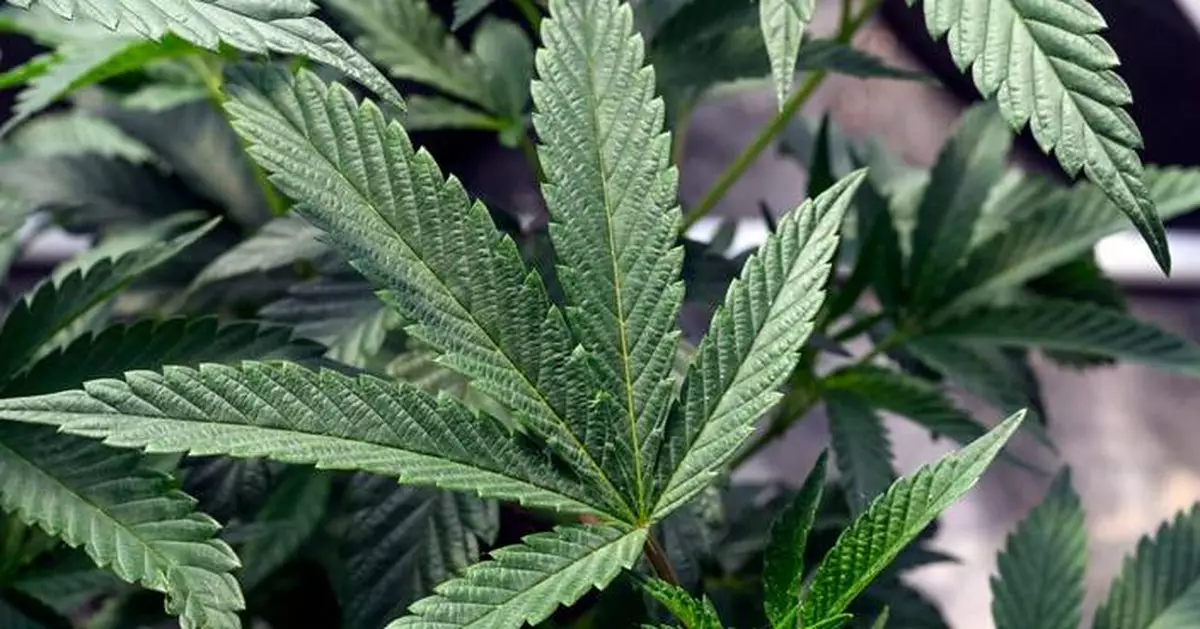
FILE - Marijuana plants are seen at a growing facility in Washington County, N.Y., May 12, 2023. (AP Photo/Hans Pennink, File)
WASHINGTON (AP) — The Supreme Court is taking up one of the term's most consequential cases, President Donald Trump’s executive order on birthright citizenship declaring that children born to parents who are in the United States illegally or temporarily are not American citizens. Trump plans to be in attendance.
In arguments Wednesday, the justices will hear Trump’s appeal of a lower-court ruling from New Hampshire that struck down the citizenship restrictions, one of several courts that have blocked them. They have not taken effect anywhere in the country.
A definitive ruling is expected by early summer.
Trump will be the first sitting president to attend oral arguments at the nation’s highest court.
The case frames another test of Trump's assertions of executive power that defy long-standing precedent for a court that has largely ruled in the president's favor — but with some notable exceptions that Trump has responded to with starkly personal criticisms of the justices.
The birthright citizenship order, which Trump signed the first day of his second term, is part of his Republican administration’s broad immigration crackdown.
Birthright citizenship is the first Trump immigration-related policy to reach the court for a final ruling. The justices previously struck down global tariffs Trump had imposed under an emergency powers law that had never been used that way.
Trump reacted furiously to the late February tariffs decision, saying he was ashamed of the justices who ruled against him and calling them unpatriotic.
He issued a preemptive broadside against the court on Sunday on his Truth Social platform. “Birthright Citizenship is not about rich people from China, and the rest of the World, who want their children, and hundreds of thousands more, FOR PAY, to ridiculously become citizens of the United States of America. It is about the BABIES OF SLAVES!,” the president wrote. “Dumb Judges and Justices will not a great Country make!”
Trump's order would upend the long-standing view that the Constitution’s 14th Amendment, ratified in 1868, and federal law since 1940 confer citizenship on everyone born on American soil, with narrow exceptions for the children of foreign diplomats and those born to a foreign occupying force.
The 14th Amendment was intended to ensure that Black people, including former slaves, had citizenship, though the Citizenship Clause is written more broadly. “All persons born or naturalized in the United States, and subject to the jurisdiction thereof, are citizens of the United States and of the State wherein they reside,” it reads.
In a series of decisions, lower courts have struck down the executive order as illegal, or likely so, under the Constitution and federal law. The decisions have invoked the high court's 1898 ruling in Wong Kim Ark, which held that the U.S.-born child of Chinese nationals was a citizen.
The Trump administration argues that the common view of citizenship is wrong, asserting that children of noncitizens are not “subject to the jurisdiction” of the United States and therefore are not entitled to citizenship.
The court should use the case to set straight “long-enduring misconceptions about the Constitution’s meaning,” Solicitor General D. John Sauer wrote.
No court has accepted that argument, and lawyers for pregnant women whose children would be affected by the order said the Supreme Court should not be the first to do so.
“We have the president of the United States trying to radically reinterpret the definition of American citizenship,” said Cecillia Wang, the American Civil Liberties Union legal director who is facing off against Sauer at the Supreme Court.
More than one-quarter of a million babies born in the U.S. each year would be affected by the executive order, according to research by the Migration Policy Institute and Pennsylvania State University’s Population Research Institute.
While Trump has largely focused on illegal immigration in his rhetoric and actions, the birthright restrictions also would apply to people who are legally in the United States, including students and applicants for green cards, or permanent resident status.
Follow the AP’s coverage of the U.S. Supreme Court at https://apnews.com/hub/us-supreme-court.
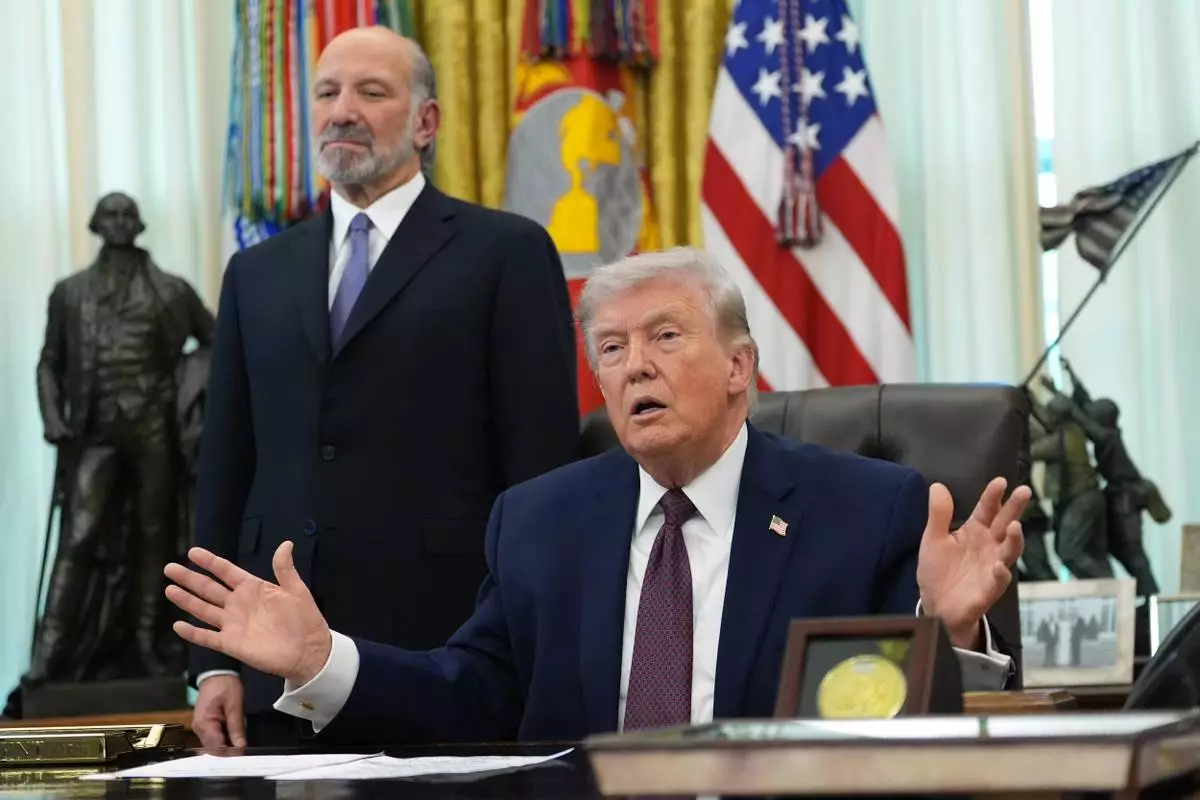
President Donald Trump answers questions from reporters after signing an executive order in the Oval Office of the White House Tuesday, March 31, 2026, in Washington, as Commerce Secretary Howard Lutnick listens. (AP Photo/Alex Brandon)
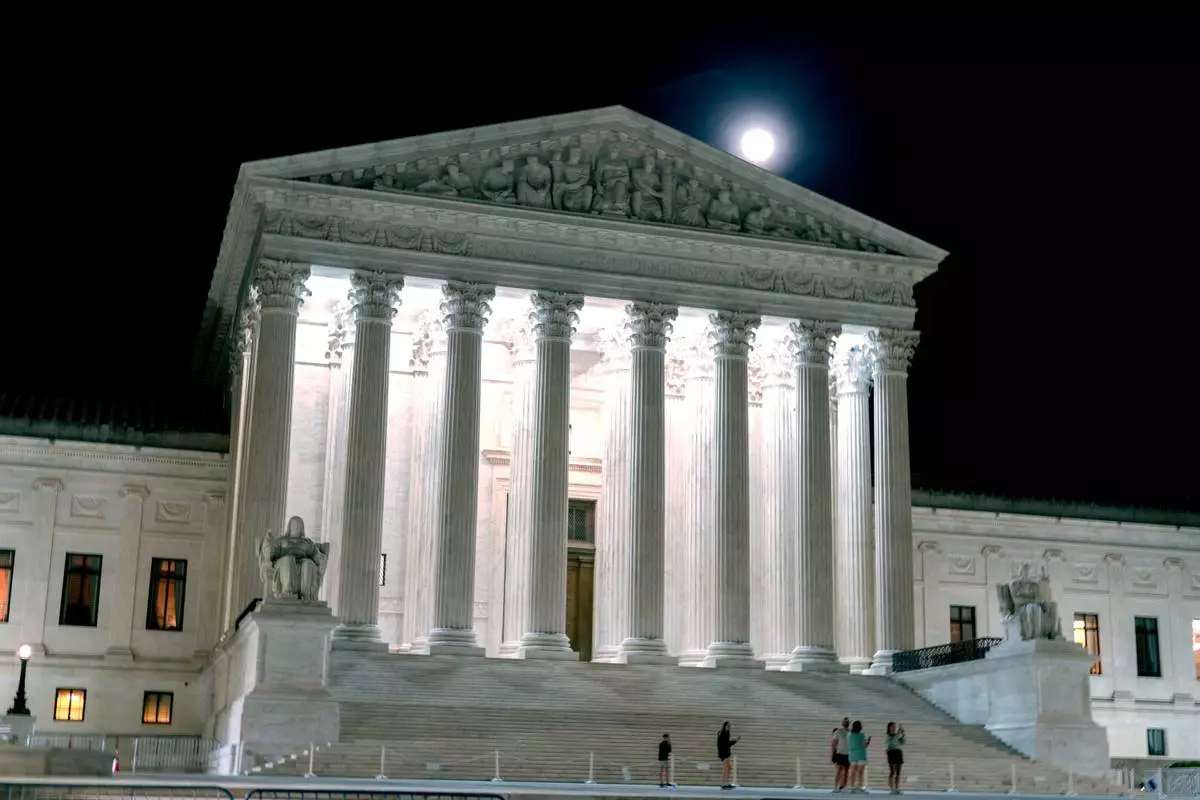
The U.S. Supreme Court is seen as the moon rises Tuesday, March 31, 2026, in Washington. (AP Photo/Jose Luis Magana)