LJUBLJANA, Slovenia (AP) — Slovenians on Sunday rejected in a referendum a law that allowed terminally ill patients to end their lives, according to preliminary results released by the election authorities.
The near-complete count showed that around 53% voted against the law while around 46% supported it. The no-votes also represented more than 20% of 1.7 million eligible voters in Slovenia, which is requested by the election rules.
Click to Gallery
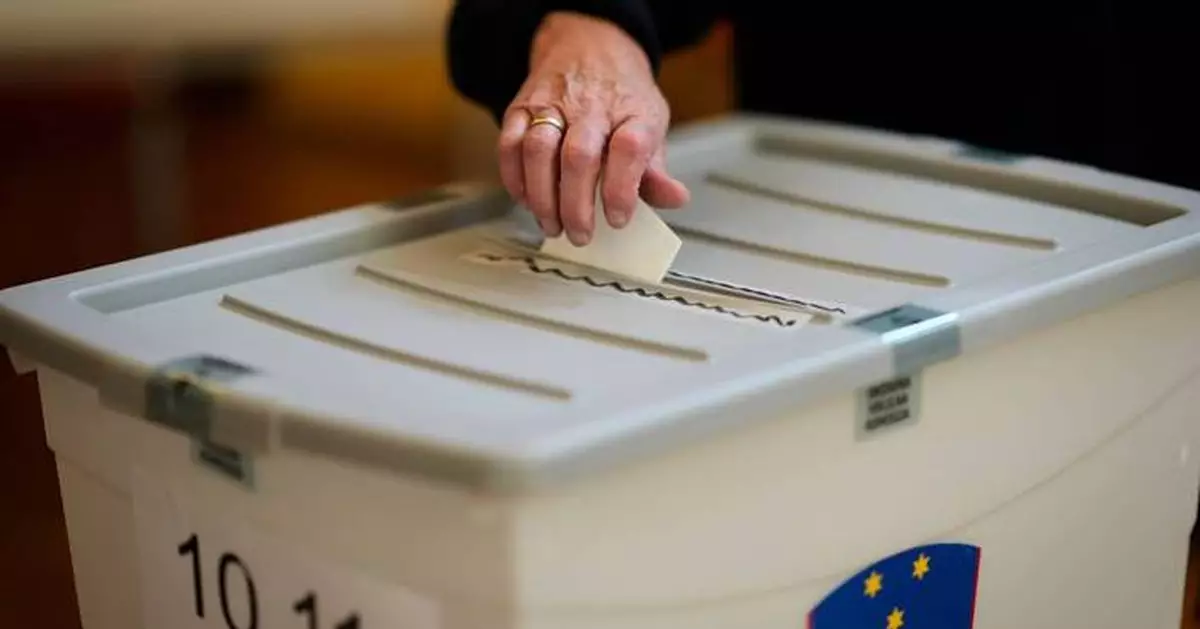
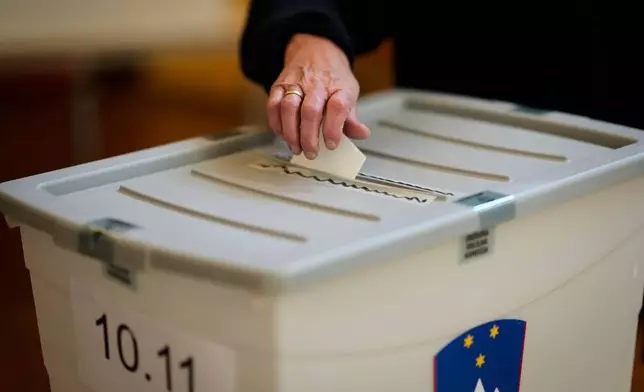
A voter casts her ballot at a polling station during the referendum on assisted dying for terminally ill patients, in Domzale, Slovenia, Sunday, Nov. 23, 2025. (AP Photo/Darko Bandic)
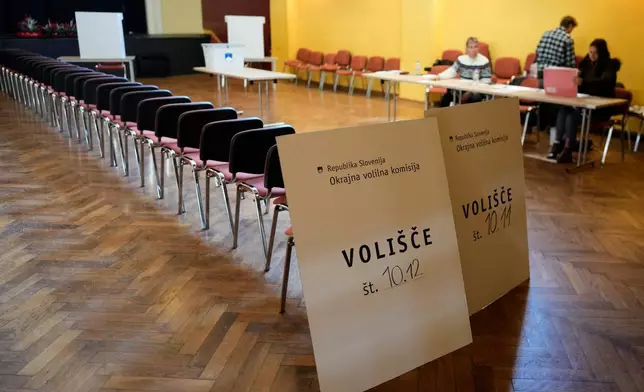
Commission wait for voters at a polling station during the referendum on assisted dying for terminally ill patients, in Domzale, Slovenia, Sunday, Nov. 23, 2025. (AP Photo/Darko Bandic)
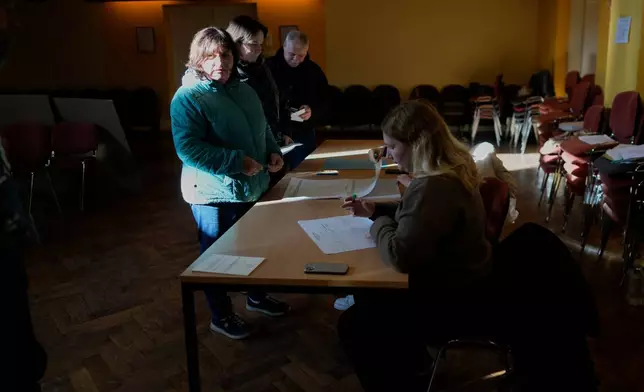
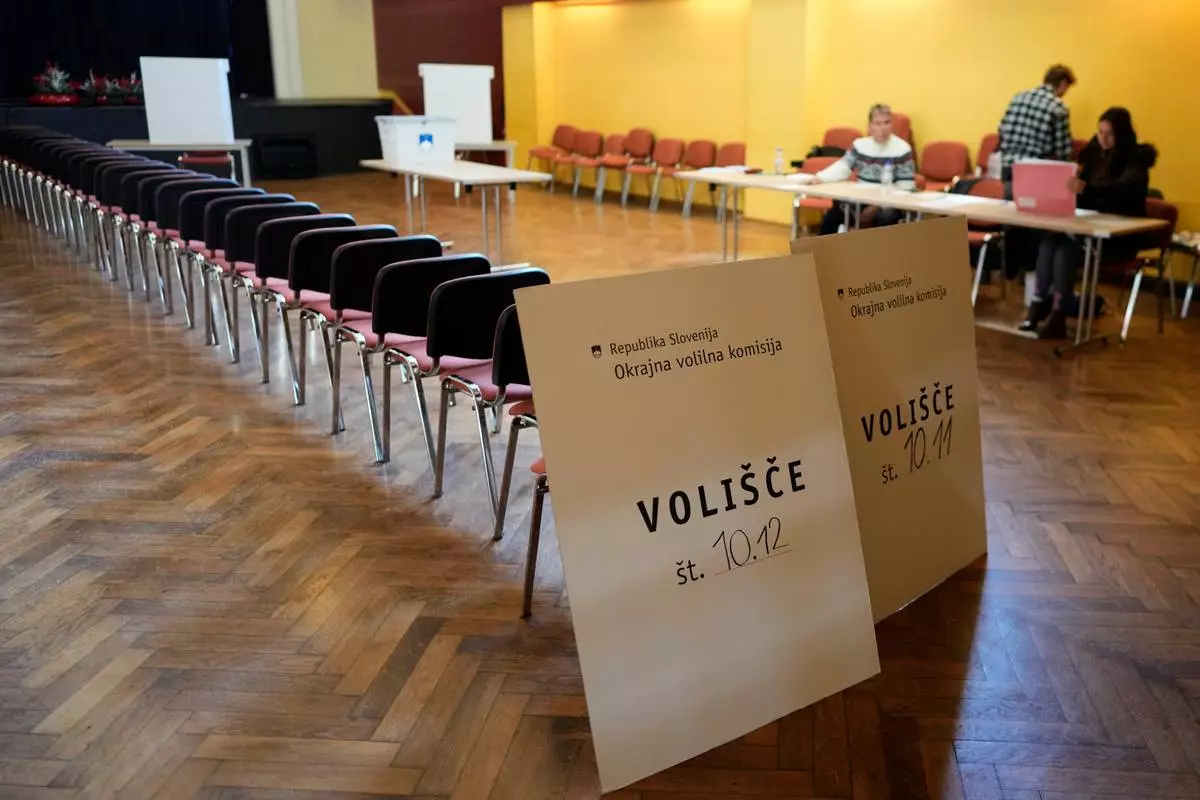
Voters register at a polling station during the referendum on assisted dying for terminally ill patients, in Domzale, Slovenia, Sunday, Nov. 23, 2025. (AP Photo/Darko Bandic)
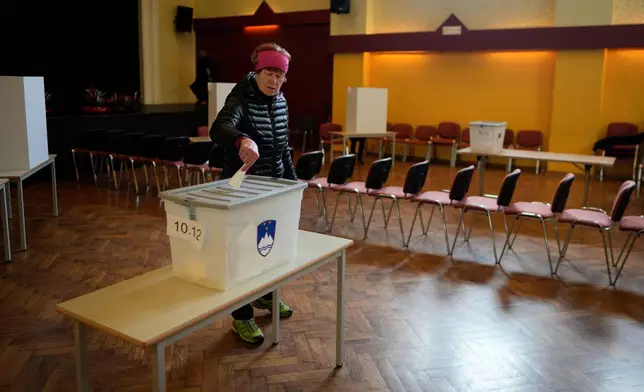
A voter casts her ballot at a polling station during the referendum on assisted dying for terminally ill patients, in Domzale, Slovenia, Sunday, Nov. 23, 2025. (AP Photo/Darko Bandic)
Turnout was nearly 41%, the State Electoral Commission said.
“Compassion has won,” declared Ales Primc, a conservative activist who led the campaign against assisted dying. “Slovenia has rejected the government’s health, pension and social reform based on death by poisoning."
Parliament in the small European Union nation passed the law in July after voters had backed it in a nonbinding referendum last year. Primc and other opponents, however, have forced another vote on the divisive issue after collecting more than 40,000 signatures.
Sunday's outcome means that the existing law is now suspended. Advocates of assisted dying said they were disappointed but expressed conviction a new legislation will be passed in the future.
Prime Minister Robert Golob said in a press release that while the current bill was rejected the “challenge we are addressing still remains.”
“This is not a political issue, it has always been a matter of dignity, human rights, and individual choice,” he added.
The law envisaged that mentally competent people, who have no chance of recovery or are facing unbearable pain have the right to assisted dying. This meant that patients would administer the lethal medication themselves after approval from two doctors and a period of consultation.
The law did not apply to people with mental illnesses.
Backers, including PM Golob's liberal government, have argued that the law gives people a chance to die with dignity and decide themselves how and when to end their suffering.
Opponents included conservative groups, some doctors associations and the Catholic church. They insisted that the law went against Slovenia's constitution and that the state should work to provide better palliative care instead.
President Natasa Pirc Musar said upon voting on Sunday that it is “extremely important” for the citizens to go to the polls and “not only when there are parliamentary or presidential elections.”
“It is right for us as individuals to say what we think about a certain topic,” she said. “It is right for us to tell politicians what we think is right and what we think is wrong.”
Several other EU countries have already passed similar laws, including Slovenia's neighbor Austria.
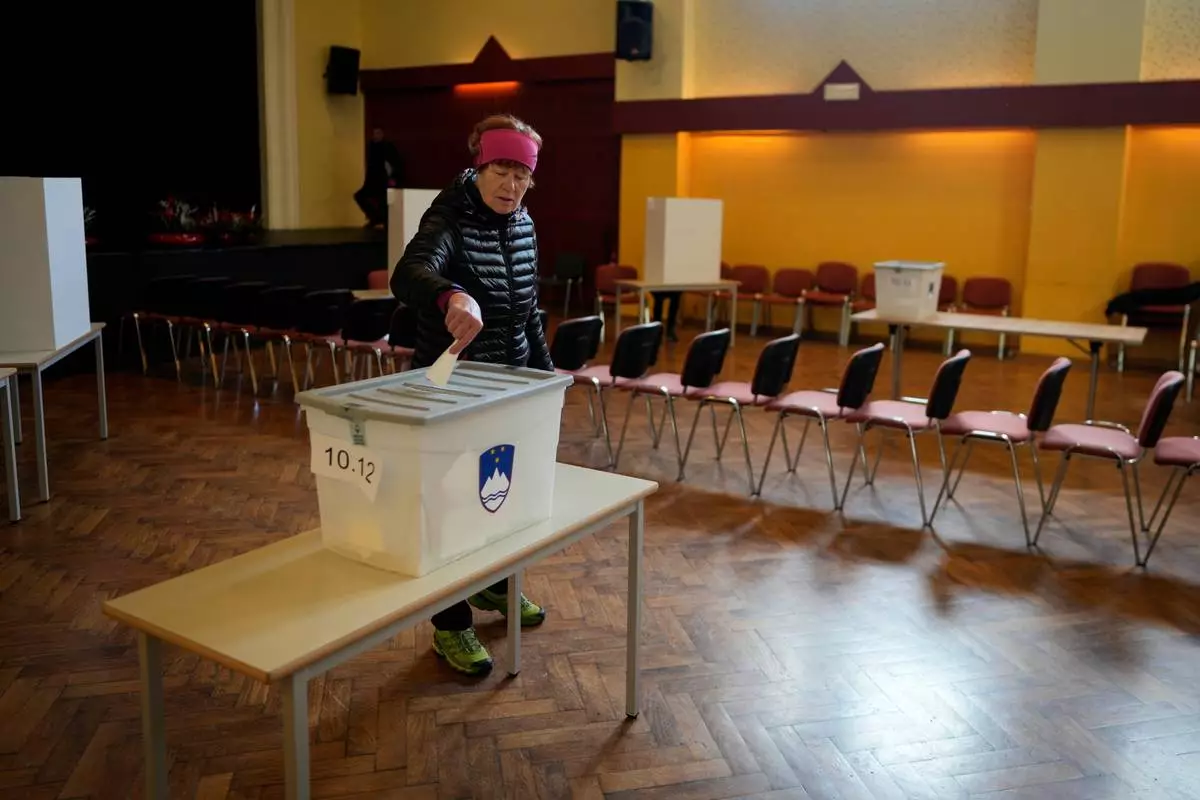
A voter casts her ballot at a polling station during the referendum on assisted dying for terminally ill patients, in Domzale, Slovenia, Sunday, Nov. 23, 2025. (AP Photo/Darko Bandic)
Commission wait for voters at a polling station during the referendum on assisted dying for terminally ill patients, in Domzale, Slovenia, Sunday, Nov. 23, 2025. (AP Photo/Darko Bandic)
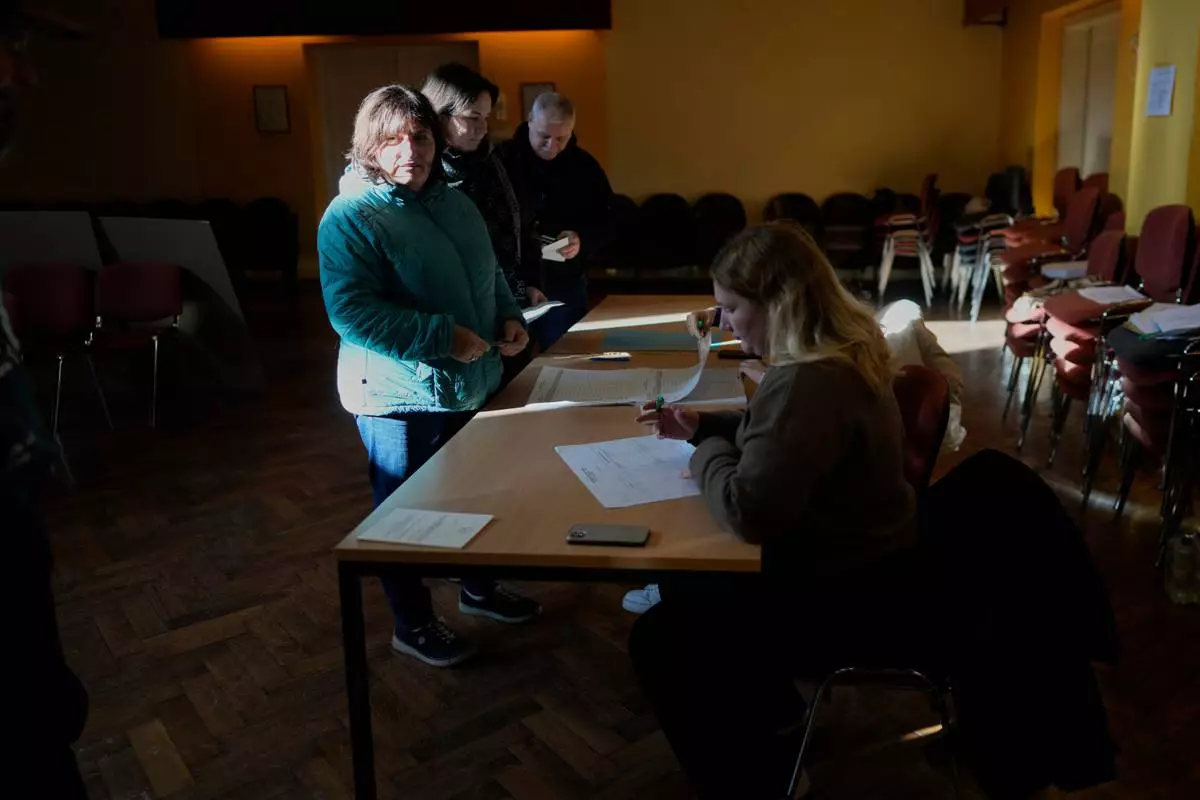
Voters register at a polling station during the referendum on assisted dying for terminally ill patients, in Domzale, Slovenia, Sunday, Nov. 23, 2025. (AP Photo/Darko Bandic)
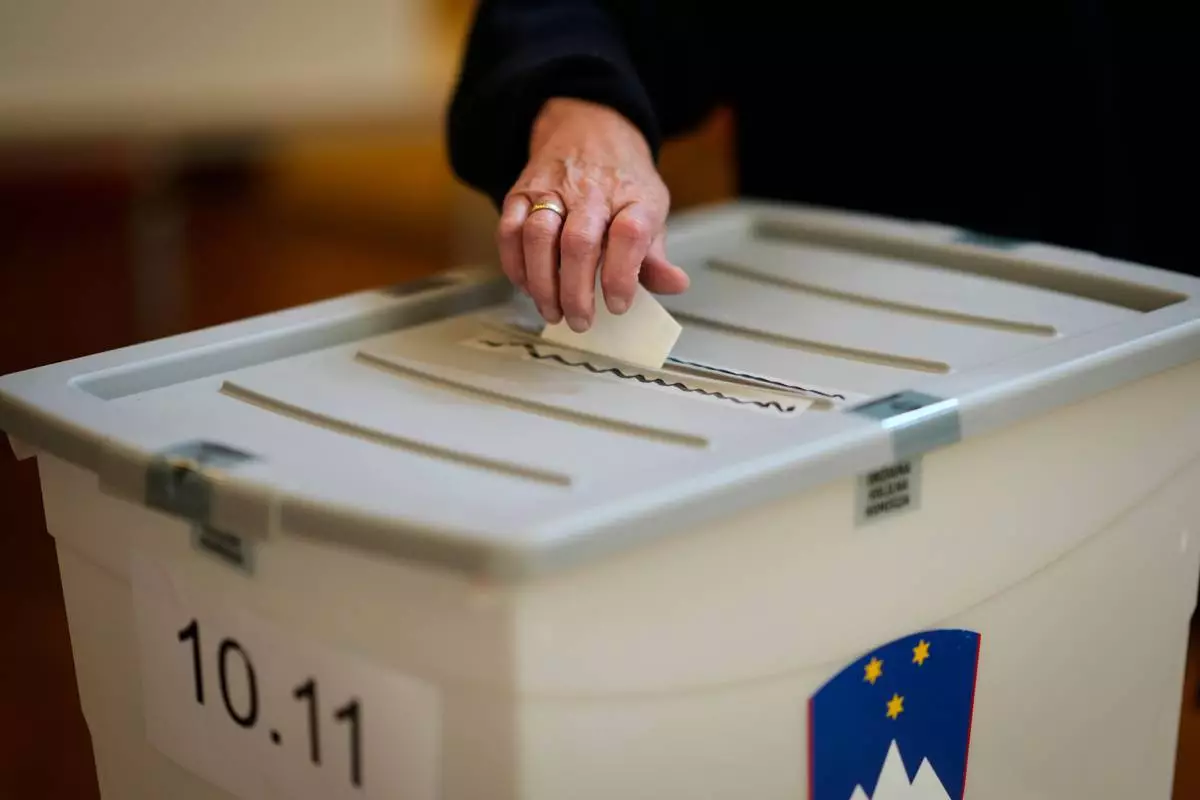
A voter casts her ballot at a polling station during the referendum on assisted dying for terminally ill patients, in Domzale, Slovenia, Sunday, Nov. 23, 2025. (AP Photo/Darko Bandic)
NASHVILLE, Tenn. (AP) — As civil rights advocates protest, Republican lawmakers in several Southern states are seizing on the opportunity afforded by a U.S. Supreme Court ruling to redraw congressional districts ahead of the November midterm elections.
The latest state to jump on the redistricting bandwagon is Tennessee, where a special legislative session is to begin Tuesday, a day after a similar session kicked off in Alabama. In Louisiana, lawmakers also are making plans for new U.S. House districts after the Supreme Court last week struck down the state's current map.
The high court’s ruling said Louisiana relied too heavily on race when creating a second Black-majority House district as it attempted to comply with the Voting Rights Act. The ruling last week significantly altered a decades-old understanding of the law, giving Republicans in various states grounds to try to eliminate majority-Black districts that have elected Democrats.
It could lessen congressional representation for Black Americans and other minorities, reversing decades of gains in minority voting rights.
President Donald Trump has been encouraging more states to join in redistricting as Republicans seek to hold on to their narrow House majority in this year’s elections.
Alabama lawmakers heard testimony Tuesday on legislation that would allow a special congressional primary, if the Supreme Court clears the way for the state to change its U.S. House districts.
In light of the court's ruling on Louisiana's districts, Alabama officials have asked the high court to set aside a judicial order to use a U.S. House map that includes two districts with a substantial number of Black voters and instead let the state revert to a map previously passed by Republican lawmakers. That map could help the GOP win at least one of those two seats currently held by Democrats.
Alabama's primaries are scheduled for May 19. If the Supreme Court grants the state's request after or too close to the primary, the legislation under consideration would ignore the results of that primary and direct the governor to schedule a new primary under the revised districts.
“This is the voice of the people,” Alabama House Speaker Nathaniel Ledbetter said while promoting the Republican plan. “We had three judges determine how five million people were supposed to vote, and I don’t think that’s the way.”
During a House committee hearing, several Black residents urged lawmakers not to change the current congressional districts.
“Representation matters — not just politically but in access, in power and in who gets to be heard,” said Eliza Jane Franklin, of rural Barbour County.
Republican Gov. Bill Lee called Tennessee lawmakers into a special session to consider a plan that could break up the state’s lone Democratic-held U.S. House district, centered on the majority-Black city of Memphis. The move comes after pressure from Trump.
The candidate qualifying period in Tennessee ended in March, and the primary election is scheduled for Aug. 6.
Some clergy members have denounced the plan to split Memphis’ congressional district, and Martin Luther King III sent a letter to Tennessee legislative leaders expressing “grave concern” about it.
“This decision undermines the work that my father, Dr. Martin Luther King, Jr., carried out to help secure passage of the Voting Rights Act,” he wrote, noting that his father was assassinated in Memphis. He added: “Do not dismantle the only Congressional district that provides Black voters in Memphis a fair opportunity to have a voice in our democracy. Do not take this nation back to the days of Jim Crow.”
After last week’s Supreme Court decision, Louisiana moved to delay its May 16 congressional primary to allow time for lawmakers to approve new U.S. House districts.
Louisiana state Sen. Caleb Kleinpeter, a Republican who chairs a Senate committee tasked with redistricting, told The Associated Press that his committee plans to hold a public hearing Friday. Kleinpeter said lawmakers are still weighing their options, including bills that would eliminate one or both of the state’s two majority-Black Congressional districts.
Democrats and civil rights groups have filed several lawsuits challenging the suspension of Louisiana's congressional primary. They are encouraging people in Louisiana — where early voting already is underway — to go ahead and cast votes in the congressional primaries in case courts later allow them to be counted.
Legislative voting districts typically are redrawn only once a decade, after a census, to account for population changes. But Trump urged Texas Republicans last year to redraw U.S. House districts to give the party an advantage. Democrats in California responded by doing the same, and then other states joined in.
Florida became the eighth state to enact new House districts when Republican Gov. Ron DeSantis announced on Monday he had signed a redrawn map passed by the GOP-controlled Legislature. It could help Republicans win as many as four additional House seats. The new map was immediately challenged in court as a partisan gerrymander that violates a Florida constitutional provision against drawing districts that favor one political party over another.
All told, Republicans think they could gain as many as 13 seats from new congressional districts in five states, while Democrats think they could pick up as many as 10 seats from new districts adopted in three states. The newly proposed redistricting in Southern states could add to the Republicans’ tally.
Chandler reported from Montgomery, Alabama, and Lieb from Jefferson City, Missouri. Associated Press writers Jack Brook in New Orleans and Nicholas Riccardi in Denver contributed to this report.
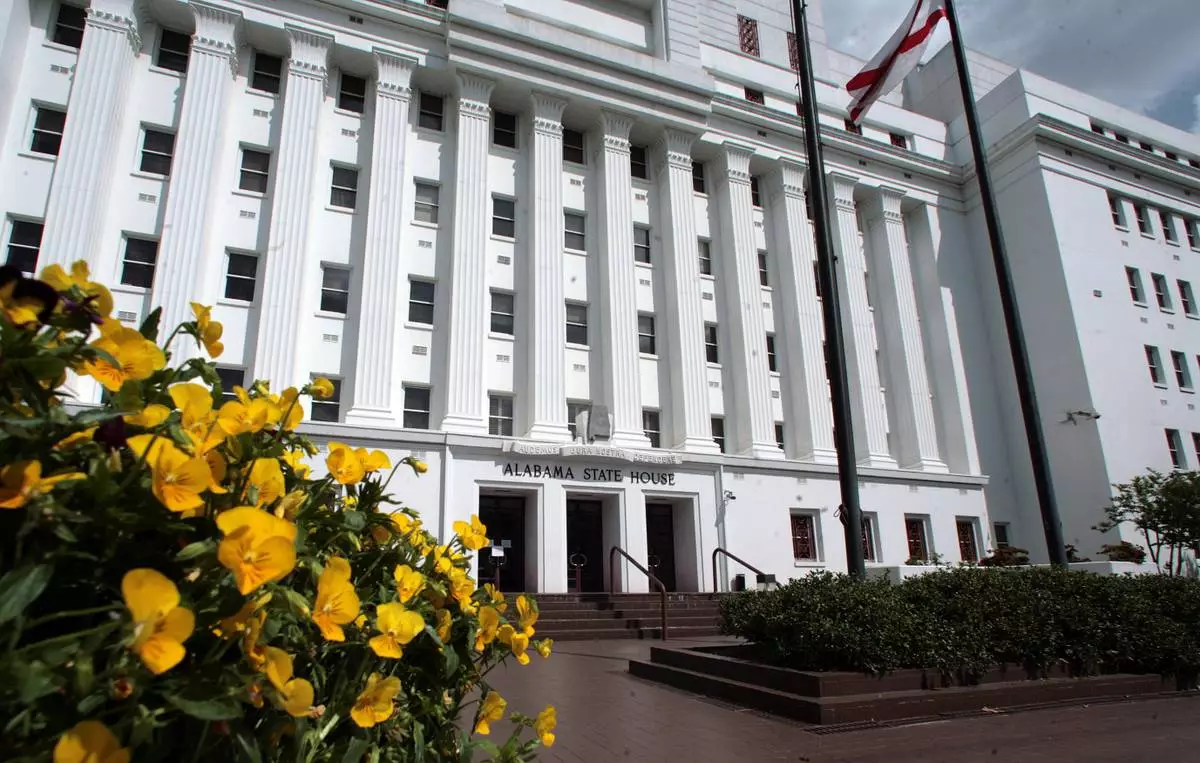
FILE - Pansies bloom in front of the Alabama Statehouse in Montgomery, Ala., April 11, 2008. (AP Photo/Dave Martin, File)
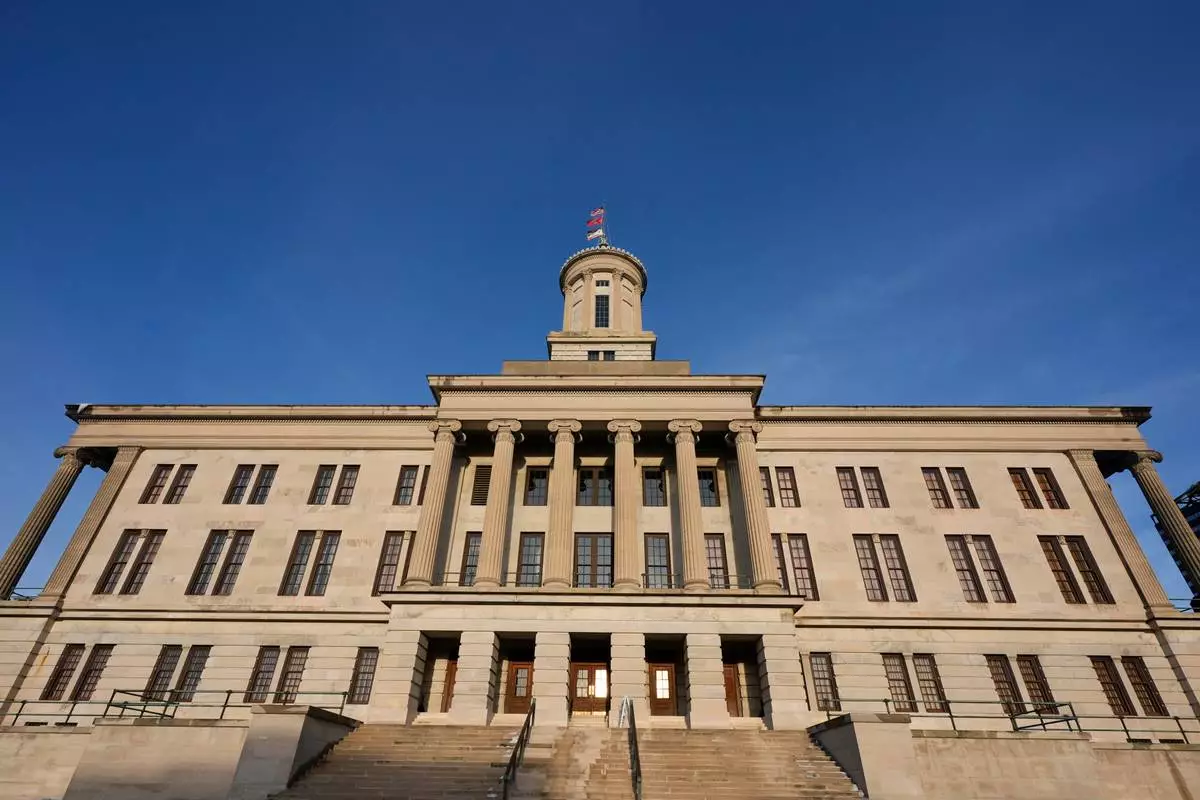
FILE - The Tennessee Capitol is seen, Jan. 22, 2024, in Nashville, Tenn. (AP Photo/George Walker IV, File)