
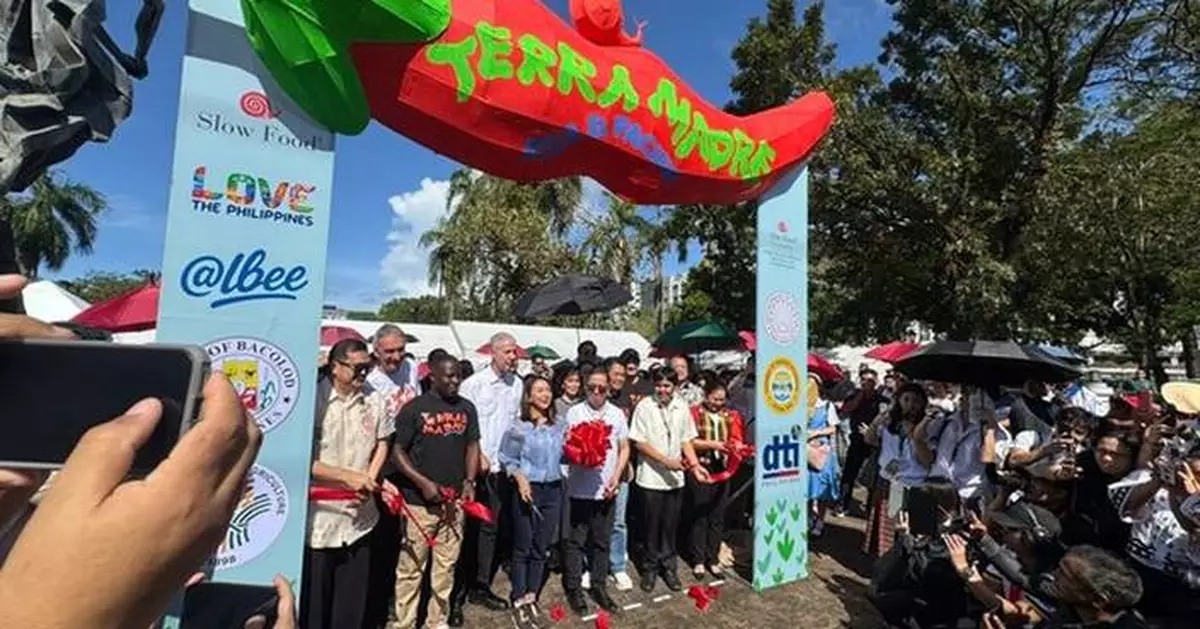
BACOLOD CITY, Philippines, Nov. 24, 2025 /PRNewswire/ -- Terra Madre Asia & Pacific 2025 marked a historic milestone for the Slow Food movement, demonstrating the power of community-led initiatives and the political impact of grassroots food advocacy. Bringing together more than 2,000 delegates from across Asia and the Pacific, the event celebrated the region's food heritage while reinforcing the urgent need for sustainable, regenerative, and culturally rooted food systems.
"This first edition has been overwhelming," said Reena Gamboa, Executive Director of Terra Madre Asia & Pacific. "These five days have shown us the richness of natural resources in the region. Farmers, cooks, and food producers have formed new alliances and realized their potential to advocate for a shift towards good, clean, and fair food. Terra Madre Asia & Pacific has given us a voice to promote our food biodiversity and culinary heritage, and it has inspired the entire Slow Food network to drive change toward the next edition."
"As we close this extraordinary gathering, I want to highlight how the Philippines stand as a remarkable example of diversity, sustainability, and quality. This is why they will remain at the heart of our movement's development in this part of the world. Now we are already looking forward with great enthusiasm to the second edition of Terra Madre Asia & Pacific in 2027," added Paolo Di Croce, Director General of Slow Food.
The event reinforced Slow Food's decentralized approach, highlighting a politically conscious, culturally rich movement rooted in gastronomy, Indigenous wisdom, and biodiversity. Delegates celebrated the first step toward establishing Bacolod in Negros Occidental as the first international Slow Food Hub in Asia and the Pacific, strengthening the movement's regional identity and promoting alternatives to industrial food systems, in continuity with the global Slow Food vision.
"This comes at a moment when we urgently need to take concrete action against the climate crisis: action that goes beyond negotiations and high-level talks. Lasting climate solutions grow from the ground up," emphasized Slow Food President Edward Mukiibi. "They are rooted in biodiversity, Indigenous knowledge, and strong local food systems that put communities, not corporations, at the center. The solutions we need already exist within our communities and within Slow Food farms: agroecology strengthens resilience today while mitigating emissions for the future. The final commitment of Terra Madre is therefore to amplify agroecological practices, defend biodiversity, and reject industrial, unsustainable models of agriculture."
Looking at the island which hosted the first edition of the event, Negros emerged as a highlight, celebrated for its inseparable combination of biodiversity, heritage, and community. The first Slow Food Travel destination launched here in the Philippines will offer visitors the chance to experience authentic local flavors while engaging directly with the people who preserve them.
Program Highlights
The Education Program featured 18 hands-on workshops led by farmers, cooks, and Indigenous knowledge keepers, exploring soy, spices, rice, and taro. Children, youth, and families walking through the Foodways Area learned to cook taro, grind spices, craft miso, prepare bamboo-cooked dishes, and create indigenous rice snacks. More than 15 local schools brought students to participate.
Taste Workshops were sold out, while conferences and public talks drew strong engagement, with lively discussions on food and health, seed preservation, traditional crops, sustainable development, and food policies. Areas such as the Slow Food Coffee Coalition, Slow Drinks, and Terra Madre Kitchen offered spaces for learning, exchange, and networking with producers, cooks, and bartenders.
High resolution images can be downloaded here.
About Terra Madre Asia & Pacific
Part of the global Slow Food movement, Terra Madre Asia & Pacific is a space where communities, ingredients, and ideas converge to shape the future of food. In Bacolod, it unites more than 2000 delegates from across the region to exchange knowledge and strengthen networks for a fairer, more resilient food system. TMAP 2025 is made possible through collaboration between Slow Food, the City Government of Bacolod led by Mayor Greg Gasataya, the Provincial Government of Negros Occidental led by Governor Eugenio Lacson, the Department of Tourism led by Secretary Christina Garcia Frasco, the Department of Agriculture led by Secretary Francisco Tiu Laurel Jr., the Department of Trade and Industry led by Secretary Cristina Roque, TESDA Director General Kiko Benitez, Congressman Albee Benitez, Congressman Javi Benitez, and Senator Loren Legarda. Partners include the International Fund for Agricultural Development (IFAD), Meatless Monday, Plus63 Design Co., FEATR, and the Slow Food Community in Negros.
The event also introduces a distinct visual identity inspired by archipelagic landscapes and handcrafted clay forms, reflecting resilience, biodiversity, and cultural interconnectedness designed and created by illustrator Dan Matutina.
Media contacts:
FINN Partners Greater China
Allison Tong, Director
Allison.tong@finnpartners.com
Stephanie Sin, Account Manager
Stephanie.sin@finnpartners.com
** The press release content is from PR Newswire. Bastille Post is not involved in its creation. **
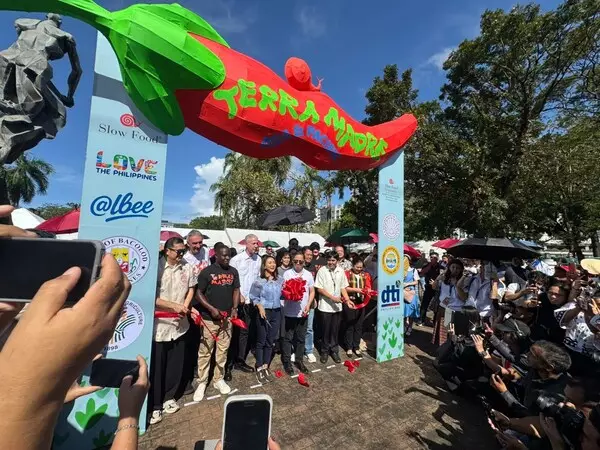
Terra Madre Asia & Pacific 2025 strengthens communities and advocates for sustainable food systems