BELEM, Brazil (AP) — After an agreement from U.N. climate talks in the Amazon that fell short of many nations' expectations, experts found some bright spots alongside weighty reasons for worry in the fight against global warming.
The Associated Press asked 17 experts — diplomats, analysts, advocates and scientists — the simple question: After the talks, known as COP30, in the city of Belem, what's next?
Click to Gallery
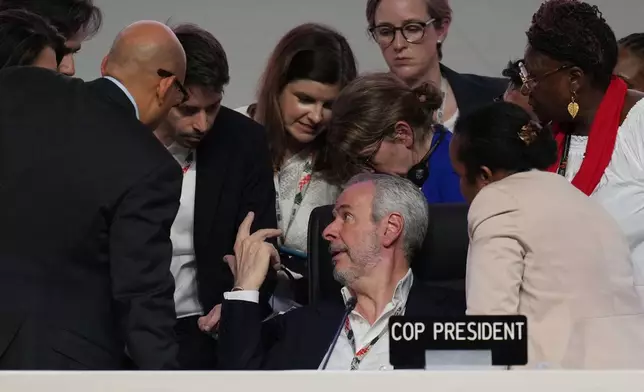
André Corrêa do Lago, COP30 president, center, and Simon Stiell, United Nations climate chief, front left, speak with staff during a plenary session at the COP30 U.N. Climate Summit, Saturday, Nov. 22, 2025, in Belem, Brazil. (AP Photo/Andre Penner)

Trees surround the area of a quilombola, an Afro-descendant community called Menino Jesus in Acara, Brazil, Tuesday, Nov. 18, 2025. (AP Photo/Fernando Llano)
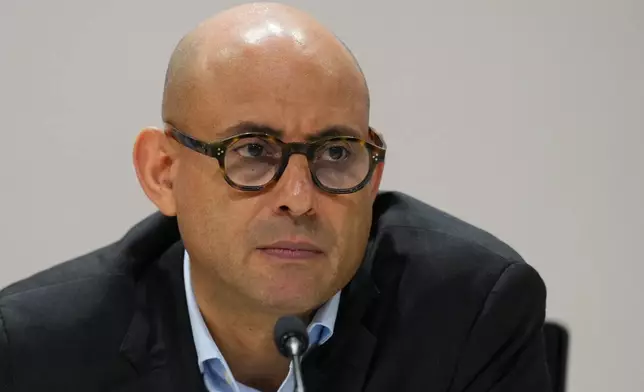
Simon Stiell, United Nations climate chief, speaks during a news conference at the COP30 U.N. Climate Summit, Saturday, Nov. 22, 2025, in Belem, Brazil. (AP Photo/Andre Penner)
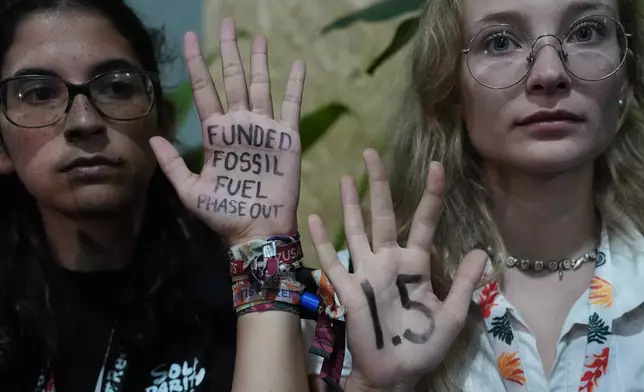
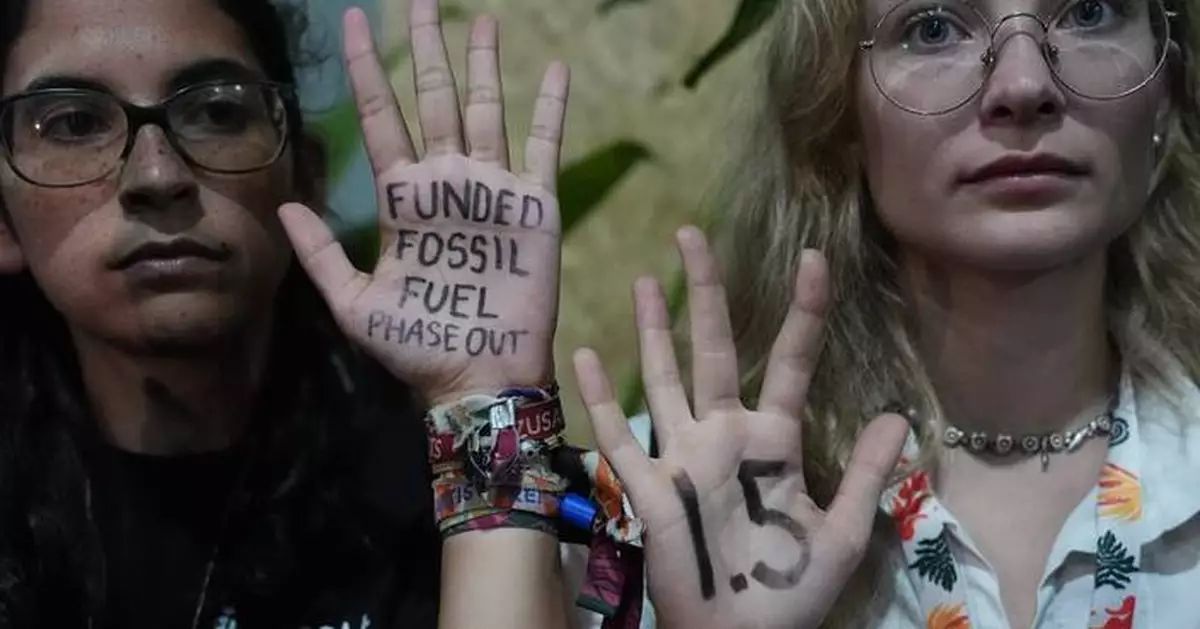
Activists participate in a demonstration outside where negotiations are taking place at the COP30 U.N. Climate Summit, Friday, Nov. 21, 2025, in Belem, Brazil. (AP Photo/Joshua A. Bickel)
“We leave here with a clear signal, very very clear signal, that we have entered the era of implementation," said U.N. Climate Executive Secretary Simon Stiell. "As we move forward, it’s about doing. It's about rolling sleeves up.”
Others look at the key failure of not delivering a road map to phase out coal, oil and gas — the main causes of warming. The road map had the public support of Brazil's president and more than 80 nations, but powerful opponents.
“This should have been the moment. A COP in the Amazon, a president calling for a fossil fuel transition road map, the science screaming for action. But the world blinked again,'' Panama climate negotiator Juan Carlos Monterrey Gómez said. ”The next year will be harder on communities and ecosystems. Impacts will intensify, because emissions are not slowing down."
Stiell pointed to seven different paragraphs in the agreements from Belem that could spur action for reduced greenhouse gas emissions and fewer fossil fuels. The COP presidency highlighted 117 “action agenda” items mostly for business to put pledges into real-life action.
That agenda includes a promise of $1 trillion for improving energy grids and infrastructure; ramping up the production of biofuels; industrial decarbonization plans in developing countries; $5.5 billion toward a fund to pay countries to keep their forests standing; and other pledges of funding, including from the private sector, for projects in areas like farming and adaptation. Among the most ambitious actions is a push to raise $1 trillion for renewable electrical grids and energy storage.
One specific action that Stiell and several others emphasized was a new “global implementation accelerator," a voluntary and cooperative system designed to help nations that want to do more than they've previously proposed in their climate fighting plans. The emphasis is on getting money to where it's needed.
“If the ‘ambition accelerator’ can help to do this, it will make a massive difference to the global warming outlook,” said Bill Hare, CEO of the climate science and policy institute Climate Analytics.
Because they couldn't get a consensus at the talks in Belem, the COP30 presidency promised to create two new “road maps," one to guide the transition away from fossil fuels and another to stop deforestation. But those road maps won't have the force of something agreed upon in UN talks.
COP30 President André Corrêa do Lago said his office will study both areas extensively and use science and economics to come up with those plans. He said they would be tailored to different countries' needs.
Do Lago also promised that his office will join with Colombia and the Netherlands to organize a special fossil fuel phaseout conference scheduled next April.
“If they come with real timelines, accountability and finance, they have the potential to shape global action and hold governments to their word,” said Mariana Paoli of the anti-poverty group Christian Aid. “They don’t have power on their own, but they can create the structure around which real change is built.”
COPs need consensus, which often means the weakest deals because they have to please everyone, experts said.
"In future negotiations, it will be essential to control the petrostates," New Climate Institute founder Niklas Hohne said. "They have understood that this process can be dangerous for them and they put even more effort than ever into blocking any progress.”
“The outcome of COP30 reminds us once again that action dependent on global consensus will never be enough to tackle the climate crisis at scale,” said Katharine Hayhoe, chief scientist at The Nature Conservancy.
Yet Paoli said these conferences are not powerless. She said they are "slow and imperfect, yet they have still moved the world forward — sometimes in unexpected ways.''
“Over the next year, we are likely to see continued escalation of climate impacts alongside gradual progress on climate action,” said Mohamed Adow, director of PowerShift Africa. “Renewable energy expansion will continue, but so will new fossil fuel investments in many parts of the world.”
Johan Rockstrom, director of the Potsdam Institute for Climate Research, said all forms of extreme weather and climate events will increase, hitting the most vulnerable people hardest and threatening the survival of coral reefs and the very Amazon that hosted the talks.
“These are unacceptable outcomes of a solvable problem,” Rockstrom said.
With the United States' federal government withdrawing from climate action under President Donald Trump, states, cities and businesses are cutting emissions in a way that will allow the U.S. to reach its climate goal, said former U.S. climate envoy Trigg Talley, now a representative of America's All In.
“The COPs are only one part of a wide tapestry for action on climate change,” said World Resources Institute's International Climate Director David Waskow. “We need to pull all the levers at our disposal to limit global warming."
“The giant boulder of climate action is already rolling down the hill in the right direction,” Hayhoe said. “It already has millions of hands on it. And as each of us adds our hand too, it goes a little faster.”
The Associated Press’ climate and environmental coverage receives financial support from multiple private foundations. AP is solely responsible for all content. Find AP’s standards for working with philanthropies, a list of supporters and funded coverage areas at AP.org.
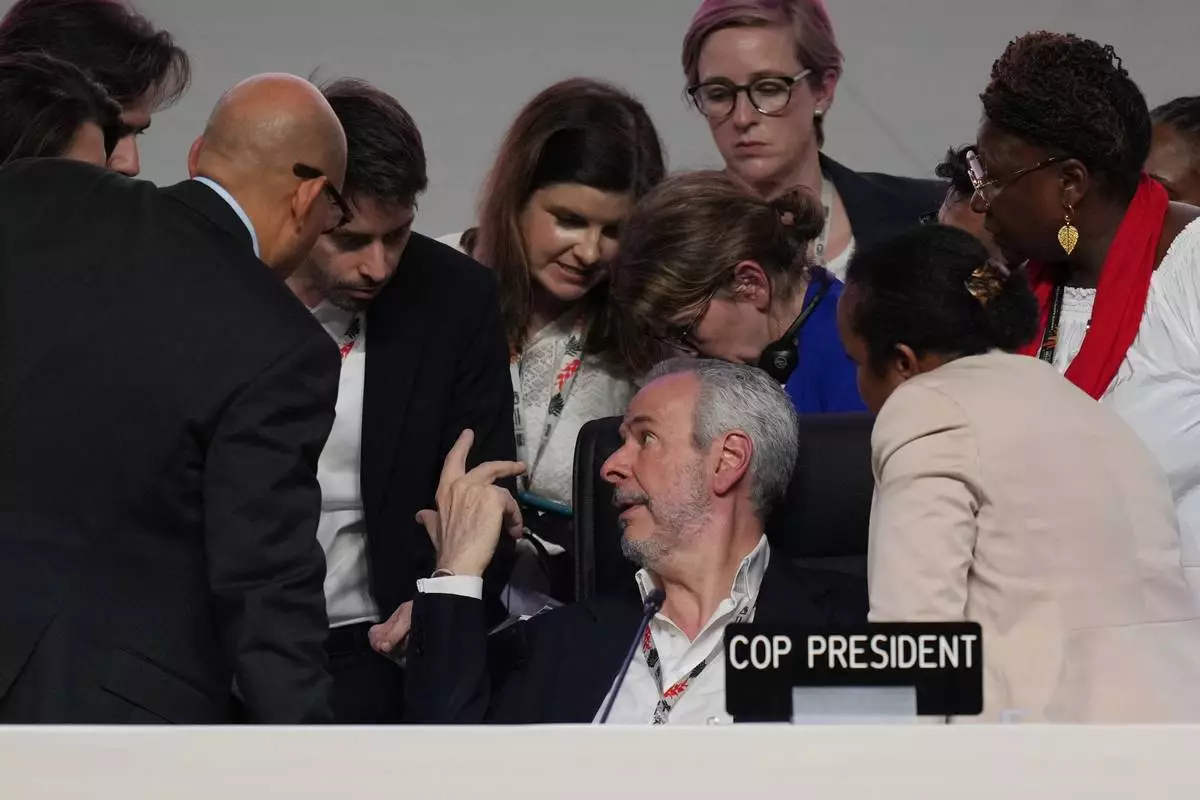
André Corrêa do Lago, COP30 president, center, and Simon Stiell, United Nations climate chief, front left, speak with staff during a plenary session at the COP30 U.N. Climate Summit, Saturday, Nov. 22, 2025, in Belem, Brazil. (AP Photo/Andre Penner)

Trees surround the area of a quilombola, an Afro-descendant community called Menino Jesus in Acara, Brazil, Tuesday, Nov. 18, 2025. (AP Photo/Fernando Llano)
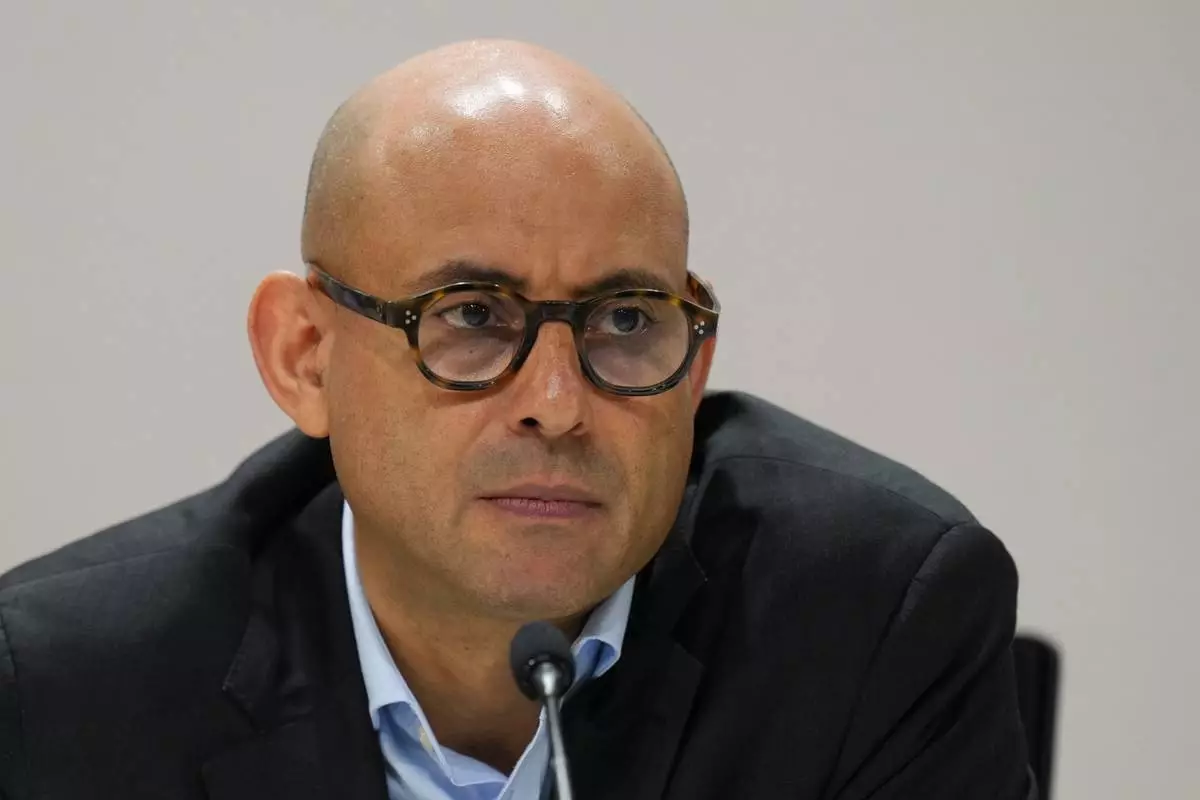
Simon Stiell, United Nations climate chief, speaks during a news conference at the COP30 U.N. Climate Summit, Saturday, Nov. 22, 2025, in Belem, Brazil. (AP Photo/Andre Penner)
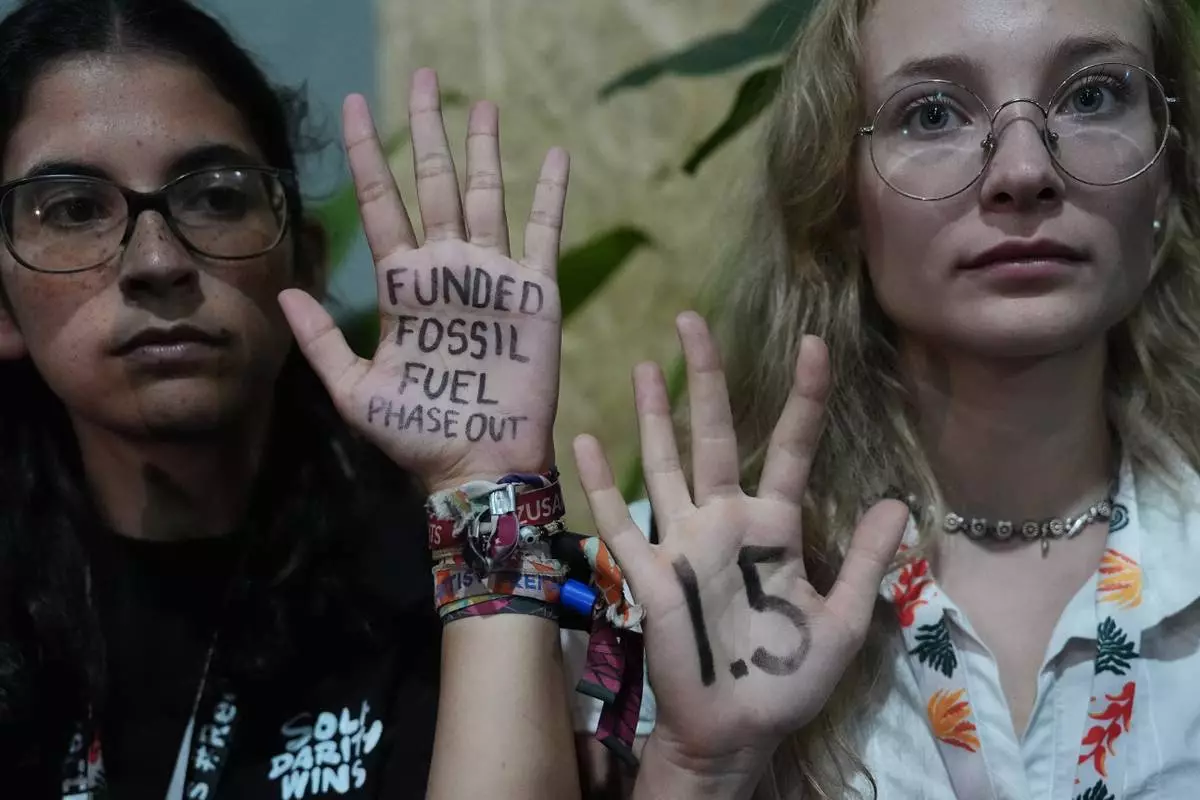
Activists participate in a demonstration outside where negotiations are taking place at the COP30 U.N. Climate Summit, Friday, Nov. 21, 2025, in Belem, Brazil. (AP Photo/Joshua A. Bickel)