One year after a ceasefire agreement between Lebanon and Israel took effect, Israeli airstrikes have not ceased in parts of southern Lebanon, leaving residents in cities like Saida facing persistent danger and economic hardship.
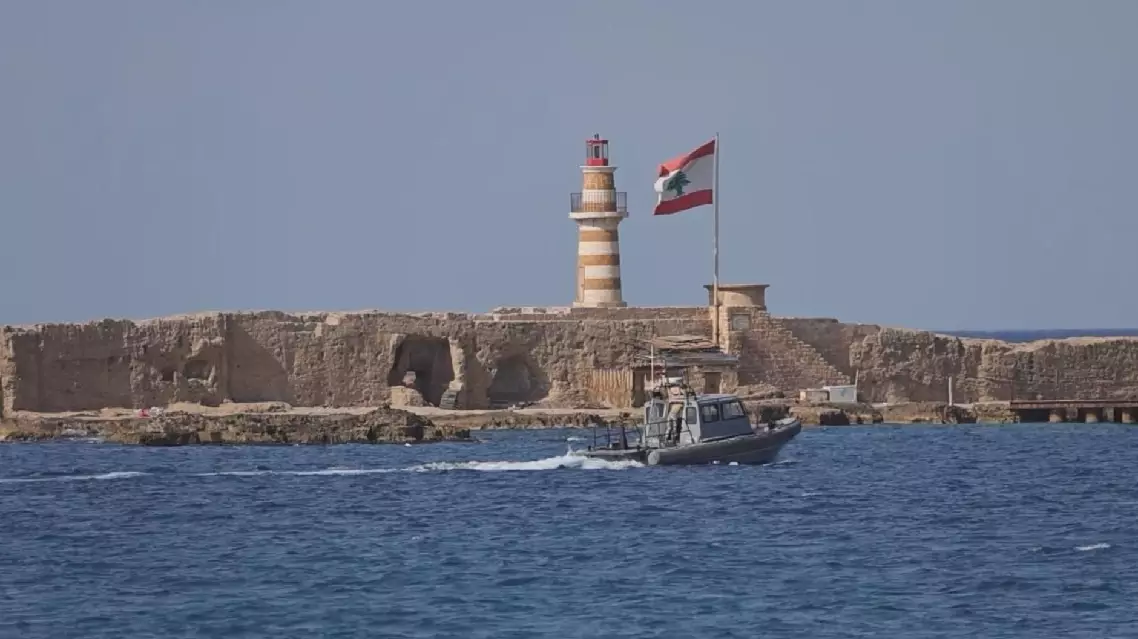
Also known by its ancient name, Sidon, Saida is a historic Phoenician city located over 40 kilometers south of Beirut. Once a lively tourist destination along the Mediterranean coast, its beaches and historic sites now lie largely deserted due to ongoing aerial attacks.
Meanwhile, the Israeli military's deployment of sonar bombs into the sea not only threatens the lives of fishermen who rely on the ocean for their livelihood, but has also severely damaged local fishery production.
"I'm a spearfishing enthusiast and a recreational diver. During the conflict, there was an incident where young men were bombed by Israeli forces. They were just out fishing at the time," said Mohammad Hammad, a Saida resident.
Due to the ongoing threat of Israeli bombings and the deteriorating security situation, tourists are unable to visit Saida. As a result, local fish markets and restaurants, which rely heavily on tourism, are experiencing a significant decline in business.
Mohamad Honeineh, manager of a local seafood shop, said that many fishermen in the area have no other source of income besides fishing. Although a ceasefire has been in place for a year, Israeli soldiers still frequently disrupt fishing activities.
"Initially, the Israeli military prevented local fishermen from going out to sea. Watchtowers were erected. Those who dared to venture into the water risked being shot or drowning. Strict restrictions were imposed on fishing. Fear spread among the community, forcing fishermen to remain at home. For many, fishing was their sole means of livelihood and now, that livelihood has been taken from them," said the manager.
The Israeli military's blockade on local fishermen, combined with the pollution caused by sonar bombs in the surrounding waters, is taking a serious toll on the fishing industry in Saida. Fish stocks have noticeably declined.
"Israel's destruction has affected everything, including restaurants and the tourism industry. Because of the airstrikes and sonic booms, especially those hitting Saida, every part of life here has been disrupted," said Mohamad Honeineh.
Israeli strikes cripple south Lebanon's fishing, tourism industries
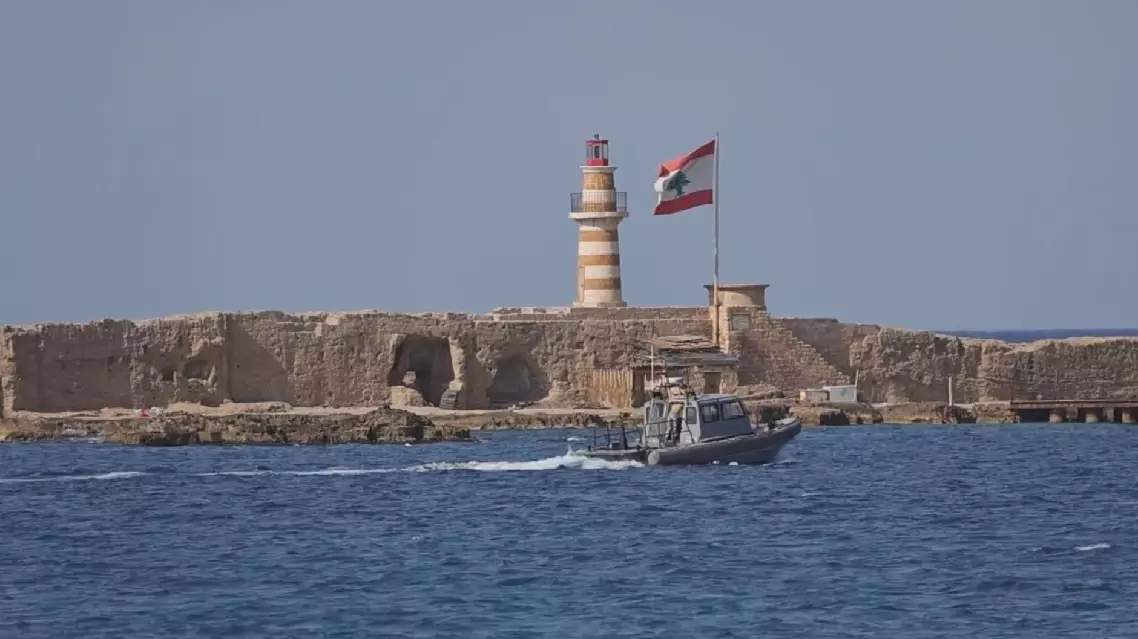
Israeli strikes cripple south Lebanon's fishing, tourism industries
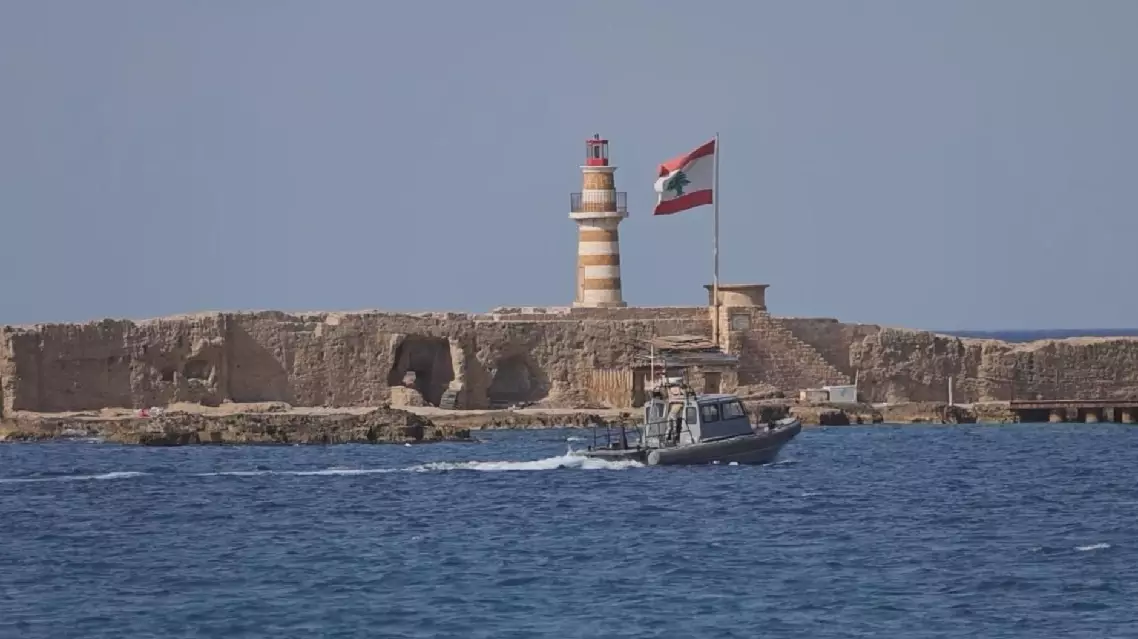
Israeli strikes cripple south Lebanon's fishing, tourism industries