Additional temporary shelter opened
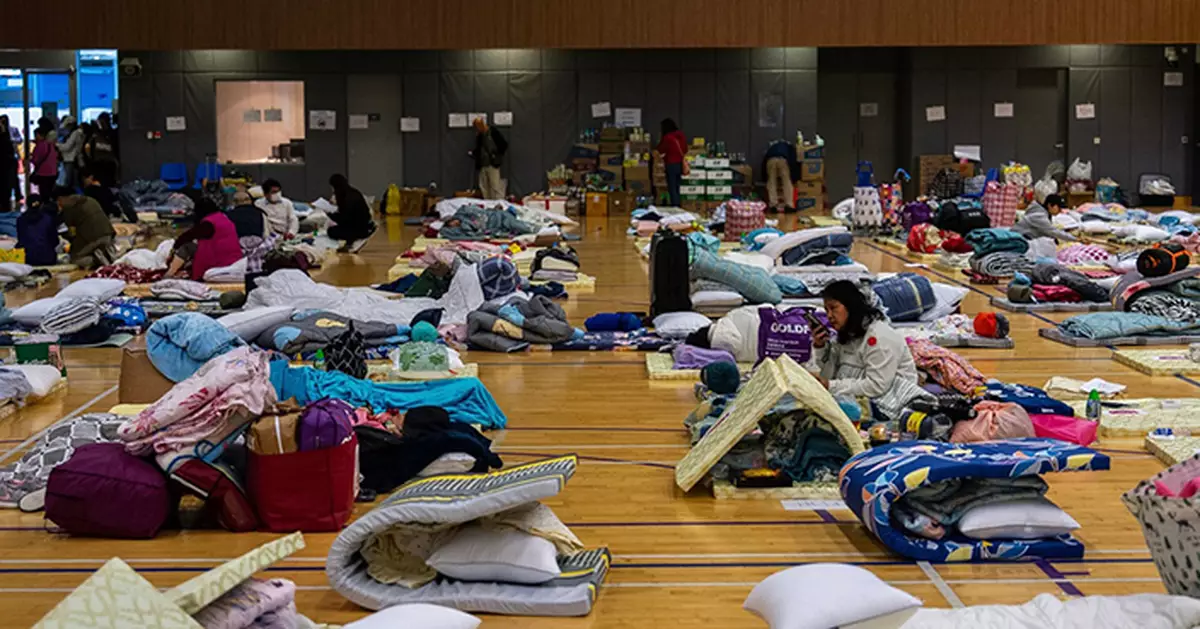
Due to the fire incident at Wang Fuk Court, Tai Po, the Tai Po District Office (TPDO) today (November 27) has opened the following additional temporary shelter for people in need:
Name
Address
Hong Kong Children and Youth Services Jockey Club Tai Po Integrated Children & Youth Services Centre
Unit 220-229, Kwong Yan House, Kwong Fuk Estate, Tai Po
The TPDO has opened the following temporary shelters since yesterday (November 26):
Name
Address
Tai Wo Neighbourhood Community Centre
Tai Wo Estate, Tai Po
Tung Cheong Street Sports Centre
25 Tung Cheong Street, Tai Po
Hong Kong PHAB Association - New Territories PHAB Centre
Unit 110-115, G/F, Kwong Ping House, Kwong Fuk Estate, Tai Po
Tai Po Community Centre
Heung Sze Wui Street, Tai Po
Fu Shin Community Hall
12 On Po Road, Tai Po
"Good House" (The Society of Rehabilitation and Crime Prevention)
168 Shuen Wan Chan Uk, Tai Po
CCC Fung Leung Kit Memorial Secondary School
22 Plover Cove Road, Tai Po
Tung Cheong Street Community Hall
1/F, Tai Po Tung Cheong Street Leisure Building, 25 Tung Cheong Street, Tai Po
Kwong Fuk Community Hall#
Kwong Fuk Estate, Tai Po
#Due to police operations, the temporary shelter previously opened at Kwong Fuk Community Hall had been closed.
At present, more than 500 residents are staying at the nine temporary shelters.
The locations and hotlines of interdepartmental help desks are as follows:
Location
Hotline
Alice Ho Miu Ling Nethersole Hospital
2689 2926/2658 4040
Prince of Wales Hospital
3505 1555
North District Hospital
2683 7567
Hong Kong Customs seizes suspected heroin worth about $1.1 million at airport
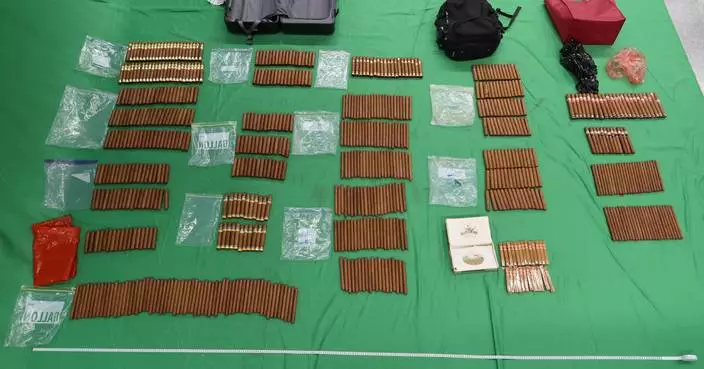
Hong Kong Customs today (May 25) detected a drug trafficking case at Hong Kong International Airport. About 1.9 kilograms of suspected heroin, with an estimated market value of about $1.1 million, and one duty-not-paid cigarette were seized.
A 46-year-old male passenger arrived in Hong Kong from Kuala Lumpur, Malaysia today. During customs clearance, Customs officer found the batch of suspected heroin concealed in a wooden box, and the duty-not-paid cigarette in his carry-on baggage. The man was subsequently arrested.
The arrested person has been charged with one count of trafficking in a dangerous drug, one count of possession of dutiable goods and one count of failing to declare to a member of the Customs and Excise Service the possession of dutiable goods. The case will be brought up at the West Kowloon Magistrates' Court tomorrow (May 26).
Customs will continue to step up enforcement against drug trafficking activities through intelligence analysis. The department also reminds members of the public to stay alert and not participate in drug trafficking activities for monetary return. They must not accept hiring or delegation from another party to carry controlled items into and out of Hong Kong. They are also reminded not to carry unknown items for other people.
Customs will continue to apply a risk assessment approach and focus on selecting passengers from high-risk regions for clearance to combat transnational drug trafficking activities.
Under the Dangerous Drugs Ordinance, trafficking in a dangerous drug is a serious offence. The maximum penalty upon conviction is a fine of $5 million and life imprisonment.
Under the Dutiable Commodities Ordinance, cigarettes are dutiable goods to which the DCO applies. Any person who imports, deals with, possesses, sells or buys illicit cigarettes commits an offence. The maximum penalty upon conviction is a fine of $2 million and imprisonment for seven years.
Members of the public may report any suspected drug trafficking activities to Customs' 24-hour hotline 182 8080 or its dedicated crime-reporting email account (crimereport@customs.gov.hk) or online form (eform.cefs.gov.hk/form/ced002).

Hong Kong Customs seizes suspected heroin worth about $1.1 million at airport Source: HKSAR Government Press Releases

Hong Kong Customs seizes suspected heroin worth about $1.1 million at airport Source: HKSAR Government Press Releases