Iran is edging towards a potential civil aviation crisis as an increasing number of outdated passenger aircraft are being grounded across the country out of safety concerns.
The average age of aircraft in Iran's domestic fleet is nearly three decades old, well above the global norm, and with a significant number of planes being far older than this, there is a growing sense of unease across the industry.
As technology in the sky hasn't kept pace with the ambitions of the nation below, stark new figures reveal the scale of the issue, with up to 150 planes grounded.
International sanctions are seen as the main reason hampering Iran's aviation sector, blocking the purchase of new planes, choking off the supply of certified spare parts, and forcing airlines to buy through intermediaries at inflated prices.
"Sanctions are the main reason for this crisis because the possibility for airlines to purchase directly from aircraft manufacturing companies does not exist," said Alireza Manzari, the former deputy head of Iran's Civil Aviation Authority.
The soaring costs brought by sanctions, which has included a startling 2,000-percent increase in fuel, is being passed directly to passengers, who are now becoming more alarmed by the state of the country's commercial air fleet.
"The quality is very sub-par and the airplanes that are being used by various airlines are old and outdated. I'm not even sure if the maintenance is being done correctly," said Yoones, a Tehran local.
"We have a limited number of planes as we can't buy new planes. I wanted to fly to Shiraz a while ago. I went to the airport with my ticket and learned the flight had been canceled," said Hassan, another resident in the capital.
Despite the pressure, the Iranian government insists safety is non-negotiable as officials point to a dedicated workforce who are performing minor maintenance miracles in order to keep the remaining craft in the skies.
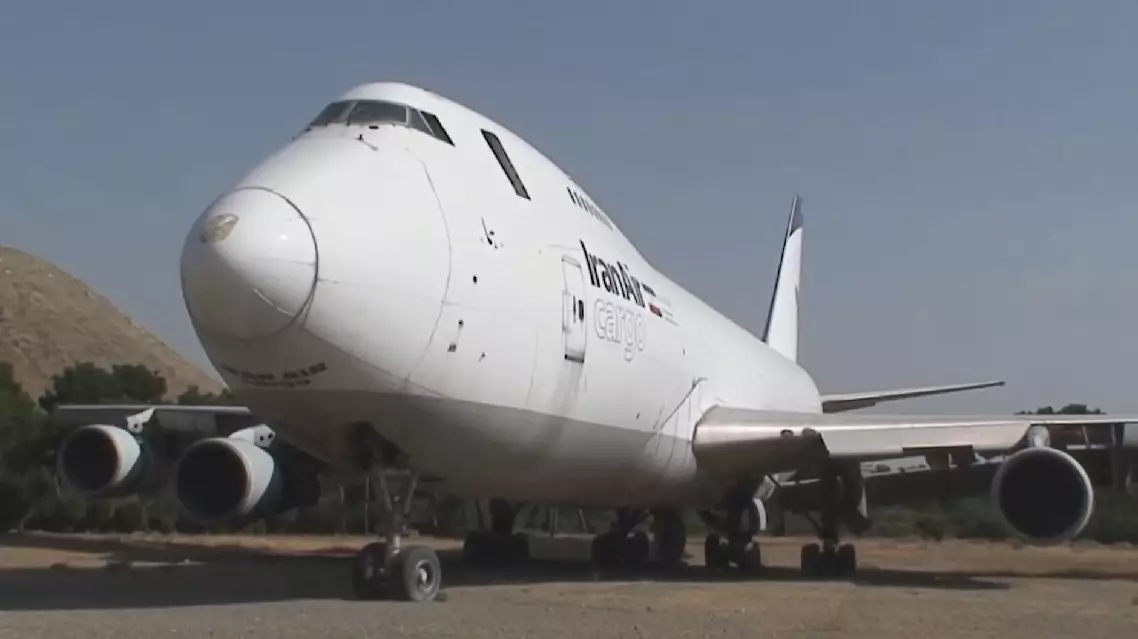
Iran's passenger jet fleet increasingly grounded due to age, maintenance issues
Canada is gearing up for its role as one of the co-host countries of the 2026 FIFA World Cup, but local residents in Vancouver have mixed feelings about the event, with many voicing concerns over costs, crowds, and whether the city has the necessary infrastructure in place to cope with the global football spectacle.
The tournament kicks off on Thursday and will run through July 19. It is set for its biggest ever edition, with a record number of 48 teams participating and games taking place across three countries for the first time.
Canada is one of the co-hosts alongside the U.S. and Mexico, with seven matches set to be staged in Vancouver. The city, which previously hosted the 2010 Winter Olympics, has once again entered "major event mode."
The iconic BC Place stadium will be the venue for the upcoming matches and is now surrounded by World Cup decorations, while the nearby Science World, another distinctive city landmark, has been transformed into a giant replica of the official World Cup match ball.
Despite the festive atmosphere around the city, local residents are grappling with a mix of excitement and unease about the challenges ahead.
"Generally speaking, I think Vancouverites welcome the excitement of the games and of FIFA. But some people are worried about the typical things of big events. Big events bring lots of noise and crowds and commotion," said a local resident.
Financial concerns are also at the forefront of public debate, with some questioning the extortionate costs associated with running the event and also drawing attention to the steep prices of match-day tickets.
"But there's a lot of cost. Who's really going to benefit? I mean, the [expensive] ticket prices. I mean, who's gonna go?" another resident said.
Infrastructure readiness remains another point of contention, with doubts over whether Vancouver can handle the massive influx of visitors.
"I don't know about the infrastructure we have here. I'm a little bit worried about that and [about the] transportation and what the city is going to look like," said another resident.
Behind the scenes, the financial commitment to hosting the tournament has grown significantly. According to the latest financial updates from the provincial government in British Columbia, the total budget for World Cup preparations has risen to 729 million Canadian dollars due to security and infrastructure upgrades. This averages out to more than 100 million Canadian dollars per match.
Despite the heavy investment and potential short-term disruptions, local government and tourism officials remain confident that the long-term returns will be substantial long after the last ball is kicked.
Maya Lange, vice president of global marketing at Destination British Columbia, highlighted the projected economic windfall for the region.
"Just for British Columbia and Vancouver alone, we are projecting a billion [dollars] in incremental revenue from hosting the World Cup for tourism, for the five years following these games," she said.
The first match at the BC Place lands on Sunday as Australia plays Türkiye, but all eyes will be on the Vancouver venue later this month when home favorite Canada takes on Qatar and then Switzerland in its final two group stage fixtures at the stadium.
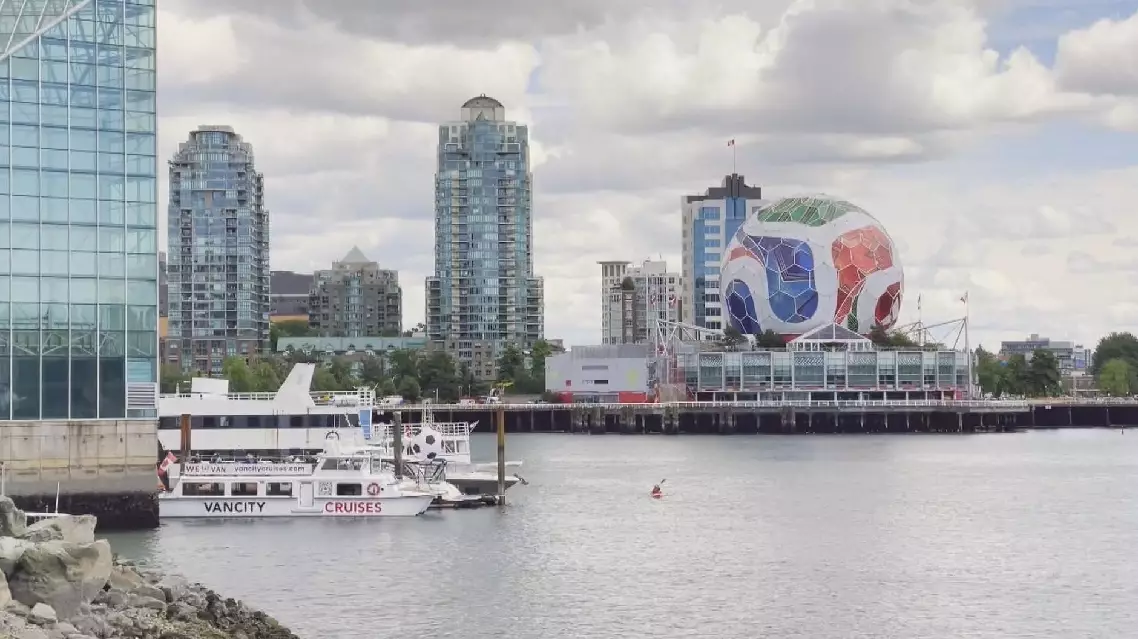
Vancouver readies for World Cup kick-off amid mixed public sentiment, soaring costs