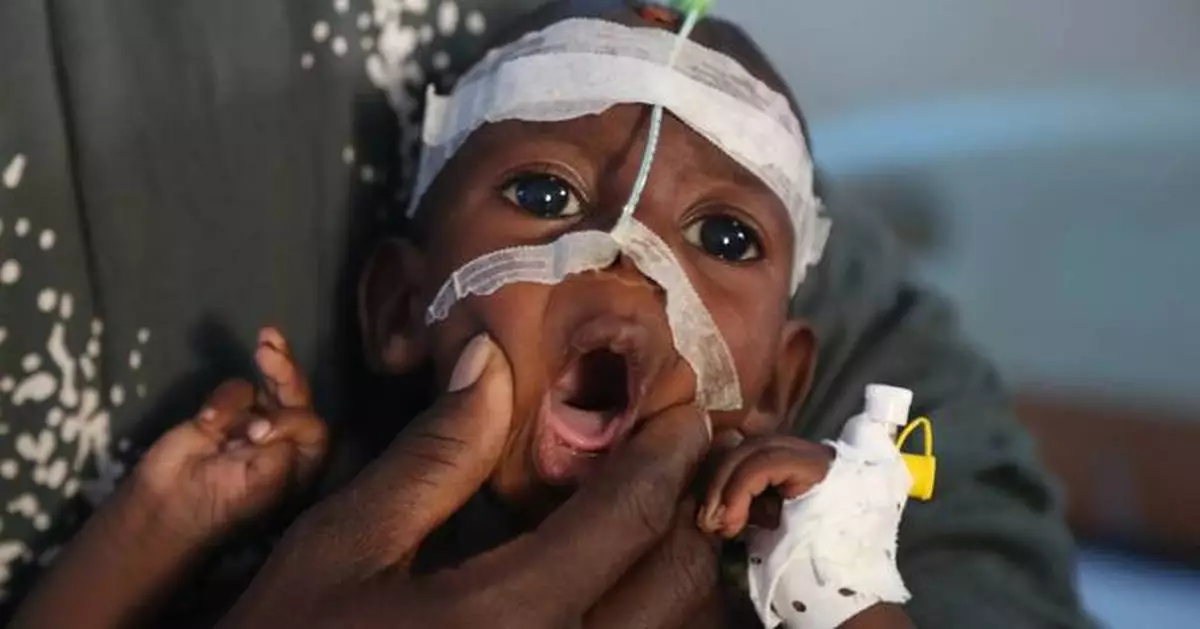
MOGADISHU, Somalia (AP) — To save the life of his badly malnourished 3-year-old son, farmer Yusuf Bulle had to travel from a remote area of southern Somalia to the capital, Mogadishu, where a rare health unit presented the only hope.
After 15 days at Banadir Hospital, the child was deemed out of danger.
Click to Gallery
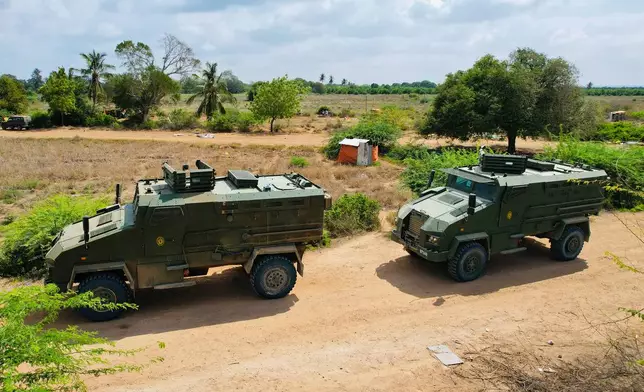
Armored personnel carriers (APCs) belonging to the Somalia National Army move on a road in Sabiid Canole, Somalia, Tuesday, Nov. 11, 2025. (AP Photo/Jackson Njehia)
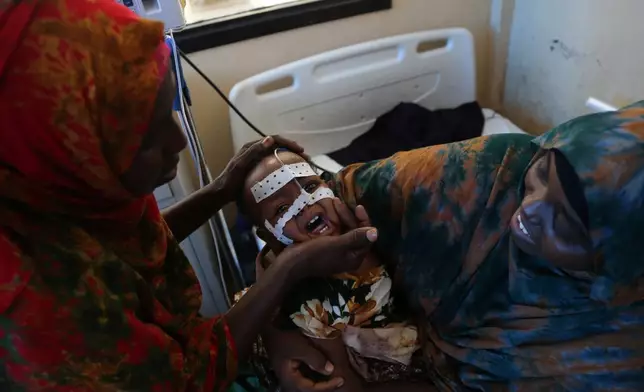
A mother sits with her malnourished baby at Banadir Hospital in Mogadishu, Somalia, Tuesday, Nov. 11, 2025. (AP Photo/Farah Abdi Warsameh)
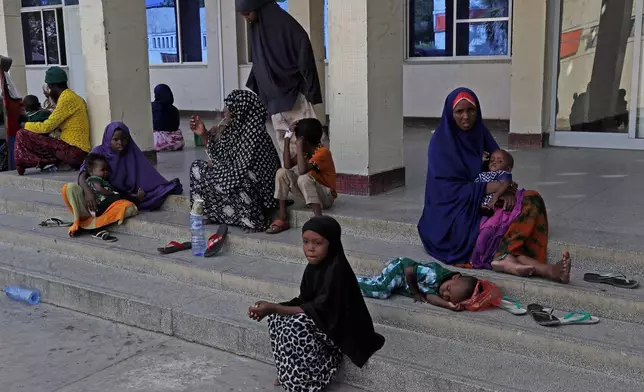
Patients sit at the entrance of Banadir Hospital in Mogadishu, Somalia, on Tuesday, Nov. 11, 2025. (AP Photo/Farah Abdi Warsameh)
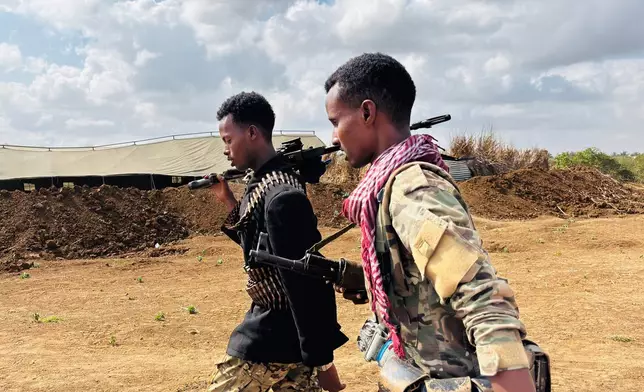
Somalia National Army (SNA) soldiers walk along the frontline in Sabiid, Canole, Somalia, Tuesday, Nov. 11, 2025. (AP Photo/Jackson Njehia)
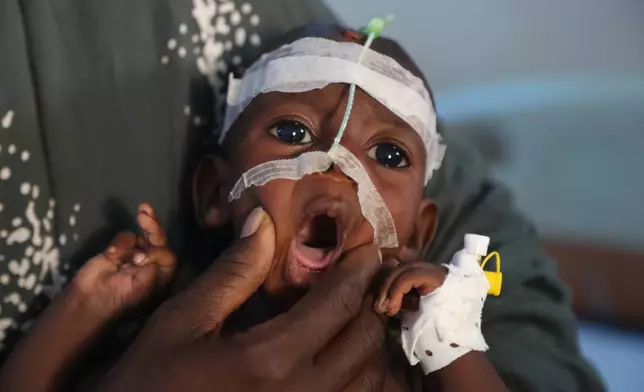
A mother sits with her malnourished baby at Banadir Hospital in Mogadishu, Somalia, Tuesday, Nov. 11, 2025. (AP Photo/Farah Abdi Warsameh)
“Where I come from, there is no hospital,” Bulle said. “That’s why I am here.”
One of the world’s poorest countries faces a crisis of health care exacerbated by the Trump administration's dismantling of the U.S. Agency for International Development this year. The loss of USAID funding has disheartened many Somalis who believe they can’t depend on their own government, which focuses mostly on defeating the al-Qaida-linked al-Shabab.
Somalia's deputy health minister, Mohamed Hassan Bulaale, told The Associated Press that the U.S. cuts led to over 6,000 health workers losing their jobs while up to 2,000 health facilities were affected — a massive hit in a country that the Center for Global Development this year said was among the world's most likely to suffer as donors draw back.
Bomb and gun attacks by the militants — including against health centers — have reduced in frequency and intensity in recent months, leading some to see success in President Hassan Sheikh Mohamud’s “total war” against al-Shabab.
But hospital administrators, civic leaders and others say the latest push to defeat al-Shabab has come at the expense of health care and other public services.
Somalia's Ministry of Health was allocated $91 million of a national budget exceeding $1 billion this year, with those funds tied mostly to projects backed by outside groups. That's a significant improvement from last year's $52 million, but almost all of that increase came from donors, said Mahad Wasuge, who runs the Somali Public Agenda think tank.
And as the United States has shown, donor money comes and goes.
Even with major setbacks in overall foreign support this year, including from other key benefactors such as Britain, “security remains the first priority” for Somali authorities, Wasuge told the AP.
Many areas outside Mogadishu don’t have functioning public hospitals, he said, with people forced to trek through often insecure areas to receive care at the ones still functional.
Such facilities in the capital include Banadir Hospital, built with Chinese support in 1977, and De Martino Hospital, established in 1922 by Italian colonialists.
During an AP visit, officials at those hospitals said much of their work would stop without assistance from the United Nations and international groups.
Even at Banadir, Mogadishu’s main public referral hospital, expectations of the Somali government aren’t high. The unit looking after malnourished children depends entirely on donor funds channeled through the humanitarian group Concern Worldwide, said supervisor Dr. Mohamed Haashi.
After 37 people employed in the unit lost their jobs with this year's U.S. aid cuts, Concern Worldwide still pays the salaries of 13 others in addition to milk and food for mothers and babies, Haashi said.
At De Martino Hospital, director Dr. Abdirahim Omar Amin said he worries what will happen when contracts with two other humanitarian groups expire at the end of 2025.
The hospital was looking after dozens of children suffering from diphtheria, an infectious disease of the throat preventable by vaccination but now spreading in rural areas. Parents are not taking their kids for routine vaccinations because they are afraid of militant attacks, Amin said.
In the medical lab, Amin pointed to the equipment and said everything was acquired with donor funds.
"Now it looks like donors are fatigued,” he said.
Most services at the hospital are provided free of charge, thanks largely to funding from the International Rescue Committee and Population Services International. Patients with conditions not deemed urgent are asked to cover some costs.
“The Ministry of Health is supposed to give support to this hospital because this hospital belongs to the Ministry of Health,” Amin said. “I hope, even if (the humanitarian groups) left, the Ministry of Health will replace their position.”
Bulaale, the deputy health minister, said the government is working with some partners in "developing a contingency plan” after the loss of USAID funding. He didn't elaborate.
In some ways, De Martino Hospital's history mirrors Somalia's scars. It once sheltered displaced people after the fall in 1991 of Siad Barre, a dictator whose removal triggered fighting by warlords from different clans. Many public facilities across Somalia were destroyed in years of civil war.
Somalia’s federal government, now based in a heavily fortified area near the airport in Mogadishu, struggles to assert itself despite support from African Union peacekeepers, U.S. airstrikes targeting al-Shabab and security consultants from nations jockeying for influence in a country with strategic access to the Indian Ocean and Gulf of Aden.
The countries include Turkey, which bankrolls a hospital with intensive care capabilities in Mogadishu.
“Even the limited number of public hospitals that started functioning properly lately are heavily dependent on donor money,” said Wasuge, the civic leader. “They don’t get direct government budget that allows them to provide better health care services.”
The Banadir and De Martino hospitals are where the most needy people are referred for care. De Martino, Mogadishu’s main referral hospital for COVID-19 patients during the pandemic, receives the “most vulnerable” wherever they come from, director Amin said.
Amina Abdulkadir Mohamed, a jobless woman who was at De Martino recently to give birth, said she went there because she knew she would not be asked for money.
“I was told there is free medication,” she added.
Mohamed Adam Dini, who represents Somalia's Puntland state in the national assembly, described the federal government’s priorities as “deficient” because of its overwhelming focus on ending “anarchy."
“A lot of diseases have been spreading” unchecked, Dini said, adding: ”There is no national health care plan, as we don’t have a national political plan.”
For more on Africa and development: https://apnews.com/hub/africa-pulse
The Associated Press receives financial support for global health and development coverage in Africa from the Gates Foundation. The AP is solely responsible for all content. Find AP’s standards for working with philanthropies, a list of supporters and funded coverage areas at AP.org.
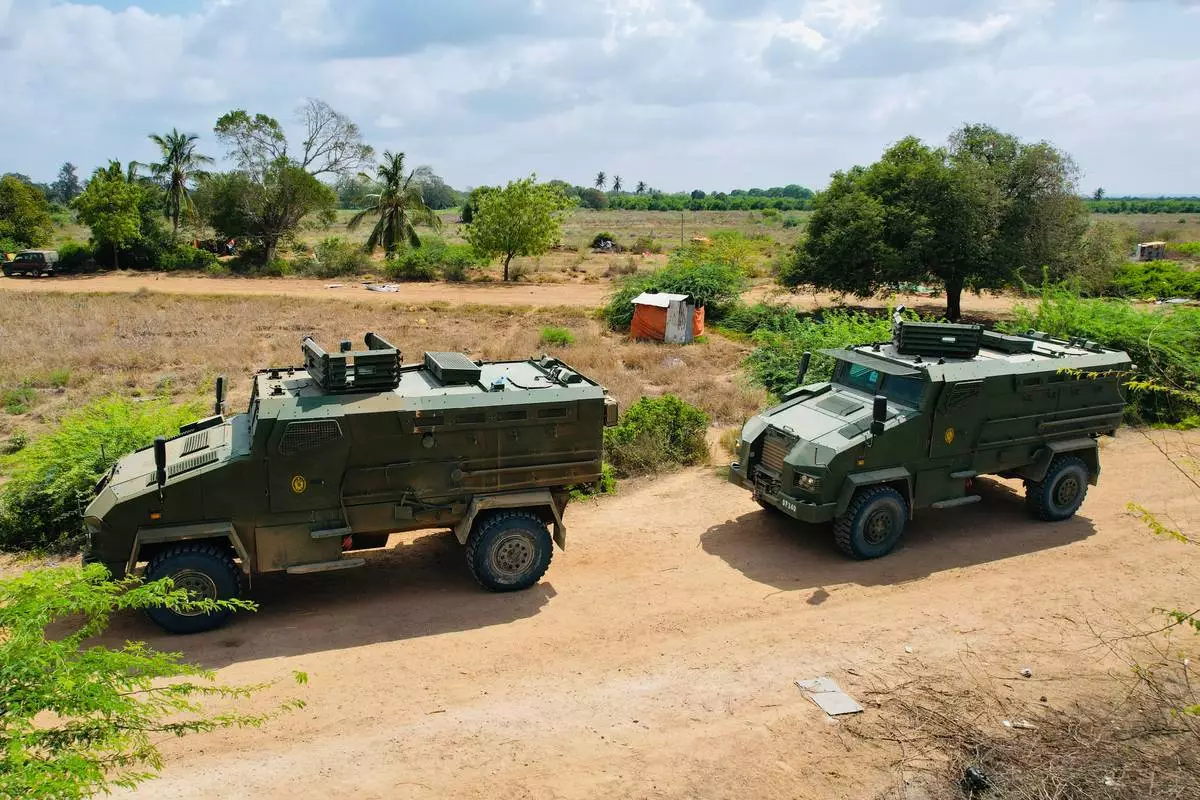
Armored personnel carriers (APCs) belonging to the Somalia National Army move on a road in Sabiid Canole, Somalia, Tuesday, Nov. 11, 2025. (AP Photo/Jackson Njehia)
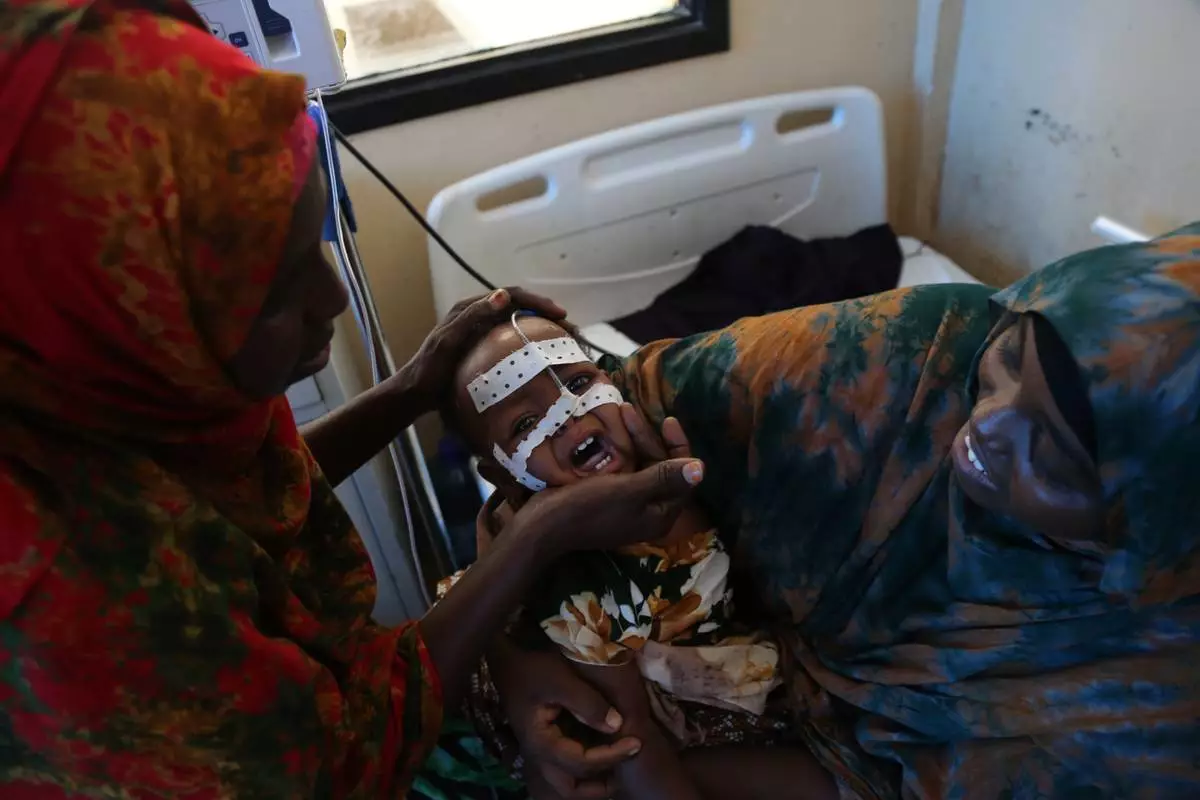
A mother sits with her malnourished baby at Banadir Hospital in Mogadishu, Somalia, Tuesday, Nov. 11, 2025. (AP Photo/Farah Abdi Warsameh)
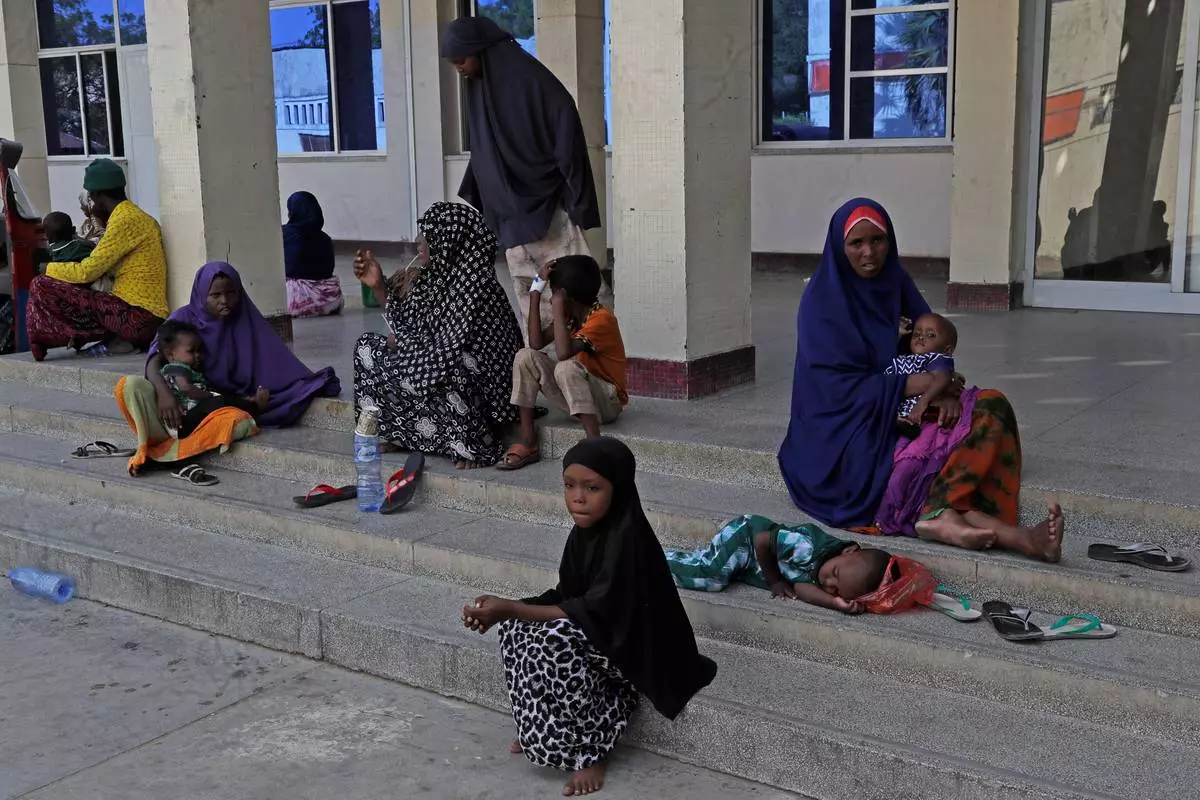
Patients sit at the entrance of Banadir Hospital in Mogadishu, Somalia, on Tuesday, Nov. 11, 2025. (AP Photo/Farah Abdi Warsameh)
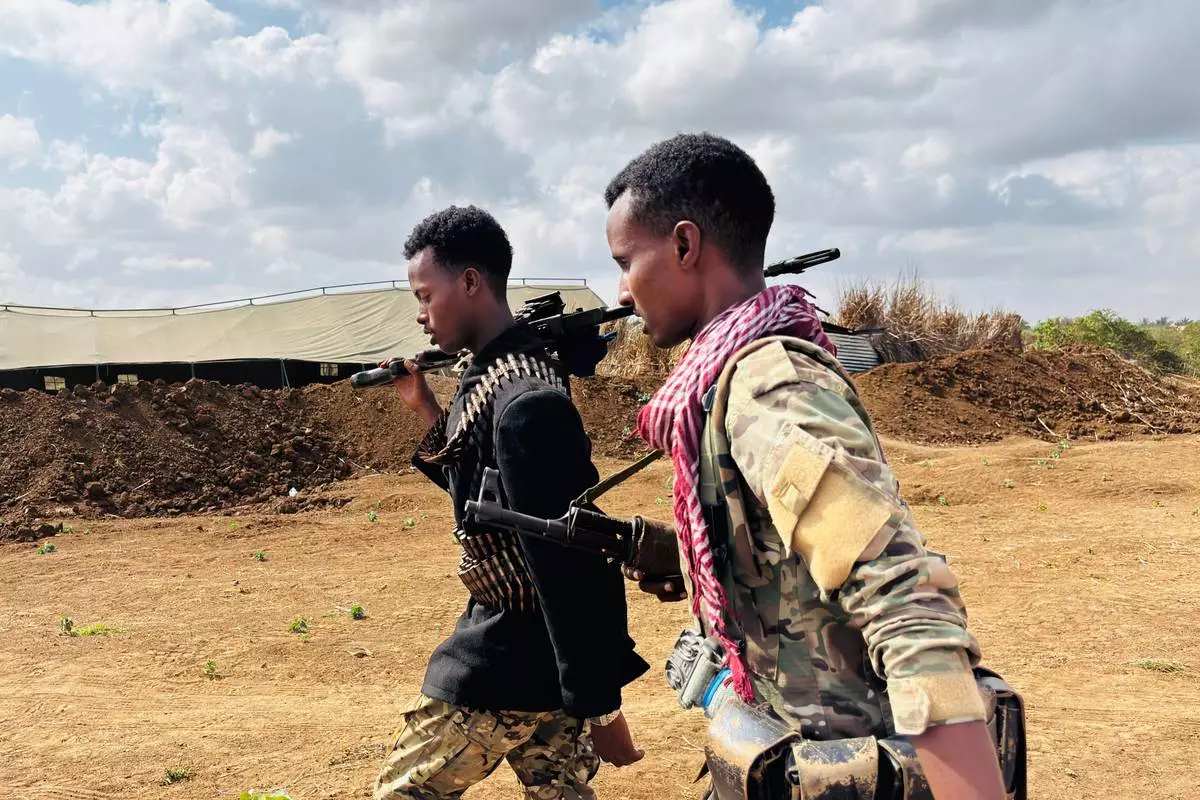
Somalia National Army (SNA) soldiers walk along the frontline in Sabiid, Canole, Somalia, Tuesday, Nov. 11, 2025. (AP Photo/Jackson Njehia)
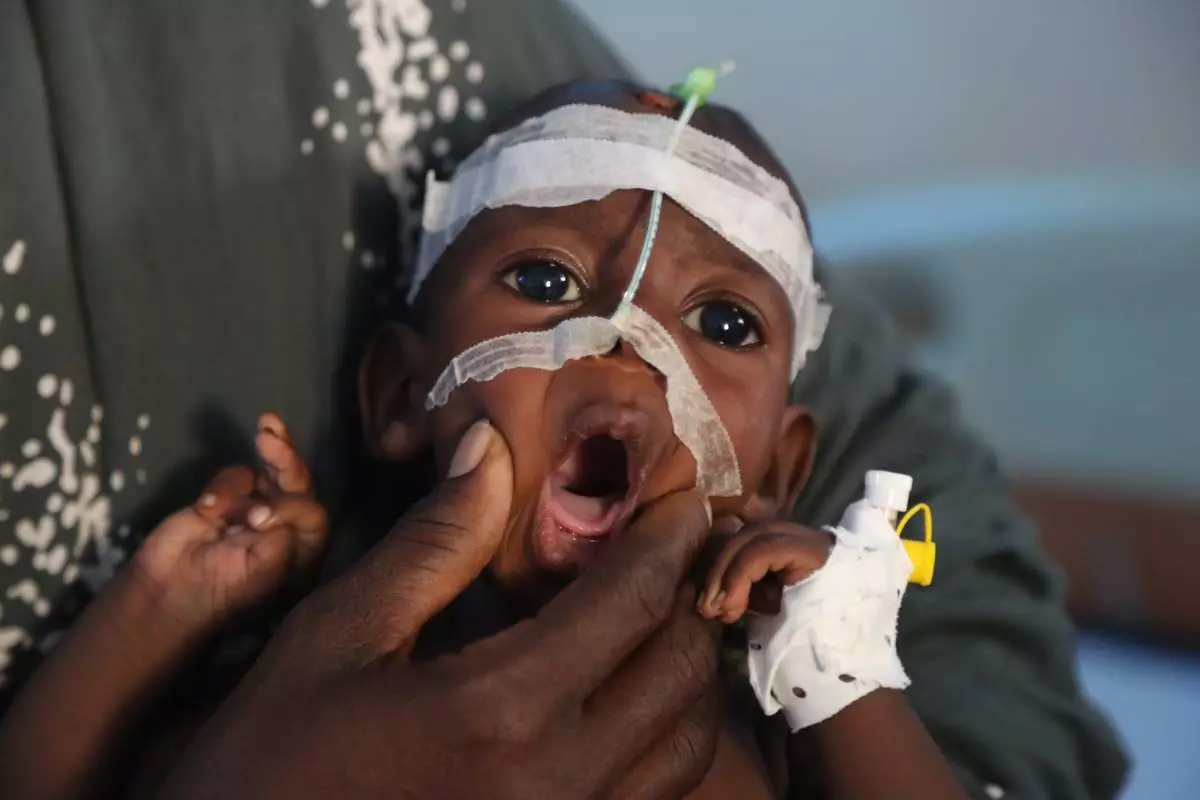
A mother sits with her malnourished baby at Banadir Hospital in Mogadishu, Somalia, Tuesday, Nov. 11, 2025. (AP Photo/Farah Abdi Warsameh)