Wall Street rose for a fifth straight day to put the wraps on a volatile month.
The S&P 500 rose 0.5% in abbreviated trading Friday and closed out November with a slim gain of 0.1%. The Dow Jones Industrial Average rose 289 points, or 0.6%. The Nasdaq gained 0.7% but ended November with a drop of 1.5% because of losses for some big tech stocks.
Click to Gallery
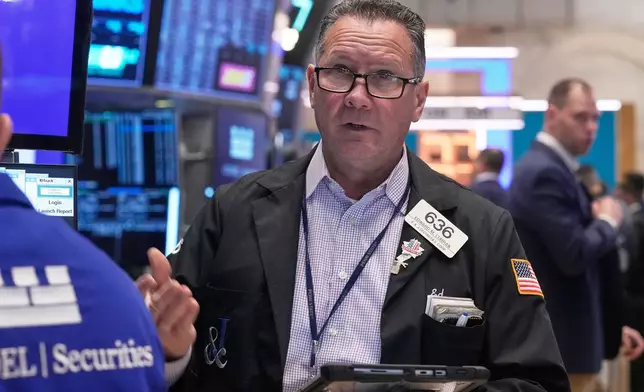
Trader Edward Curran works on the floor of the New York Stock Exchange, Monday, Nov. 24, 2025. (AP Photo/Richard Drew)
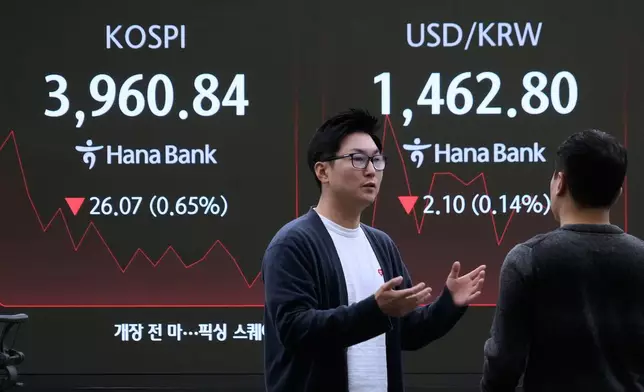
Currency traders work near a screen showing the Korea Composite Stock Price Index (KOSPI), left, and the foreign exchange rate between U.S. dollar and South Korean won at the foreign exchange dealing room of the Hana Bank headquarters in Seoul, South Korea, Friday, Nov. 28, 2025. (AP Photo/Ahn Young-joon)
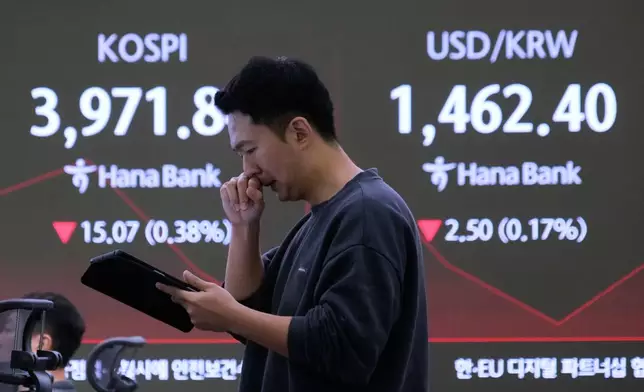
A currency trader works near a screen showing the Korea Composite Stock Price Index (KOSPI), left, and the foreign exchange rate between U.S. dollar and South Korean won at the foreign exchange dealing room of the Hana Bank headquarters in Seoul, South Korea, Friday, Nov. 28, 2025. (AP Photo/Ahn Young-joon)
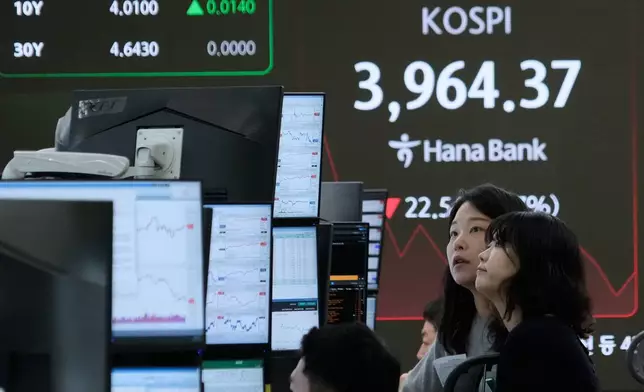
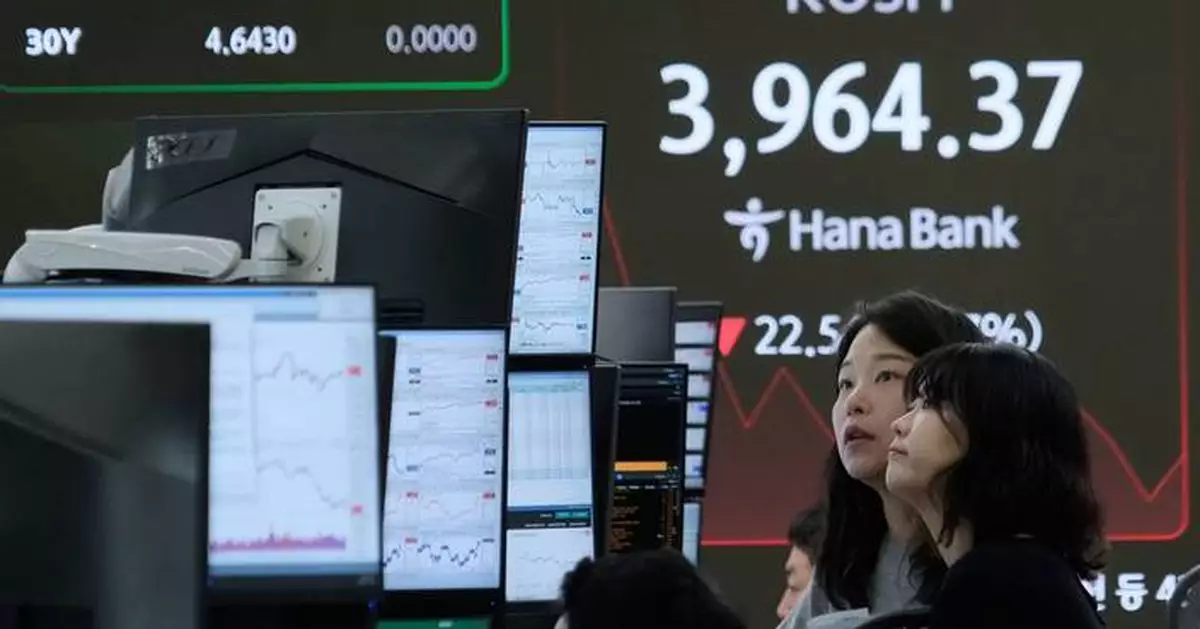
Currency traders watch monitors near a screen showing the Korea Composite Stock Price Index (KOSPI) at the foreign exchange dealing room of the Hana Bank headquarters in Seoul, South Korea, Friday, Nov. 28, 2025. (AP Photo/Ahn Young-joon)
Stocks swooned in mid-month as investors worried that stocks boosted by the frenzy around artificial intelligence such as Nvidia had gotten too expensive. Nvidia lost 1.8% Friday and closed the month with a double-digit loss. Oracle fell 23% in November while Palantir Technologies sank 16%.
Some tech stocks did notch monthly gains, most notably Alphabet, which rose nearly 14%, due to excitement about its recently released Gemini AI model.
The market turned around on hopes the Federal Reserve will again cut interest rates at its meeting next month. Recent comments from Fed officials have given traders more confidence the central bank will again cut interest rates at its meeting that ends Dec. 10. Traders are betting on a nearly 87% probability that the Fed will cut next month, according to data from CME Group.
The central bank, which has already cut rates twice this year in hopes of shoring up the slowing job market, is facing an increasingly difficult decision on interest rates as inflation rises and the job market slows. Cutting interest rates further could help support the economy as employment weakens, but it could also fuel inflation. The latest round of corporate earnings reports was mostly positive, but economic data has been mixed.
The minutes of the Fed’s most recent meeting in October indicate there are likely to be strong divisions among policymakers about the Fed’s next step.
Investors also had their eye on retail stocks as they wait to see if shoppers rushed to take advantage of the annual Black Friday sales event. Macy's fell 0.3% while Kohl's gained 1.4%. Dick's Sporting Goods dropped 0.5%. Among specialty retailers, Abercrombie & Fitch rose 2.9% and American Eagle Outfitters gained 0.7%.
Amid the volatility in tech stocks, traders moved money into other parts of the market. Pharmaceutical companies Eli Lilly and Merck each rose more than 20% for the month. Travel-related companies such as Marriott and Expedia also posted strong monthly gains.
Earlier, futures for the Dow Jones Industrial Average, S&P 500 and Nasdaq were halted for hours due to a technical issue at the Chicago Mercantile Exchange. CME said the problem was tied to an outage at a CyrusOne data center.
Treasury yields rose slightly, with the 10-year yield at 4.02%.
In European trading, Germany’s DAX rose 0.3% even as a report showed inflation accelerated more than expected in November and rose to the highest level since February.
The CAC 40 in France rose 0.3%.
In Asia, Japan’s Nikkei 225 closed 0.2% after data showed Japan's housing starts rose 3.2% in October from the same period a year ago, the first annual increase since March.
South Korea’s Kospi dropped 1.5% after the country’s industrial production fell 4% month-on-month in October, more than the 1.1% decline in September.
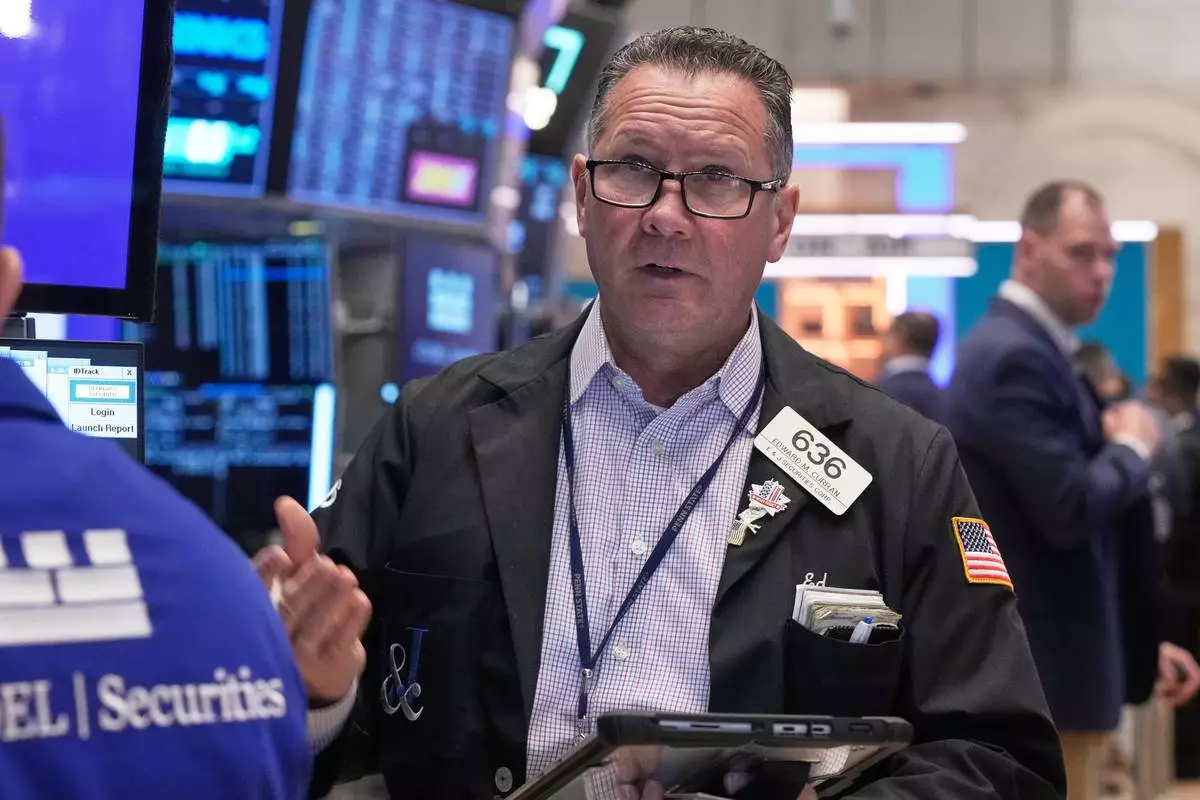
Trader Edward Curran works on the floor of the New York Stock Exchange, Monday, Nov. 24, 2025. (AP Photo/Richard Drew)
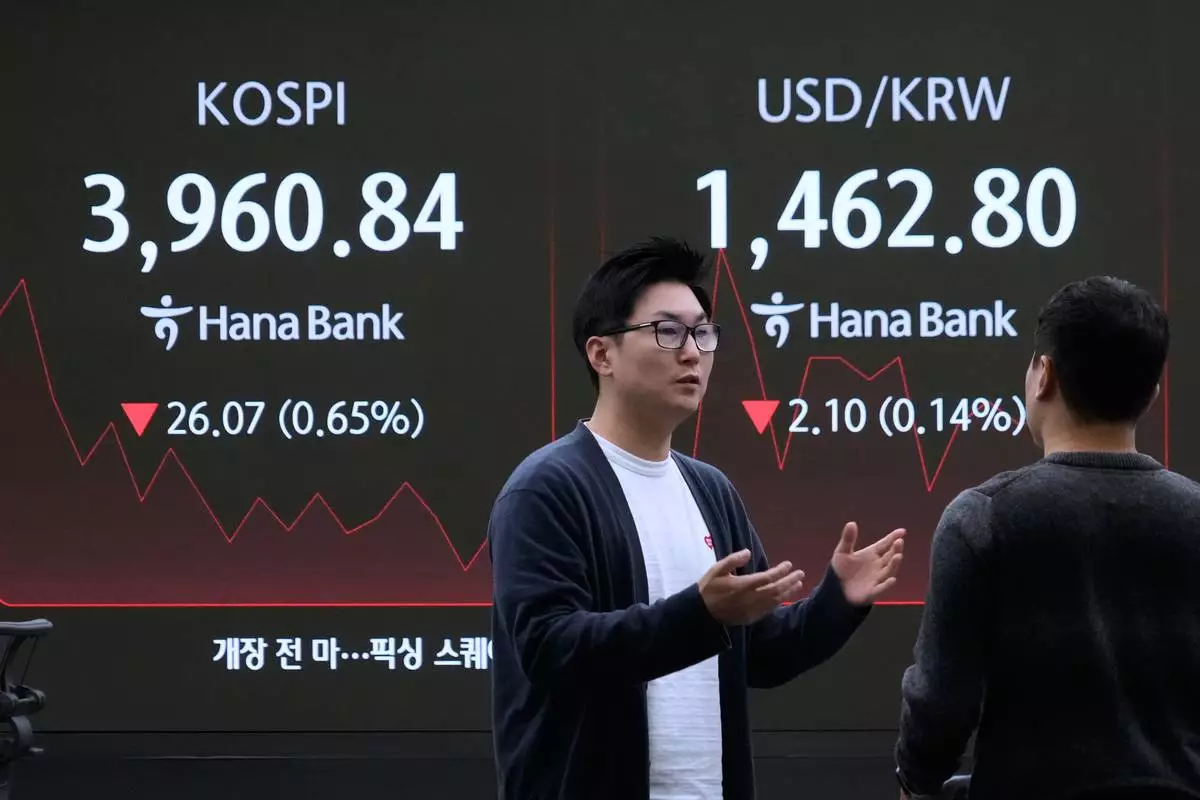
Currency traders work near a screen showing the Korea Composite Stock Price Index (KOSPI), left, and the foreign exchange rate between U.S. dollar and South Korean won at the foreign exchange dealing room of the Hana Bank headquarters in Seoul, South Korea, Friday, Nov. 28, 2025. (AP Photo/Ahn Young-joon)
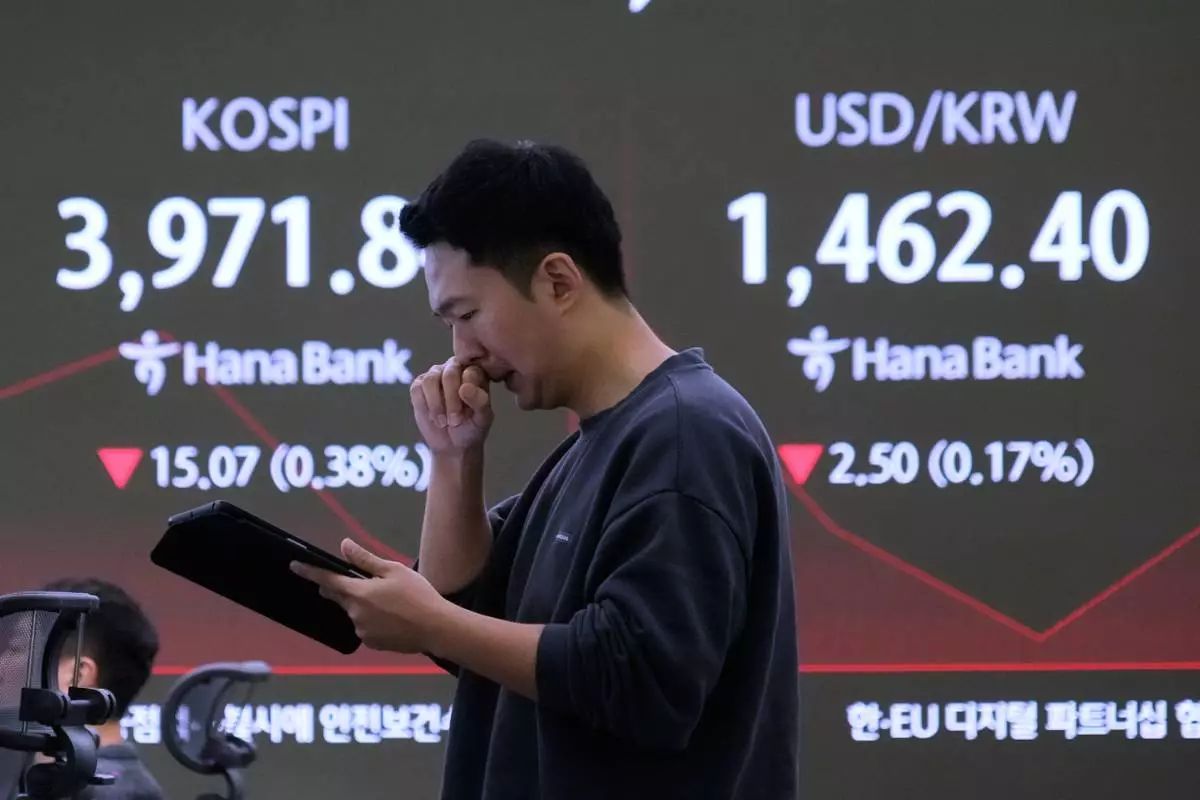
A currency trader works near a screen showing the Korea Composite Stock Price Index (KOSPI), left, and the foreign exchange rate between U.S. dollar and South Korean won at the foreign exchange dealing room of the Hana Bank headquarters in Seoul, South Korea, Friday, Nov. 28, 2025. (AP Photo/Ahn Young-joon)
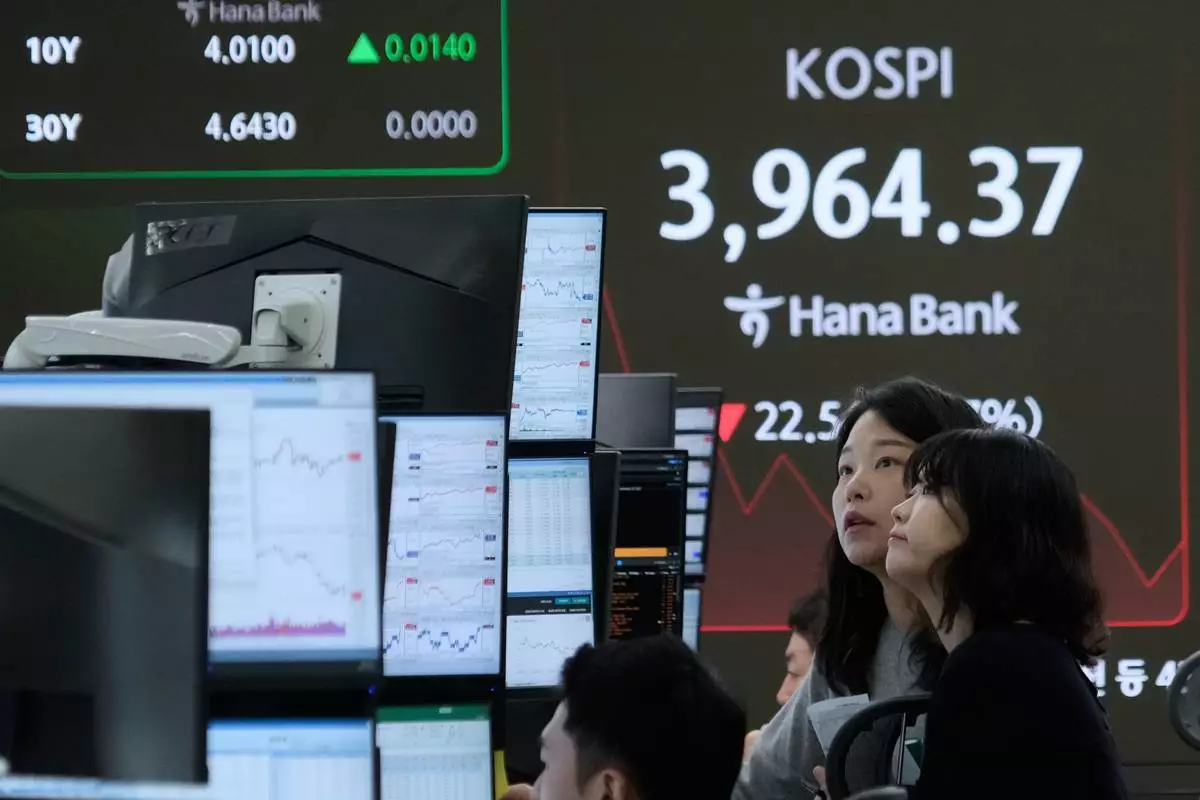
Currency traders watch monitors near a screen showing the Korea Composite Stock Price Index (KOSPI) at the foreign exchange dealing room of the Hana Bank headquarters in Seoul, South Korea, Friday, Nov. 28, 2025. (AP Photo/Ahn Young-joon)