Japanese Prime Minister Sanae Takaichi's comments on Taiwan have drawn criticism at home and overseas, with analysts warning they risk undermining relations with China and challenging the post-World War II international order.
Shinichi Isa, a Japanese historian, called Takaichi's remarks "highly irresponsible" and said they have had a negative impact.
"Takaichi's remarks themselves are highly irresponsible. On the Taiwan question, China has already made its position very clear -- this is something that must not be shaken. The negative impact has already emerged," said Isa.
"Japan adopted a new constitution after the defeat, but genuine reflection and reckoning over the war have not been achieved. The origins and course of the war have also not been properly reflected in Japan's postwar education," he added.
Satoshi Honjo, policy chief of Japan's largest opposition party, the Constitutional Democratic Party, said Takaichi's Diet statements revealed an inadequate understanding of what constitutes a "survival-threatening situation" under Japanese law.
He also said that her remarks diverged significantly from relevant legislation, from how the Taiwan question is situated in Japan-China relations, and from the consistent positions expressed by successive Japanese governments since the normalization of diplomatic ties with China in 1972.
Concerns have also been expressed from overseas, with observers saying that Takaichi's remarks risk undermining regional peace and the post-World War II international order.
"Her remarks have been strongly criticized by a former Japanese prime minister and by Japanese businessmen. Some business leaders are demanding an apology, never to repeat these words again. The world is watching Asia and Japan-China relations. We would like the situation to subside very quickly to restore normal dialogue. Today we should seek common ground, not create divisions," said Janusz Piechocinski, former deputy prime minister and economy minister of Poland.
Imram Thabang Makam, director of the South African Division of Africa's Young Entrepreneurs Organization (AYE), said Takaichi's words disregarded commitments made after World War II.
"(Her) remarks are disregarding some of the commitments that were made at the international level after post World War II generally. Some of the laws that were established post World War II has created the stability, and the life, and the freedoms which we enjoy now. So we need, by all means, to stand against such militaristic, suggestive statements that the leader has made. And from a personal level, I wish that you could retract such statements," said Makam.
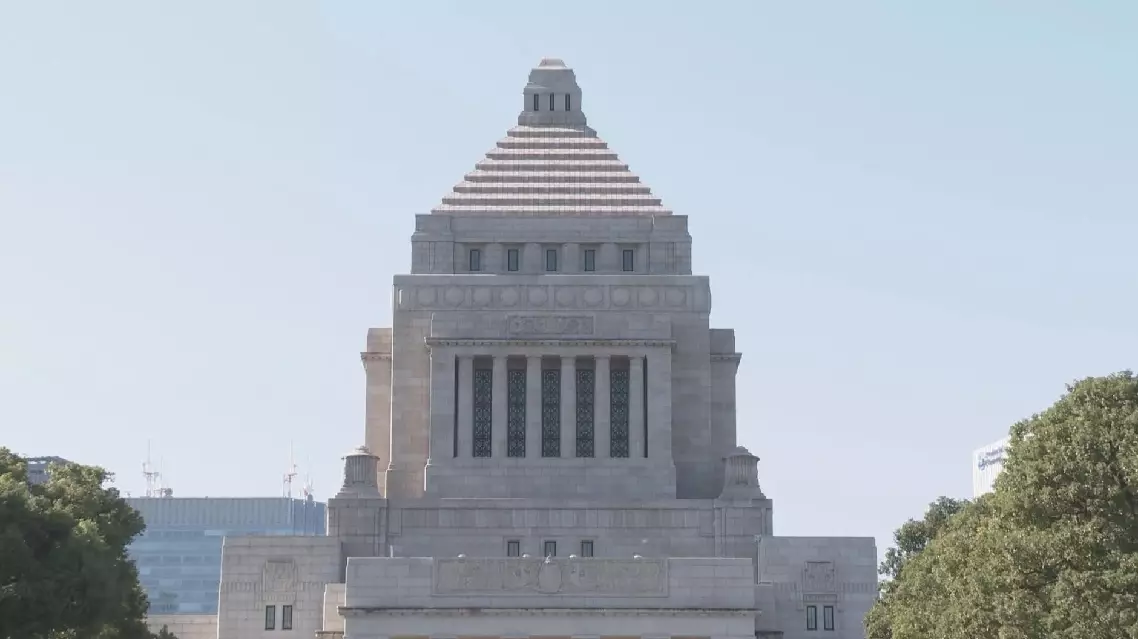
Takaichi's Taiwan remarks risk straining China ties, challenge post‑WWII order: observers