MINNEAPOLIS (AP) — Federal authorities are preparing a targeted immigration enforcement operation in Minnesota that would primarily focus on Somali immigrants living unlawfully in the U.S., according to a person familiar with the planning.
The move comes as President Donald Trump again on Tuesday escalated rhetoric about Minnesota's sizable Somali community, saying he did not want immigrants from the east African country in the U.S. because “they contribute nothing.”
Click to Gallery

Minneapolis Police Chief Brian O'Hara speaks during a news conference addressing the media following reports that the Trump administration will be targeting Somali immigrants in the Twin Cities, at City Hall in Minneapolis, Tuesday, Dec. 2, 2025. (Leila Navidi/Star Tribune via AP)
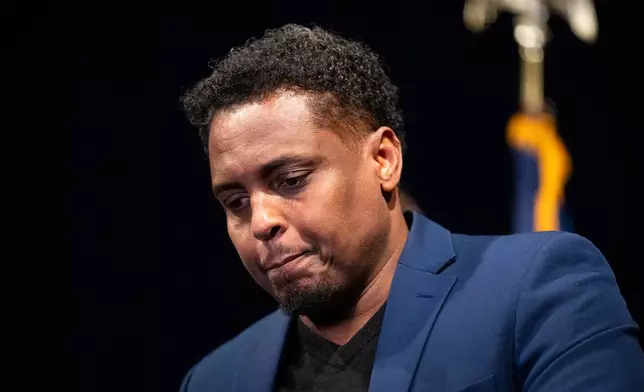
Minneapolis City Council member Jamal Osman speaks during a news conference addressing the media following reports that the Trump administration will be targeting Somali immigrants in the Twin Cities, at City Hall in Minneapolis, Tuesday, Dec. 2, 2025. (Leila Navidi/Star Tribune via AP)
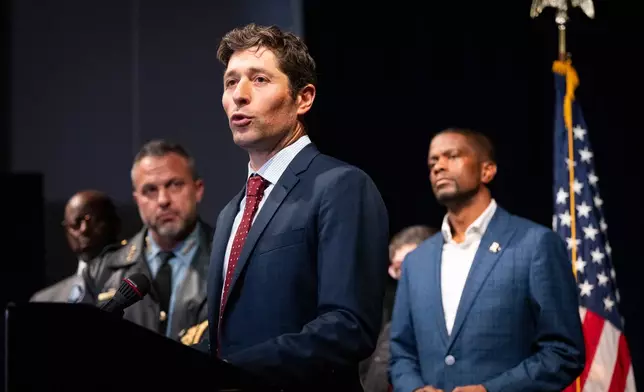
Minneapolis Mayor Jacob Frey speaks during a news conference addressing the media following reports that the Trump administration will be targeting Somali immigrants in the Twin Cities, at City Hall in Minneapolis, Tuesday, Dec. 2, 2025. (Leila Navidi/Star Tribune via AP)
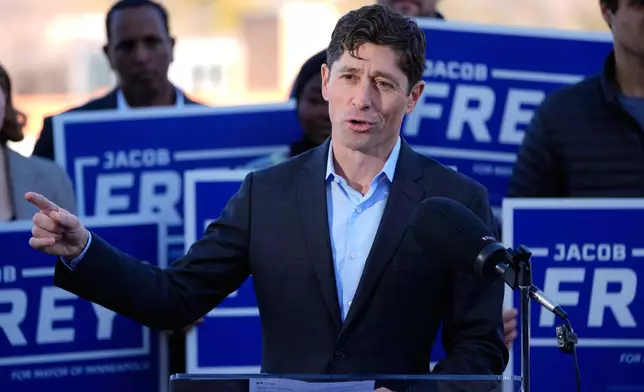
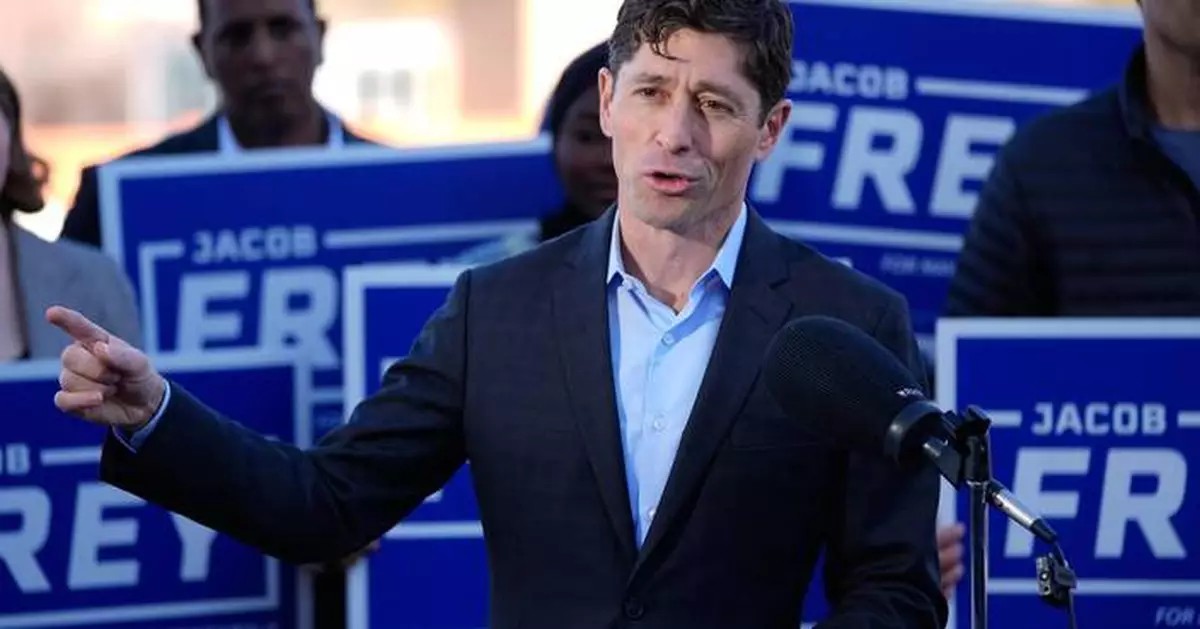
FILE - Minneapolis Mayor Jacob Frey talks during a news conference after winning a third term in the city's ranked-choice voting election, Wednesday, Nov. 5, 2025, in Minneapolis. (AP Photo/Abbie Parr, File)
The enforcement operation could begin in the coming days and is expected to focus on the Minneapolis–St. Paul area and people with final orders of deportation, the person said. Teams of immigration agents would spread across the Twin Cities in what the person described as a directed, high-priority sweep, though the plans remain subject to change.
The prospect of a crackdown is likely to deepen tensions in Minnesota — home to the nation’s largest Somali community. They've been coming since the 1990s, fleeing their country's long civil war and drawn by Minnesota's generous social programs.
An estimated 260,000 people of Somalian descent were living in the U.S. in 2024, according to the Census Bureau’s annual American Community Survey. The largest population is in the Minneapolis area, home to about 84,000 residents, most of whom are American citizens. Ohio, Washington and California also have significant populations.
Trump has become increasingly focused on Somalians living in the U.S., saying they “have caused a lot of trouble.” Community leaders say Trump has inflamed tensions and revived fears of profiling.
The president said during a Cabinet meeting on Tuesday that Somali immigrants are too reliant on the U.S. social safety net and add little.
“I don’t want them in our country,” he said. “Their country is no good for a reason.”
Minneapolis Mayor Jacob Frey pushed back against Trump’s depiction of Somalis, saying it “violates the moral fabric of what we stand by in this country as Americans.”
“They have started businesses and created jobs. They have added to the cultural fabric of what Minneapolis is,” Frey said Tuesday.
The mayor vowed that the city’s police officers, many of whom are Somali, will not work with any federal agents doing immigration enforcement, saying “it’s not their job.”
“Targeting Somali people means that due process will be violated, mistakes will be made, and let’s be clear, it means that American citizens will be detained for no other reason than the fact that they look like they are Somali,” he said. “That is not now and will never be a legitimate reason.”
Hundreds of people are expected to be targeted in the operation, the person said. As with previous immigration operations, so-called incidental arrests are possible, meaning people who aren’t targeted but lack legal status could also be detained, the person said.
The person spoke on the condition of anonymity to discuss internal deliberations that have not been publicly disclosed. The operation was first reported by The New York Times.
Homeland Security spokesperson Tricia McLaughlin said the agency would not discuss “future or potential operations.”
“What makes someone a target of ICE is not their race or ethnicity, but the fact that they are in the country illegally,” McLaughlin said.
Trump and other officials in his administration have used increasingly harsh language in recent days against Somalis living in the U.S., after a conservative news outlet, City Journal, claimed that taxpayer dollars from defrauded government programs have flowed to the Somali militant group al-Shabab, an affiliate of al-Qaida that holds parts of rural Somalia and often has targeted the capital, Mogadishu.
Last month, Trump said he was terminating Temporary Protected Status for Somali migrants in Minnesota, a legal safeguard against deportation for immigrants from certain countries. A report produced for Congress in August put the number of Somalis covered by the program at just 705 nationwide.
Minnesota Democratic Gov. Tim Walz said Tuesday that anyone committing fraud should go to prison, but he criticized the Trump administration’s actions.
“Sitting on the sidelines and throwing out accusations — and let’s be very clear, demonizing an entire population and lying to people about the safety and security of this state — is beneath that,” said the 2024 Democratic vice presidential candidate.
Trump has claimed immigrants from Somalia were “completely taking over the once great State of Minnesota.”
Treasury Secretary Scott Bessent said in a social media post Monday that his agency was investigating allegations that tax dollars may have been diverted Al-Shabaab.
Jaylani Hussein, a Somali American who is executive director of the Minnesota chapter of the Council on American-Islamic Relations, said his group has heard of “less than a dozen” immigration arrests within the Somali community in recent days.
But Hussein said around 95% of Somalis in Minnesota are U.S. citizens, so the numbers of those at earlier stages of the immigration process are a “pretty small” proportion of the community. He said they estimate that 50% of the community was born in the U.S.
“We believe this is political rhetoric and an attack against our community,” Hussein said. “But additional ICE agents means additional pressure on the wider immigrant community,” he said.
Hussein said the reported crackdown plan is yet another example of the Trump administration “demonizing the Muslim community.” And he said it’s not new that when somebody in the community commits a crime, the entire community will get accused. He said that’s been true of other ethnic groups through American history.
Minneapolis City Council member Jamal Osman, who is Somali American, promised that the city will stand up for its immigrants.
“Our community has lived through fear in the past,” he said. “And we are not going to let us divide that."
__
Associated Press journalists Rebecca Santana in Washington, Michael Schneider in Orlando, Florida, and John Seewer in Toledo, Ohio, contributed to this report.

Minneapolis Police Chief Brian O'Hara speaks during a news conference addressing the media following reports that the Trump administration will be targeting Somali immigrants in the Twin Cities, at City Hall in Minneapolis, Tuesday, Dec. 2, 2025. (Leila Navidi/Star Tribune via AP)
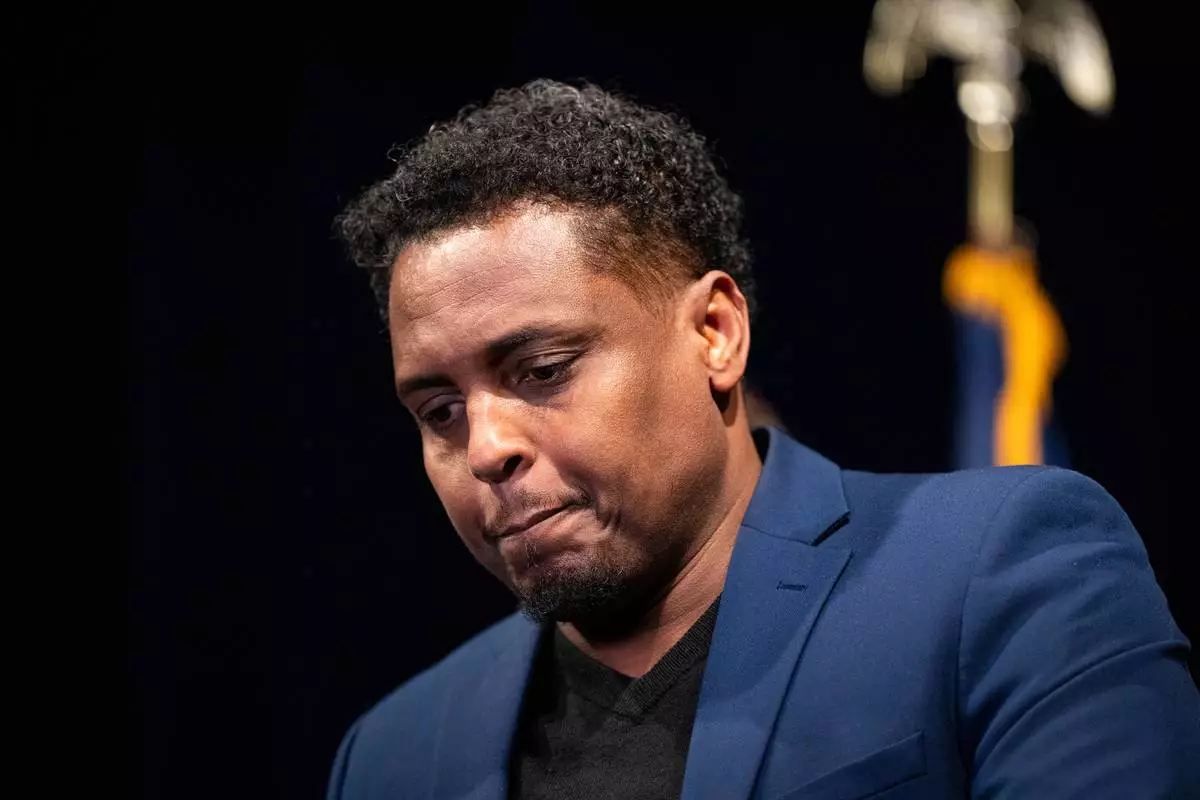
Minneapolis City Council member Jamal Osman speaks during a news conference addressing the media following reports that the Trump administration will be targeting Somali immigrants in the Twin Cities, at City Hall in Minneapolis, Tuesday, Dec. 2, 2025. (Leila Navidi/Star Tribune via AP)
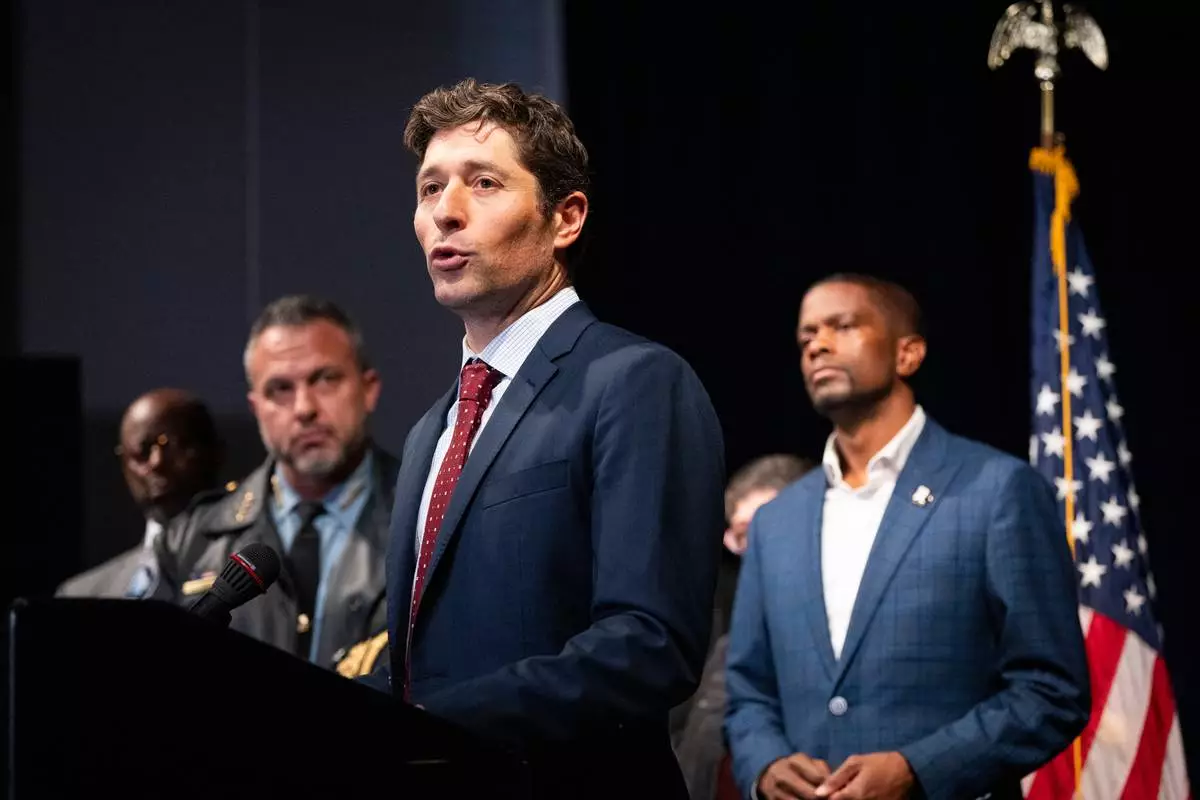
Minneapolis Mayor Jacob Frey speaks during a news conference addressing the media following reports that the Trump administration will be targeting Somali immigrants in the Twin Cities, at City Hall in Minneapolis, Tuesday, Dec. 2, 2025. (Leila Navidi/Star Tribune via AP)
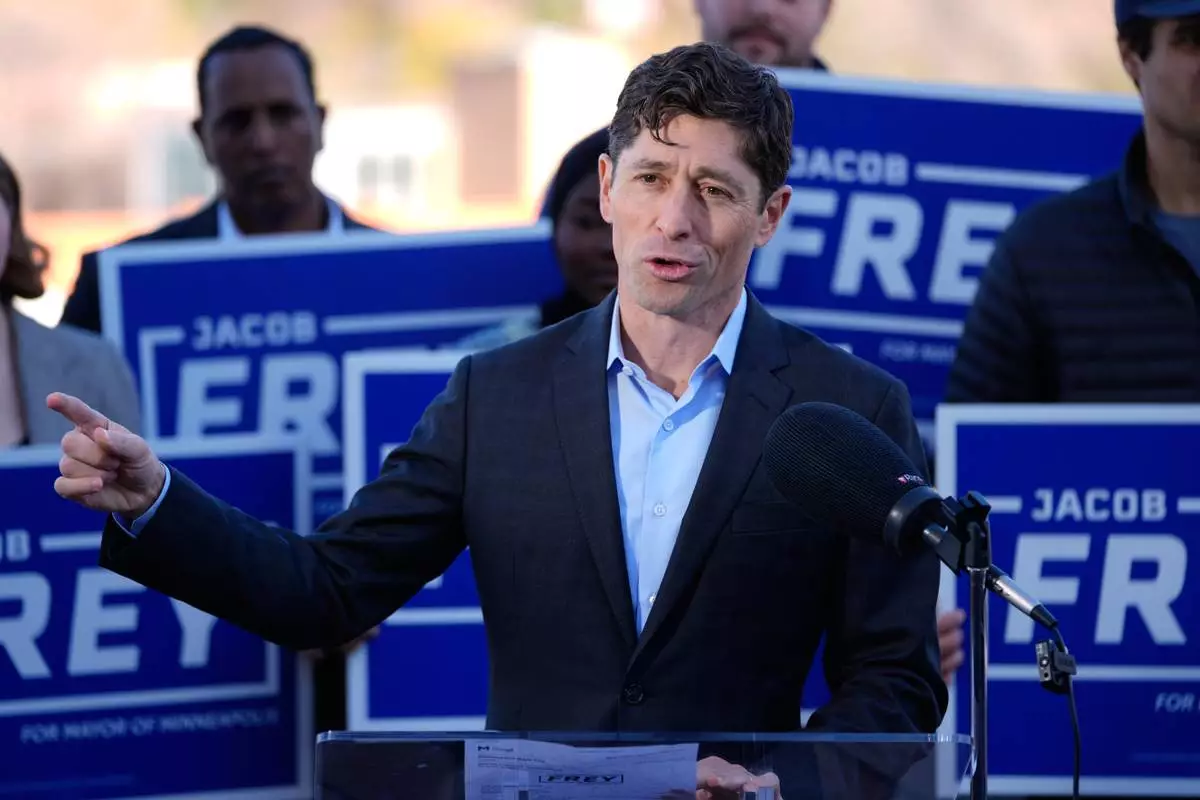
FILE - Minneapolis Mayor Jacob Frey talks during a news conference after winning a third term in the city's ranked-choice voting election, Wednesday, Nov. 5, 2025, in Minneapolis. (AP Photo/Abbie Parr, File)