PERTH, Australia--(BUSINESS WIRE)--Dec 4, 2025--
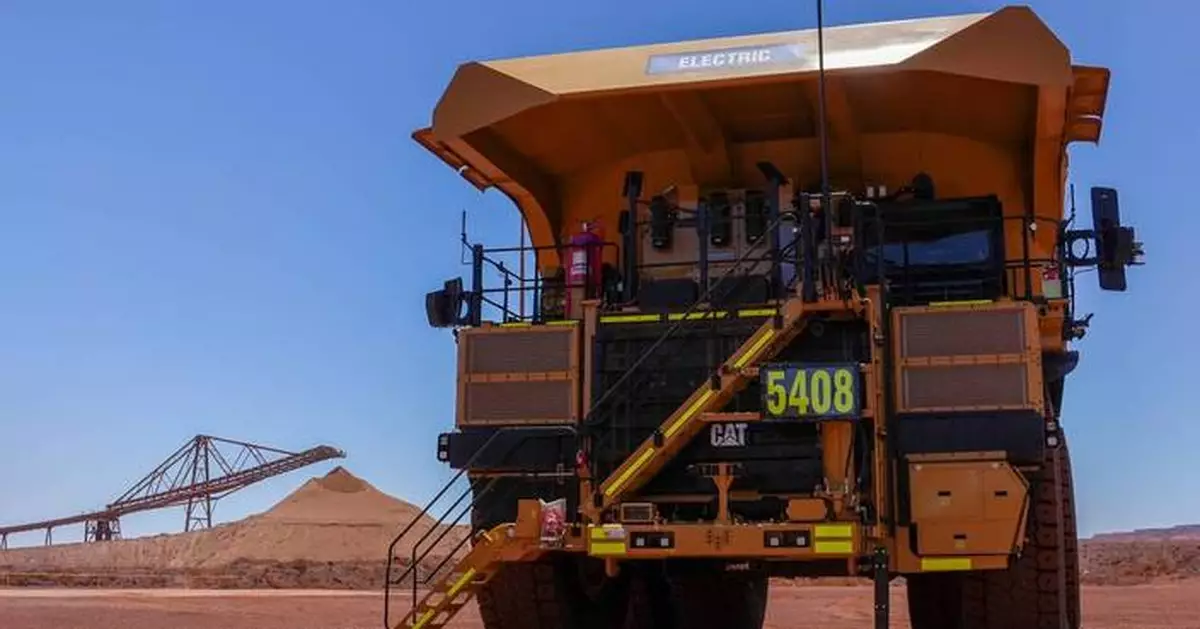
Australia’s first Cat ® 793 XE Early Learner battery-electric haul trucks have arrived at BHP’s Jimblebar iron ore mine in the Pilbara, marking the start of on-site testing, in collaboration with Rio Tinto, of Caterpillar’s battery-electric heavy haulage technology in the region that powers the nation’s economy.
This press release features multimedia. View the full release here: https://www.businesswire.com/news/home/20251204183951/en/
The two Early Learner trucks, delivered through an industry-first collaboration between BHP, Rio Tinto and Caterpillar represent a major step toward a more sustainable future in mining, designed to deliver zero exhaust emissions while maintaining productivity and performance.
Once safely commissioned, the trials will begin to test the viability of battery-electric technology as an alternative to diesel usage in large-scale iron ore mining operations. The trials will help inform the development of technology, processes, infrastructure and people required to support lower greenhouse gas emissions machines and mine sites of the future.
Decarbonisation of Pilbara iron ore operations will rely on technology advancements and breakthroughs in research and development, which is why BHP and Rio Tinto are working closely with Caterpillar, supported by WesTrac, to accelerate development and transition their fleets as soon as commercially and operationally viable.
Following the joint trial, BHP and Rio Tinto will independently determine progress towards scaled trials within their respective operational environments.
BHP Western Australia Iron Ore Asset President Tim Day said: “Powering up our first battery-electric haul trucks in the Pilbara is an important step forward on the mining industry’s road to decarbonisation.
“Replacing diesel isn’t just about changing energy sources, it’s about reimagining how we operate and creating the technologies, infrastructure and supply chains to transform mining operations. These trials will help us understand how all the pieces of the puzzle fit together: the battery technologies, generation and charging infrastructure, power management, as well as the supply chains to potentially deliver this at scale.
“A significant shift like this demands a strong commitment to research and development, coupled with collaboration across the industry. This is going to take time to get right, which is why trials like this one with Rio Tinto and Caterpillar are so critical.
“These trials are a critical part of this work as we bring the testing to the reality of the Pilbara. We're excited about what we’ll learn about how best to deliver the breakthroughs required to accelerate this transition.”
Rio Tinto Iron Ore Pilbara Mines Managing Director Andrew Wilson said: “Decarbonising Rio Tinto’s fleet across our 18 Pilbara mines is a significant challenge. By exploring solutions like this to reduce emissions, we hope that, over time, we will be able to move away from diesel.
“No single company can achieve zero emissions haulage on its own. It takes the whole industry working together. That’s why we’re working with BHP and Caterpillar to develop new solutions that will reduce emissions in mining and help us reach our net zero commitments.
“Through this industry-first collaboration to test Cat 793 XE Early Learner battery-electric haul trucks in Pilbara conditions, we hope to meet our shared goals as quickly and efficiently as we can.”
Caterpillar Inc. Resource Industries Sales Services and Technology Senior Vice President Marc Cameron said: “The arrival of the Early Learner trucks in the Pilbara marks a significant milestone in the journey toward a more sustainable future.
“By working side by side with our customers, we’re delivering solutions to help them solve their toughest challenges while learning together each step of the way. This collaboration is key to accelerating innovation and shaping the next generation of mining technology, and we’re excited to be on this journey together with our Early Learner customers.”
Ongoing testing and development throughout this trial will enable learning toward future deployment. This will inform the approach for testing a larger number of haul trucks and the potential integration of battery-electric haul truck fleets into each company’s operations.
The collaboration reflects the shared ambitions of BHP, Rio Tinto and Caterpillar to support BHP’s and Rio Tinto’s respective net zero operational greenhouse gas emissions goals by 2050.
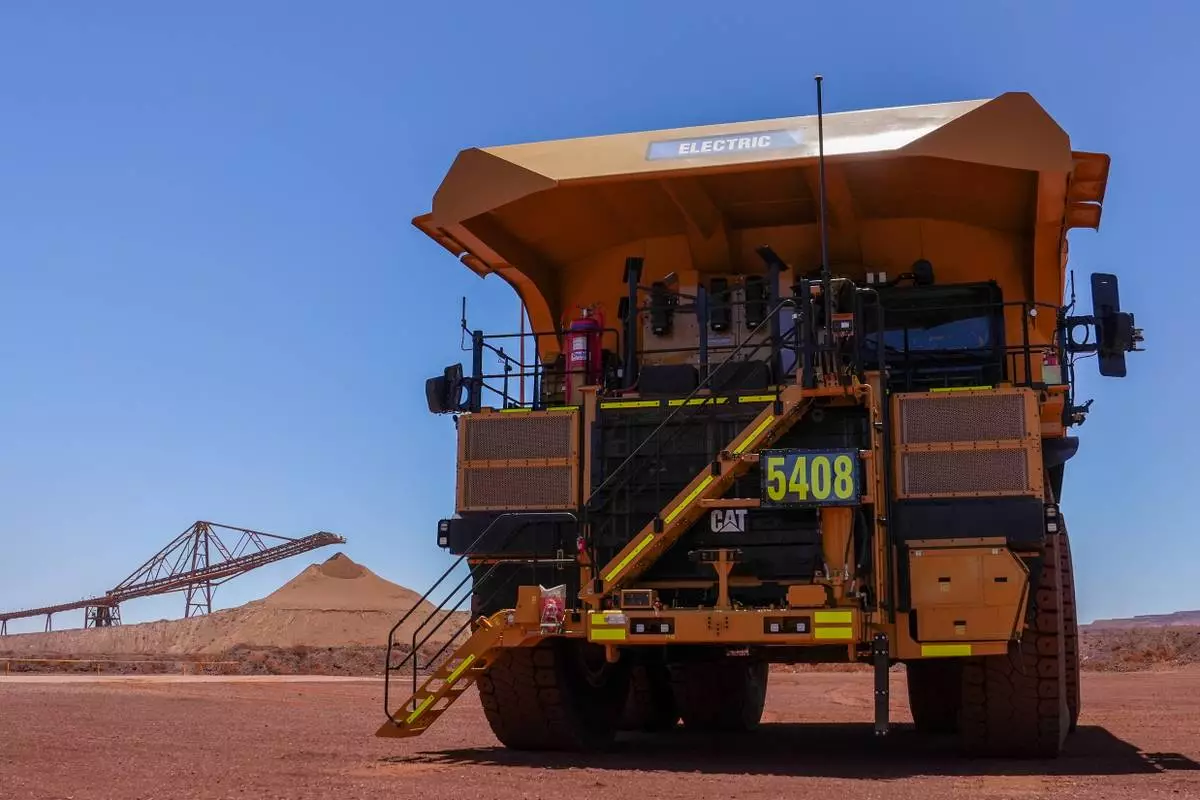
BHP and Rio Tinto welcome first Caterpillar battery-electric haul trucks to the Pilbara
WASHINGTON (AP) — President Donald Trump said U.S. forces will “finish the job” in Iran soon as “core strategic objectives are nearing completion,” offering a full-throated defense of the war Wednesday night in his first national address since the conflict began more than a month ago.
He used his platform before a wide audience to tout the success of the U.S. operations and argue that all of Washington’s objectives have so far been met or exceeded, but said Iran would continue to face a barrage of attacks in the short term.
“We are going to hit them extremely hard over the next two to three weeks,” Trump said. “We’re going to bring them back to the Stone Ages, where they belong.”
But Trump also spent much of an address that lasted just under 20 minutes repeating many things he had already said in recent weeks and providing few new details. The speech appeared unlikely to move the needle of public sentiment at a time when polling shows many Americans feel the U.S. military has gone too far in Iran and as gas and oil prices remain high.
The effect on global financial markets was more immediate, with oil rising more than 4% and Asian stocks falling after Trump's comments about the U.S. continuing to hit Iran hard.
“Tonight, I’m pleased to say that these core strategic objectives are nearing completion,” Trump said. He also acknowledged American service members who had been killed and added: “We are going to finish the job, and we’re going to finish it very fast. We’re getting very close.”
The president didn’t mention the possibility of sending U.S. ground troops into Iran. Nor did he reference NATO, the trans-Atlantic alliance he has railed against for not helping the U.S. secure the critical Strait of Hormuz, where a chokehold by Iran has sent energy prices soaring.
He also didn't say anything about negotiations with Iran or bring up his April 6 deadline for Iran to reopen the waterway or face severe retaliation from the U.S.
Trump ticked through a timeline of past American involvement in conflicts and noted that the ongoing war in Iran had lasted just 32 days, seeming to appeal to the public for more time to achieve the mission.
“World War I lasted one year, seven months and five days,” he said. “World War II lasted for three years, eight months and 25 days.” Trump also added references to Korea, Vietnam and Iraq.
He also noted that in “these past four weeks, our armed forces have delivered swift, decisive, overwhelming victories on the battlefield.” He said U.S. military action had been “so powerful, so brilliant” that “one of the most powerful countries” is “really no longer a threat” — even as Iran kept up its attacks on Israel and Persian Gulf neighbors early Thursday.
Trump also seemed to suggest he had ruled out going into Iran to get its enriched uranium.
“The nuclear sites that we obliterated with the B-2 bombers have been hit so hard that it would take months to get near the nuclear dust,” he said. "And we have it under intense satellite surveillance and control. If we see them make a move, even a move for it, we’ll hit them with missiles very hard again.”
The president encouraged countries reliant on oil through the Strait of Hormuz to “build some delayed courage” and go “take it.”
Trump's comments in his address were more measured than some of his previous remarks, including earlier Wednesday at a White House Easter lunch.
Of Iran, he told his assembled guests: “We could just take their oil. But you know, I’m not sure that the people in our country have the patience to do that, which is unfortunate.”
“Yeah, they want to see it end. If we stayed there, I prefer just to take the oil,” Trump said. “We could do it so easily. I would prefer that. But people in the country sort of say: ‘Just win. You’re winning so big. Just win. Come home.’ And I’m OK with that, too, because we have a lot of oil between Venezuela and our oil.”
The media was not permitted to watch the president’s remarks at the lunch, but the White House uploaded video of the speech online before taking it down. The White House did not return requests for comment from The Associated Press on the video and why it was taken down.
In the lunch — unlike in the subsequent speech — the president also reiterated some of his complaints about NATO allies for their reluctance to get involved in securing the Strait of Hormuz while suggesting that Asian countries could also step up to reopen the waterway.
“Let South Korea, you know, we only have 45,000 soldiers in harm’s way over there, right next to a nuclear force -- let South Korea do it,” Trump said of efforts to reopen the strait. “Let Japan do it. They get 90% of their oil from the strait. Let China do it.”
In a social media post Wednesday morning, meanwhile, Trump also wrote that “Iran’s New Regime President” wanted a ceasefire. It wasn’t clear to whom the U.S. president was referring since Iran still has the same president. Iran’s Foreign Ministry spokesman, Esmail Baghaei, called Trump’s claim “false and baseless,” according to a report on Iranian state television.
Hours before Trump’s address, Iranian President Masoud Pezeshkian posted a lengthy letter in English on his X account appealing to U.S. citizens and stressing that his country had pursued negotiations before the U.S. withdrew from that path. “Exactly which of the American people’s interests are truly being served by this war?” he wrote.
Since the war began on Feb. 28, Trump has offered shifting objectives and repeatedly has said it could be over soon while also threatening to widen the conflict. Thousands of additional U.S. troops are currently heading to the Middle East, and speculation abounds about why. Trump has also threatened to attack Iran’s Kharg Island oil export hub.
Adding to the confusion is what role Israel — which has been bombing Iran alongside the U.S. — might play in any of these scenarios.
Trump has been under growing pressure to end the war that has been pushing up the cost of gasoline, food and other goods. The price of Brent crude, the international standard, is up more than 40% since the start of the war.
Gambrell reported from Dubai, United Arab Emirates. Rising reported from Bangkok. Associated Press writers Seung Min Kim in Washington, Giovanna Dell’Orto in Miami, Farnoush Amiri in New York and Samy Magdy in Cairo contributed to this report.
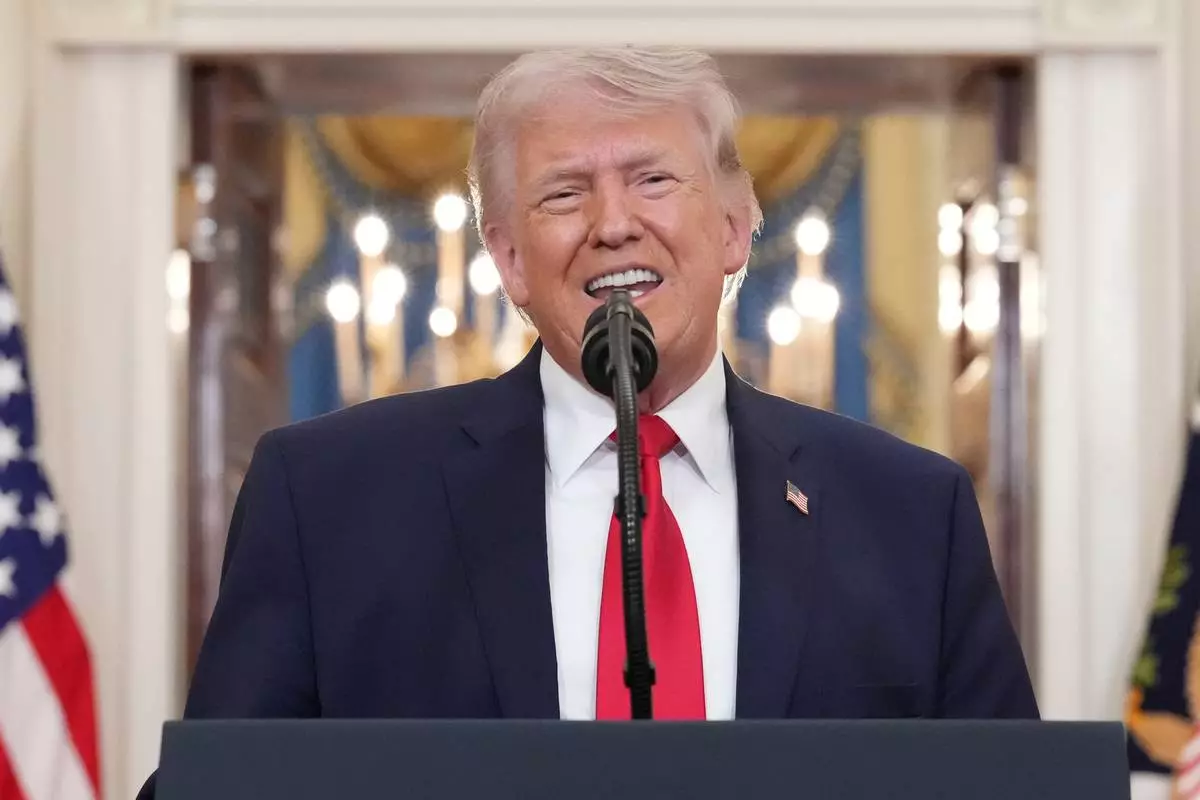
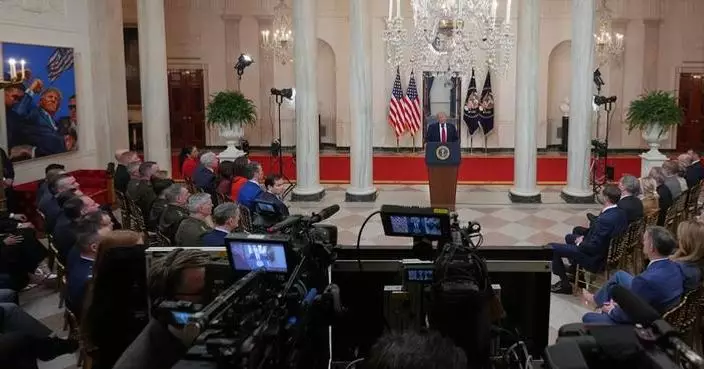
President Donald Trump speaks about the Iran war from the Cross Hall of the White House on Wednesday, April 1, 2026, in Washington. (AP Photo/Alex Brandon, Pool)
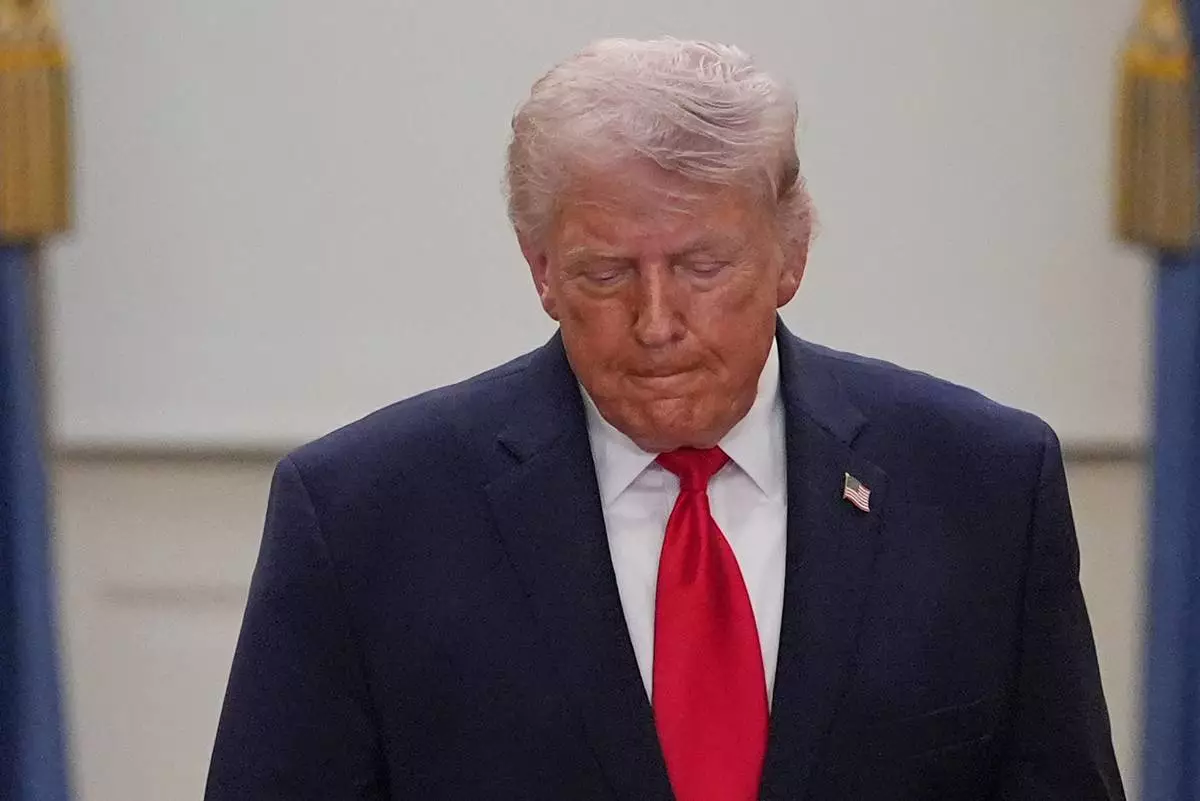
President Donald Trump walks from the Blue Room to speak about the Iran war from the Cross Hall of the White House on Wednesday, April 1, 2026, in Washington. (AP Photo/Alex Brandon, Pool)
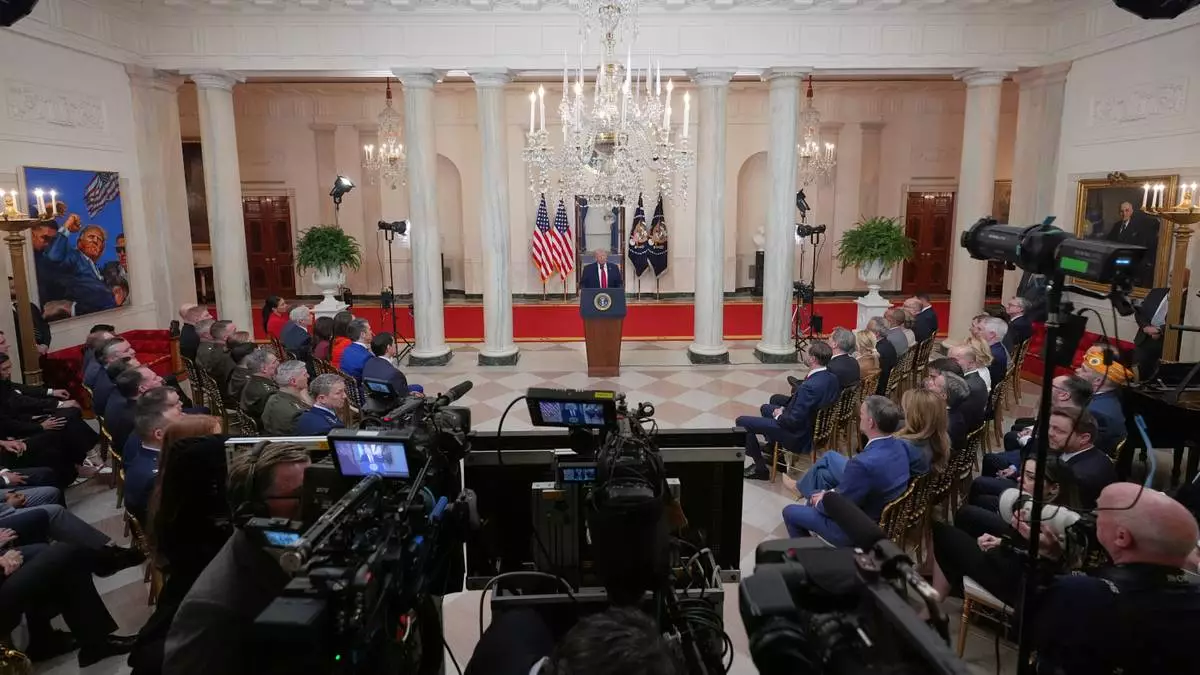
President Donald Trump speaks about the Iran war from the Cross Hall of the White House on Wednesday, April 1, 2026, in Washington. (AP Photo/Alex Brandon, Pool)
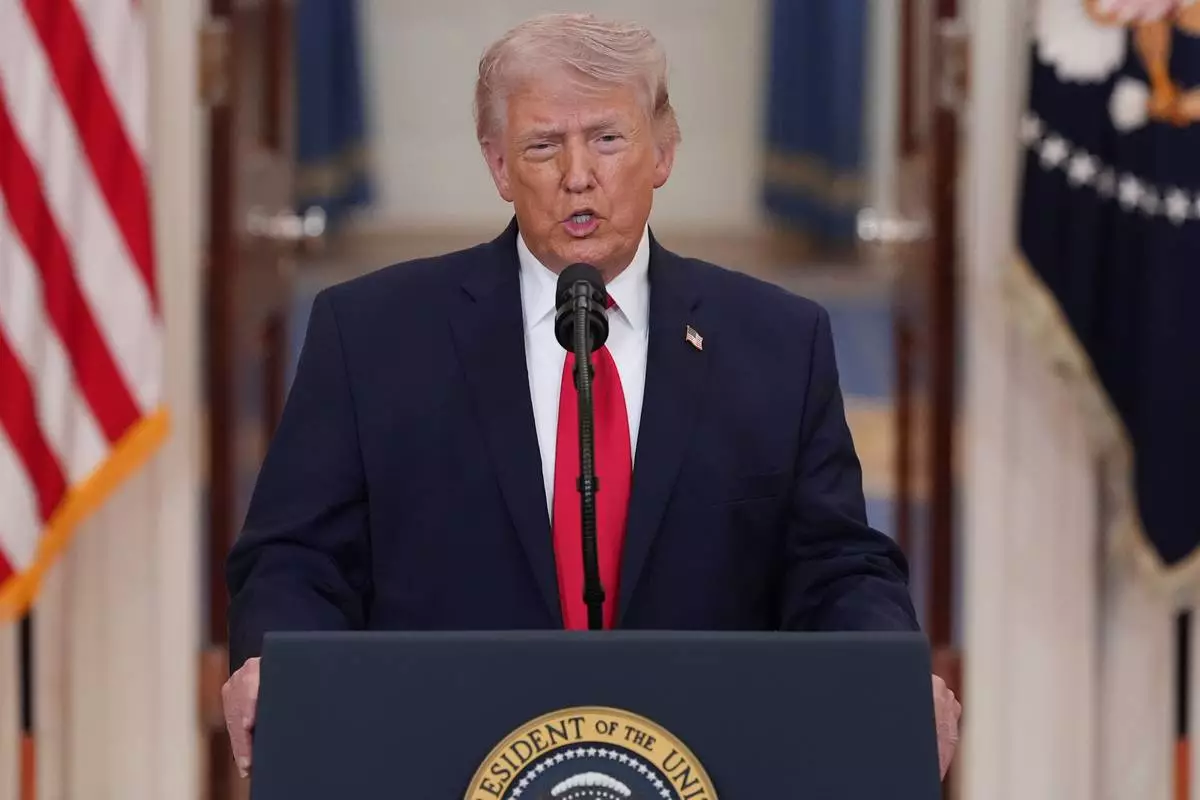
President Donald Trump speaks about the Iran war from the Cross Hall of the White House on Wednesday, April 1, 2026, in Washington. (AP Photo/Alex Brandon, Pool)
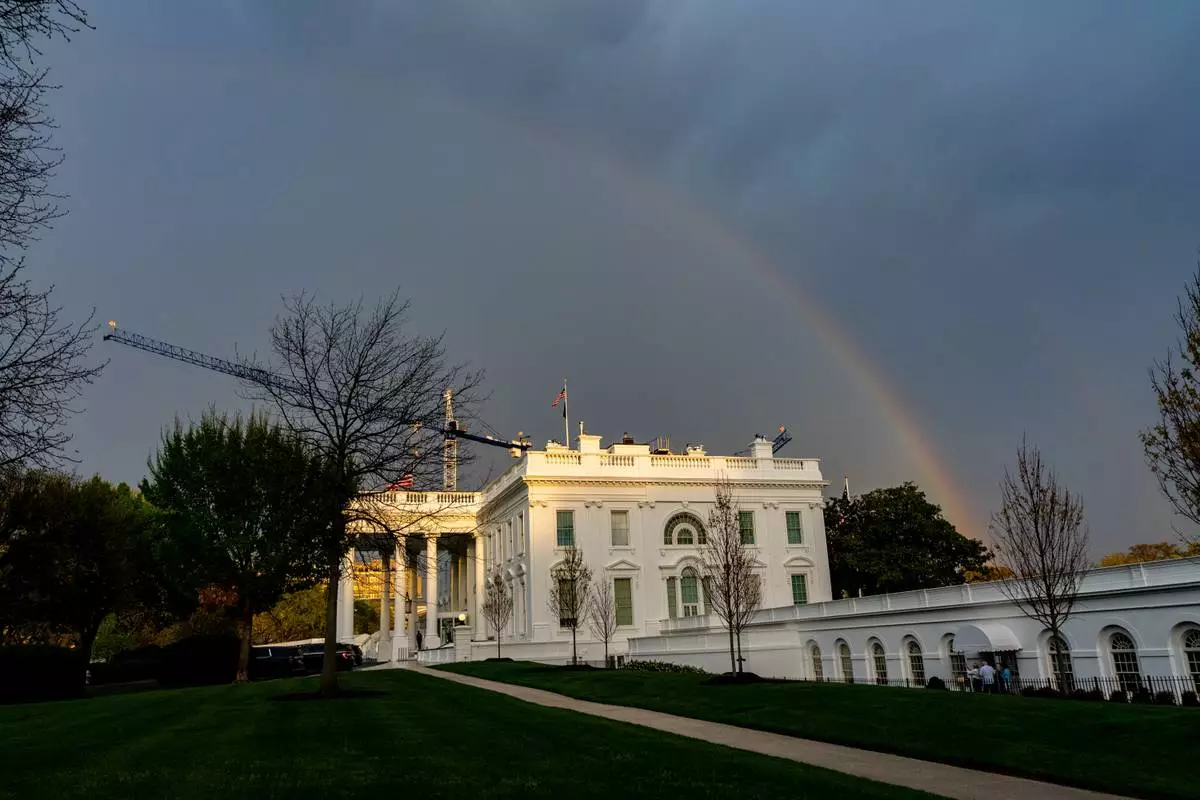
A rainbow forms over the White House on Wednesday, April 1, 2026, in Washington. (AP Photo/Alex Brandon)

A young girl is comforted by her father and Israeli soldiers as they take cover in a bomb shelter during air raid sirens warning of incoming Iranian missile strikes in Bnei Brak, Israel, Wednesday, April 1, 2026. (AP Photo/Oded Balilty)
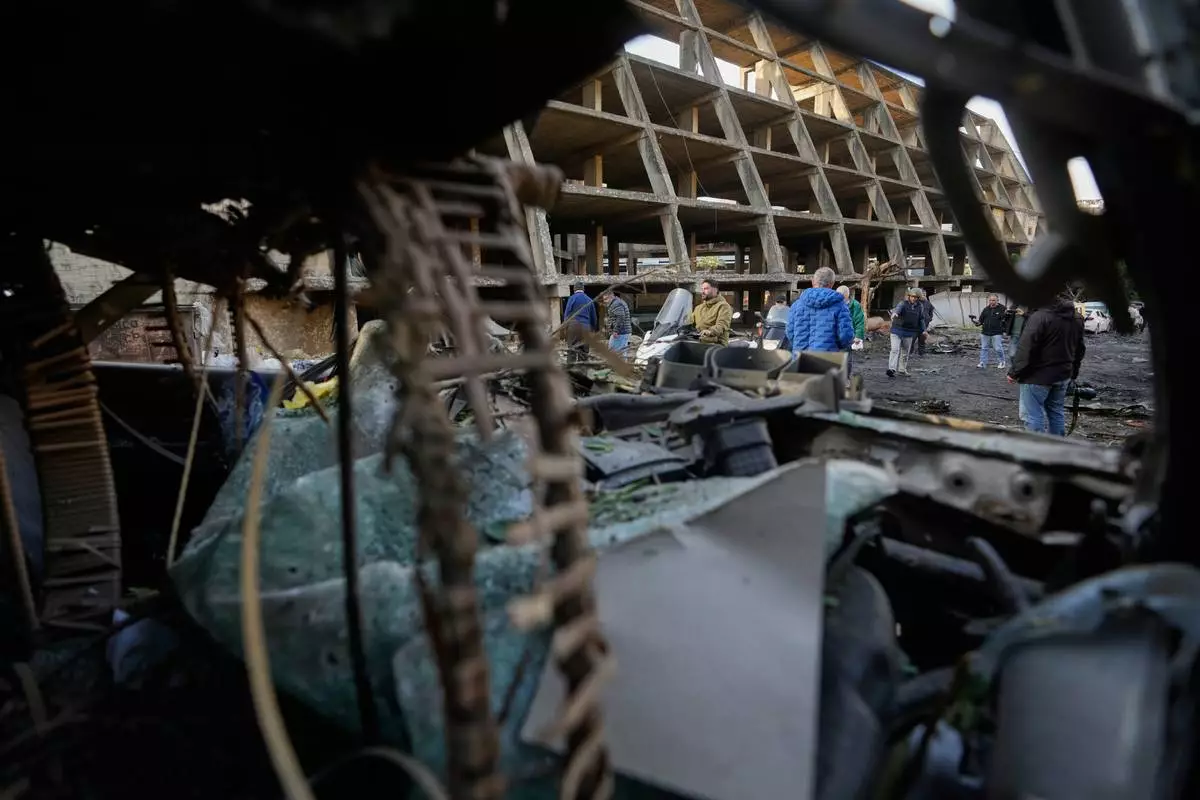
People inspect the site of an Israeli strike amid debris and damaged vehicles in Beirut, Lebanon, Wednesday, April 1, 2026. (AP Photo/Hassan Ammar)

A man feeds stray cats in Tehran, Iran, Tuesday, March 31, 2026. (AP Photo/Vahid Salemi)
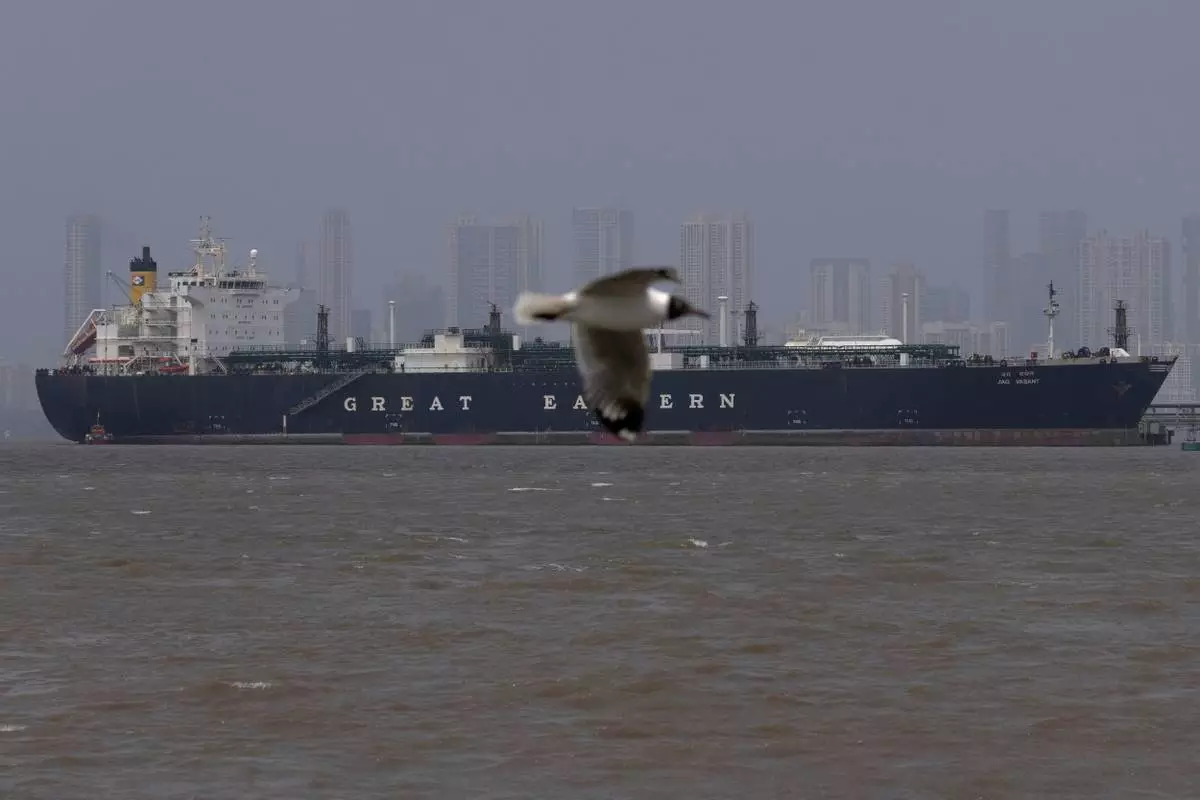
The Indian flagged LPG carrier Jag Vasant transporting liquefied petroleum gas, is seen at the Mumbai Port in Mumbai, India, after it arrived clearing the Strait of Hormuz, Wednesday, April 1, 2026. (AP Photo/Rafiq Maqbool)
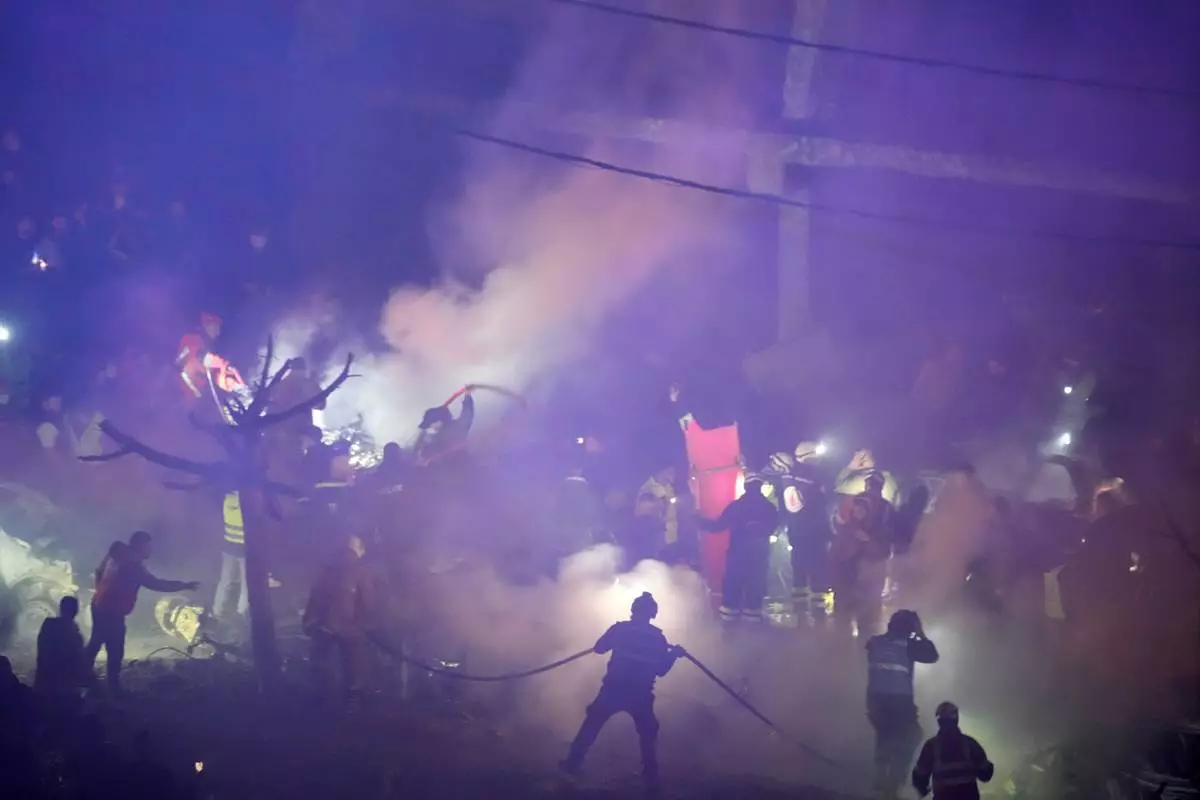
Firefighters and rescue workers work at the site of Israeli airstrikes, in Beirut, Lebanon, Wednesday, April 1, 2026. (AP Photo/Hussein Malla)
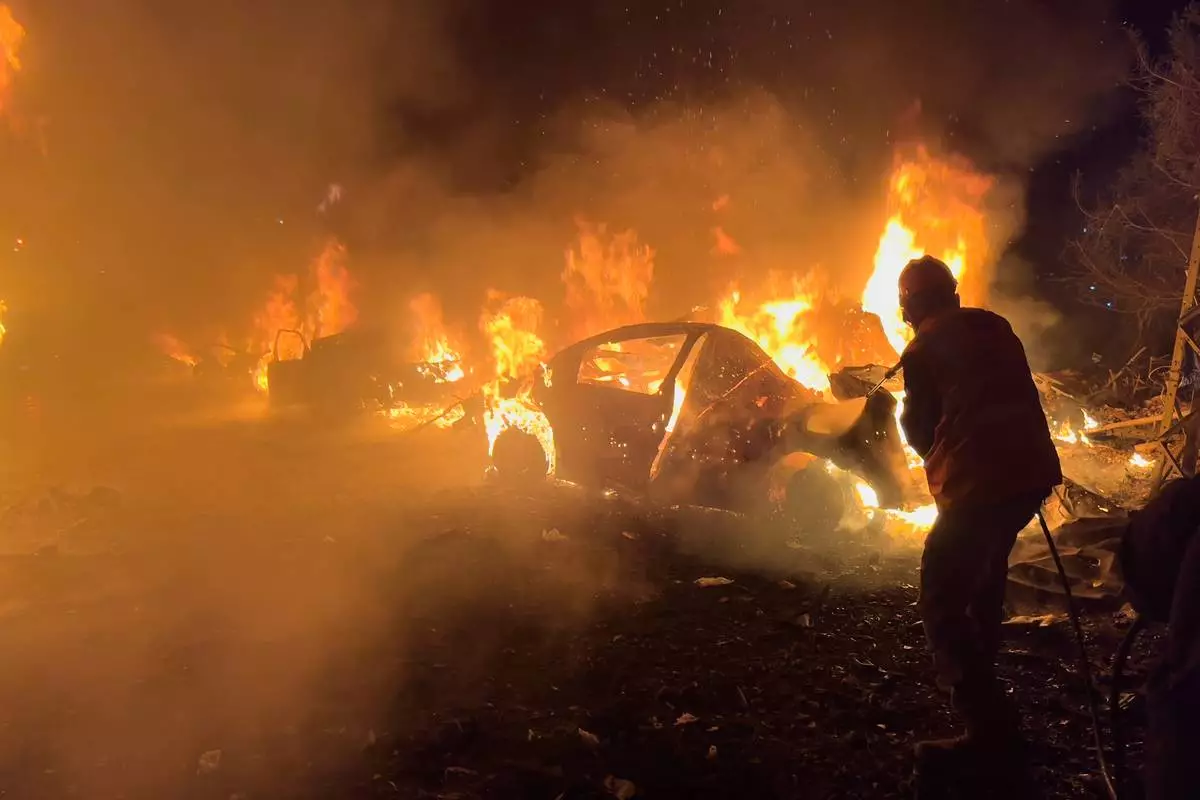
A firefighter extinguishes a car at the site of Israeli airstrikes, in Beirut, Lebanon, Wednesday, April 1, 2026. (AP Photo/Hussein Malla)
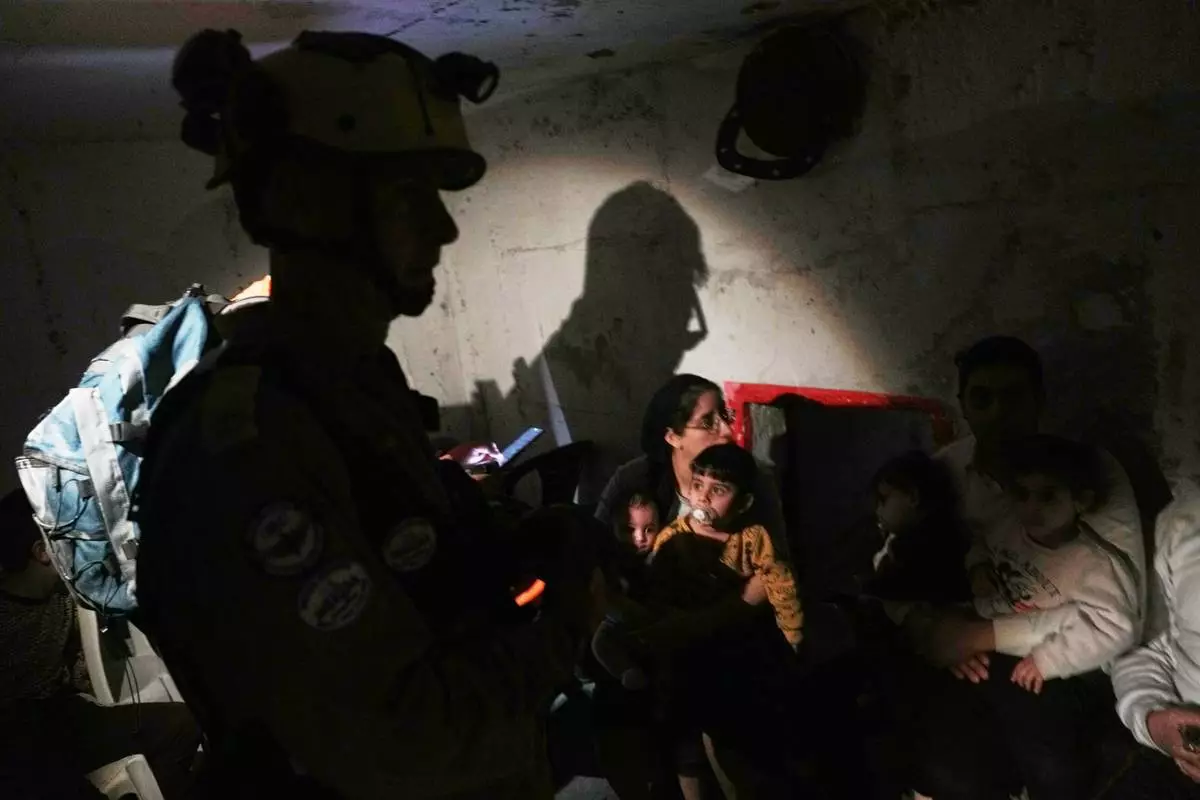
Israel's rescue teams and residents take shelter as sirens sounds next to a site struck by an Iranian missile in Bnei Brak, Wednesday, April 1, 2026. (AP Photo/Oded Balilty)

A police vehicle is seen through a shattered windshield at the site of an Israeli strike in Beirut, Lebanon, Wednesday, April 1, 2026. (AP Photo/Hassan Ammar)
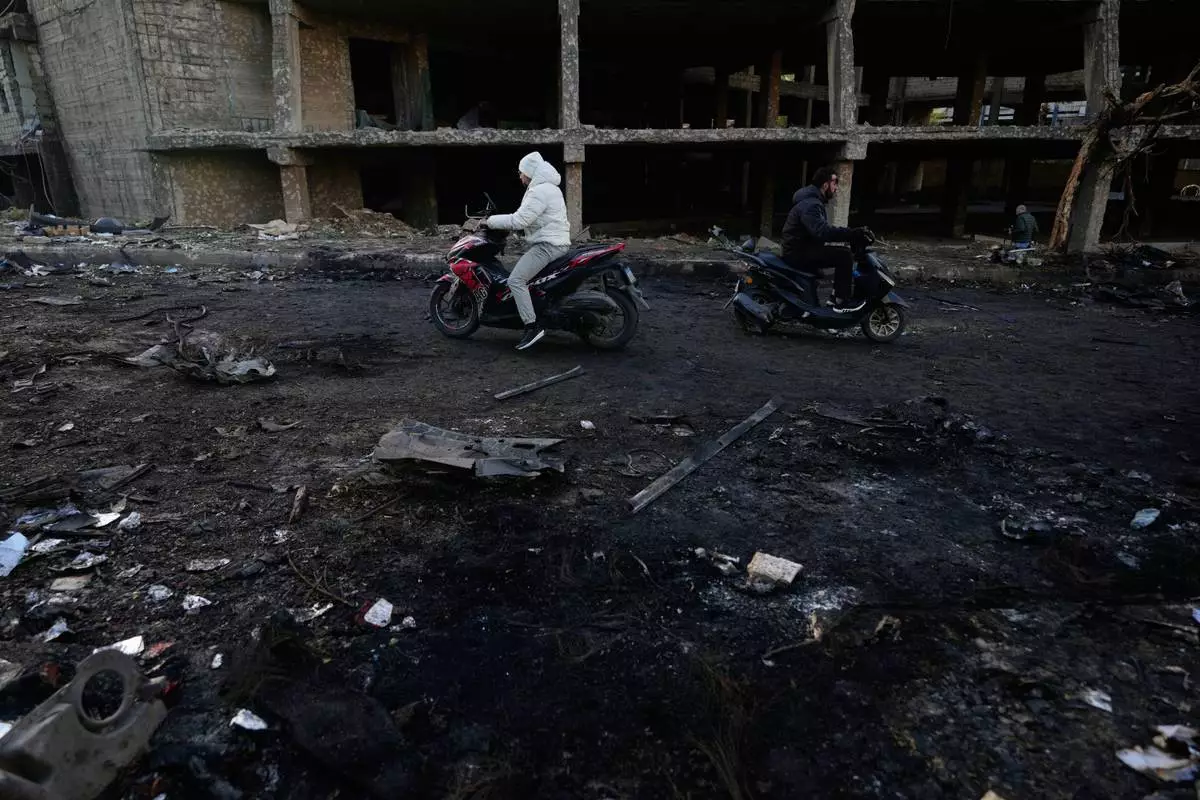
Two men ride scooters past charred debris at the site of an Israeli strike in Beirut, Lebanon, Wednesday, April 1, 2026. (AP Photo/Hassan Ammar)