NEW DELHI (AP) — India's aviation watchdog temporarily rolled back restrictions on airline crew duty hours, days after the previous order disrupted operations at major Indian airports as the country’s biggest airline, IndiGo, scrambled to restore normal services.
The new regulations mandated longer rest periods and limited night flying hours for crew and pilots to address concerns about fatigue and safety. India’s Ministry of Civil Aviation said late Friday the suspension of the new rules would go into effect immediately.
Click to Gallery
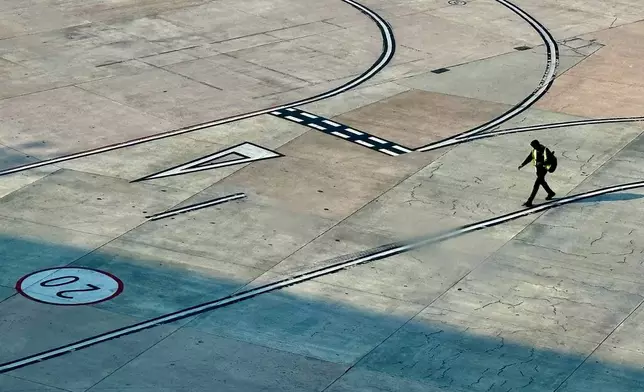
An airport official walks near a runway at the Indira Gandhi International Airport in New Delhi as several Indigo Airlines flights were cancelled or delayed, India, Thursday, Dec. 4, 2025. (AP Photo/Manish Swarup)
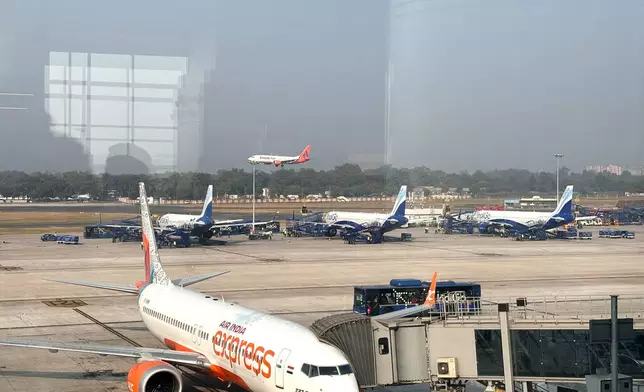
Three Indigo Airlines planes are seen through a glass window at the Indira Gandhi International Airport in New Delhi as several flights operated by the carrier were either cancelled or delayed, India, Thursday, Dec. 4, 2025. (AP Photo/Manish Swarup)
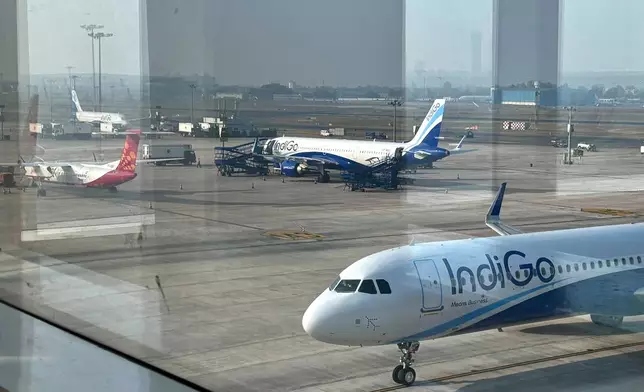
Two Indigo Airlines planes are seen through a glass window at the Indira Gandhi International Airport in New Delhi as several flights operated by the carrier were either cancelled or delayed, India, Thursday, Dec. 4, 2025. (AP Photo/Manish Swarup)
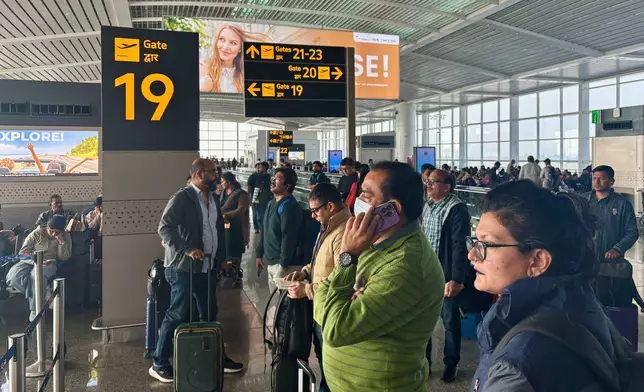
Passengers wait outside the Indira Gandhi International Airport in New Delhi, India, as several Indigo Airlines flights were either cancelled or delayed, Thursday, Dec. 4, 2025. (AP Photo/Manish Swarup)
“Without compromising on air safety, this decision has been taken solely in the interest of passengers, especially senior citizens, students, patients, and others who rely on timely air travel for essential needs,” the ministry said in a statement.
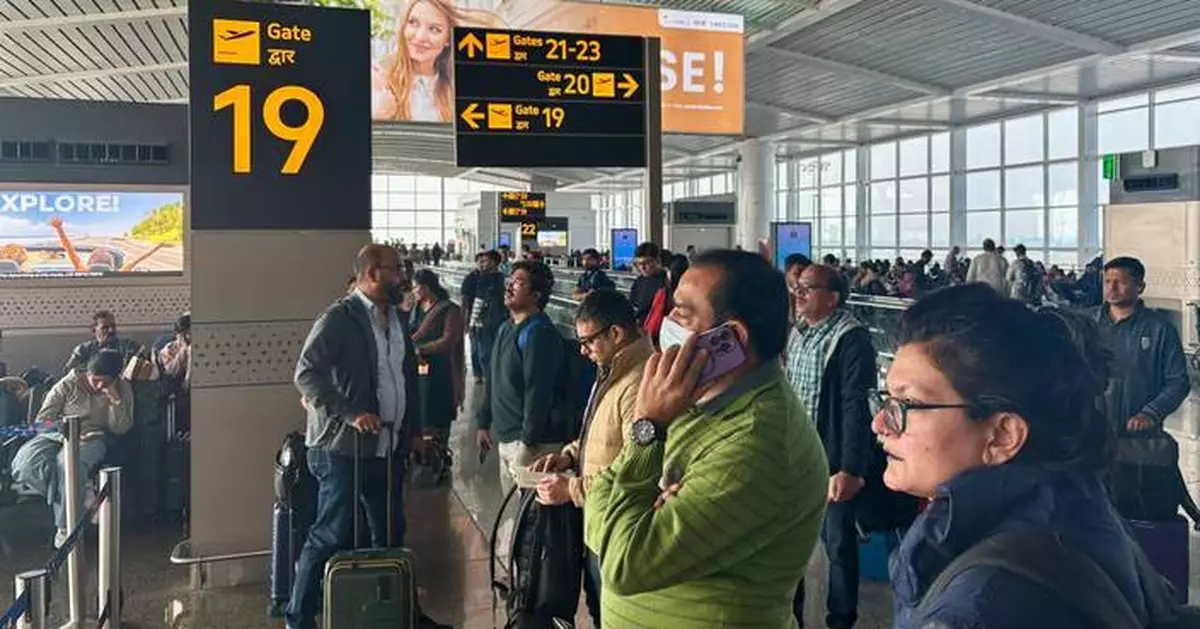
Friday was the fourth straight day of disruptions as the low-cost carrier IndiGo struggled with the rules change. Scenes of frustration played out as passengers slept on airport floors, queued for hours at customer service counters and waited without clear communication from the airline.
The first phase of the rules came into effect in July while the second phase kicked in November. IndiGo struggled to adapt its rosters in time, resulting in widespread cancellations and disruptions.
On Thursday, more than 300 IndiGo flights were grounded while several hundreds delayed. A passenger advisory from the Delhi airport Friday stated that all domestic IndiGo flights will remain cancelled until midnight. Other major airlines, including Air India, have not faced similar issues so far.
IndiGo operates around 2,300 flights daily and controls nearly 65% of India’s domestic aviation market.
Senior citizen Sajal Bose was scheduled to travel with his wife Senjuti Bose early Friday from Kolkata to New Delhi to attend a friend’s silver jubilee celebration. His flight was cancelled an hour before the scheduled take off.
Bose told The Associated Press he was now taking a nine-hour train ride to the city Bagdogra, where he plans to get a flight to New Delhi on another airline. “Its very irresponsible and complete negligence. Very difficult for older people like us,” he said.
In an internal email to employees this week, seen by The Associated Press, IndiGo CEO Pieter Elbers apologized, and cited technology glitches, schedule changes, adverse weather conditions, heightened congestion and the implementation of the new rules as the reasons for flight disruptions.
Earlier, the Civil Aviation Ministry said in a statement that the disruptions arose primarily through misjudgment and planning gaps as the airline implemented phase two of the new rules, and that the airline acknowledged that the effect on crew strength exceeded their expectations.
IndiGo had sought temporary exemptions in implementing the new rules and told the government that corrective measures were underway, indicating operations will be fully restored by Feb. 10.
Associated Press videojournalist Piyush Nagpal in New Delhi contributed to this report.
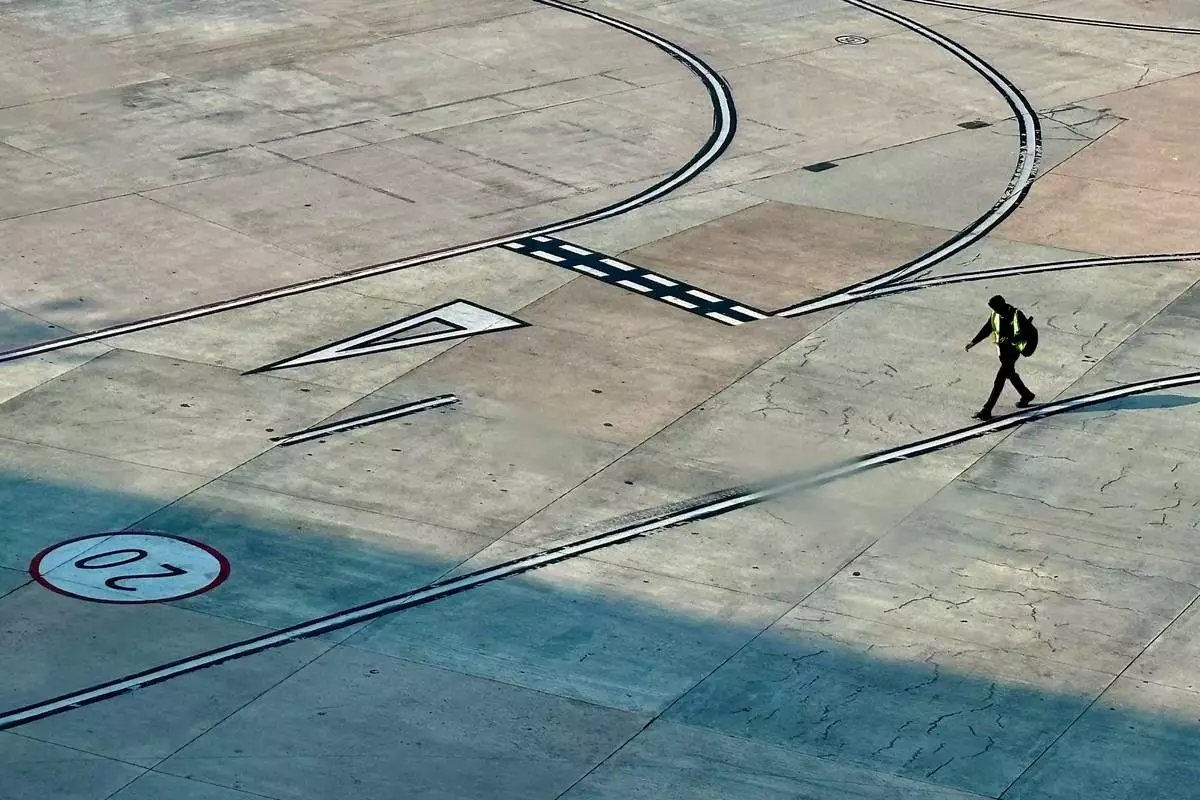
An airport official walks near a runway at the Indira Gandhi International Airport in New Delhi as several Indigo Airlines flights were cancelled or delayed, India, Thursday, Dec. 4, 2025. (AP Photo/Manish Swarup)
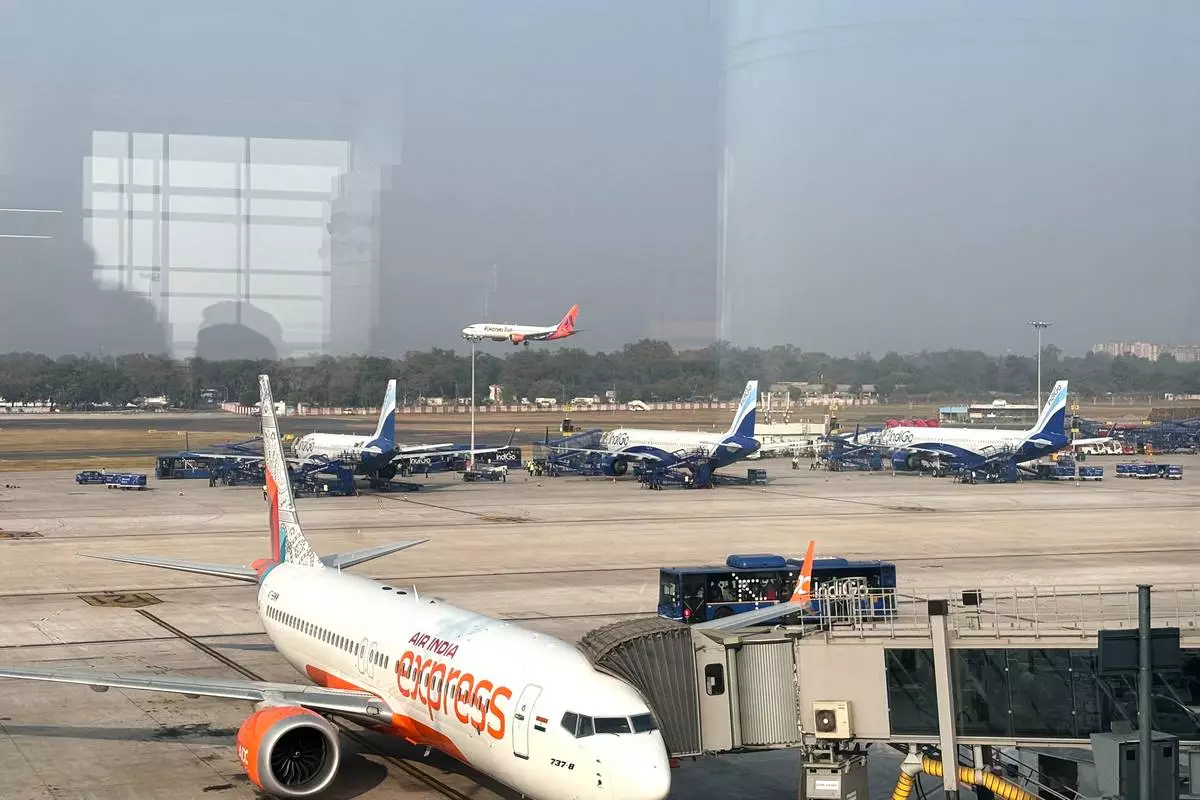
Three Indigo Airlines planes are seen through a glass window at the Indira Gandhi International Airport in New Delhi as several flights operated by the carrier were either cancelled or delayed, India, Thursday, Dec. 4, 2025. (AP Photo/Manish Swarup)
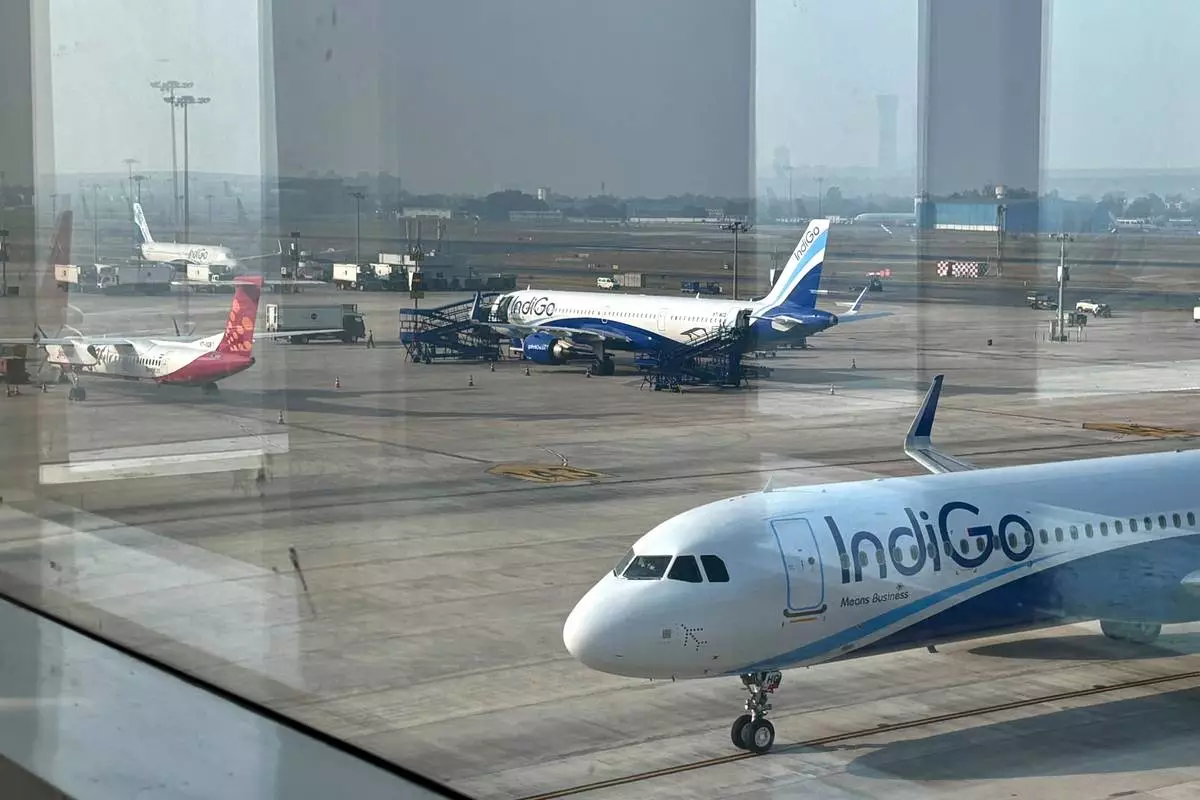
Two Indigo Airlines planes are seen through a glass window at the Indira Gandhi International Airport in New Delhi as several flights operated by the carrier were either cancelled or delayed, India, Thursday, Dec. 4, 2025. (AP Photo/Manish Swarup)
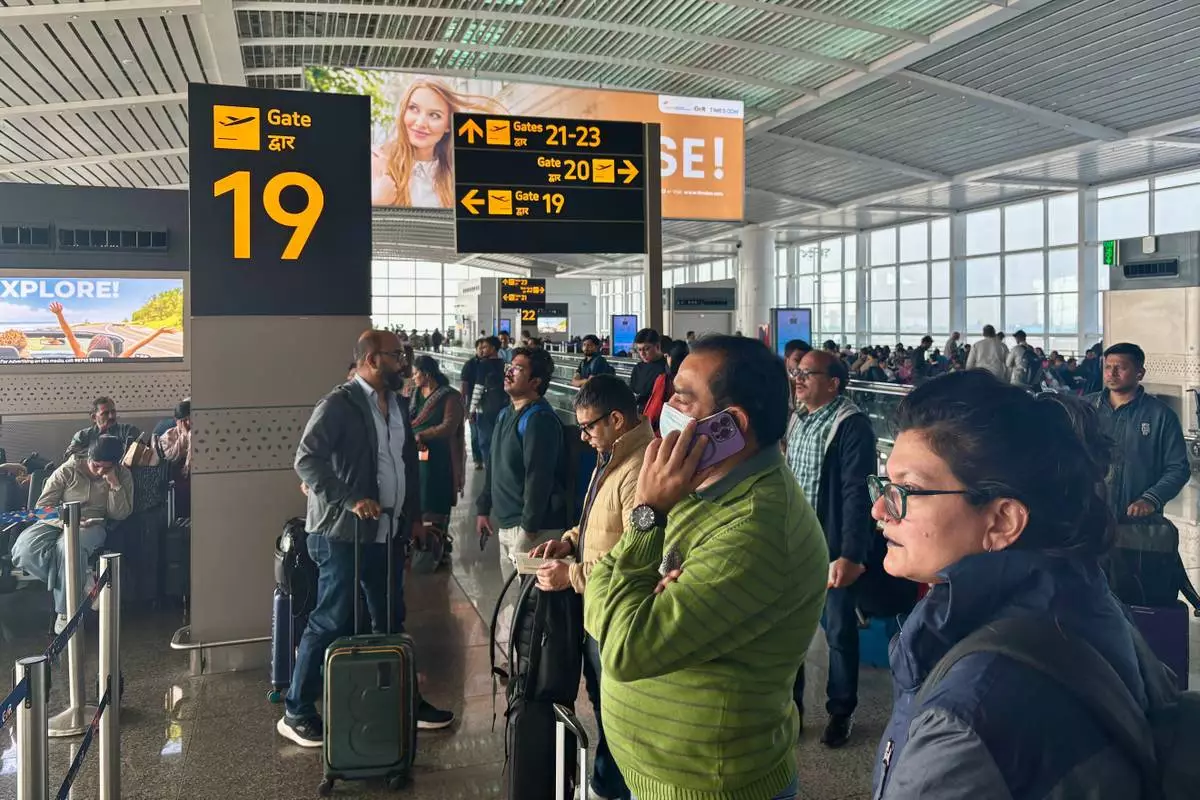
Passengers wait outside the Indira Gandhi International Airport in New Delhi, India, as several Indigo Airlines flights were either cancelled or delayed, Thursday, Dec. 4, 2025. (AP Photo/Manish Swarup)