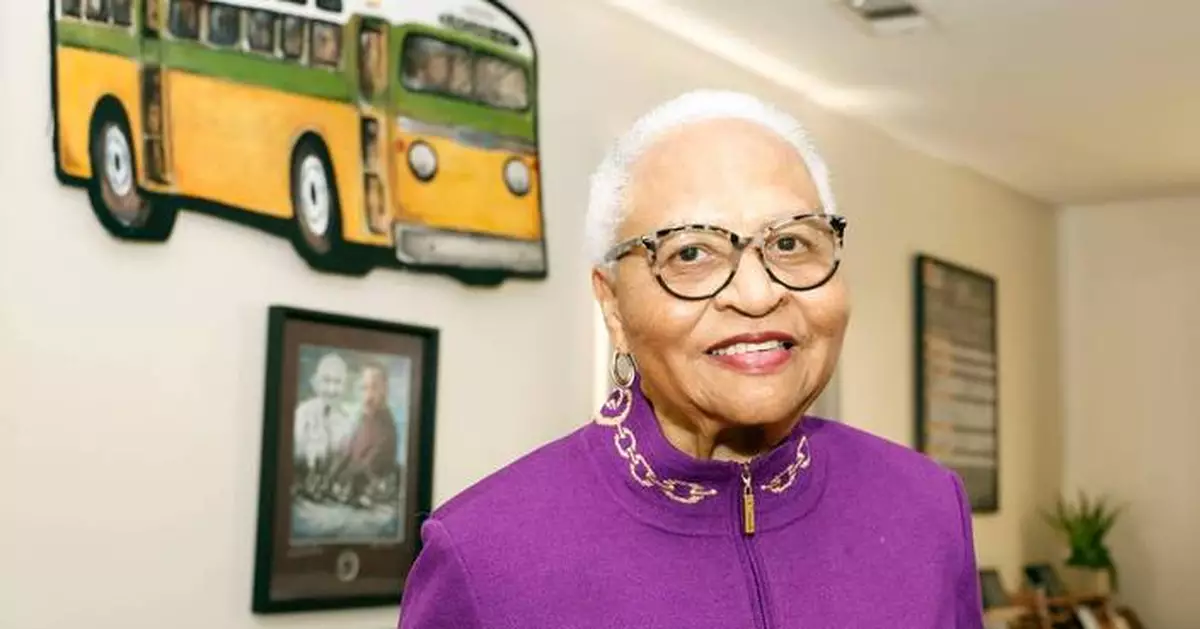
MONTGOMERY, Ala. (AP) — Doris Crenshaw was 12 years old on Dec. 5, 1955, when she and her sister eagerly rushed door to door in their neighborhood, distributing flyers prepared by activists planning a boycott of city buses in Montgomery, Alabama.
“Don’t ride the bus to work, to town, to school or any place on Monday,” the flyers read, urging people to attend a mass meeting that evening.
Click to Gallery
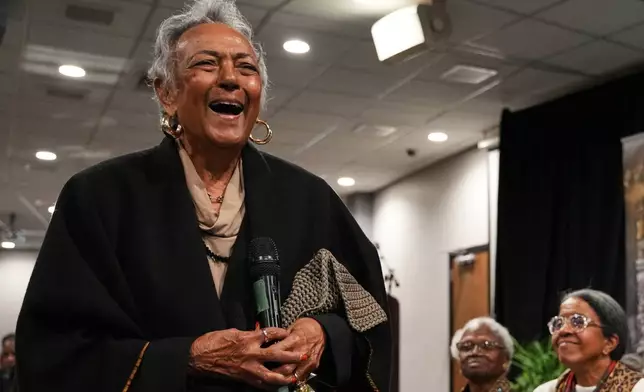
Rosalyn King laughs during a "family reunion" to commemorate the 70th anniversary of the Montgomery Bus Boycott, Friday, Dec. 5, 2025, in Montgomery, Ala. (AP Photo/Olivia Bowdoin)
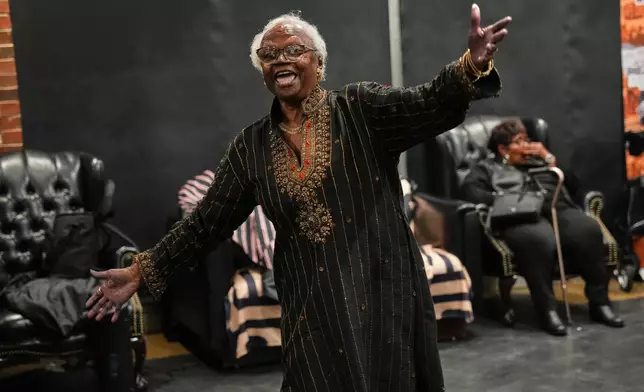
Jamila Jones, sister of Doris Crenshaw and who passed out pamphlets alongside Rosa Parks, sings during a "family reunion" to commemorate the 70th anniversary of the Montgomery Bus Boycott, Friday, Dec. 5, 2025, in Montgomery, Ala. (AP Photo/Olivia Bowdoin)
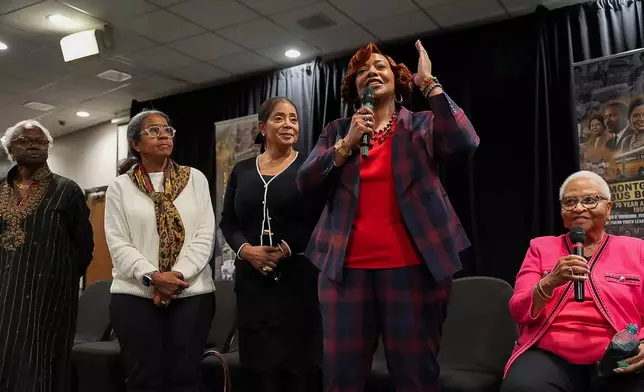
Rev. Dr. Bernice A. King, daughter of the late Rev. Martin Luther King Jr., speaks during a "family reunion" held to commemorate the 70th anniversary of the Montgomery Bus Boycott, Friday, Dec. 5, 2025, in Montgomery, Ala. (AP Photo/Olivia Bowdoin)
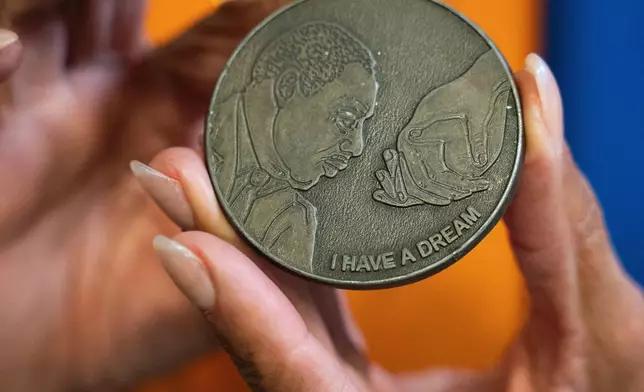
Deborah Scott holds a Martin Luther King Jr. commemorative medallion awarded to her as a symbolic passing of the baton to the next generation of civil rights leaders at The Movement Center, in Atlanta, Sunday, Nov. 30, 2025. (AP Photo/Olivia Bowdoin)
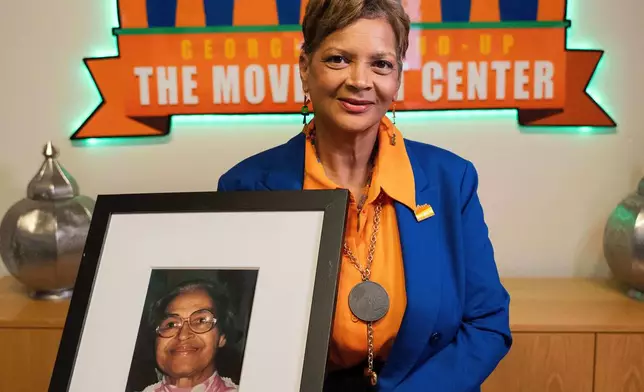
Deborah Scott, CEO of Georgia Stand-Up, holds a portrait of civil rights activist Rosa Parks, while marking the 70th anniversary of the Montgomery bus boycott at The Movement Center, in Atlanta, Sunday, Nov. 30, 2025. (AP Photo/Olivia Bowdoin)
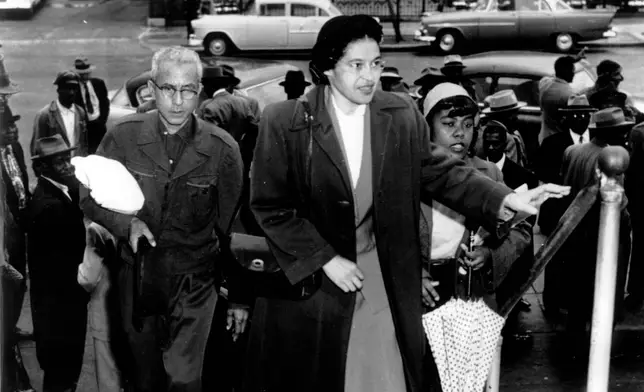
FILE - Rosa Parks arrives at circuit court to be arraigned in the racial bus boycott in Montgomery, Ala., Feb. 24, 1956. (AP Photo, File)
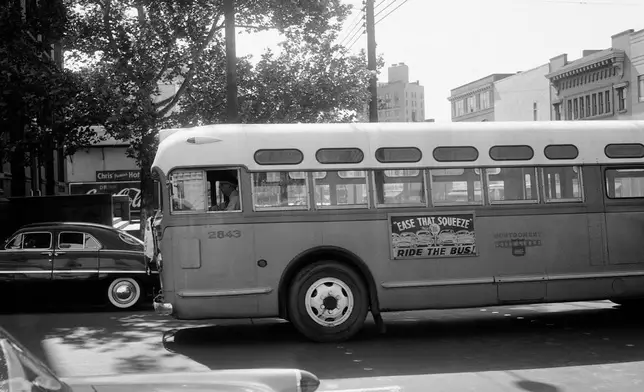
FILE - A man drives an empty bus through downtown Montgomery, Ala., April 26, 1956, during the Montgomery Bus Boycott. (AP Photo/Horace Cort, File)
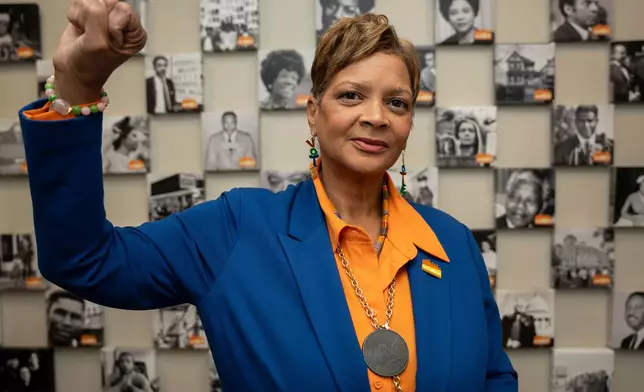
Deborah Scott, CEO of Georgia Stand-Up, raises her fist while standing in front of a wall honoring unsung heroes of the civil rights movement at The Movement Center, in Atlanta, Sunday, Nov. 30, 2025. (AP Photo/Olivia Bowdoin)
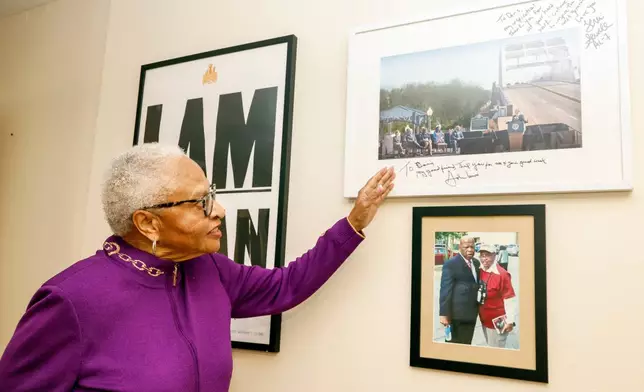
Dorris Crenshaw points to a photo of the Edmund Pettus Bridge as she prepares for the 70th anniversary of Rosa Park's Bus Boycott, Monday, Nov. 24, 2025, in Montgomery, Ala. (AP Photo/Butch Dill)
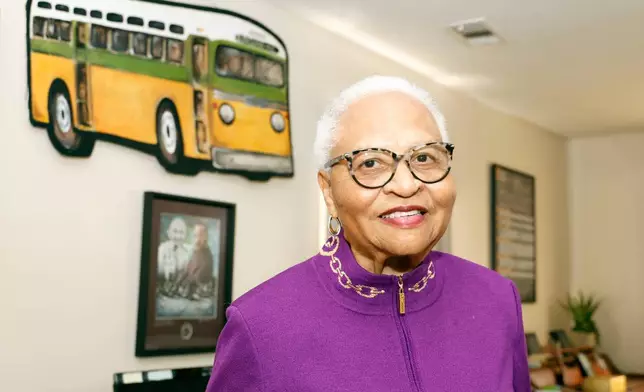
Dorris Crenshaw poses for photos for the 70th anniversary of Rosa Park's Bus Boycott, Monday, Nov. 24, 2025, in Montgomery, Ala. (AP Photo/Butch Dill)
There was a sense of urgency. Days earlier, Rosa Parks, the secretary of the local NAACP chapter, had been the latest Black person arrested for refusing to give up a bus seat to a white passenger on the segregated buses. For 381 days, an estimated 40,000 Black residents stayed off city buses — opting to walk, ride in car pools or take Black-owned cabs — until a legal challenge struck down bus-segregation laws.
“In this city there was a groundswell of a need to do something about what was going on in the buses, because a lot of people were arrested,” Crenshaw, now 82, recalled.
The Montgomery Bus Boycott marked its 70th anniversary Friday — many of the boycott organizers' descendants, including those of late civil rights icons the Rev. Martin Luther King Jr. and the Rev. Ralph D. Abernathy Sr., plan to reunite in the Alabama city where it all started. Widely considered the beginning of the modern Civil Rights Movement, the bus boycott demonstrated the power of sustained nonviolent protest and economic pressure that continues to provide a model for the activism today.
A group of national organizers encouraged people to avoid the temptation of Black Friday and Cyber Monday deals, aiming the action at corporations like Target and Amazon for phasing out diversity, equity and inclusion initiatives and financially backing the Trump administration.
“Any time there can be a strategic and organized response to corporate behavior or exclusionary policy, communities should be free to identify the best approach to address the harm that’s being created," NAACP President Derrick Johnson said in a phone interview Thursday.
“Boycotting is one tool in the toolbox. At the NAACP, we call it selective buying campaigns.”
At a Friday celebration at the Holt Street Baptist Church, the site of the mass meeting that launched the boycott, speakers connected past to present. The church now serves as a civil rights museum.
“What happened here changed the world,” the Rev. Willie D. McClung said from the pulpit. Audio of King’s Dec. 5, 1955, speech thundered through the church, and a refurbished bus from the era of the boycott was parked outside.
The Rev. Bernice A. King, King's daughter, said what transpired in Montgomery continues to be a “blueprint for any movement for freedom, justice and equality.” She said she thinks about the words of her mother, Coretta Scott King: “Struggle is a never ending process.”
“Freedom is never really won," King said Friday. “You earn it and win it in every generation. And so the freedom movement has to be intergenerational, and it’s important that the younger generation learn from those that are still left behind.”
The 70th anniversary was marked at multiple events in Montgomery paying homage to the key moment in American history and bringing calls to recommit to the fight for equality.
At a gathering on the campus of Alabama State University, the children of civil rights leaders, including King and the children of the Rev. Ralph Abernathy, met with the living foot soldiers of the movement. Donzaleigh Abernathy recalled her mother's description of the 1957 night their Montgomery home was bombed along with Black churches in Montgomery. Others recalled the joy of seeing empty buses rolling in 1955, proof that the boycott was working.
Parks' Dec. 1, 1955, arrest was the final catalyst for the boycott that had been quietly discussed by some activists in the city. The seats at the front of the city buses were reserved for white people. And Black passengers, who were forced to sit in the back, were expected to give up their seats if the white section became full.
Contrary to the story that is often told, Parks, who died in 2005, wrote that she was not particularly tired from work that day when she took a stand by keeping her seat.
“No, the only tired I was, was tired of giving in,” Parks wrote in her autobiography.
Parks was a beloved figure in the town, Crenshaw recalled. She led the NAACP Youth Council and Crenshaw and other members would meet at the Parks' apartment each week.
Pulling off the boycott for more than a year took an extreme amount of dedication and discipline, Crenshaw recalled.
“We walked, and we kept walking,” said Crenshaw, who went on to a lifetime of civil rights activism.
The Rev. Jamal Bryant, a Georgia pastor who helped organize the Target boycott, has found some “dizzying” opposition and skepticism from Black pastors and leaders, but said it's been a learning experience to fight through and help people understand.
“Everything we are doing, we stole from y’all," Bryant told the crowd in Montgomery. "So thank you so very much for giving us the blueprint on how to get it done.”
While the specific methods have changed, the underlying goal of leveraging the economic power of the community to drive social and policy change remains the same, said Deborah Scott, the CEO of Georgia Stand-Up. The organization is focused on economic and social justice issues and emphasizes engaging and developing the next generation of activists and leaders.
Scott said she was a teenager when she arrived in Atlanta more than 30 years ago to begin organizing with the Southern Christian Leadership Conference around the anti-apartheid movement. She worked to free South African anti-apartheid activist Nelson Mandela and to establish a holiday honoring King.
Just like the original Montgomery boycott, which sought access to affordable, non-discriminatory transportation by bringing large groups of people together to drive change, the success of boycotts after it required an unshakeable sense of unity.
With widespread use of social media platforms, today’s boycotts look different. Scott said the biggest change in boycotting with the newer generation is the focus on using consumer purchasing power to pressure companies to change their policies or practices.
“We’re encouraging people to really dig deep about where they want to spend their dollars," she said.
Madison Pugh, at 13, is about the same age that Crenshaw was when she became involved in the Montgomery Bus Boycott. The eighth grader decided with her grandmother not to shop at Target. Living in Montgomery, Pugh is growing up surrounded by the history of the civil rights movement that transpired decades before she was born. The stories from Crenshaw and others are more than just inspiring, she said.
“It's saddening to the heart to know that a whole group of people weren't allowed to go somewhere and have an education or be treated as humans because they were a different skin color," Pugh said. "It definitely lets me know that the job will never be finished and you have to keep pushing.”
Green reported from New York. Race and Ethnicity news editor Aaron Morrison in New York contributed.
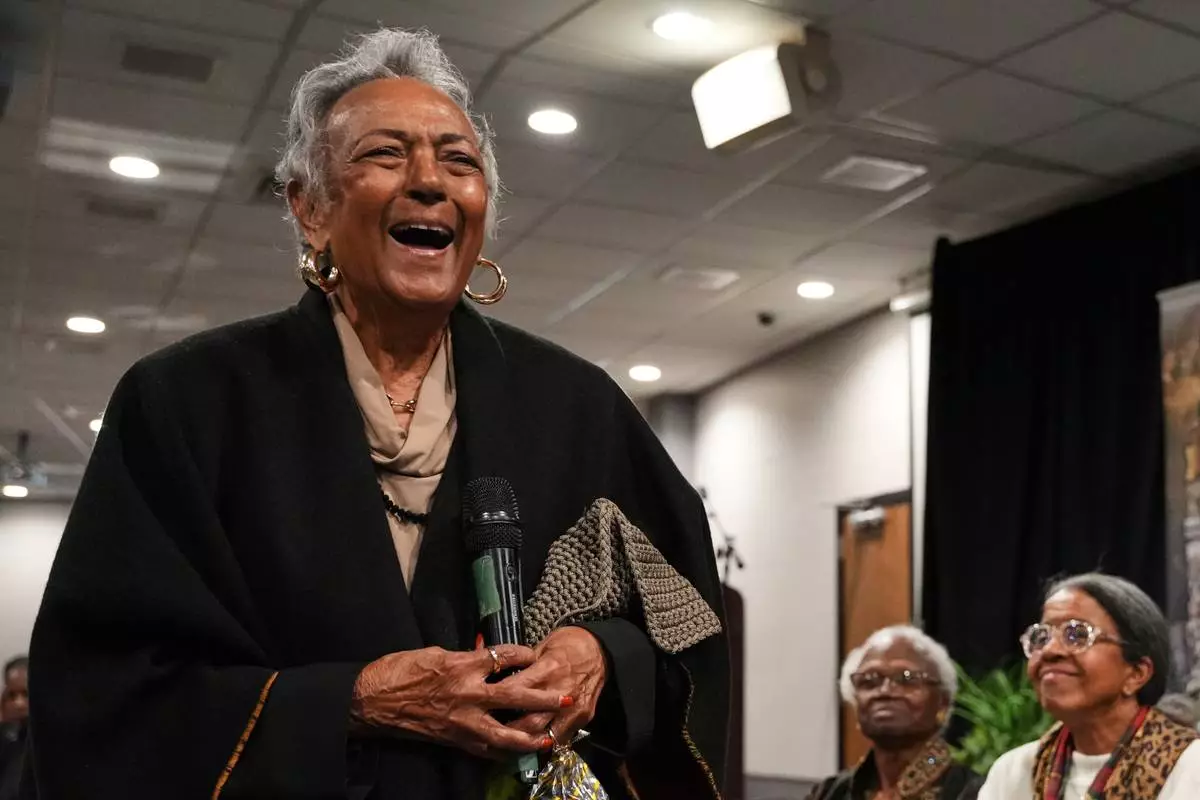
Rosalyn King laughs during a "family reunion" to commemorate the 70th anniversary of the Montgomery Bus Boycott, Friday, Dec. 5, 2025, in Montgomery, Ala. (AP Photo/Olivia Bowdoin)
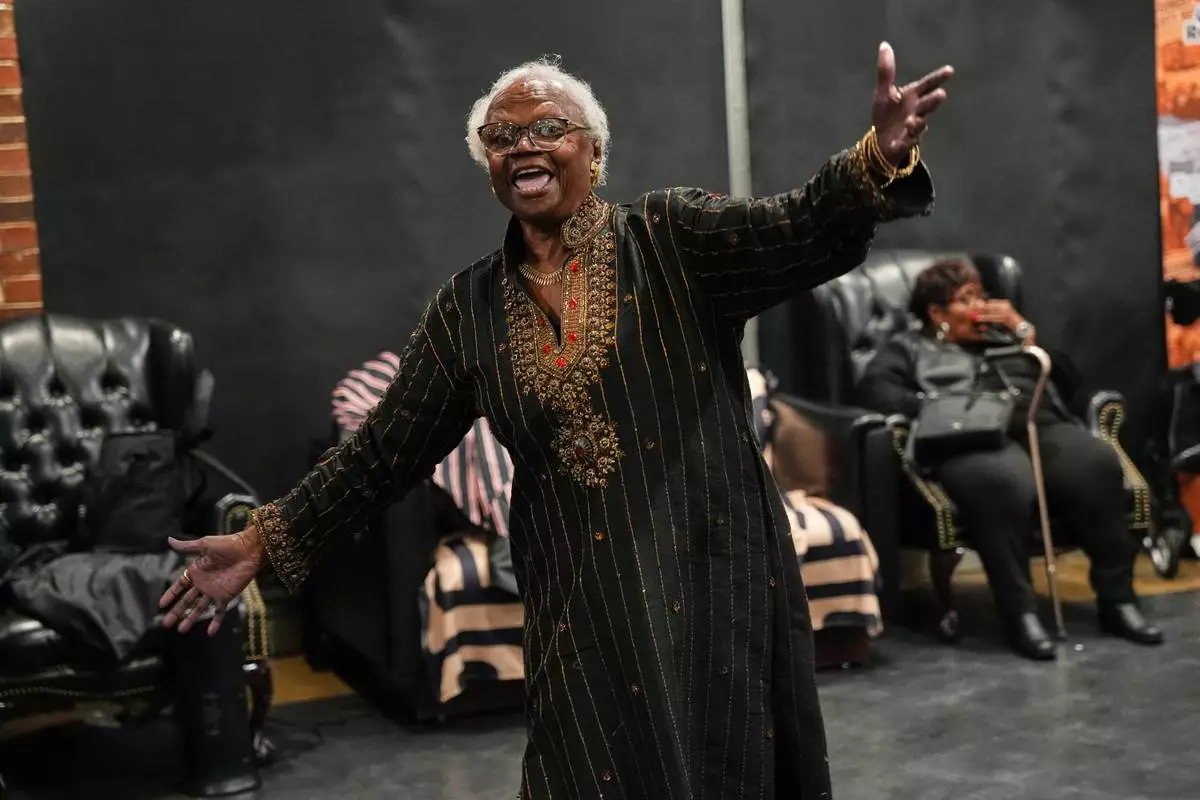
Jamila Jones, sister of Doris Crenshaw and who passed out pamphlets alongside Rosa Parks, sings during a "family reunion" to commemorate the 70th anniversary of the Montgomery Bus Boycott, Friday, Dec. 5, 2025, in Montgomery, Ala. (AP Photo/Olivia Bowdoin)
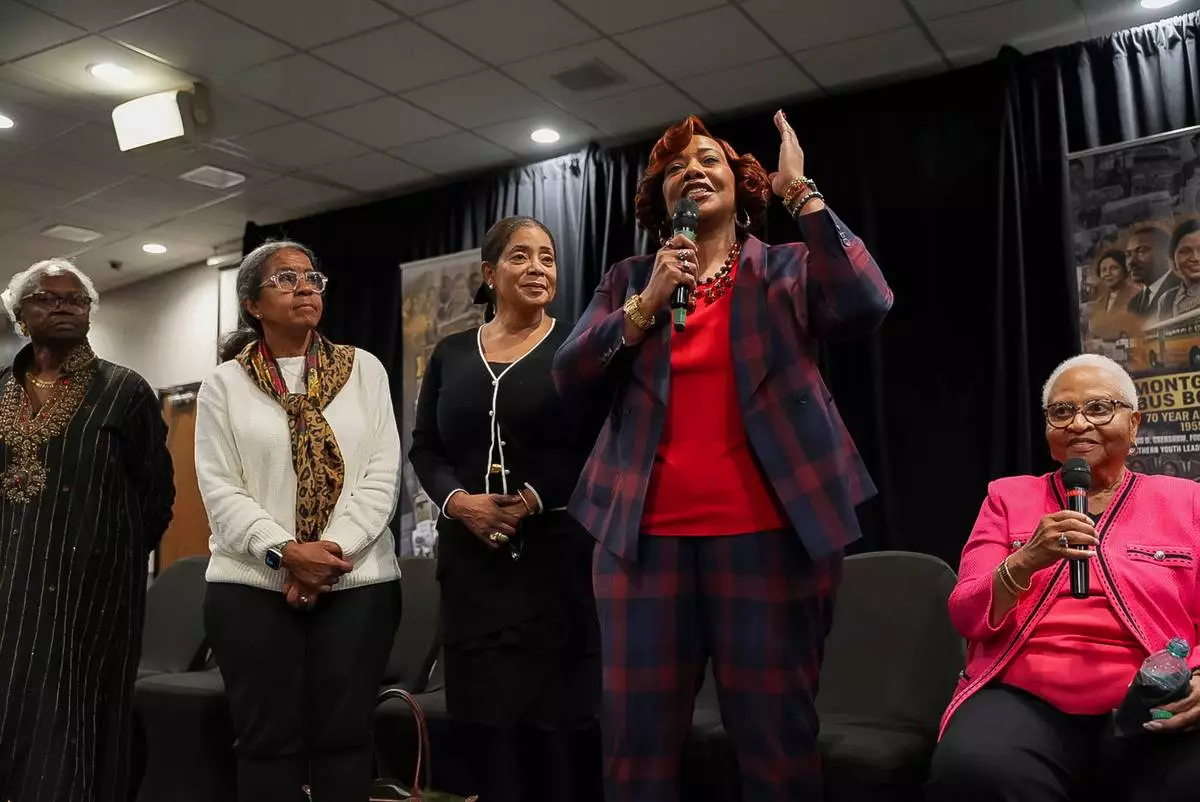
Rev. Dr. Bernice A. King, daughter of the late Rev. Martin Luther King Jr., speaks during a "family reunion" held to commemorate the 70th anniversary of the Montgomery Bus Boycott, Friday, Dec. 5, 2025, in Montgomery, Ala. (AP Photo/Olivia Bowdoin)
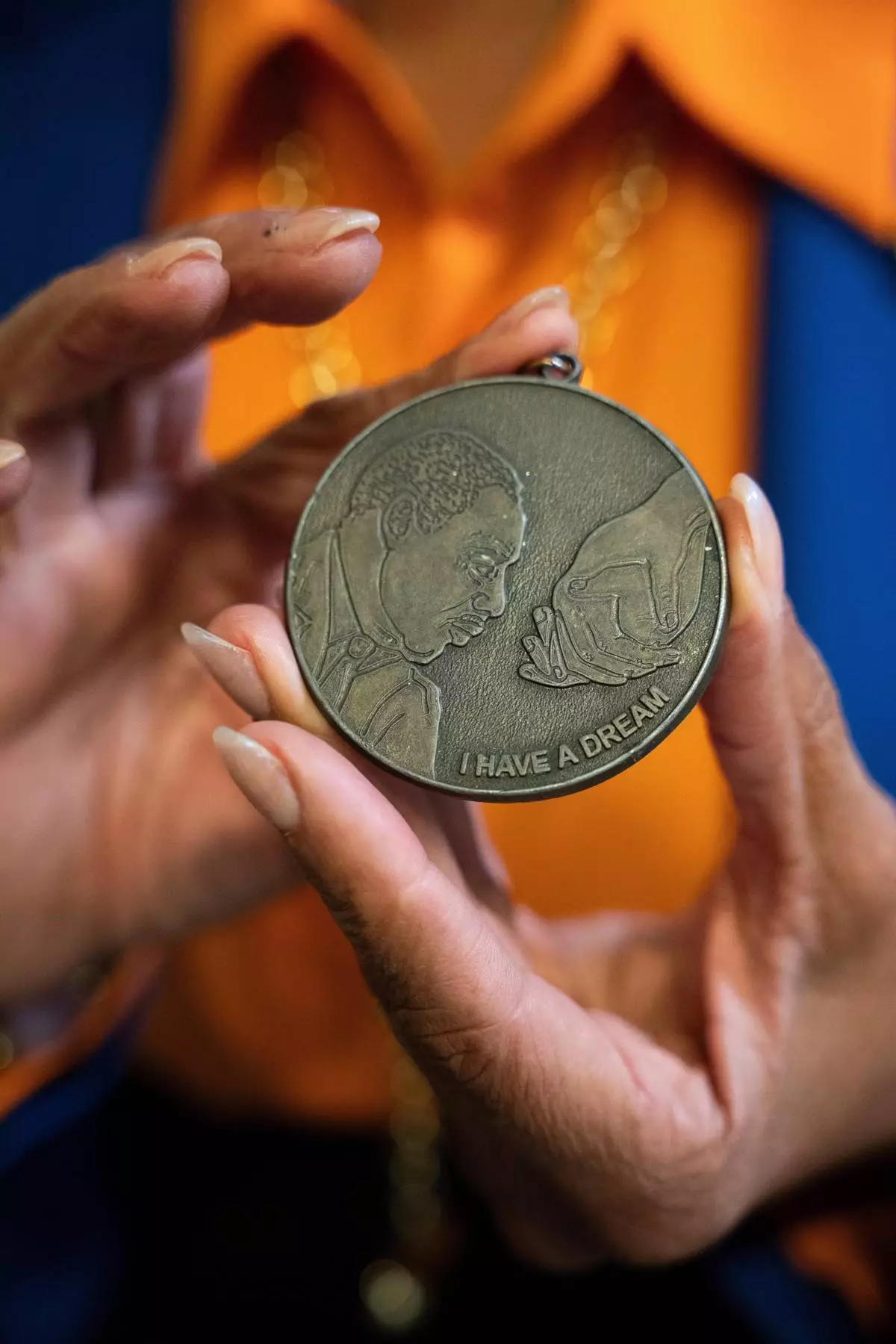
Deborah Scott holds a Martin Luther King Jr. commemorative medallion awarded to her as a symbolic passing of the baton to the next generation of civil rights leaders at The Movement Center, in Atlanta, Sunday, Nov. 30, 2025. (AP Photo/Olivia Bowdoin)
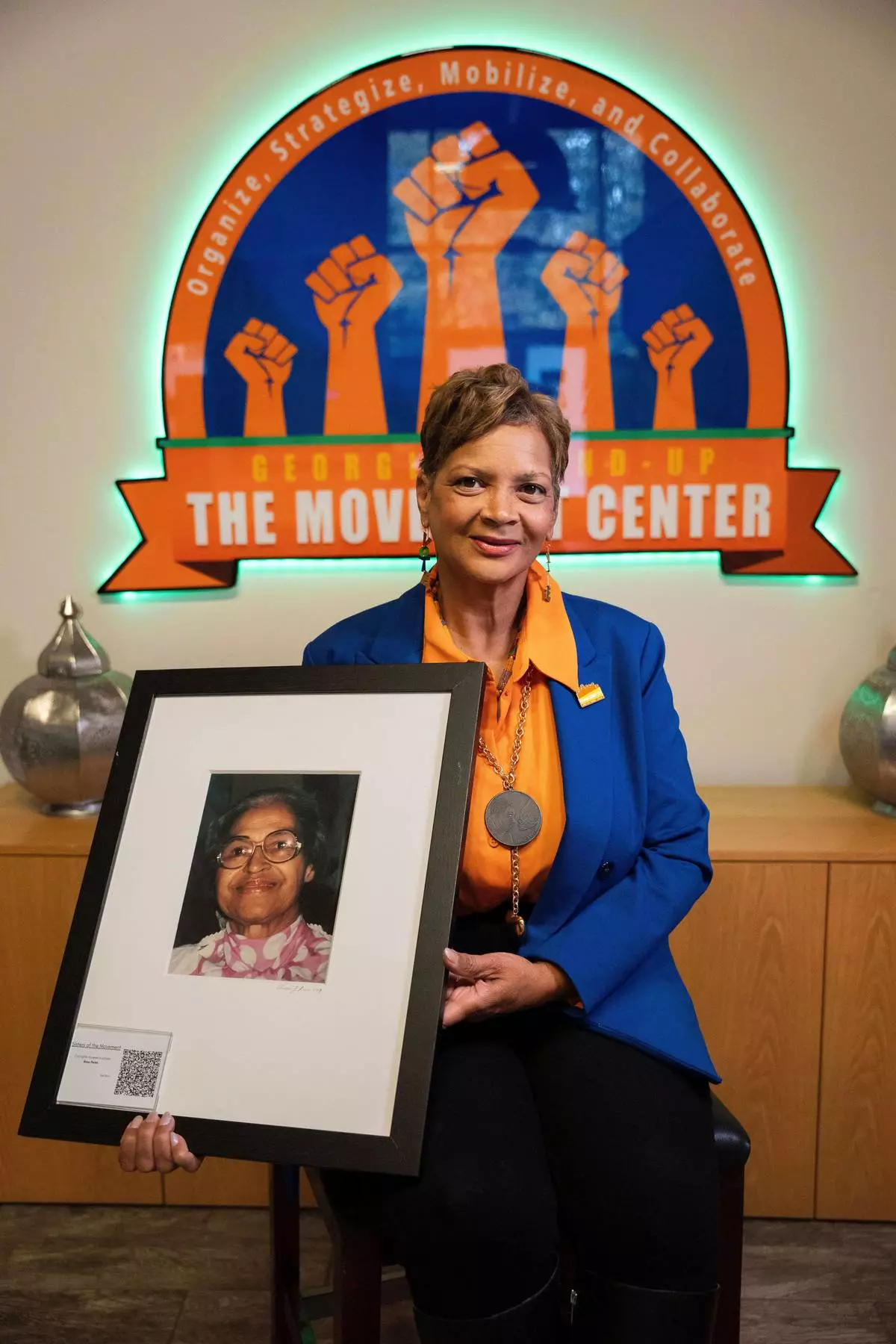
Deborah Scott, CEO of Georgia Stand-Up, holds a portrait of civil rights activist Rosa Parks, while marking the 70th anniversary of the Montgomery bus boycott at The Movement Center, in Atlanta, Sunday, Nov. 30, 2025. (AP Photo/Olivia Bowdoin)
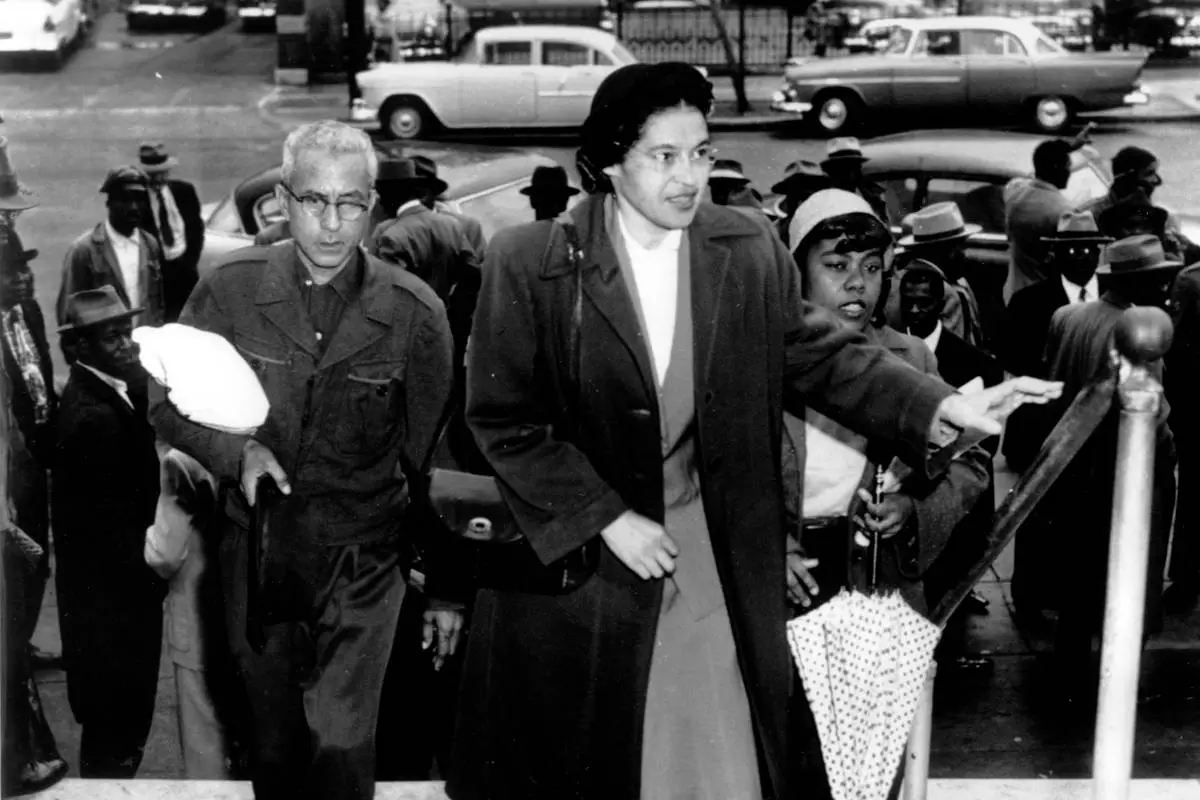
FILE - Rosa Parks arrives at circuit court to be arraigned in the racial bus boycott in Montgomery, Ala., Feb. 24, 1956. (AP Photo, File)
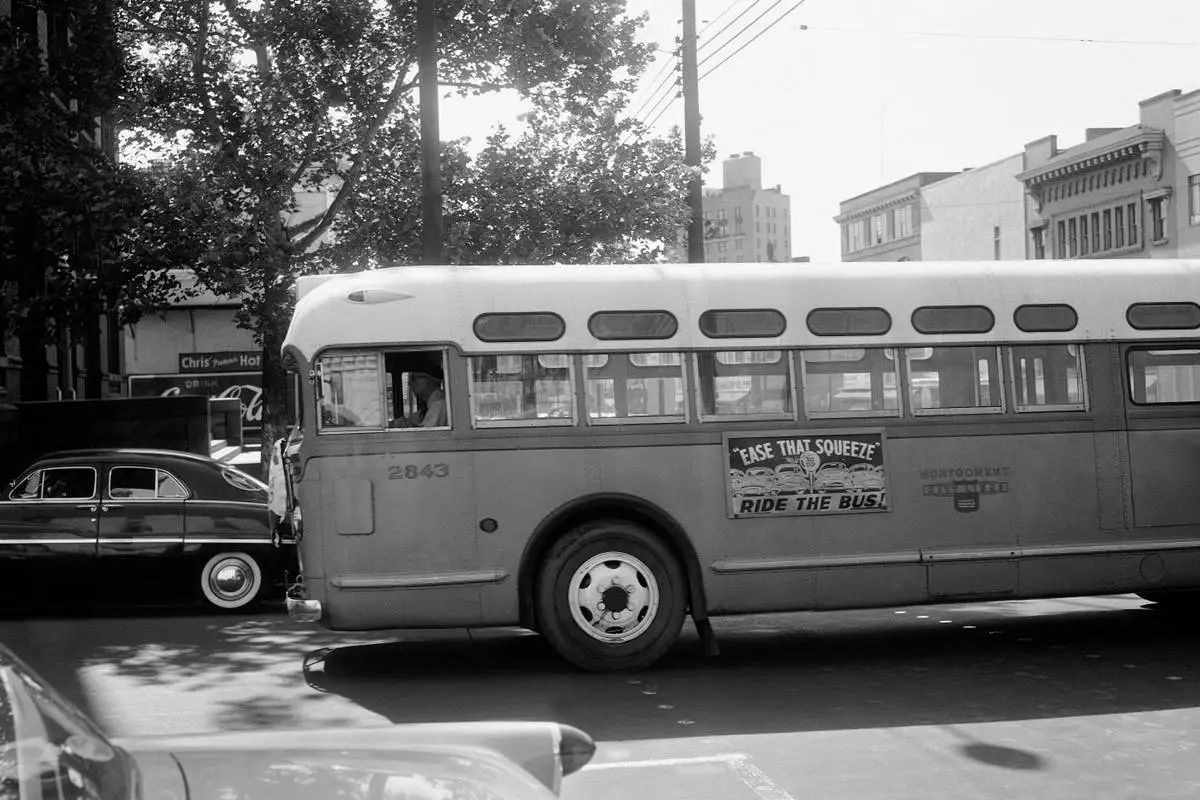
FILE - A man drives an empty bus through downtown Montgomery, Ala., April 26, 1956, during the Montgomery Bus Boycott. (AP Photo/Horace Cort, File)
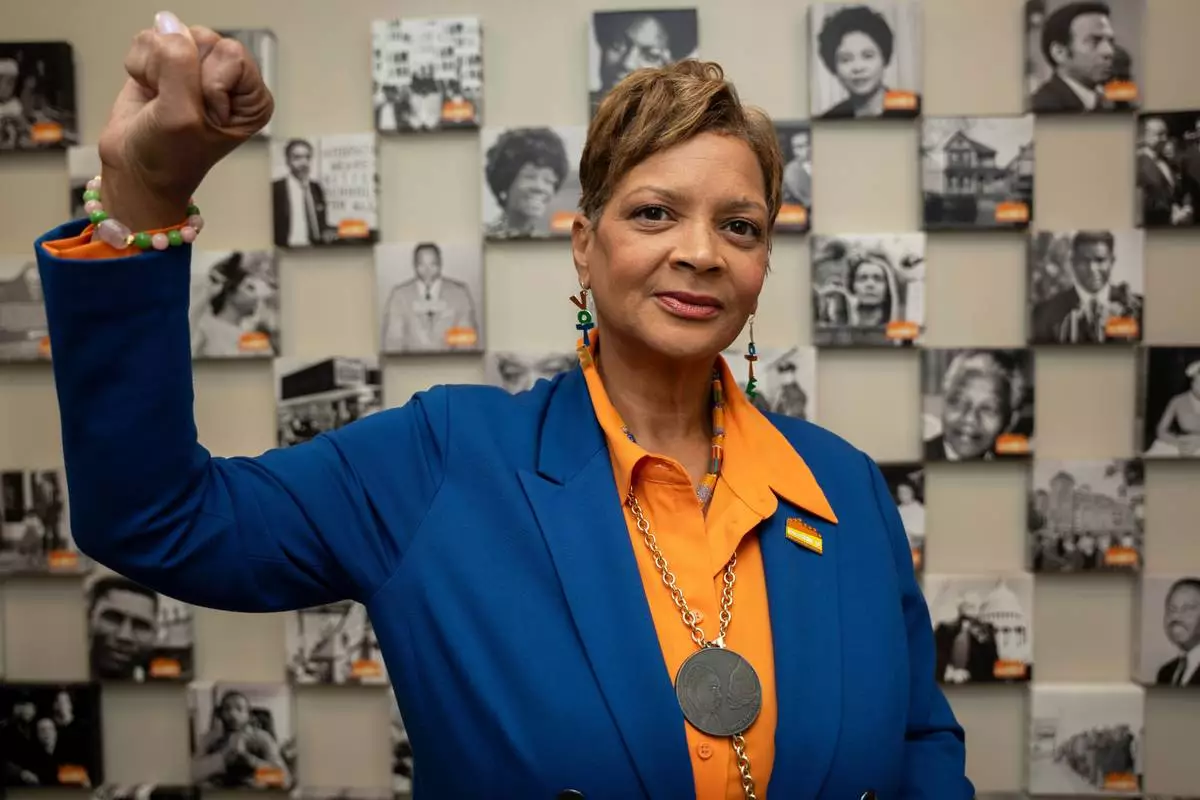
Deborah Scott, CEO of Georgia Stand-Up, raises her fist while standing in front of a wall honoring unsung heroes of the civil rights movement at The Movement Center, in Atlanta, Sunday, Nov. 30, 2025. (AP Photo/Olivia Bowdoin)
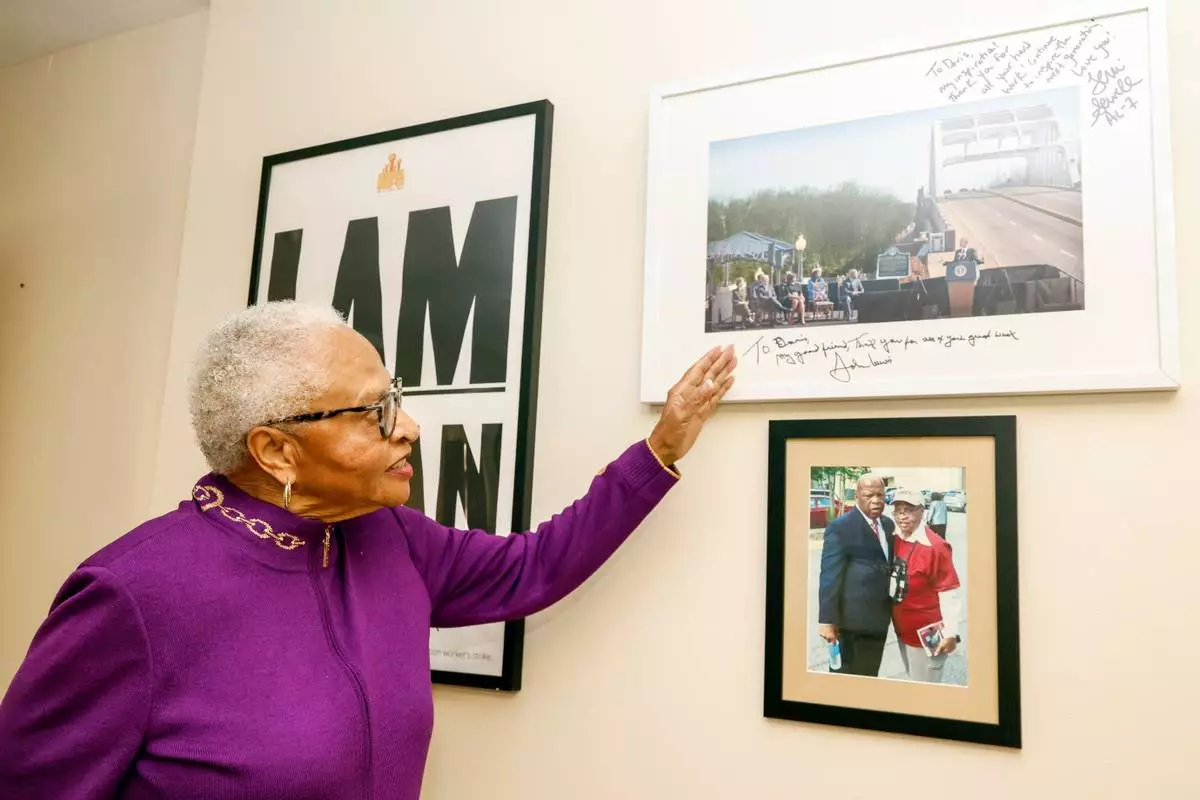
Dorris Crenshaw points to a photo of the Edmund Pettus Bridge as she prepares for the 70th anniversary of Rosa Park's Bus Boycott, Monday, Nov. 24, 2025, in Montgomery, Ala. (AP Photo/Butch Dill)
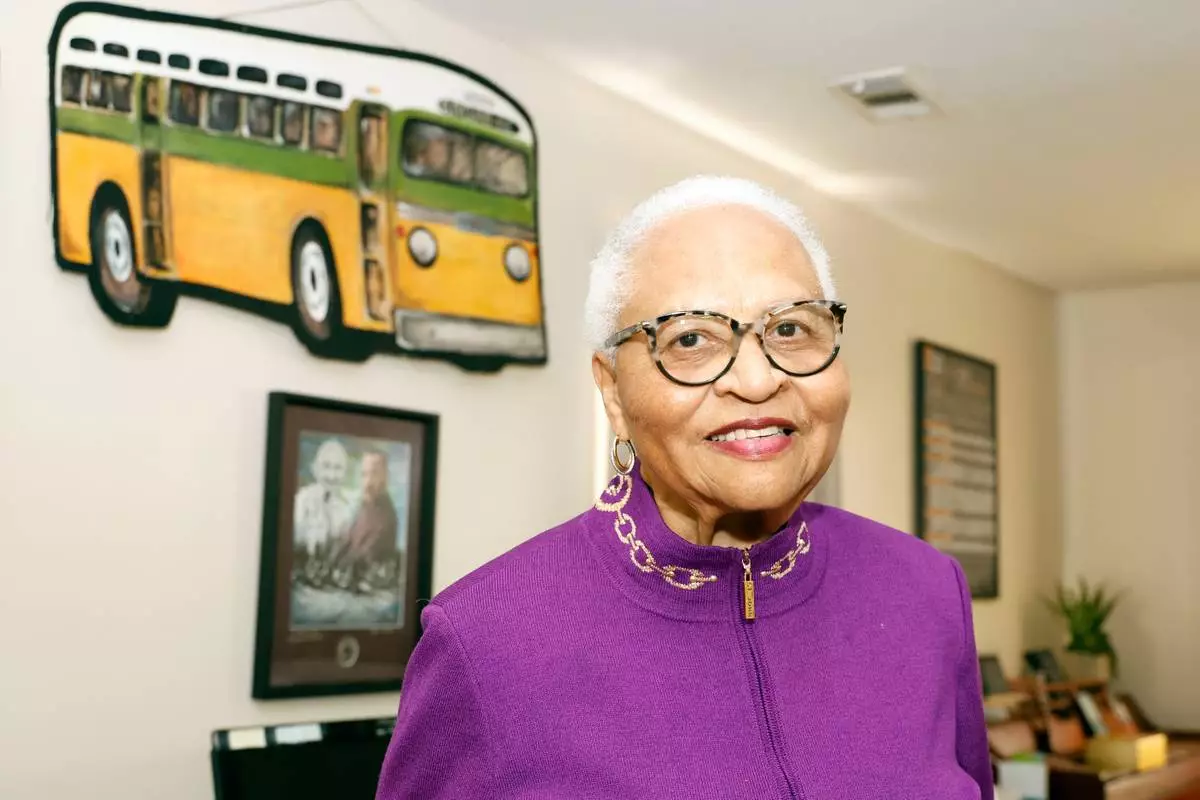
Dorris Crenshaw poses for photos for the 70th anniversary of Rosa Park's Bus Boycott, Monday, Nov. 24, 2025, in Montgomery, Ala. (AP Photo/Butch Dill)