MINNEAPOLIS--(BUSINESS WIRE)--Dec 5, 2025--
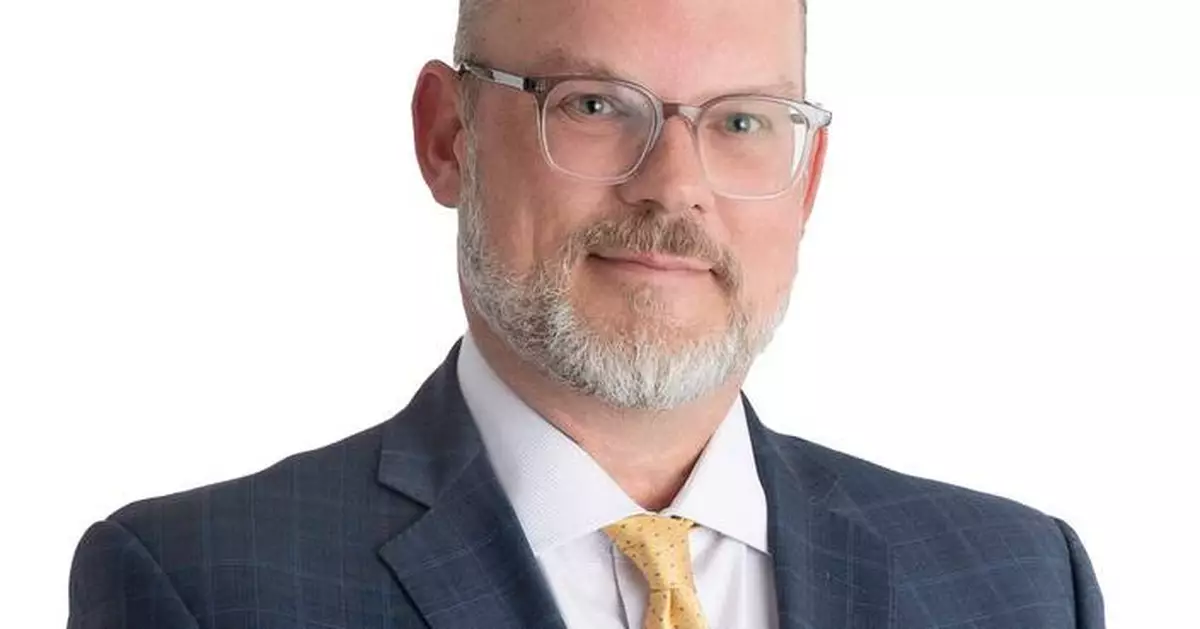
Dorsey & Whitney LLP is pleased to announce that its Managing Partner Peter Nelson has received the 2025 TCB 100 award, which honors 100 people in and around Minnesota businesses who are poised to make news and drive change in the year ahead.
This press release features multimedia. View the full release here: https://www.businesswire.com/news/home/20251205099887/en/
“I am honored to receive this recognition and grateful to the editors of Twin Cities Business for their consideration,” said Peter Nelson, Dorsey’s Managing Partner. “I am chiefly indebted to the attorneys and business professionals of Dorsey & Whitney, whose extraordinary dedication and many contributions make our shared success possible.”
About Peter Nelson
Peter Nelson became Managing Partner of Dorsey on July 1, 2025. Peter joined Dorsey as a banking industry attorney in 2008 in its Minneapolis office after starting his legal career in the Houston office of another major law firm. Prior to becoming Dorsey’s Managing Partner, Peter co-led the Finance and Restructuring Group and Banking & Financial Institutions Industry Group and was a member of the Firm’s Policy Committee. Under Peter’s leadership, Dorsey opened a Chicago office on November 3, 2025.
Each year, the editors of Twin Cities Business compile a list of 100 CEOs, founders, philanthropists, chefs, and more from a wide range of industries.
About Dorsey & Whitney LLP
Clients have relied on Dorsey as a valued business partner since 1912. With locations across the United States and in Canada, Europe, and the Asia-Pacific region, Dorsey provides results-oriented, grounded counsel for its clients' legal and business needs. Dorsey represents a number of the world's most successful companies from a wide range of industries, including banking & financial institutions; development & infrastructure; energy & natural resources; food, beverage & agribusiness; healthcare & life sciences; and technology.
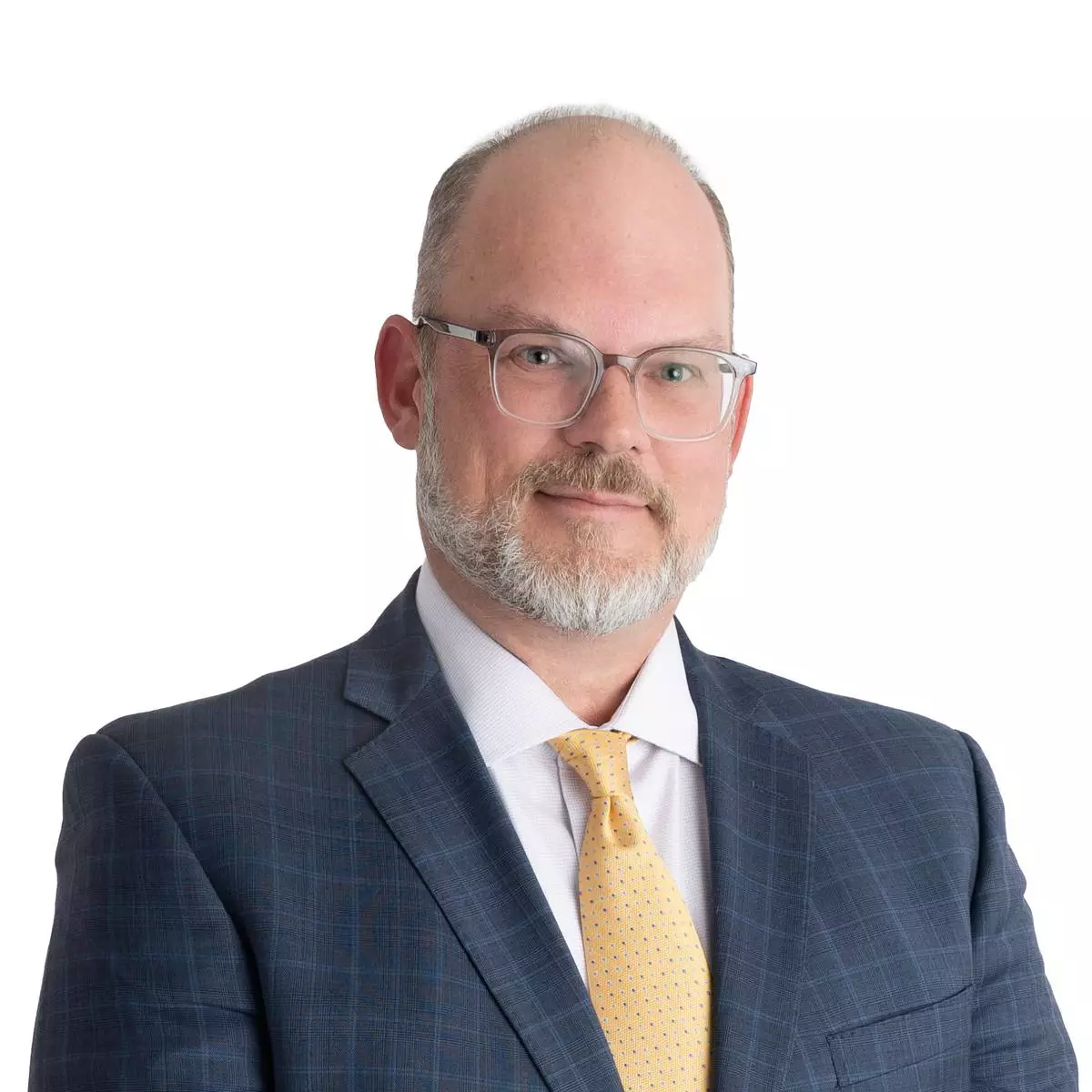
Peter Nelson, Managing Partner of Dorsey & Whitney, received the 2025 TCB 100 award.
GUATEMALA CITY (AP) — Guatemala’s newly selected Constitutional Court will have to work to regain the trust of Guatemalans disillusioned with a justice system that appears to serve the interests of few, experts said Thursday.
Elected every five years by various institutions, Guatemala’s highest court will return four of its 10 magistrates, including alternates. The outgoing court’s decisions in controversial cases were criticized for protecting people with alleged ties to drug trafficking, human rights abuses or corruption.
Experts say the new court appears more balanced, but its decisions will confirm whether that is the case.
“What it has to do is recover the concept of a legal and technical court and not issue decisions tailored for anyone,” said Carlos Luna Villacorta, a former alternate magistrate on the court. “It must inspire more confidence above all with its most controversial decisions.”
The new court was completed Wednesday, when President Bernardo Arévalo announced his selections of Gladys Annabella Morfín, a former solicitor general, and her alternate María Magdalena Jocholá, a Kaqchikel Maya lawyer and academic specializing in Indigenous issues.
Guatemala’s Constitutional Court has been at the center of the country’s battle against corruption. The court has ruled in high-profile cases on the future of an international anti-corruption commission and the release of a former president charged with corruption.
The Constitutional Court is Guatemala’s highest and its decisions cannot be appealed. Alternates step in when a magistrate has a conflict or on constitutional questions that must be heard by seven magistrates.
When former President Jimmy Morales terminated the mandate of an anti-corruption commission known as the CICIG in 2019, the Constitutional Court acted as a key democratic safeguard and ruled his decision unconstitutional.
But the court took a turn when new magistrates were elected in 2021.
For example, the court in April 2024 upheld the release from prison of former President Otto Pérez Molina (2012-2015), who had been convicted in two separate cases of corruption.
In addition to Arévalo’s selections, the Supreme Court of Justice, Congress, University of San Carlos and the country’s bar association each selected a magistrate, as well as an alternate.
Four of the five principal magistrates will be women on the new court, which will be seated in April.
Political analyst Renzo Rosal said the new court appears to be “relatively balanced.”
“The court leans conservative, but nothing else can be expected of the (Constitutional Court),” since its essence is applying the Constitution, he said. “What we need is a group of magistrates who must stabilize (the court) and allow it to be an institution that halts the mistrust of justice, that serves the people and not the spurious spaces like now.”

Guatemalan President Bernardo Arevalo speaks to the press ahead of Congress choosing their representatives to serve as magistrates on the Constitutional Court in Guatemala City, Thursday, March 5, 2026. (AP Photo/Moises Castillo)
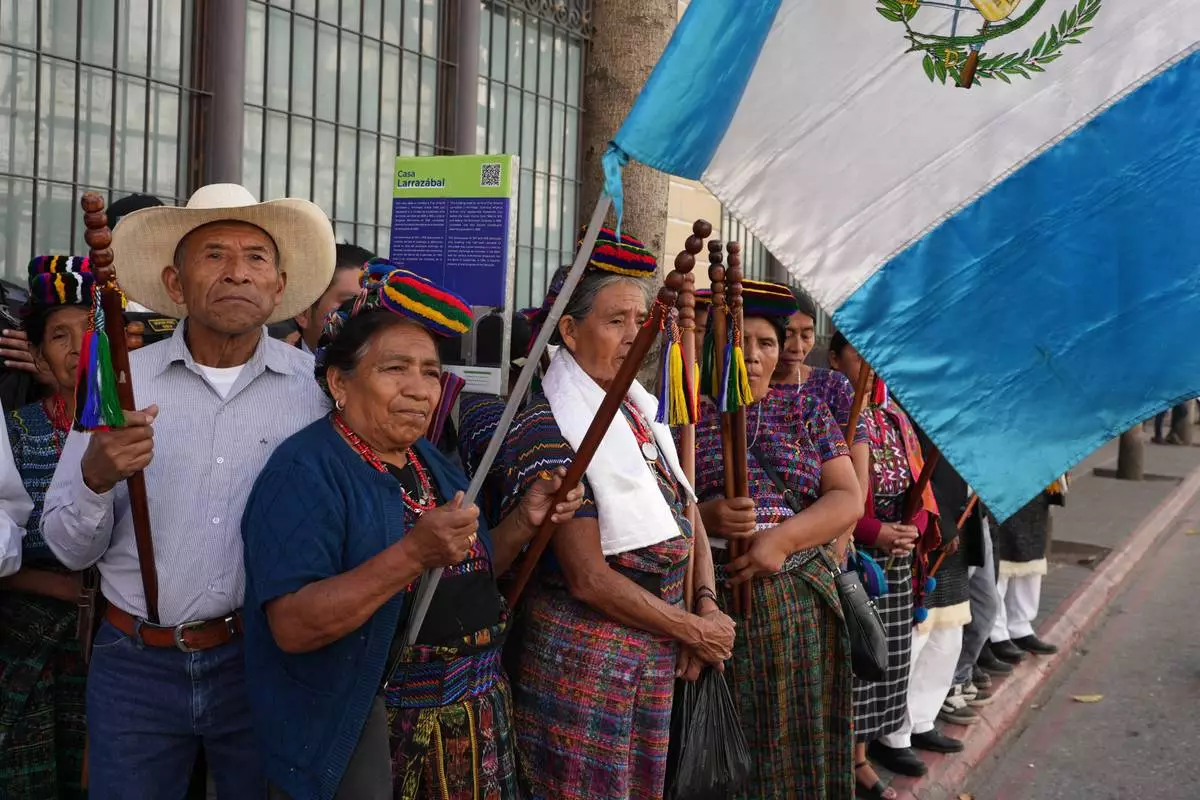
People gather outside Congress as lawmakers choose their representatives to serve as magistrates on the Constitutional Court in Guatemala City, Thursday, March 5, 2026. (AP Photo/Moises Castillo)