KERRVILLE, Texas (AP) — Many of the voices were frantic and desperate. A few were steady and calm amid mounting, frightening danger, and in some cases, inescapable doom.
They came from families huddled on rooftops to escape rising, swirling waters, mothers panicked for the wellbeing of their children and onlookers who heard people yell for help through the dark as they clung to treetops.
Click to Gallery
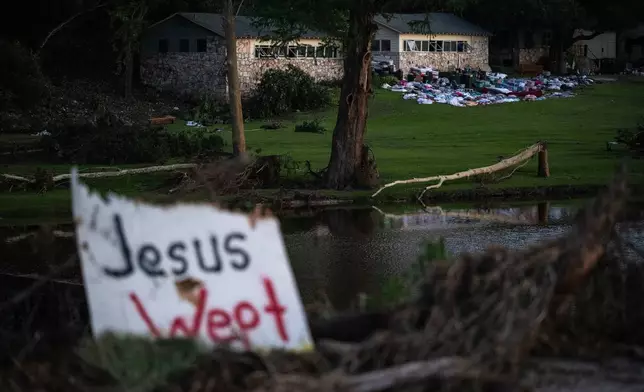
FILE - Camper's belongings sit outside one of Camp Mystic's cabins near the Guadalupe River after a flash flood swept through the area, July 7, 2025, in Hunt, Texas. (AP Photo/Eli Hartman, file)
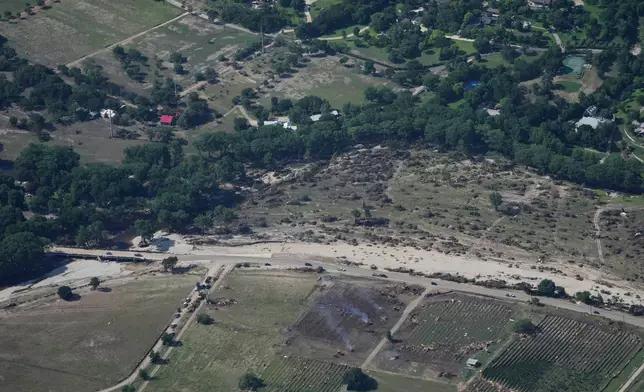
FILE - Damage is seen on July 8, 2025, near Hunt, Texas, after a flash flood swept through the area. (AP Photo/Ashley Landis, file)
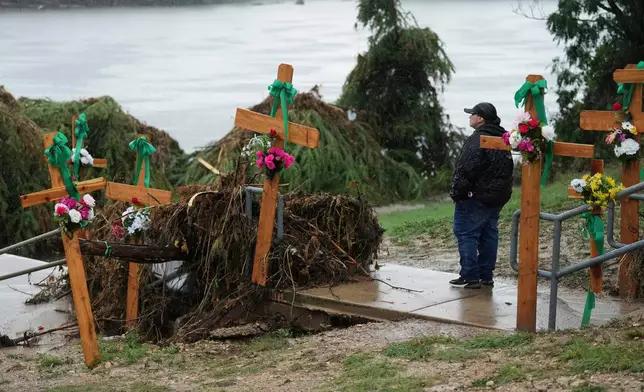
FILE - Rain falls as Irene Valdez visits a make-shift memorial for flood victims along the Guadalupe River, Sunday, July 13, 2025, in Kerrville, Texas. (AP Photo/Eric Gay, File)
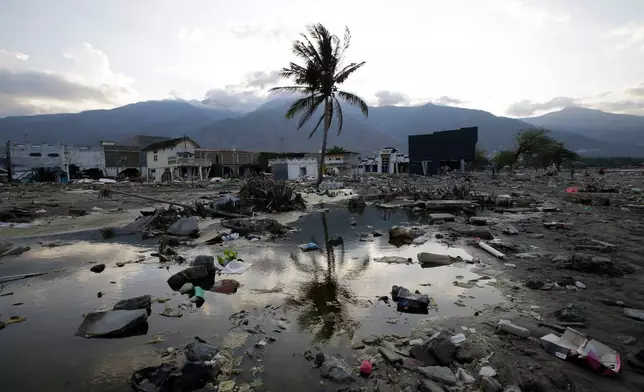
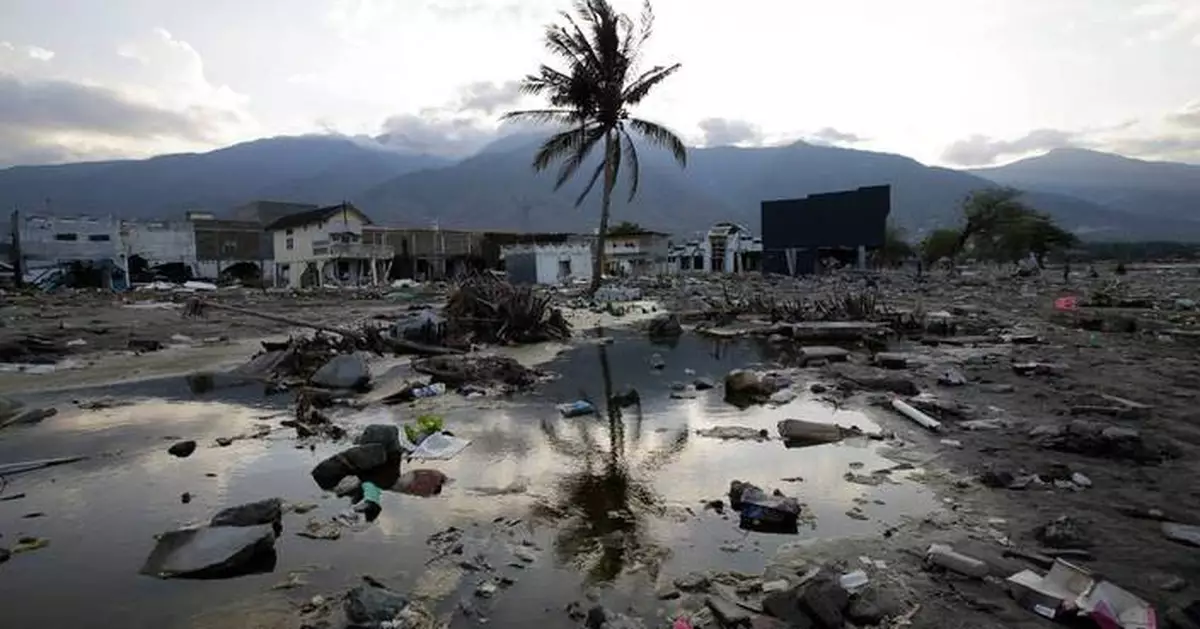
FILE - A lone tree stands in the debris from structures that were wiped out after a massive earthquake and tsunami hit Palu, Central Sulawesi, Indonesia, Thursday, Oct. 4, 2018. (AP Photo/Aaron Favila, File)
One man, stuck high in a tree as it began to break under the pressure of the floodwaters, asked emergency dispatchers for a helicopter rescue that never came.
Their pleas were among more than 400 calls for help across Kerr County last summer when devastating floods hit during the overnight hours on the July Fourth holiday. The recordings of the 911 calls were released Friday.
The sheer volume of calls would overwhelm two county emergency dispatchers on duty in the Texas Hill Country as catastrophic flooding inundated cabins and youth camps along the Guadalupe River.
“There’s water filling up super fast, we can’t get out of our cabin,” a camp counselor told a dispatcher above the screams of campers in the background. “We can’t get out of our cabin, so how do we get to the boats?”
Amazingly, everyone in the cabin and the rest of campers at Camp La Junta were rescued.
The flooding killed at least 136 people statewide during the holiday weekend, including at least 117 in Kerr County alone. Most were from Texas, but others came from Alabama, California and Florida, according to a list released by county officials.
One woman called for help as the water closed in on her house near Camp Mystic, a century-old summer camp for girls, where 25 campers and two teenage counselors died.
“We’re OK, but we live a mile down the road from Camp Mystic and we had two little girls come down the river. And we’ve gotten to them, but I’m not sure how many others are out there,” she said in a shaky voice.
A spokesperson for the parents of the children and counselors who died at Camp Mystic declined to comment on the release of the recordings.
Many residents in the hard-hit Texas Hill Country have said they were caught off guard and didn’t receive any warning when the floods overtopped the Guadalupe River. Kerr County leaders have faced scrutiny about whether they did enough right away. Two officials told Texas legislators this summer that they were asleep during the initial hours of the flooding, and a third was out of town.
Using recordings of first responder communications, weather service warnings, survivor videos and official testimony, The Associated Press assembled a chronology of the chaotic rescue effort. The AP was one of the media outlets that filed public information requests for recordings of the 911 calls to be released.
Many people were rescued by boats and emergency vehicles. A few desperate pleas came from people floating away in RVs. Some survivors were found in trees and on rooftops.
But some of the calls released Friday came from people who did not survive, said Kerrville Police Chief Chris McCall, who warned that the audio is unsettling.
“The tree I’m in is starting to lean and it’s going to fall. Is there a helicopter close?” Bradley Perry, a firefighter, calmy told a dispatcher, adding that he saw his wife, Tina, and their RV wash away.
“I’ve probably got maybe five minutes left,” he said.
Bradley Perry did not survive. His wife was later found clinging to a tree, still alive.
In another heartbreaking call, a woman staying in a community of riverside cabins told a dispatcher the water was inundating their building
“We are flooding, and we have people in cabins we can’t get to," she said. "We are flooding almost all the way to the top.”
The caller speaks slowly and deliberately. The faint voices of what sounds like children can be heard in the background.
Some people called back multiple times, climbing higher and higher in houses to let rescuers know where they were and that their situations were getting more dire. Families called from second floors, then attics, then roofs sometimes in the course of 30 or 40 minutes, revealing how fast and how high the waters rose.
As daylight began to break, the call volume increased, with people reporting survivors in trees or stuck on roofs, or cars floating down the river.
Britt Eastland, the co-director of Camp Mystic, asked for search and rescue and the National Guard to be called, saying as many as 40 people there were missing. “We’re out of power. We hardly have any cell service,” he said.
The 911 recordings show that relatives and friends outside of the unfolding disaster and those who had made it to safety had called to get help for loved ones trapped in the flooding.
One woman said a friend, an elderly man, was trapped in his home with water up to his head. She had realized his phone cut out as she was trying to relay instructions from a 911 operator.
Overwhelmed by the endless calls, dispatchers tried to comfort the panic-stricken callers yet were forced to move on to the next one. They advised many of those who were trapped to get to their rooftops or run to higher ground. In some calls, children could be heard screaming in the background.
“There is water everywhere, we cannot move. We are upstairs in a room and the water is rising,” said a woman who called from Camp Mystic.
The same woman called back later.
“How do we get to the roof if the water is so high?“ she asked. “Can you already send someone here? With the boats?”
She asked the dispatcher when help would arrive.
“I don’t know," the dispatcher said. “I don't know.”
Associated Press reporters Claudia Lauer in Philadelphia; Heather Hollingsworth in Mission, Kansas; Ed White in Detroit; Safiyah Riddle in Montgomery, Alabama; John Seewer in Toledo, Ohio; and Mike Catalini in Trenton, New Jersey, contributed.
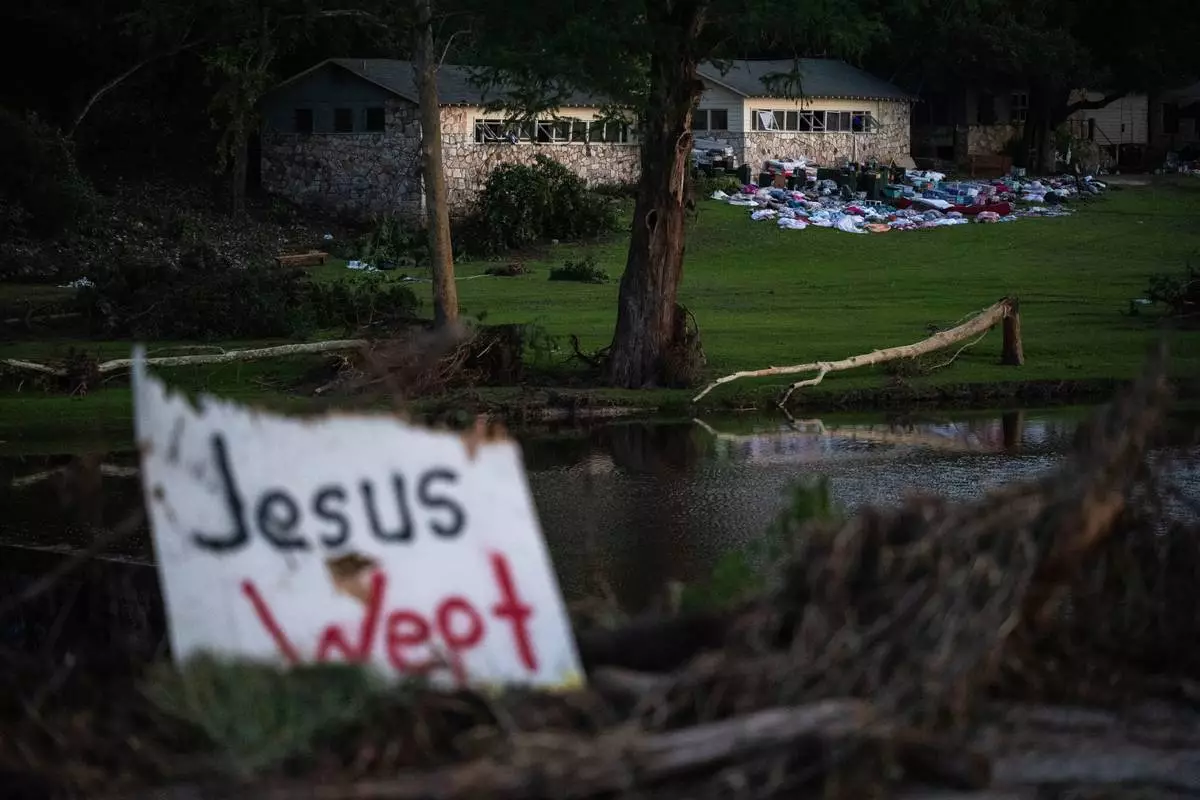
FILE - Camper's belongings sit outside one of Camp Mystic's cabins near the Guadalupe River after a flash flood swept through the area, July 7, 2025, in Hunt, Texas. (AP Photo/Eli Hartman, file)
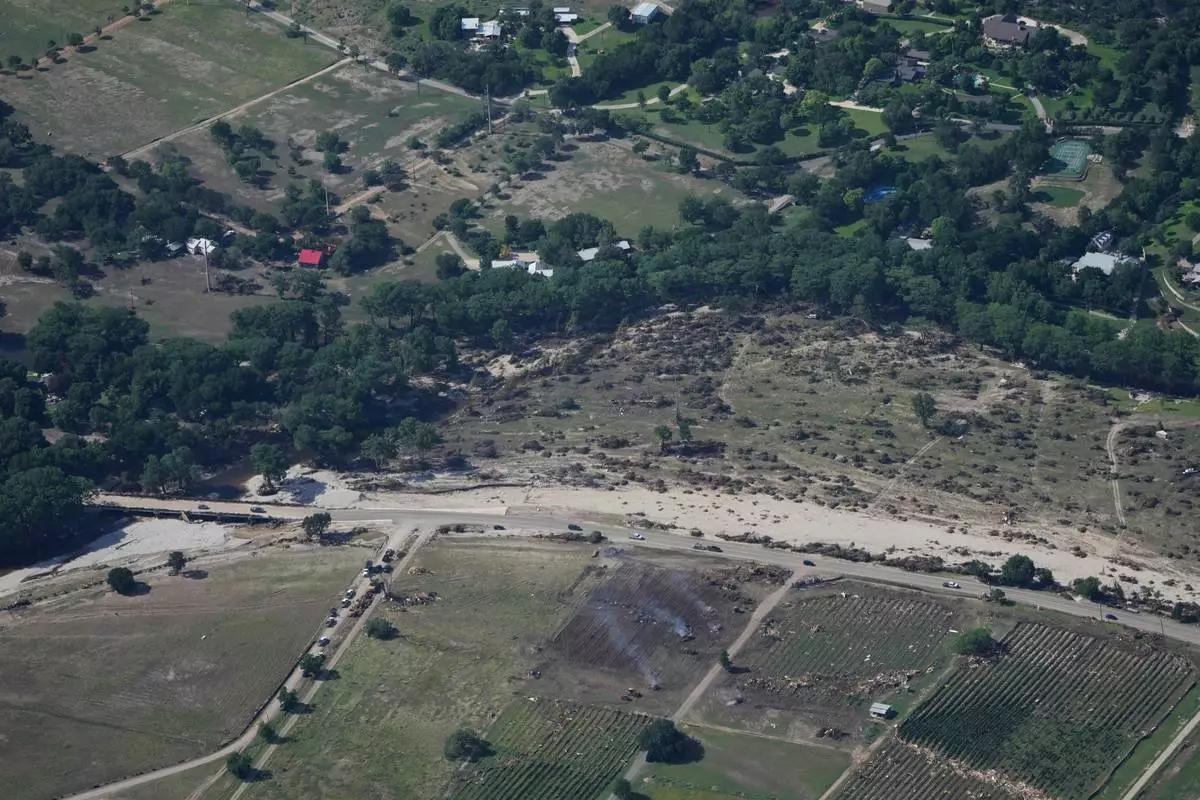
FILE - Damage is seen on July 8, 2025, near Hunt, Texas, after a flash flood swept through the area. (AP Photo/Ashley Landis, file)
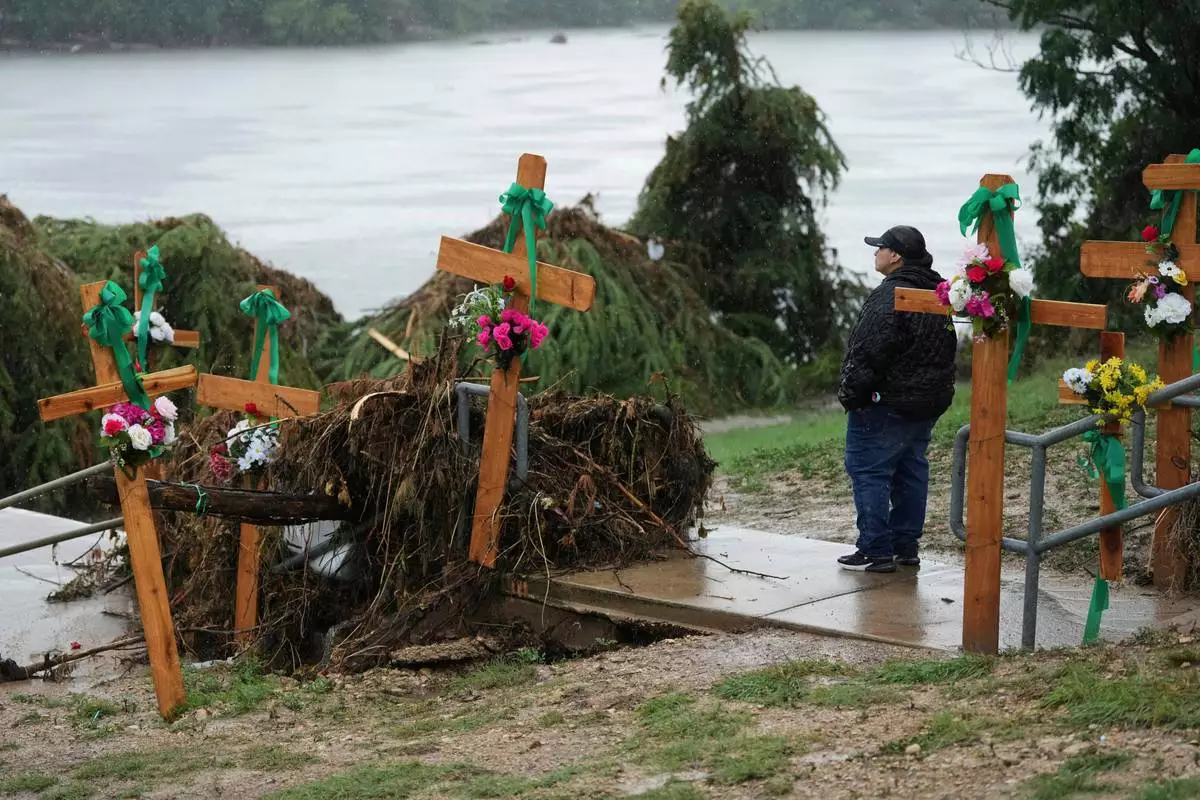
FILE - Rain falls as Irene Valdez visits a make-shift memorial for flood victims along the Guadalupe River, Sunday, July 13, 2025, in Kerrville, Texas. (AP Photo/Eric Gay, File)
FILE - A lone tree stands in the debris from structures that were wiped out after a massive earthquake and tsunami hit Palu, Central Sulawesi, Indonesia, Thursday, Oct. 4, 2018. (AP Photo/Aaron Favila, File)