PHOENIX (AP) — Democratic governors met this weekend in Arizona, looking to parlay last month’s big victories for the party in New Jersey and Virginia into campaigns for next year’s midterms, when a majority of governor's seats will be up for election.
Those elections helped Democrats zero in on what they see as a strategy to help grow their ranks in office and recover from big losses in 2024, when voters put Donald Trump back in the White House and gave Republicans majorities in both houses of Congress.
Click to Gallery
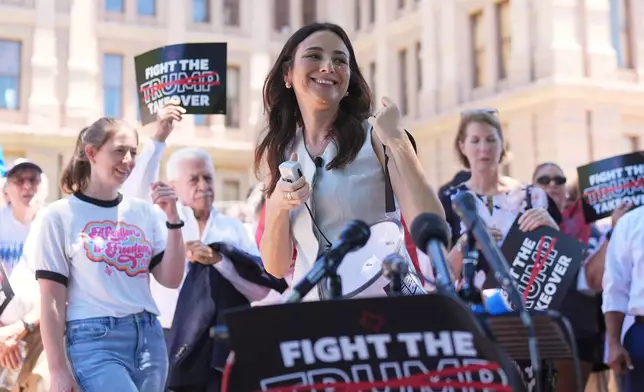
FILE - Texas state Rep Gina Hinojosa speaks during a rally to protest against redistricting hearings at the Texas Capitol, July 24, 2025, in Austin, Texas. (AP Photo/Eric Gay, File)
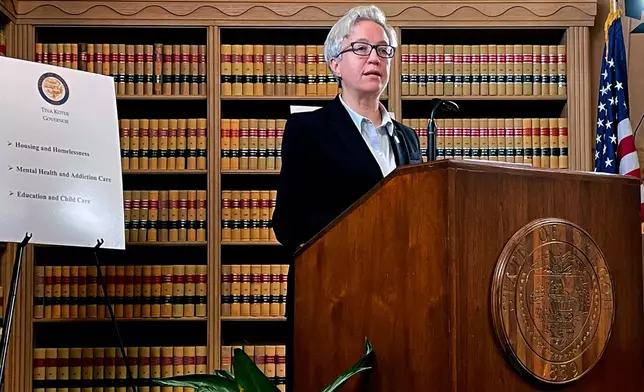
FILE - Newly inaugurated Oregon Gov. Tina Kotek unveils her first budget proposal as governor at the State Library of Oregon in Salem on Jan. 31, 2023. (AP Photo/Claire Rush, File)
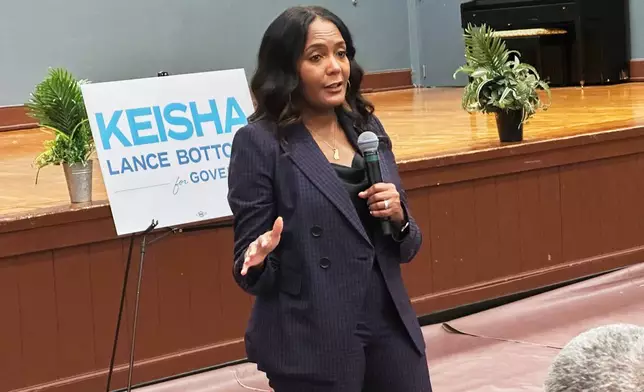
FILE - Atlanta Mayor Keisha Lance Bottoms speaks during a campaign stop in her 2026 Democratic bid for governor on Nov. 17, 2025 in Columbus, Ga. (AP Photo/Jeff Amy, File)

FILE - New Mexico Gov. Michelle Lujan Grisham discusses efforts by the state to temporarily backfill food assistance benefits during a news conference outside a grocery store in Albuquerque, New Mexico, Oct. 29, 2025. (AP Photo/Susan Montoya Bryan, File)

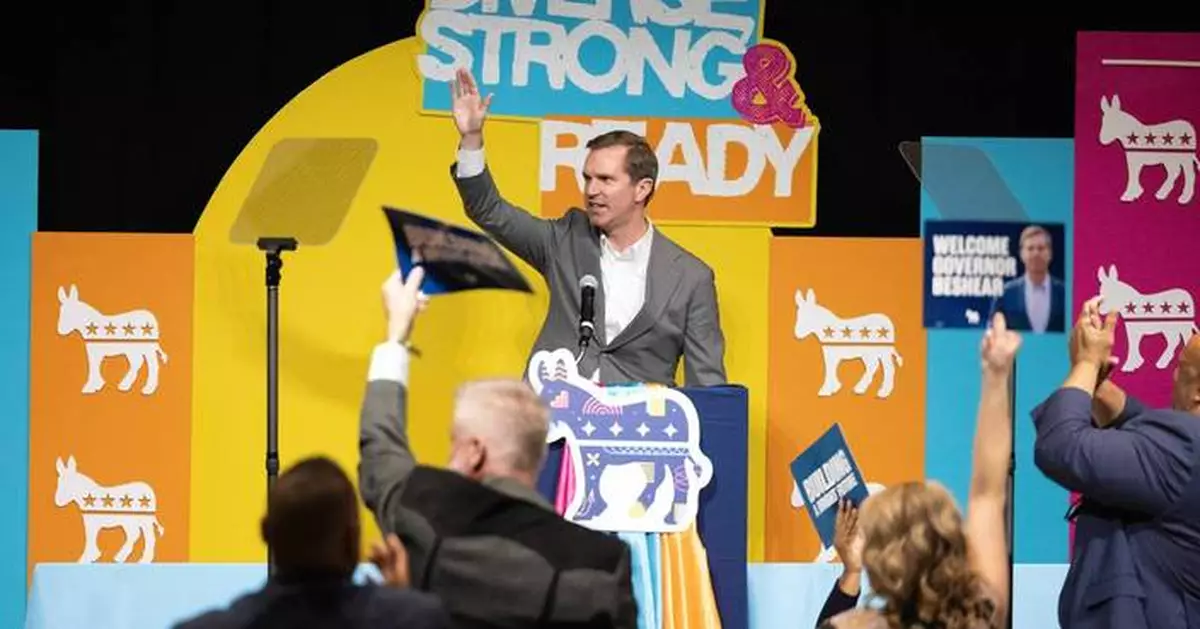
FILE - Kentucky Gov. Andy Beshear waves to a cheering crowd after his speech during the Ben Nelson Gala Nov. 7, 2025, in Omaha, Neb. (AP Photo/Rebecca S. Gratz, File)
The plan is to focus intently on making life more affordable, a message they hope will work even in some conservative-leaning states.
“We have to be laser focused on people’s everyday concerns and how hard life is right now for the American people,” said Kentucky Gov. Andy Beshear, the new chairman of the Democratic Governors Association and a possible candidate for president in 2028. “Everybody wants the economy of tomorrow, but paying the bills today is absolutely critical."
He and other governors said Democrats can use the affordability message as a cudgel against Trump without making him the central focus of their campaigns.
“Yes, we can judge a president, and we should judge this president,” Beshear said. "But we never judge those voters.”
The meeting of Democratic governors comes as blue states have been under fire from the Trump administration, which is exercising power in novel ways against the president's perceived enemies.
Trump has deployed the National Guard in California, Oregon and Illinois over the objections of their Democratic governors. His administration has demanded detailed voter data and threatened to cut off food assistance for states that don't provide information to support his immigration crackdown.
Heading into a primary season in which factions will battle over the future of the party, Democratic governors largely sang from the same sheet over the weekend. A dozen candidates and sitting governors all said they plan to talk extensively about the costs of housing, child care, utilities and groceries during Trump's second term.
But the unified focus on affordability papers over real divisions in the party’s ranks over how aggressively to confront Trump, who won all of the presidential battleground states last year, and how to deal with the rising costs that are squeezing Americans.
On the same day Democratic moderates with national security credentials, Mikie Sherrill in New Jersey and Abigail Spanberger in Virginia, won their governor's races, Democratic socialist Zohran Mamdani won election as New York mayor. All ran on promises to tackle affordability, but they offered very different visions for how to deliver.
The affordability strategy isn’t without risk. Economic conditions could change, making concerns about prices less salient or urgent.
And Democrats could be setting themselves up for disappointment down the road if they win in 2026 but are unable to bring down costs to voters’ satisfaction, allowing Republicans to capitalize on the same buyer’s remorse Democrats are now seeking to stoke.
For Democratic incumbents seeking reelection, they can't rest on fighting the Trump administration, said two-term Democratic Gov. Michelle Lujan Grisham of New Mexico. They need to show results.
“Deliver for me. But don’t forget to fight this,” said Lujan Grisham, who is barred by term limits from seeking reelection. “They do want both, and finding ways to cross-cut those and marry that I think is going to be a winning set of messages.”
After the New Jersey and Virginia elections last month, the White House began shifting its message to focus more on affordability. Trump, who has not done much domestic travel during his second term, is scheduled to visit Pennsylvania on Tuesday to highlight his efforts to reduce inflation.
The president has talked more about affordability recently, and he reduced tariffs on beef and other commodities that consumers say cost too much. But Trump also has said the economy is better and consumer prices lower than reported by the media.
“The word affordability is a Democrat scam,” he said during a Cabinet meeting last week.
He continues to blame his Democratic predecessor, former President Joe Biden, for the increase nationwide in inflation rates that occurred this year after his return to the White House. Overall, inflation is tracking at 3% annually, up from 2.3% in April when Trump rolled out a sweeping set of import taxes.
Treasury Secretary Scott Bessent on Sunday said the administration will be intent on reducing inflation, after tackling immigration and pushing to have interest rates cut.
“I expect inflation to roll down strongly next year,” he said on CBS’s “Face the Nation.”
Democratic governors and candidates were largely aligned in the conclusion that many voters in 2024 didn't feel as if their party was focused on their concerns or shared their anger at a system they believe is failing average Americans.
“I think if there was any failure in the presidential election, it’s we forgot what real people care about,” said Oregon Gov. Tina Kotek, who is expected to seek a second term next year.
“We've got to listen to people,” said Keisha Lance Bottoms, the former mayor of Atlanta who is running for Georgia governor.
Once Spanberger takes office in January, Democrats will control 24 governor's offices, a significant improvement from the low point of just 16 following the 2016 election but still slightly behind the Republicans' 26 seats.
Thirty-six states will hold elections for governor next year.
Among the hardest-fought contests will be in swing states that flipped between supporting Biden in 2020 and Trump in 2024. Those include Arizona, where Democratic Gov. Katie Hobbs is seeking a second term, and Nevada, where Republican Gov. Joe Lombardo is up for reelection. Wisconsin, Michigan and Georgia all have open seats that are widely expected to attract a large field of candidates and big spending.
The retirement of Democratic Gov. Laura Kelly in Kansas, an overwhelmingly Republican state in presidential contests, gives the GOP the upper hand there. But Democrats are talking about expanding the field by competing in states such as Iowa or Ohio, where the party used to be competitive but has struggled in the Trump era.
Gina Hinojosa, a Texas lawmaker running for governor in the nation's second-most populous state, is making the case to Democratic donors that investing in Texas will be crucial to her party's hopes of winning power in Washington before the 2030 census. Her state is projected to pick up at least four House seats and Electoral College votes at the expense of blue states such as California and Illinois.
“If we don’t flip before the end of the decade, there won’t be Democratic control of Congress or the White House,” Hinojosa said. “Because the math doesn’t work.”

FILE - Texas state Rep Gina Hinojosa speaks during a rally to protest against redistricting hearings at the Texas Capitol, July 24, 2025, in Austin, Texas. (AP Photo/Eric Gay, File)
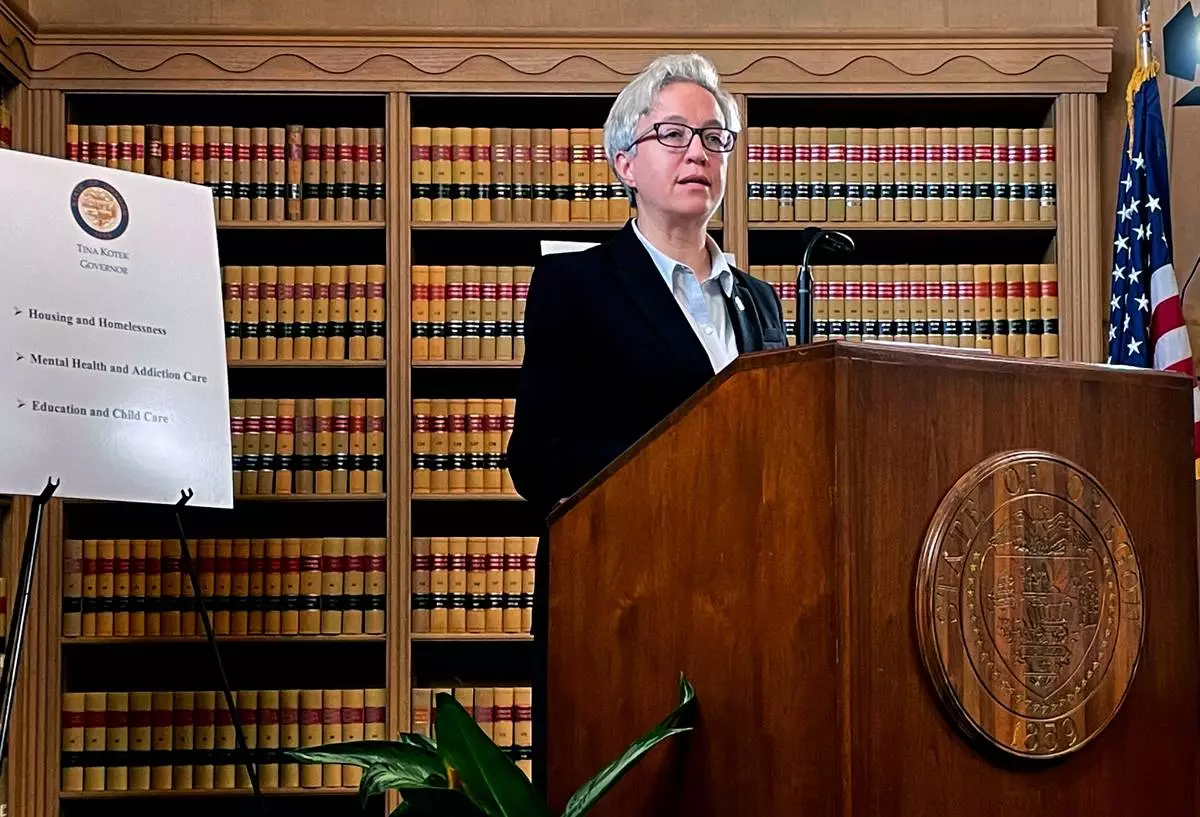
FILE - Newly inaugurated Oregon Gov. Tina Kotek unveils her first budget proposal as governor at the State Library of Oregon in Salem on Jan. 31, 2023. (AP Photo/Claire Rush, File)
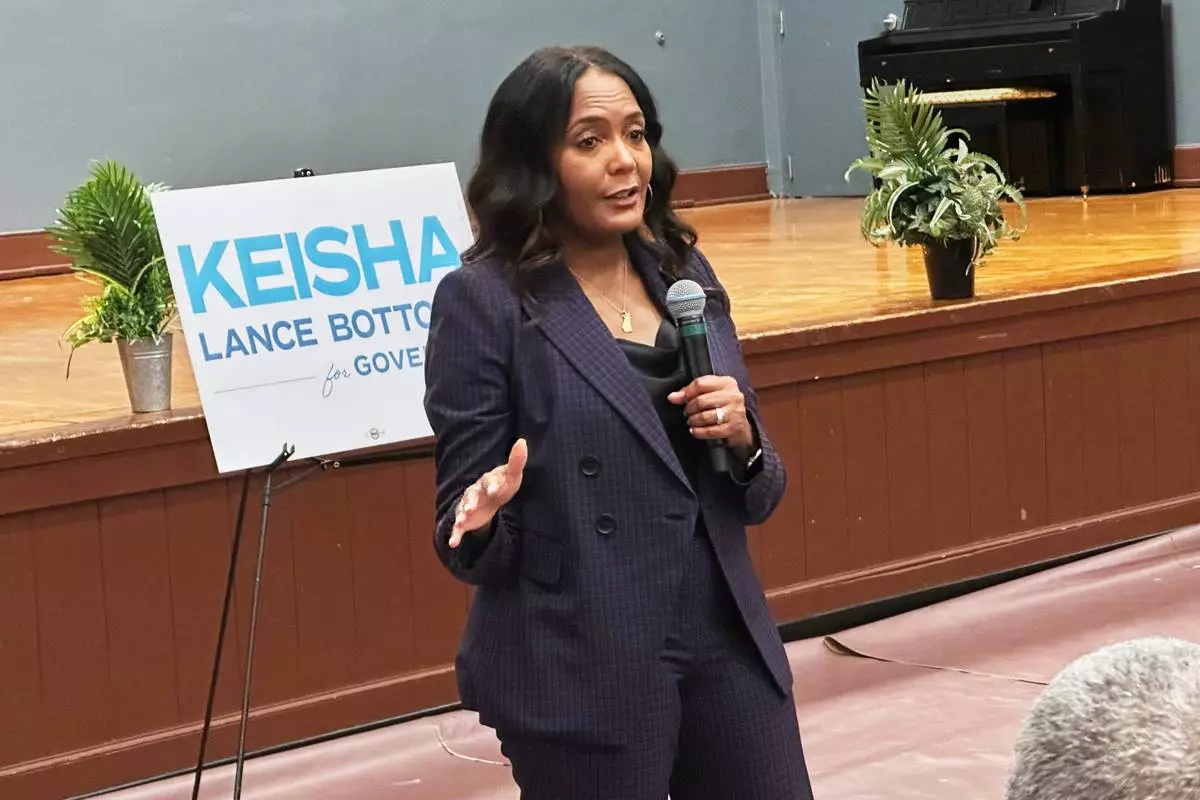
FILE - Atlanta Mayor Keisha Lance Bottoms speaks during a campaign stop in her 2026 Democratic bid for governor on Nov. 17, 2025 in Columbus, Ga. (AP Photo/Jeff Amy, File)
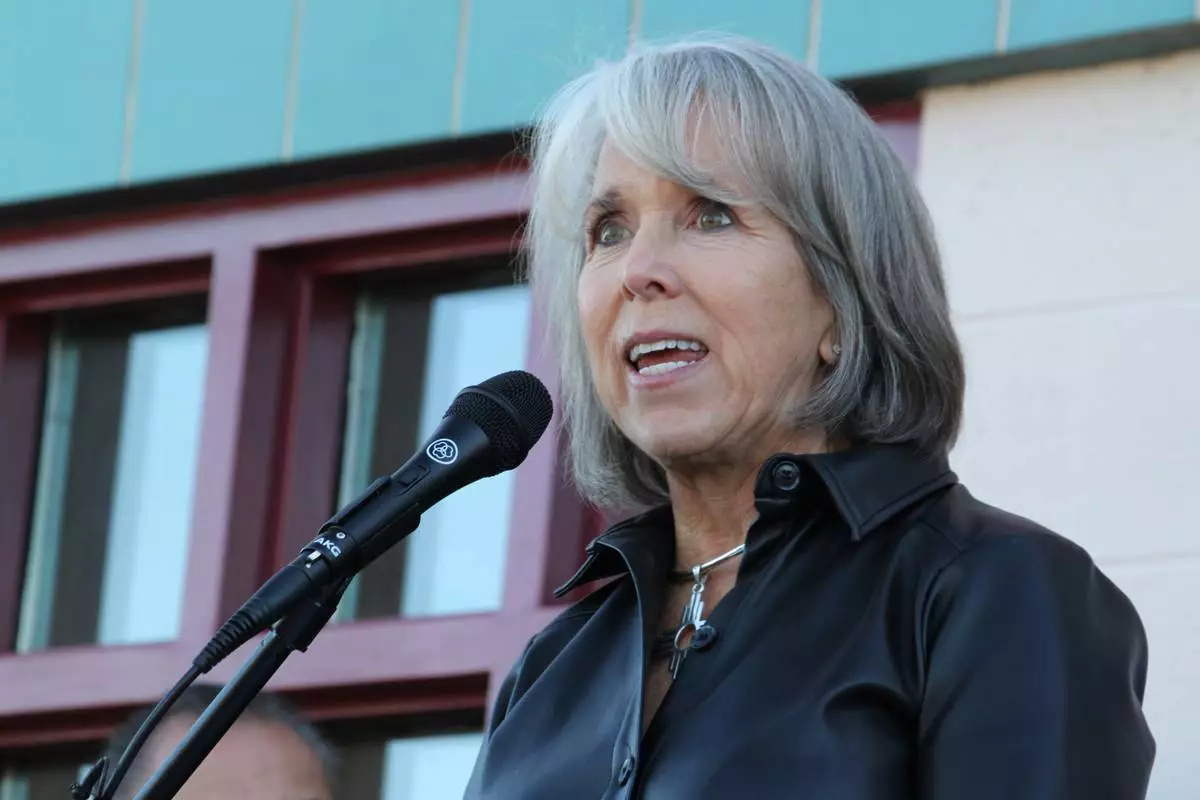
FILE - New Mexico Gov. Michelle Lujan Grisham discusses efforts by the state to temporarily backfill food assistance benefits during a news conference outside a grocery store in Albuquerque, New Mexico, Oct. 29, 2025. (AP Photo/Susan Montoya Bryan, File)
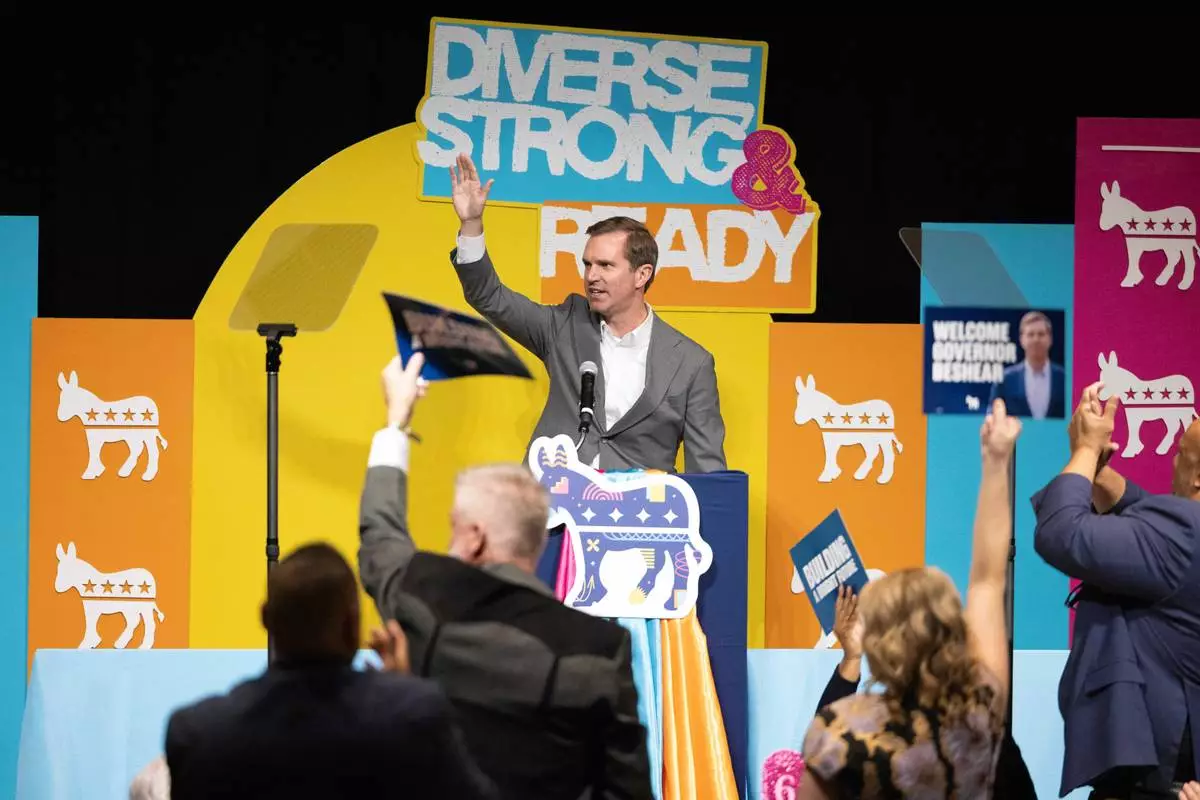
FILE - Kentucky Gov. Andy Beshear waves to a cheering crowd after his speech during the Ben Nelson Gala Nov. 7, 2025, in Omaha, Neb. (AP Photo/Rebecca S. Gratz, File)