China has achieved bumper harvests, expanded the use of new farming technology and built stronger rural infrastructure in 2025, indicating a solid progress in the country's drive to advance rural revitalization and agricultural modernization.
Despite of drought and floods, China saw stable production of summer grain and a rise of early rice growing. At present, autumn and winter sowing has been completed nationwide, with the planting acreage slightly higher and crop conditions generally favorable, laying the groundwork for next year's harvest.
Emerging rural consumption trends such as low-altitude sightseeing flights, tea gatherings, and forest concerts drew increasing numbers of urban visitors in 2025, turning villages into popular leisure destinations. Meanwhile, the number of farms that have embraced new technologies and related skills has surpassed 20 million.
"This year, China's agriculture and rural development have shown notable new trends. Technology has played a big role in supporting farm production, the integration of primary, secondary and tertiary industries grew deeper, and the urban-rural integration has entered a new stage. New profound changes took place in the concepts behind development and resource allocation. All together, they have laid a solid foundation for Chinese modernization," said Cheng Guoqiang, director of the National Food Security Strategy Research Institute at Renmin University of China.
China maintained strong policy support to strengthen agriculture, benefit farmers, and enrich rural areas in 2025, offering incentives for grain production including subsidies for farmland protection, farm machinery purchases, agricultural services and insurance premiums. The country also launched a new plan to build high-standard farmland, aiming to add or upgrade about 5.3 million hectares of farmland this year.
Chinese farms carried out yield improvements of grain, edible oils, and other major crops in 702 counties. A notable yield improvement in corn was achieved in the year, with average planting density rising from around 45,000 plants per hectare to 75,000, and some parts of Xinjiang exceeding 105,000.
Smarter farming was also a major trend for the year, with an increase in big data models used to guide crop selection and field management, while a cloud dispatch system was rolled out to match machinery with wheat maturity, reducing idle time and helping complete the summer harvest two days ahead of schedule.
Meanwhile, farm machinery became more refined and practical. The country designated the first batch of pilot counties in hilly regions to scale up the application of farming equipment.
China also reported progress in poverty prevention. By September, China had helped more than seven million people who were at risk of falling back into poverty to stabilize their livelihoods, while over 33 million former poor secured jobs, exceeding the annual targets.
The country's rural tourism flourished during the year, with themed tour packages and customized catering services becoming key sources of local people's income. Nationwide, Authorities have also designated 1,597 villages and towns as "rural tourism hubs" to help attract visitors.
Crucially, infrastructure upgrades narrowed the urban-rural gap. More than 90 percent of villages now have 5G access, rural roads mileage has reached over 4.64 million kilometers, and piped water coverage is expected to reach 96 percent by the end of the year, forming the world's largest rural centralized water supply system.
Substantial improvements were also achieved in the availability of education, healthcare and elderly care resources in rural areas. Over 2,199 counties have launched integrated medical networks, and more than 95 percent of village clinics are now covered by medical insurance.
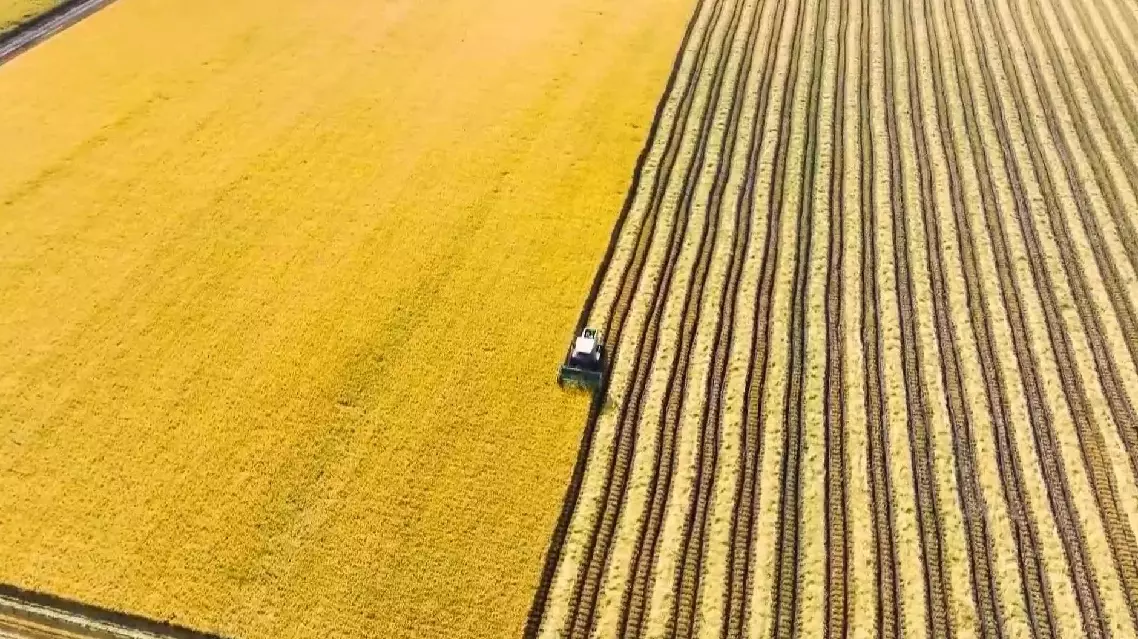
China makes solid progress in rural modernization in 2025