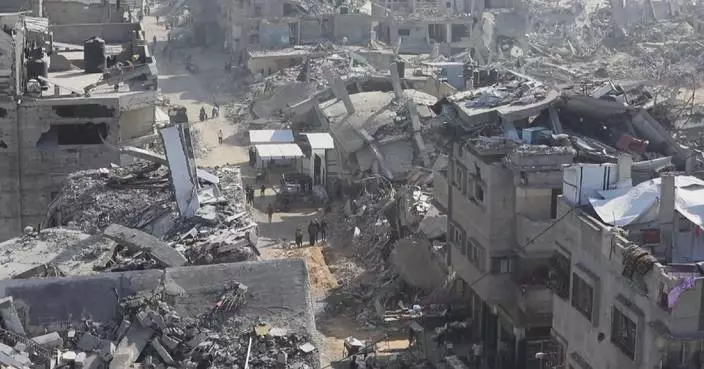
Syrian returnees are facing enormous challenges as they strive to rebuild their livelihoods in their war-torn homeland.
More than one million Syrian refugees have returned home since the fall of the Bashar al-Assad government last December.
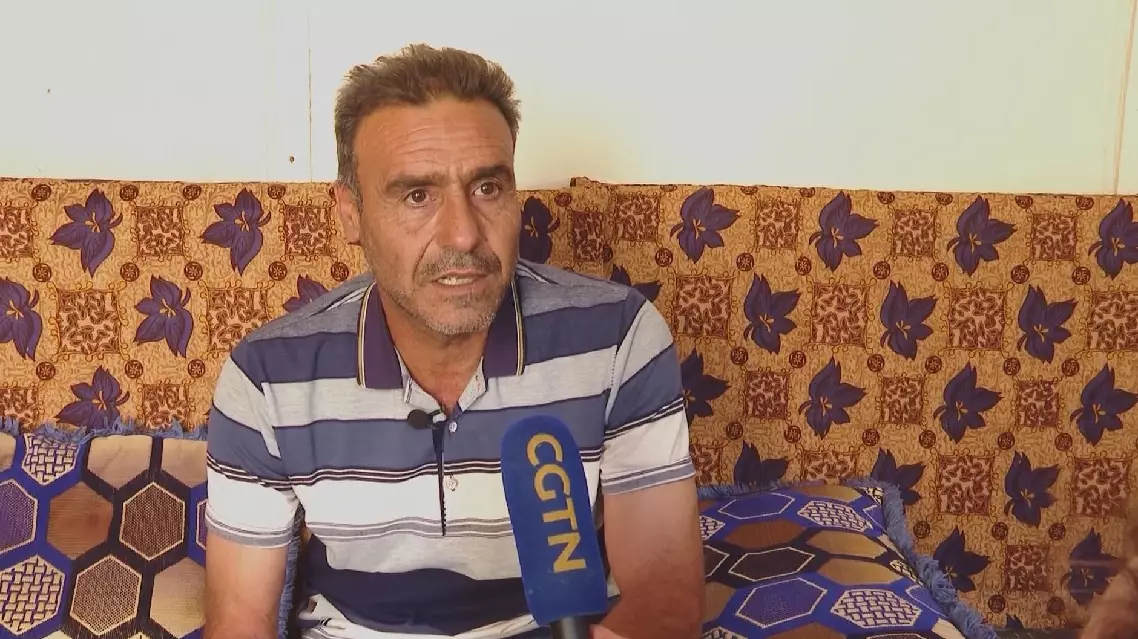
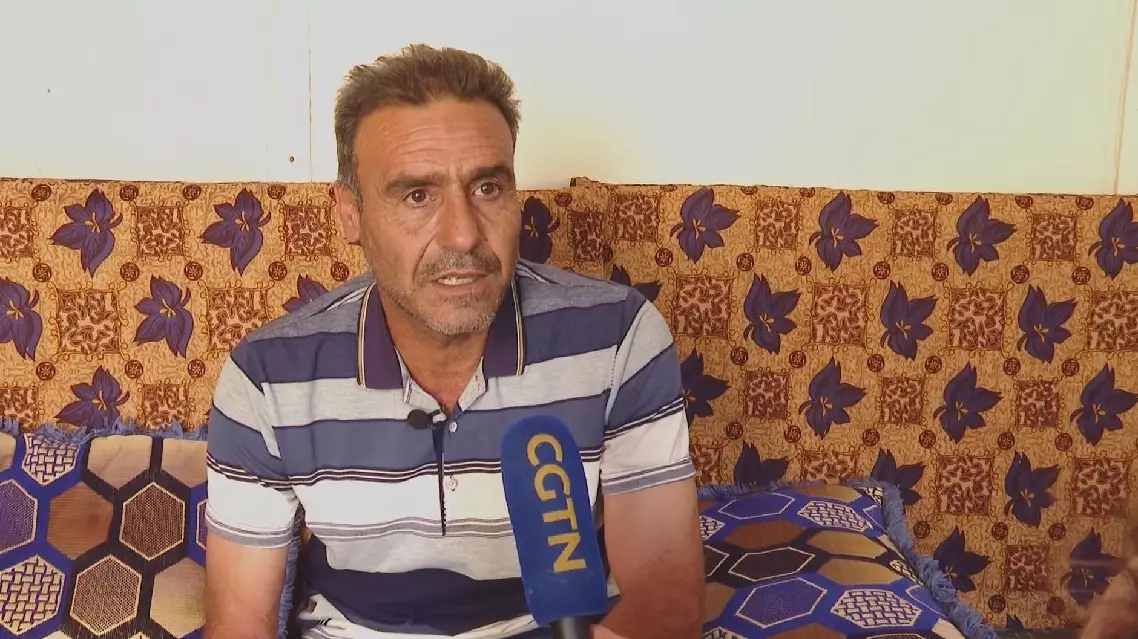
In the flattened village of Harrah in rural Damascus, 55-year-old Muhammad Alboosh is left with only rubble where his home once stood.
Alboosh fled Syria in 2012, first to Jordan and later to the Netherlands, never imagining he would return.
However, with the fall of the former Syrian government, and as employment prospects and family-reunification policies in asylum countries grew increasingly restrictive, he felt that he had little other choice.
"I managed to obtain a visa to Romania, and then a smuggler helped me reach the Netherlands. I stayed there for around six months, then the regime fell. After that, tougher regulations started. There was a lack of jobs, as I lived in the northern rural part of the country, so I made the call to return home," he said.
Though he returned just a few months ago, Alboosh's concerns about rebuilding a decent life are growing.
His village, once a modest farming community, is now a landscape of ruined homes and abandoned fields, while access to education for children is limited.
"At the beginning, I was happy to return, but now, I regret my decision, as I can't find a job. I thought about working in agriculture, but we have been through many years of drought here. In addition, I do not have enough money to start my own business, which needs at least 4,000 to 5,000 U.S. dollars," he said.
With destroyed infrastructure, high unemployment rates and the lack of essential services, the influx of millions of people back is expected to lead to heightened pressures on the already devastated Syrian economy.
Syrian returnees face challenges to rebuild life from rubble
Syrian returnees face challenges to rebuild life from rubble